Henry Dunant: The Man Behind the Red Cross

The words Red Cross literally, and immediately, bring to the mind’s eye the image of the red cross on a white background. This has become a universal symbol of humanitarian help and healing wherever there is a situation of war, natural or man-made calamity. The history of what has, for over a century been an international movement can be traced back to a much earlier war, and to the humanitarian vision of a businessman named Henry Dunant.
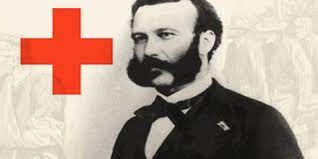
Photo source: https://elm.com.sg/

Henry Dunant was born on May 8, 1828 in Geneva in a Swiss family that was religious and civic-minded. Henry himself, in this youth, was closely involved with the Young Men’s Christian Association. After he completed school he was initially apprenticed to a Swiss bank. When he was twenty-six he joined as a representative of a company that had commercial interests in Swiss colonies in North Africa.

As part of his work Dunant travelled to Algeria to take charge of the Swiss colony of Setif. While he was there he attempted to become an independent entrepreneur and set up a wheat mill. For this he needed a large tract of land and water rights for the same from Napoleon III. Napoleon was at the time headquartered near the northern Italian town of Solferino, directing the French and Italian armies in the battles to drive the Austrians out of Italy. Dunant arrived in Solferino in time to witness one of the bloodiest battles of the nineteenth century. On that memorable twenty-fourth of June 1859, more than 300,000 men stood facing each other; the battle line was five leagues long, and the fighting continued for more than fifteen hours.

Dunant was also witness to the horrific aftermath of the battle which left behind hundreds badly wounded and dying without any kind of help. Dunant was deeply moved by his experience. He wrote about it and published a small book titled Un Souvenir de Solferino (A Memory of Solferino). He began the book with these words: I was a mere tourist, with no part whatever, in this great conflict; but it was my rare privilege, through an unusual train of circumstances, to witness the moving scenes that I have resolved to describe.

The book, published in 1862 had three parts. The first described the battle itself. The second described the battlefield after the fighting: chaotic disorder, despair unspeakable, and misery of every kind. It also described all the efforts to care for the wounded in the small town of Castiglione. The third section proposed a plan. It suggested that the nations of the world should form relief societies to provide care for the wartime wounded; each society should be sponsored by a governing board composed of the nation’s leading figures, should appeal to everyone to volunteer, and should train these volunteers to aid the wounded on the battlefield, and to care for them later until they recovered.

As he wrote: But why have I told of all these scenes of pain and distress, and perhaps aroused painful emotions in my readers? Why have I lingered with seeming complacency over lamentable pictures, tracing their details with what may appear desperate fidelity? It is a natural question. Perhaps I might answer it by another: Would it not be possible, in time of peace and quiet, to form relief societies for the purpose of having care given to the wounded in wartime by zealous, devoted and thoroughly qualified volunteers?

This report shook the whole of Europe. What was unusual about it was that rather than being just a reporting of the battle, Dunant also provided ideas and proposals aimed at preventing a repetition of the horrifying happenings in Solferino.

His two main proposals were: i.That countries adopt an international agreement, which would recognise the status of medical services and of the wounded on the battlefield. ii. The creation of national relief societies, made up of volunteers, trained in peacetime to provide neutral and impartial help to relieve suffering in times of war.

In response to this, on 7 February 1863, the Geneva Society for Public Welfare appointed the International Committee for the Relief of the Wounded, a committee of five people, to find ways to put the plan into action. The committee consisted of the banker Gustave Moynier, the general Guillaume-Henri Dufour, as well as the doctors Louis Appia and Théodore Maunoir, along with Henry Dunant. Dunant, poured his own money and time into the cause, travelled over most of Europe to meet governments and convince them to send representatives to a conference which would develop the plan of action. The founding charter of what was to become the International Red Cross Movement was drawn up in 1863.

An international conference was held from 26 to 29 October 1863; it included delegates from sixteen nations. The result of the conference was an international treaty with ten articles that were signed by twelve nations on 22 August 1864. This became known as The Geneva Convention. The Treaty guaranteed neutrality to sanitary personnel and protection of sanitary establishments, guaranteed free access for such personnel to grant material assistance.

The Convention also adopted a special identifying emblem. A red cross on white base was selected as a recognition and protection sign. It was the reverse of the Swiss Federal colours and was selected in honour of the Swiss origin of the initiative to provide humanitarian assistance in times of armed conflict.

While Dunant was putting all is time and resources in making his humanitarian dream a reality, his personal and professional life went into a steep decline. His business ventures failed and he became bankrupt; he was also cast out by the Geneva society of which he was once a part; he was penniless and unmoored. In September 1867 he resigned from his post as secretary, as well as member of the International Committee.

For the next 20 years from 1875-1895 Dunant became a wandering recluse, living on charity. In 1887 he ended up in a small Swiss village where he fell ill and found refuge in the local hospice where he spent the remaining years of his life. In the meanwhile he was almost forgotten, and even presumed dead, until a journalist discovered him in 1895 and wrote an article about him. The article was printed all over Europe. Henri Dunant was rediscovered by the world.

In 1901, Dunant was awarded the first-ever Nobel Peace Prize for his role in founding the International Red Cross Movement and initiating the Geneva Convention. The prize was divided equally between Jean Henry Dunant “for his humanitarian efforts to help wounded soldiers and create international understanding” and Frédéric Passy “for his lifelong work for international peace conferences, diplomacy and arbitration”.

Despite the prizes and honours Dunant continued to live in his one room in the hospice until he died in 1910, and as per his wishes, there was no funeral ceremony.

Henry Dunant’s vision and creation of the worldwide movement continue to be play a critical part, in a world that is conflict-torn even today, helping people in need during armed conflict, natural disasters and other emergencies. The movement’s ethics are based on seven Fundamental Principles: Humanity, impartiality, neutrality, independence, voluntary service, unity and universality.

May 8 is marked as Red Cross Day in memory of the contribution of Henry Dunant to building this international Movement, and to celebrate these principles.

–Mamata
Lumps and Bumps

Skin

I was just thinking about the amount of time we spend worrying about lumps and bumps on our skin and other surfaces, those seen and those unseen. Parents worry about rashes, boils, sties and other sundry outbreaks on their children’s skin. Teen years are spent worrying about acne, pimples, blackheads, whiteheads. Tumours, cysts and polyps occupy significant mindspace in old age. And through all our living years, moles and warts are a part of life.

What on earth are these things? Here is a quick overview.

Rashes are any area of irritated or swollen skin. They involve changes in colour, feeling or texture of the skin.  They are often itchy and painful and can appear red, purple, grey, or white.

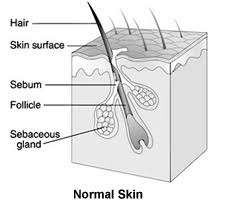
Boils are painful, pus-filled bumps that form under the skin when bacteria infect and inflame hair follicles. They usually start out start as reddish or purplish, tender bumps. The bumps quickly fill up with pus, growing larger and more painful until they rupture and drain. If that sounds bad, a carbuncle is worse. Carbuncles are a cluster of boils that form a connected area of infection under the skin.

A stye is an  inflamed oil gland on the edge of the eyelid, where the eyelash meets the lid. It appears as a red, swollen bump that looks like a pimple, and is often tender to the touch.

And here are the ones which trouble us during adolescence.

Acne is when hair follicles under the skin become clogged. Sebum—oil that helps keep skin from drying out—and dead skin cells plug the pores. Most often, the outbreaks occur on the face but can also appear on the back, chest, and shoulders. Acne is the generic name which includes pimples, zits, etc.  

To be specific, pimples are small pustules which develop when the oil glands become clogged and infected, leading to swollen, red lesions filled with pus.

Blackheads are also a type of acne, but different from pimples. They are open bumps on the skin that fill with excess oil and dead skin. They look as if dirt is in the bump, but it is irregular light reflection off the clogged follicle that causes the dark spots.

Whiteheads too are acne and occur when oil and dead skin close off hair follicles or oil glands. But they form closed bumps on the skin.  

Moving on from teen-woes, here are lumps and bumps we worry about as we grow older:

Tumours are solid masses of tissue that form when abnormal cells group together. Tumours can affect bones, skin, tissue, organs and glands. Many of them are not cancer but they still may need treatment. 

Polyps are tissue growths that most often look like small, flat bumps or tiny mushroom-like stalks. Most polyps are small and less than half an inch wide. A polyp can be flat, raised or on a stalk. Uterine and colon polyps are the most common, but it is also possible to develop polyps in the stomach, ear canal, nose, etc.

Another type of lump is a cyst which is a small pocket of tissue filled with air, fluid or other substances. Cyst maybe caused by genetics, inflammation, infection or other issues.

And the ones that are age-agnostic:

Warts are small, noncancerous growths which appear when the skin is infected with one of the many viruses of the human papillomavirus (HPV) family. The virus triggers extra cell growth, which makes the outer layer of skin thick and hard in that spot.

Moles are small dark brown spots and are caused by clusters of pigment-forming cells (melanocytes). Most people have 10 to 40 moles that appear during childhood and adolescence and may change in appearance or fade over time.

That was a yucky one! But yucky is part of life!

–Meena

Nothing to Sniff At

One of the numerous lingering impacts side effects of the not too-long abated COVID pandemic was the loss of the sense of smell for many people. For those who escaped this side effect it was difficult to imagine how people who could not smell anything may be feeling. For those who were affected, it must have been a really unnerving sensation.

The sense of smell, or olfaction, is the special sense through which smells are perceived. While impairments of the sense of sight or hearing are more apparent in the person with the disability and more evident to others, an olfactory dysfunction affects the person very personally, and less is less noticeable to others.

One of the side effects of losing one’s sense of smell is the losing also the sense of taste or gustation. These two senses are closely interconnected. In fact our sense of smell is responsible for about 80% of what we taste.

Both are chemical senses. The perception of a smell occurs when substances in the air pass through the nose and stimulate the olfactory (smell) nerve. The experience of taste, or gustation, occurs when the taste buds in the mouth respond to substances dissolved in saliva. Without our sense of smell, our sense of taste is limited to only five distinct sensations: sweet, salty, sour, bitter, and the newly discovered ‘umami’ or savoury sensation. But what we call ‘taste’ is actually ‘flavour’–a combination of smell, taste, spiciness, temperature and texture. Much of the flavour of food comes from smell. Thus both the senses–taste and smell–contribute to the experience of flavour. When we are unable to smell we lose much of our ability to experience flavour. Most of us have experienced that when we have a cold and our nose is blocked most foods taste bland. But not many of us have consciously registered that when we are hungry our sense of smell becomes stronger! Think of how all the aromas emanating from a kitchen or bakery start making our mouth water!!

So how exactly does humans’ sense of smell work? This is where the nose and the brain work together. Inside the nostrils are tiny cells, called olfactory neurons, that have long cable-like connections that send electrical messages to a spot at the front of the brain, known as the olfactory bulb. Each olfactory neuron connects with a different neuron in the olfactory bulb, which then sends this information to other areas of the brain. When odours or distinctive smells enter the nose, they travel to the top of the nasal cavity to the olfactory cleft where the nerves for smell are located. The combination of activated neurons generates all the unique smells that we as humans can detect.

The way the brain deals with smells is very different to how it deals with other senses, such as seeing and hearing. For example, we can identify the different instruments playing in a band, or the different shapes and colours in a painting. But it is very hard for us to tell the individual parts of a smell mixture

The brain does more than help us smell, it triggers memories associated with the smell. This is how sometimes a particular fragrance immediately conjures up memories of a person who one associates with that fragrance, or a food smell brings back memories of childhood kitchens and food lovingly cooked and served in the family. Some smells may also trigger sad or unpleasant memories that one thought had been pushed away in the farthest recesses. As Helen Keller said: Smell is a potent wizard that transports you across thousands of miles and all the years you have lived. 

The sense of smell is not just about enjoying the flavours of food or relishing memories evoked by fragrances and odours. This sense is important for our well being. Smell helps us to distinguish good from bad odours. Often we smell stored food to know whether it has “gone bad”. Food that smells over fermented or not as it should is a warning that it may be harmful if ingested. The smell of a “dead rat” (literally) or rotting matter alerts us to the state of hygiene in a particular location. The smell from a gas leak or “something burning” is an early warning system of potential danger.

While we take these smelling tests as a normal part of our daily life, the inability to use smell as an early detection aid can be dangerous for those who lack the sense of smell.

In fact this lack is a medical condition called ‘anosmia’. The term refers to the inability to perceive odour or a lack of functioning sense of smell. Anosmia can be caused by a wide range of factors. The most common reasons are due to upper respiratory or sinus/nasal infections or viral diseases. The condition may be temporary or permanent depending on its cause.

While anosmia is the complete loss of sense of smell, other types of smell dysfunction include: hyposmia, which is the partial loss of the sense of smell; parosmia, which is when the perception of smells becomes distorted, so pleasant smells start to seem unpleasant, or an odour appears to change intensity; and phantosmia, which is when a person believes that they can smell something, but it is not actually there.

Compared with other disabilities, anosmia is a condition that is relatively undiscussed. This leaves a lot of people who are affected by it feeling isolated and lost. This was exactly what Daniel Schein an American, who suffered from congenital anosmia felt. Growing up with anosmia, I never knew anyone else with the disorder and it was just something I accepted and lived with. But I soon learned that there were many people all over the world in the same situation and different groups doing important research. I started Anosmia Awareness as a way to bring together everyone interested in anosmia, encourage research and spread awareness.

Daniel Schein’s awareness campaign was formalized through the launch of an Anosmia Awareness Day in 2012. Now an annual event, the day is marked on 27 February every year. Daniel also runs the website anosmiaawareness.org which is a valuable resource for those who are keen to know more about the condition.

The day was not well-publicized initially. However the movement got a boost when a UK-based charity called Fifth Sense joined in supporting the cause. Today this group is dedicated to support and advice people with smell and taste-related disorders, and to making this day an international reminder of the gift that we often take for granted.  

–Mamata

Underground Treasures: Tubers

This is the season of relishing a variety of underground edible delights. These are the root and tuber vegetables that are consumed in numerous ways, in a variety of dishes. In Gujarat these are celebrated in the undhiyu, a mix of winter vegetables led by several kinds of tubers including yams, sweet potatoes and potatoes, traditionally slow-cooked in an earthen pot. The winter season is also a multi-coloured celebration of root vegetables like carrots, beets, radish, turnip, fresh turmeric and ginger that add crunch, colour and flavour to salads, and sweets (carrot hawa!).

The distinction between tubers and roots is more botanical than culinary. Both root vegetable and tubers are geophytes, a botanical classification for plants with their growing point beneath the soil. All tubers fall under the root vegetable umbrella, but not all root vegetables are tubers. Root vegetables are aptly named because the meat of the crop is the root of the plant, growing downwards and absorbing moisture and nutrients from the soil. Above ground are the leaves, below ground, are the roots which are eaten as vegtables. Tubers, however, form at the base of the root. Tubers store energy and support new stem growth. You can get several tubers from one above-ground plant, while root crops will have one root vegetable from each plant.

The general belief is that tubers are starch heavy and difficult to digest. Many people feel very full after eating tubers. In fact, the complex carbohydrates found in tubers balance the glucose levels in blood, and help remain full for a longer period, thereby prevent cravings and overeating.  While they do contain more carbohydrates than protein, tubers are a rich source of essential nutrients—vitamins (especially vitamin C), minerals like copper, manganese and potassium, and beneficial enzymes. They are also high in fibre that helps to keep the digestive and excretory system healthy. 

Indigenous people all over the world have traditionally consumed a variety of local tubers to supplement their diet as a balanced and healthy food source. In the Andean region of South America, tuber-forming or storage root crops have been continuously domesticated from wild ancestors and improved via selection and breeding during centuries by the local indigenous people. Some have been used as part of traditional medicine for their healing properties. Tubers thus provided food security as they could survive the vagaries of weather conditions, especially drought.

Tubers are slowly attracting attention again for all these reasons. Tubers are packed with nutrition, but majorly neglected in our diets. They are naturally resistant to pests and diseases, and are chemical-free unlike most fruits and vegetables. Unlike other food, tubers survive for three-four months after being pulled out of the soil.

Realising their multi-faceted potential for a hunger-free world, the Food and Agriculture Organization has categorised tubers like the sweet potato, along with pulses and millets, as Future Smart Food (FSF). 

However with the spread of monocultures and new varieties of cereal crops, as well as accessibility and popularity of other vegetables, over time the genetic as well as nutritional properties of tubers have been largely forgotten or neglected.

This is what motivated Shaji NM, a farmer from Kerala to take on a one-man crusade to save and celebrate tubers. Shaji grew up in a family of farmers that often resorted to subsisting on a diet of different tubers that they cultivated, or collected from the nearby forest, when they could not afford any other food grain. While Shaji himself became familiar, early on, with a variety of tubers, as he grew he saw that these were slowly being forgotten as the market became flooded with cereals and vegetables from far and wide. He also realized that while traditionally most farmers had cultivated some tubers in their fields, these were being increasingly replaced by the cultivation of cash crops like pepper, cardamom, nutmeg. Shaji felt that he needed to do something to protect and preserve tuber varieties before they disappeared altogether. And thus began a mission that has been continuing for almost two decades now. 

Shaji began travelling across Kerala to look for wild tubers. He went deep into the forests to meet the local tribal communities. It is here that he discovered a variety of wild yams and other tubers that were part of their traditional diet, grown in small patches near their homes, or collected from the forest. These were not grown nor available commercially. Shaji saw that many such varieties were on the verge of disappearing and he began to collect the seeds of all the varieties that he came across. He brought the seeds back and started growing these on his own one acre of land. But he also began to give the seeds back to the local communities, encouraging them to cultivate these and include these in their diet.

Today Shaji has accumulated a rich basket of tuber species. Greater yam, lesser yam, elephant foot yam, arrowroot, colocasia, sweet potato, tapioca, Chinese potato are just a few among the over 200 varieties of tubers that he grows on his small farm named Kedaram that means ‘cultivation’ in Malayalam. Shaji’s passion has extended to preserving other endangered plant varieties as well. He cultivated over 52 varieties of indigenous and traditional rice varieties, 100 varieties of vegetables and fruits, as well as medicinal plants. With a small fish farm, rearing of honey bees and a few cows and goats, Shaji has demonstrated the enormously rich potential of even a small landholding.

Shaji organizes a seed festival at his farm every year. He generously gives away, for free, the seeds of tubers and rice to others who want to cultivate these with the strict condition that the people return the same amount of seeds they take from him once they harvest the crop. This helps to ensure that the seeds are properly cultivated.

Shaji N.M., a truly grassroots biodiversity champion, strives to spread his mission every way he can from personal interactions, to technology like Facebook to connect and train farmers. The Tuber Man of India as he is popularly called has been recognized for his efforts through several state and national level awards.  He was awarded the India Biodiversity Award 2021 in the individual category of Conservation of Domesticated Species.

I will certainly relish my undhiyu with more respect this year!

–Mamata

.

STRIKING TIMES

On 15 December 2022 an estimated 100,000 nurses went on strike across hospitals in the UK, marking the first-ever nationwide walkout in the history of the nursing union in the country. This is probably the culmination of a year that has seen a great deal of labour unrest across Britain which has manifested in a series of strikes. From British Rail workers, to postal workers, bus drivers and baggage handlers at airports, and NHS nurses, several essential services have been disrupted and daily activities affected by these.

Labour unions have had a long history in Britain. It is interesting that one of the earliest examples of labour militancy, was in 1888, and was sparked off by young girls who worked in appalling conditions in a match factory. The Match Girls’ Strike as it came to be known was a key moment in British history and a milestone in the labour movement.

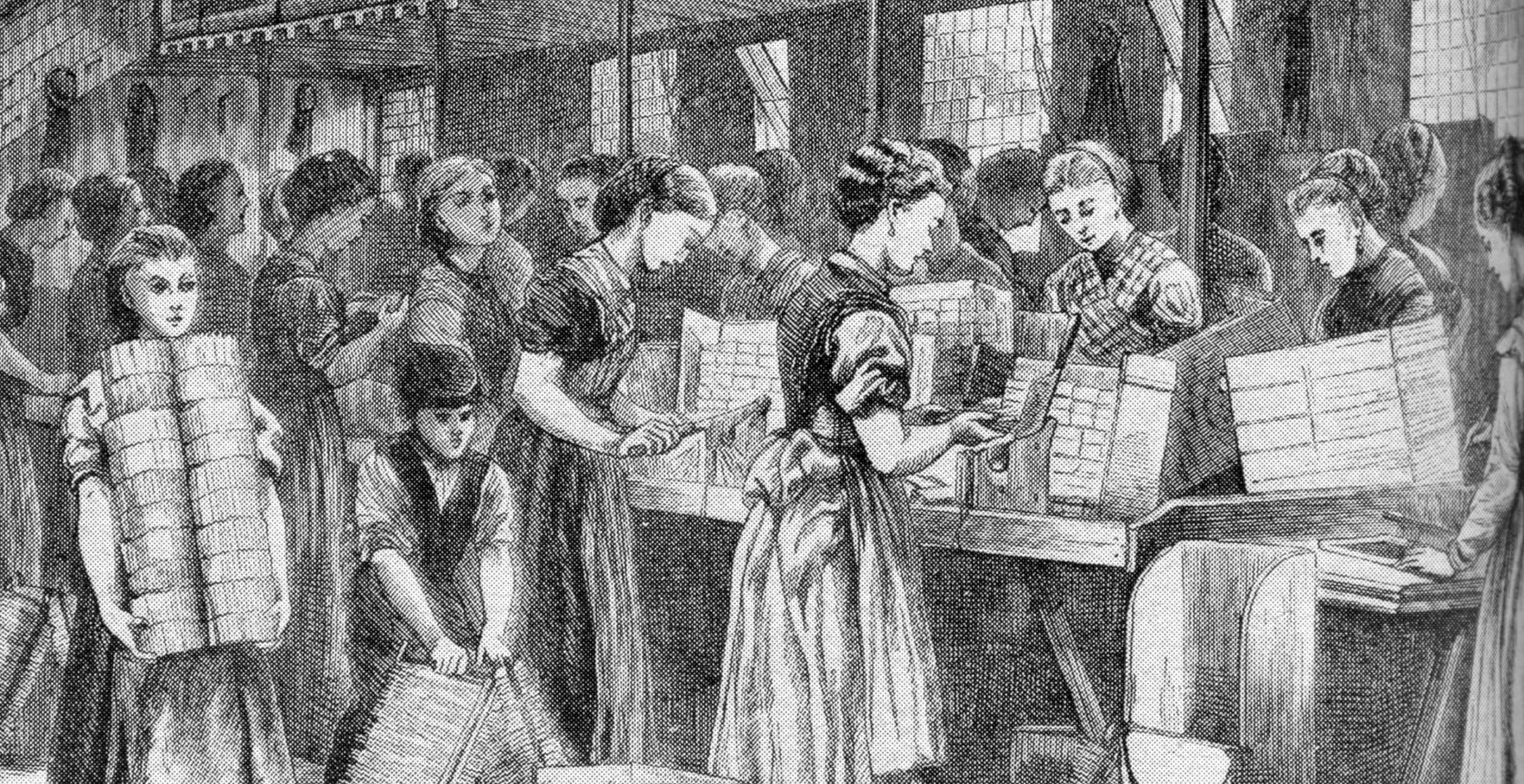
This historic development dates back to the late-nineteenth century in London’s East End, an area inhabited by the very poor, with unsanitary living conditions and rife with disease and malnourishment. This area also provided cheap labour for the nearby factories. Among these was the Byrant and May Match Company. The company employed young girls (starting as early as age 13) who worked, standing on their feet, for 14 hours a day, for very meagre wages from which they had to also feed, clothe and house themselves. Their earnings were further cut by fines and deductions for small mistakes such as leaving a match on the work bench. The girls who were forced to work as they came from large and poor families, had hardly anything left to take home. The girls also suffered abuse at the hands of the foremen. Over and above the economic exploitation, was the hazardous work environment.  

The production of match sticks involved dipping the sticks, made from poplar or pine wood, into a solution made up of many ingredients including phosphorus, antimony sulphide and potassium chlorate. Within this mixture, it was the white phosphorus that was extremely hazardous for bones and lungs. Inhaling it would cause toothaches, and in the long run, a condition called “phossy jaw” an extremely painful type of bone cancer leading to horrendous disfiguration of the face.

Matchgirls strike work!

The Company employed around 1400 such women and made huge profits, even as they managed to circumvent some of the basic labour rules of the time. It was fully aware of the impact of phossy jaw but if anyone complained, they simply instructed them to have the tooth extracted. While discontent simmered within the workers, there was little that the girls could do to change the situation; but the glowing embers were getting hotter; until a spark ignited the matches.

Henry Burrows a social activist and Theosophist, and a close friend of Annie Besant, had heard rumours about the work conditions in the match factory. He first made contact with some of the girls who worked in the factory, and Annie Besant met many of them and heard from them about their appalling work conditions. This prompted her to write an article about this titled White Slavery in London. The article was published on 23 June 1888 in a weekly magazine called The Link which was published by Annie Besant.  

The powerful matchstick industry had never been challenged like this before, it was outraged, and promptly denied everything. Bryant and May threatened to sue Annie Besant for libel and demanded that their employees sign a statement claiming that  the article was untrue. They refused. The company retaliated by sacking one of the workers who they accused of being ring leader. This was the final straw for the Match girls. And so it was that on 5th July 1888, 200 girls and women downed their tools walked out. They marched to the office of The Link and their representatives met Annie Besant. Mrs Besant did not agree with the strike action in principle but she agreed to help them. Her leadership helped to give the girls direction and organization. The ripples spread quickly, and soon about 1,400 workers had walked out in sympathy. 50 girls visited Parliament, to describe their grievances to MPs “in their own words”.

Besant and Burrows proved crucial in organising the campaign which led the women through the streets whilst setting out their demands for an increase in pay and better working conditions. Such a display of defiance against a powerful industrial lobby was met with great public sympathy, and donations for the cause started pouring in. The empathy demonstrated for the plight of working women was also a sign of changing times.

The factory management saw that the bad publicity could harm their interests and they had no choice but to offer improvements in wages and working conditions. This agreement represented a resounding success for the Match girls, who returned to work the next day. Although it would not be until 1908 that the House of Commons finally passed an act prohibiting the use of the deadly white phosphorous in matches.

An important outcome of the Match girls’ strike was the creation of a union for the women to join; this was extremely rare as female workers did not tend to be unionised even into the next century. The Union of Women Matchmakers, which lasted until 1903, was extremely significant, considering that even as late as 1914, less than 10 per cent of female workers were unionised. It also meant that the organisation of the workers did not just disappear after the strike, as had been the case previously.


The Match girls’ success gave the working class a new awareness of their power, and unions sprang up in industries where unskilled workers had previously remained unorganized. As The Link wrote on 4 August 1888 the strike “put new heart into all who are struggling for liberty and justice”. The next year saw the Great Dock Strike, where many of the dock workers were male members of the families of the Match girls. Ultimately, these two strikes led to the formation and growth of the labour movement and Labour Party itself. 

–Mamata

Guts and Gore

Last week we looked at the millions of microscopic life-forms which live within us and which help not just our digestive processes, but contribute overall to our health and well-being.

This week, here is a bizarre story of how we started to get insights into our digestive system (quite literally, as you will see).

The year was 1822, the place Mackinac Island, near the Canada-US border. A young fur-trader called Alexis St. Martin got shot in the stomach—how and why and by whom is not clear, but probably an accident.

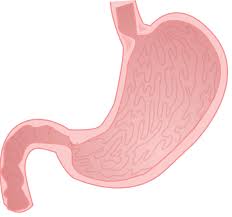
He was treated by Dr. William Beaumont, a US Army surgeon who was stationed at a nearby army post. St Martin had a hole in his stomach where he was shot. The treatment seemed to work and he recovered, but the hole did not close. For the first two weeks or so, whatever he ate, came out through the. But after that, though the hole was still open, the food did not come out and his digestive system seemed to be working normally. And though the stomach-wound healed, there was still a hole there—a window to his innards. Since sstomach acids are very strong, they essentially disinfected the wound from the inside out, and so it was safe to not sew it up.

Dr. Beaumont saw this as a miraculous opportunity to study the digestive system—he could literally look into the stomach as it worked. He paid St Martin to work in his house doing domestic chores with the understanding that he would allow the doctor to carry out experiments. St Martin was not happy, but did not have much choice.

Dr. Beaumont carried out a variety of experiments. For instance, he often watched the digestion happening in St Martin’s stomach after he ate. Sometimes, he let him eat and then retrieved the contents of the stomach later through the hole to see how much digestion had taken place. He would put food in a mesh bag and then dip it into St Martin’s stomach and take it out after some time. He even licked the inside of St. Martin’s stomach and found that the acid taste manifested only when the stomach started to digest food.

Over the next several years, Beaumont observed and recorded everything that went into St. Martin’s stomach. He took samples of gastric secretions and sent them to chemists for analysis.

Gory though it sounds, and medical ethics of today would probably never allow these kind of experiments, it has to be said that Dr. Beaumont’s work laid the foundation for modern ways of studying and understanding physiology. His work helped us to understand how the basic process of digestion actually occurs.

Weirdly enough, even today, in the US and some other parts of the world, the study of the digestion in cows is undertaken by deliberately making a hole or cannula in a cow’s stomach. The hole is fitted with a cannula which acts as a porthole-like device that allows access to the stomach of the cow, to perform research and analysis of the digestive system. These are called cannulated or fistulated cows. Apart from research, this also helps sick cows by allowing vets to insert healthy microbes into the sick cow’s gut. But I wonder if there can’t be ways just to give the sick cow medicines orally. Making a permanent hole in a cow’s stomach doesn’t seem a very nice thing to do! In fact, any animal rights groups find the practice objectionable, and are campaigning against it.

Here is to the spirit of science, of exploration and discovery. But strongly rooted in ethics!

–Meena

It Takes Guts!

‘Gut Ecology’ is the name of a book brought out by the St. Marks Academic Institute which is dedicated to ‘advancing scientific knowledge of colorectal disorders’. I think the book, which features topics like ‘The gut microflora: traditional and molecular identification techniques’, and ‘The ‘unculturables’’ deserves to be a bestseller. Not that I would understand the contents, but I have to admire the dedication and scientific spirit it takes to spend a lifetime researching and writing on such topics! Guts indeed!

But what exactly would the book be about? Let’s break it down. Ecology is the study of organisms and how they interact with the environment around them. An ecologist studies the relationship between living things and their habitats. ‘Gut’ is commonly used to refer to the stomach, entrails, parts or the whole of the digestive tract. So a ‘gut ecologist’ would study the insides of our digestive tract to understand the micro-organisms (collectively referred to as gut microbiota) that live there, and how they interact in our digestive system.

For very long, the presence and role of micro-organisms in our body was not known. It was in the 1670s and ‘80s when Antoine van Leeuwenhoek started using his newly developed handcrafted microscopes that scientists started studying them. Leeuwenhoek described and illustrated five different kinds of bacteria present in his own mouth and that of others, in a letter he wrote to the Royal Society of London in 1683. He later also compared his own oral and faecal microbiota, and proved that there are differences in micro-organisms in body sites. (See why I say it takes guts to be in this field!)

Gut bacteria
Gut bacteria

Now we know that the human gastrointestinal tract—from mouth to anus– is divided into sections, and each provides a different environment and different kinds of micro-organisms thrive in each section. In all, about 100 trillion micro-organisms (most of them bacteria, but also viruses, fungi, and protozoa) exist in the human gastrointestinal tract. In fact, the colon contains the highest microbial density recorded in any habitat on Earth, representing between 300 and 1000 different species. There are actually about as many bacterial cells in our bodies as there are human cells, and they contribute over a kilogram to our weight! So Stewart Brand, the American writer, environmentalist and editor of the highly influential Whole Earth Catalogue was right when he said, ‘If you don’t like bacteria, you’re on the wrong planet.’

These organisms are such an integral part of the functioning of the human body that they are sometimes called ‘the forgotten organ’.

A foetus has no bacteria at all in the system. Through the process of birth, it picks up a good number, and then in the first few years of its life, the child picks up a huge number of different bacteria from its environment. Fascinatingly, like fingerprints, a person’s gut microbiota composition is unique to each individual.

These micro-organisms influence our energy metabolism and many other areas of human health, from immunity and the progress of diseases, to appetite, to nutrition uptake, and even personality! They therefore greatly influence our health, well-being, weight etc.

External factors influence the composition of these micro-biota but by changing our diet or fasting can change the composition of these life-forms in our systems, in a matter of days or weeks, and this is why it is important to pay attention to what we eat. This is also the reason why medical science is increasing focus on  prebiotics and probiotics. If like me, you are confused about the two terms, here are simple definitions:

* Probiotics are foods or supplements that contain live microorganisms intended to maintain or improve the “good” bacteria (normal microflora) in the body.

* Prebiotics are foods (typically high-fiber foods) that act as food for human microflora. Prebiotics are used with the intention of improving the balance of these microorganisms.

Kudos to the scientists who work so hard to help us understand our bodies and their functioning, ready to spend their lives poring over microscopes to figure out how we can live healthier and better!

–Meena

The Conviction to Refuse an Honour

The Ramon Magsaysay Award is undoubtedly a high honour and prestige. Instituted in 1957 (with the first awards given in 1958), it is called the Noble Peace Prize of Asia. It ‘celebrates greatness of spirit and transformative leadership in Asia.’ It has till date, been conferred on 300 individuals and organizations  ‘whose selfless service has offered their societies, Asia, and the world successful solutions to some of the most challenging problems of human development.’ The awardees are selected by the Ramon Magsaysay Foundation trustees who call for nominations from a pool of international confidential nominators. The nominations go through a rigorous process of evaluation by the trustees.  

Awardees include Vinobha Bhave, the Dalai Lama, Mother Teresa, Verghese Kurian, Tribhuvandas Patel, The Peace Corps in Asia, Jayaprakash Narayan, Muhammad Yunus….the list of luminaries is distinguished indeed!

KK Shailaja
KK Shailaja

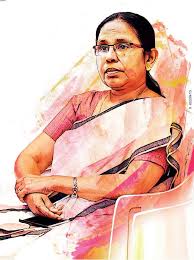
This year, Kerala’s former health minister KK Shailaja (called Shailaja Teacher) was one of those selected. This was in recognition of her stellar performance as health minister of Kerala, especially the management of Covid-19 in Kerala. She was one of the first people world-wide to recognize the potential seriousness of the virus, and ensured that her state was ready to combat it.

When she got the news of her award, Shailaja informed her party, the CPI(M). They deliberated on this and asked her to refuse it. Being a loyal party worker, she politely wrote to the Ramon Magsaysay Foundation refusing the award, saying that the battle against Covid was a collective effort, and that she was not individually responsible for it, and thus could not accept the award.

Controversy has raged since then. Was it jealousy on the part of some of her senior colleagues that she was getting such a high-profile recognition? It has been perceived for some time now that some of the party leaders in Kerala fear her success and her being highlighted on the international stage, and that is why she was refused a second term as Minister. Was it misogyny? That some people will do anything to bring down a successful women?

Well, maybe a bit of both.

But there is more to it. In fact, deep ideological reasons.

The Ramon Magsaysay Award was instituted in memory of Ramon Magsaysay, former President of the Philippines, and his commitment to integrity in governance, courageous service to the people, and pragmatic idealism within a democratic society.And indeed Ramon Magsaysay did live by these ideals. He did a lot for the people of his country, cleaned up the administration and made government responsive. He created the Presidential Complaints and Action Committee, a body which heard grievances of the public and recommended remedial actions.  He established the National Resettlement and Rehabilitation Administration (NARRA) which redistributed thousands of acres of lands to the landless. He set up the Agricultural Credit and Cooperative Financing Administration (ACCFA) to make available rural loans to small farmers and share tenants loans at low interest rates.He played a significant role in regional affairs too. Magsaysay’s presidency was considered one of the cleanest and most corruption-free in Philippine history.

So he was a tall leader, no doubt. But the explanation for Shailaja’s refusal of an award names after him goes a little further back in time. In early August 1950, using his own experiences in guerrilla warfare during World War II he was the strategist behind then-President Quirino’s plan to fight the Communist guerrillas. He led this attack when he was named Secretary of National Defence in September 1950. All his life, he opposed communism not only in speeches and forums, but also on the ground through military action.  All through his years in power, he was a close friend, ally and supporter of the United States whose foremost enemy was communism.  All his life, Magsaysay was a vocal spokesman against communists. 

So that is one part of it.

Coming to the award itself. The Ramon Magsaysay award was instituted through an endowment from the Rockefellers Brothers Fund. The Rockefellers were staunchly anti-communist. For instance, as Assistant Secretary of State, Nelson Rockefeller played a big role in the establishment of NATO, its stance against the Soviet Union, and the resolution of NATO members to defeat communism and its spread. The Rockefellers also had a big hand in the shaping of the UN and its stance against communisim.

So the people who instituted the award as well as the man whom it commemorates were dead against communism.

To me, it makes sense why Ms. Shailaja, a life-long member of the Communist Party of India (Marxist), with a deep committment to the communist ideology, refused the award. I am now a bigger fan than ever!

KK Sahilaja has a host of awards and recongitions from across the world, and awards probably do not matter to her.

But I hope that she will be able to play a bigger part in the management of public affairs not only in her state but the country too. We would be the poorer if she cannot!

–Meena

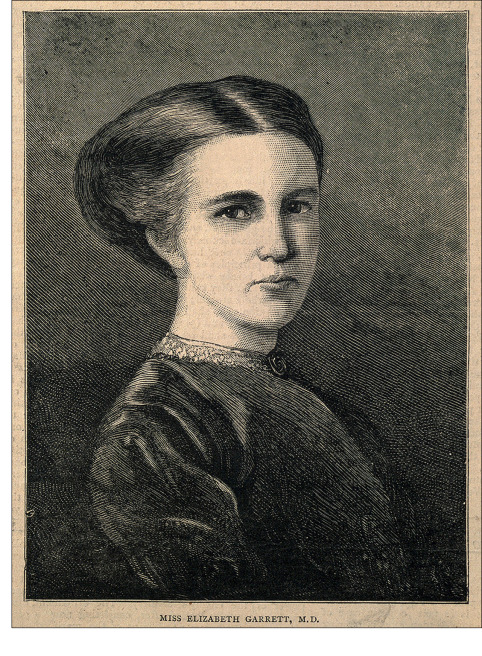
Elizabeth Garrett Anderson: Path-breaking Victorian

This past week I was reading about the grand Platinum Jubilee celebrations to mark 70 years on the throne of Queen Elizabeth II of the United Kingdom. This is the longest reign of a monarch of Great Britain; the closest being the rule of Queen Victoria who reigned for 64 years—a period called the Victorian Era.

Coincidentally the same week I read two accounts about women in the Victorian Era, and could not help but wonder how much things have changed. The first was fiction–a ‘murder mystery’ which featured some women who attempted to defy the existing norms,  and the other was the true story of a woman who was a pathbreaker in changing how the role and status of women was perceived in that era. 

The reign of Queen Victoria was an extended period of peace, prosperity, progress, and essential social reforms for Britain; however, it was also characterized by widespread poverty, injustice, and social discrimination. There was a very strictly defined ‘class system’ that determined every aspect of social life.

There was also a very strong perception (and application) of gender roles. A woman’s place was clearly considered to be in the home, and domesticity and motherhood were considered by society at large to be a sufficient emotional fulfilment for females. Even the upper class women who were educated to some degree by private tutors were not encouraged to use their minds in any way that would distract them from their assigned roles. A telling paragraph in the novel: “Did you read it in a newspaper?” “Oh no” she lied immediately. She had not yet forgotten that ladies of good society would not do such a thing. Reading the newspaper overheated the blood; it as considered bad for health to excite the mind so much, not to mention, bad for the morals.

The rights which the women enjoyed were similar to those which were enjoyed by young children whereby they were not allowed to vote, sue or even own property. But these rights were to be questioned, and changes demanded by a group of women who pioneered the suffrage movement. Among these was Elizabeth Garrett Anderson, who broke many glass ceilings in her day.

Elizabeth Garrett was born on 9 June 1836 in Whitechapel, London, to Newson Garrett and his wife Louisa; the second of twelve children. Her father was originally a pawn broker who went on to become a successful businessman. The family moved to Aldeburgh in Suffolk when Elizabeth was very young. As a child, Elizabeth got her basic education from her mother and a governess. When she was 13 she was sent to a private boarding school near London where she was taught languages and literature, but not sciences and math. Unusual for the time, her parents encouraged their daughters to travel and pursue their ambitions. After completing school Elizabeth, although engaged in domestic duties, continued to study Latin and arithmetic, and read widely. It was accepted that she would marry and live the life of a lady.

When she was 22, a group of women started a magazine for women, English Woman’s Journal. Among these women was one Emily Davies, who became a dear friend. She invited Elizabeth to hear a lecture given by Elizabeth Blackwell, the first American woman physician. Elizabeth was so inspired by her namesake and her lecture that she decided that she wanted to become a doctor. A female studying medicine was unheard of at that time. But her father was supportive. She was denied admission in any medical school, so she enrolled as a nursing student at Middlesex Hospital and attended classes intended for male doctors. She also employed a tutor to study anatomy and physiology. But after complaints from the other students she was barred from the hospital; however Elizabeth continued to study on her own. She was determined to secure a qualifying diploma that could entitle her to put her name on the Medical Register. Unless a person’s name was listed on the Medical Register, that person could not legally practice medicine in England.

Elizabeth found a loophole: she registered to pursue a degree of Licentiate of the Society of Apothecaries which did not specifically forbid women from taking their examinations. In 1865 she passed their exams and gained a certificate which enabled her to practise as a doctor. This was a shocking step; the Society subsequently changed its rules to prevent other women entering the profession this way. However Elizabeth obtained her licence to practise medicine in 1869; the first woman in Britain qualified to do so.

Even though she now had a licence, Elizabeth still could not get a medical post in any hospital. With her father’s financial backing, in 1866 she opened her own practice in London. A little later, towards her goal to establish a hospital for women staffed by women, Elizabeth set up St. Mary’s Dispensary for Women and Children. Initially people were reluctant to consult a female physician, but an outbreak of cholera saw patients teeming to her clinic.

It was during this period that Elizabeth was also getting engaged with the issue of women’s rights. Her younger sister Millicent Fawcett was active in this growing movement; the two sisters with a group of like-minded women set up a discussion group that strongly influenced the battle for women’s education and empowerment.

Although Elizabeth had already obtained many ‘firsts’ she was still determined to achieve her original dream of a formal degree in medicine. So she taught herself French and successfully earned her MD degree from the University of Paris in 1870. The British Medical Register refused to recognize her qualification.

In 1870 Elizabeth became Visiting Medical Officer for the East London Hospital for Children. In 1872 Elizabeth transformed the St Mary’s Dispensary for Women and Children into the New Hospital for Women in London. The hospital specialised in women’s health and all of the staff were women. It was renamed the Elizabeth Garrett Anderson Hospital in 1918 and continued to appoint only female staff until the 1980s. Elizabeth also co-founded the London School of Medicine for Women, the first place in Britain specifically intended to train women as doctors.

In 1871 Elizabeth married a businessman James Anderson, in a  wedding ceremony in which she did not take a ‘vow of obedience’;  she continued with her pioneering work even as she ran her own household and brought up her three children. 

Elizabeth’s determination paved the way for other women.  In 1876 an act was passed permitting women to enter the medical professions and the Medical Register. Today over 48 per cent of licenced doctors in UK are women.

Elizabeth continued to lecture at the London School of Medicine for Women for 23 years, and from 1883 she was also the School’s Dean. She was Senior Physician of the New Hospital of Women for 24 years and in 1896–97 she was President of the East Anglian branch of the British Medical Association. She also found time to write on medical topics, including a textbook for students.

In 1902, Elizabeth retired from her medical career and moved to the town of Aldeburgh in Suffolk. In 1908, at the age of 72, she became the Mayor of Aldeburgh; she was the first female mayor in England. In her final years, Elizabeth was a prominent member of the women’s movement and campaigned for equal rights for women. Elizabeth Garrett Anderson died in Aldeburgh on 17 December 1917 at the age of 81, just two months before the Representation of People Act extended the right to vote to women over 30.

Elizabeth Garrett Anderson, with quiet determination and persistence, opened many doors, and paved the path that women take for granted today. 

–Mamata

Doctor Without Borders: Jonathan Kaplan

Last week I wrote about a young doctor who chose to use his medical training to serve people in war situations. This was Dr Kotnis who worked with passion and dedication on the war front in China, almost a century ago. Every generation and every period of history has examples of such professionals who voluntarily choose to serve in some of the most difficult and dangerous situations.

Doctors without Borders

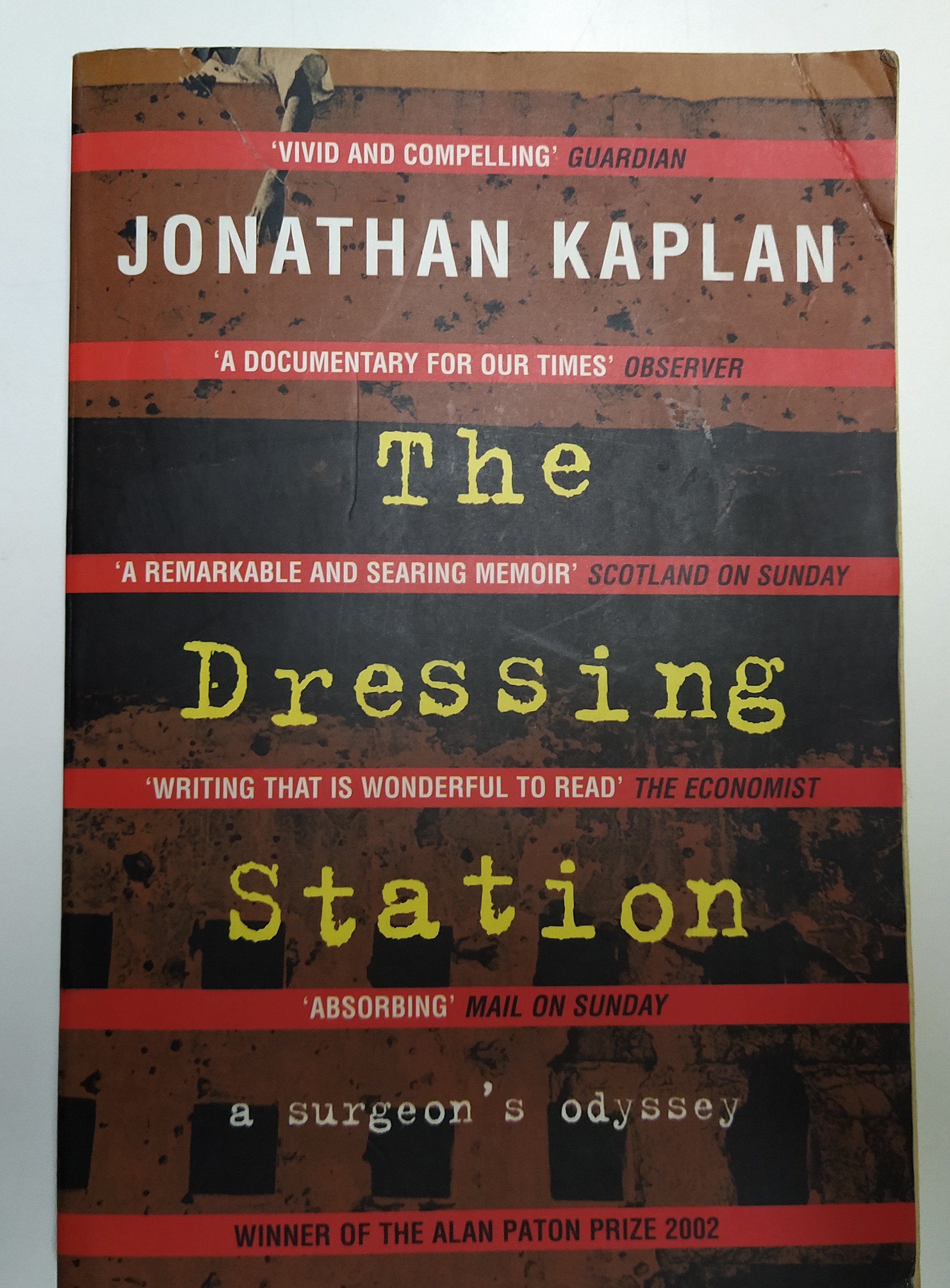
I recently read a fascinating account by such a doctor in our own times. This is Dr Jonathan Kaplan who began his medical career, as do all doctors, after long and intensive years of study. Dr Kaplan graduated from medical school in South Africa and spent the next ten years acquiring specialist qualifications and training as a general surgeon, and super-specialization in vascular surgery in hospitals in the UK and USA. This equipped him to move on to become a “consultant” with a comfortable and prosperous practice. In his own words:

Master of Surgery. The title had a ring of Zen about it, as though I was now a sage of some martial art, a mystic bladesman. I had trodden the path of professional dedication, served the necessary years at the required levels of experience and responsibility, paid all my dues to date. A consultant post—the reward for all this industry—lay ahead, with attendant success and security. But I found myself beset by an odd emptiness…

This sense of emptiness led Jonathan to choose otherwise. He became a “medical vagabond” as he describes himself. He spent many years as a volunteer surgeon in some of the world’s most dangerous war zones in the 1990s. He attended to the casualties of apartheid in Cape Town; worked on the front line treating Kurdish fighters during the uprising at the end of the Gulf War, and in a part of Burma’s Shan state under attack by the Burmese army; in Mozambique during the civil war, and in Eritrea at the time of the Ethiopian offensive in 2000.

Besides the blood, sweat and tears of the battlefield, the adventurous Jonathan Kaplan was always looking for new challenges. In his own words Working as a doctor in war zones was voluntary and unpaid. My hospital career looked increasingly uncertain—my curriculum vitae was a curious patchwork of jobs that shocked the sensibilities of staid consultants—and I was considering a full-time post in accident and emergency medicine where I hoped a varied resume might be less provocative to the interview committees.

But that was not to be. A variety of chance offers led to interesting stints where Dr Kaplan saw different sides to the realities of illness and emergency care. Among these was being an air ambulance doctor, and a resident doctor on a cruise liner. He also became deeply engaged in an investigation on the impacts of mercury poisoning in a part of Brazil.  

For most of his life Jonathan Kaplan worked tirelessly, and with minimal resources, amidst the most challenging conditions and heart-rending human tragedy, using every skill at his disposal to treat the wounded, and save lives. At the same time he also meticulously documented the politics, struggles, and universal human dilemmas. These have been published in a book titled The Dressing Station.

The book is a fascinating read, that vividly describes some of the most tragic and devastating impacts of war on human beings, alongside some highly technical details of surgery, and the contradictions of war-zone realities. But Jonathan is much more than a reporter. He also shares his angst and his internal struggles to maintain his humanity even under the most inhuman circumstances. He wonders about human life, and the role that doctors have to play in the human drama between birth and death. That is what makes his writing both eye-opening, as well as thought-provoking, not just for medical practitioners, but for every one of us who are on the other side of the ‘consulting table’.

As he shares: I have practised medicine in diverse fields: as a hospital surgeon, a flying doctor, a ship’s medical officer. I have operated on wounded straight off the battlefield, treated people with rich stains of tropical disease raging in their bloodstreams, and tried to help those affected by occupational illness from industrial toxins or work place stress. I have run research programmes funded by corporate finance—that met the needs of the shareholders before they benefitted any patients—and I’ve cared for children wasted by diseases of famine and war. Like most doctors I have seen my craft used and abused; been part of its successes and witnessed its failings. It is by the means of this unforgiving arena that we struggle to define ourselves.

He further ponders on his work and on life: No clinician can give an objective account of that work: the intersection between doctor and patient is mutual and intimate, and in the end comes down to something between us that is a fragile thing, as fragile as life. All we can do is the best we can in the war against death and against despair, including our own. For at its extreme the practice of medicine is a succession of front line, and each victory is only a temporary respite.

Dr Kaplan continues to take periodic assignments as a volunteer surgeon in conflict zones amidst UK hospital surgery, film-making, academic teaching, and working as a photographer, and as an advisor on medical TV dramas. He has also proposed, investigated, researched, produced and directed documentaries on health, development and environmental issues for several TV channels.

I picked up The Dressing Station by chance, not having earlier heard of Jonathan Kaplan. It was a gripping read. I look forward to reading his second book Contact Wounds.

–Mamata