The Healing Touch

Almost all of us have been, at one time or another, a patient or the caregiver to a patient. And perhaps one of the enduring memories (good or bad) of that experience may be that of the doctor who treated. From the days of Hippocrates, known as the Father of Medicine, the ‘doctor’ is one of the key actors in the story of life and death.

Society of Bedside Medicine Logo

There was a time, not all that long ago, when the “family doctor” was the first and last word in attending to every member of the family, from babies to the elders. Most of these are still remembered, not so much for their specialized skills, as for their comforting presence and availability, and their personal engagement with the patient. In most cases, the patient was known to the doctor from childhood onwards. Thus the diagnosis and treatment was closely linked not just to the physical, but also to the psychological aspects. Often it was ‘much less about specific diagnosis than it was about knowing the person in front of you and the illness they have, and sometimes the outcome depended much less on the nature of the illness than on the nature of the patient.’

Over time, with advances in the science of medicine, and the new developments in technology that enables more accuracy and depth of diagnostic tests, the medical profession started becoming more and more dependent on these tools. So much so, that in recent times, the first visit to the doctor results in returning with a list of “tests”, based on the results of which, the doctor would begin, at the next visit, to even “look at” the patient, let alone proceed further in diagnosis and treatment. No doubt these advances have led to a deeper understanding of disease and medical conditions, and have hugely benefitted their treatment.  But such advances have made modern medicine so high-tech, research-oriented, data-driven and time-crunched, that somewhere along the way, this has led to the ebbing of the “human touch”, as it were, in the relationship between doctor and patient.

There is however, a section of the medical profession which is promoting the revival of the practice of this ‘human touch’. They believe that physical examination is a key to developing trust between patient and physician. Dr Abraham Verghese is a passionate and leading advocate of this school of thought.

Dr Abraham Verghese is perhaps better known as an author. He became known for his book Cutting for Stone, and his recent book The Covenant of Water has been acclaimed. What is perhaps less widely known is that Dr Verghese is a practicing physician and teacher of medicine, who strongly endorses as well as practices what he calls ‘the ritual of the physical exam’ as the most important aspect of developing trust between patient and physician. He believes that the physical exam is a humanistic ritual that builds trust and creates the crucial bond between physician and patient—a bond that is at the core of quality health care

Abraham Verghese started his medical education in Ethiopia and completed it in India at the Madras Medical College, both places which followed the British system of medical education that put great emphasis on learning to read the body as a text. In an interview he recalled that he had the most wonderful teachers who were incredibly skilled at reading the body as a text. He feel that this is a dying art today. We are getting so enamoured with the data and the images, the CAT scan and the MRI. But sometimes we can lose sight of the human being. …When what patients really need is something simpler and they need to be listened to, they need to be cared for. 

Even as he follows this practice as a sacred ritual, Dr Verghese has been working to institutionalize this in the United States where he has worked for several decades. He founded the Center for Medical Humanities and Ethics at the University of Texas, San Antonio where the motto was ‘Imagining the Patient’s Experience’. He is now a  professor for the Theory and Practice of Medicine at Stanford, where his old-fashioned weekly rounds have inspired a new initiative, the Stanford 25, teaching 25 fundamental physical exam skills and their diagnostic benefits to interns. Verghese feels that doctors spend an astonishing among of time in front of the monitor charting in the electronic medical record, moving patients through the system, examining tests results. In short, bedside skills have plummeted in inverse proportion to the available technology.

The objective of this initiative is to emphasize and improve bedside examination skills in students and residents in internal medicine, and advocating for a similar national effort at all medical schools. Verghese himself teaches students at patients’ bedsides instead of around a table. As he says: I still find the best way to understand a hospitalized patient is not by staring at the computer screen but by going to see the patient; it’s only at the bedside that I can figure out what is important. A part of you has to be objective and yet you have to sort of try to imagine what the patient is going through.

This approach has sparked a movement of Bedside Medicine which believes that the bedside encounter between a patient and physician is central to the practice of medicine. There is also The Society of Bedside Medicine, a mission-based global community of clinician educators dedicated to bedside teaching and improving physical examination and diagnostic skills. Its purpose is to foster a culture of Bedside Medicine through deliberate practice and teaching to encourage innovation in education and research on the role of the clinical encounter in 21st-century medicine.

For many of us who wish for the return to the ‘family doctor’ in an age when this is almost an extinct species, the Bedside Medicine movement spells a ray of hope. This week is celebrated in America as National Physicians Week. In India also we mark Doctor’s Day on 1 July. While this day is marked by thanking doctors, it may also be a good time for physicians to remind themselves of the sacred bonds between the patient and the healer. In the words of Dr. Verghese At its very nature, the experience of medicine, the experience of being a patient, is very much a human experience—patients require the best of our science, but they don’t stop requiring the Samaritan function.

–Mamata
Sleepy Time…World Sleep Day

We who sleep well, generally take sleep for granted. But it is when we cannot sleep that we begin to appreciate how important it is. As adults, at some point of time, we all probably have experienced short-term insomnia which can last for days or weeks and is generally caused by or a distressing event. But some of us suffer from long-term insomnia, also called chronic insomnia.

The necessity of sleep, and what the lack of it can do to us, cannot be underestimated. Doing research on this subject is difficult—after all, we cannot deprive people of sleep to check what happens to them. But the general observation is that after 24 hours without sleep, cognitive effects similar to having a blood alcohol concentration of 0.10% (which is higher than the legal limit for driving) can be seen. Anxiety and agitation set in. Performance on tasks declines, making people more prone to errors. There may be changes to visual perception. After 48 hours without sleep, people may begin to have blurry or double vision, which may progress into distortions of reality and hallucinations. After 72 hours without sleep, a person may begin to slur their speech or walk unsteadily. Hallucinations become increasingly frequent and complex. As people near 120 hours without sleep, they may experience a rapid and severe decline in mental health. This may include symptoms of psychosis, where a person becomes detached from reality and has complex delusions and displays violent behaviour. (https://www.sleepfoundation.org/)

So it is not at all out of place to have a World Sleep Day. This is celebrated on the Friday before the Spring Vernal Equinox, and falls on March 15th this year. It is organized by the World Sleep Day Committee of the World Sleep Day Society, to emphasize the importance of sleep and address common sleep-related issues that many people suffer from.

Human beings generally need between seven and nine hours of sleep, but sleep requirements vary widely across species, as do sleep habits. The general trend is that herbivores who are the prey species not only sleep less in terms of absolute time, but they sleep for shorter periods at a time. Not surprising, considering predators may attack them anytime. And in general, larger animals need less sleep than smaller ones. This is because larger animals have to spend longer time in searching for and eating food.

And to lighten the mood, here are some interesting animal-sleep facts: Impalas specially male impalas hardly sleep, having to be vigilant about predator attacks at all times. Walruses can go for 84 hours without sleep. When they do sleep, they can sleep anywhere on land, on the bottom of the ocean, even floating.    Elephants sleep only 3-4 hours per night. They sleep standing, leaning on a tree or termite mound, or lying on their side. If they lie on their side their sleep is less than 30 minutes, as otherwise their internal organs may get crushed.

An intriguing question is, do migrating birds sleep and if so how? Many birds are on the wing for weeks or months, and they fly day and night, day after day. Then what about sleep? Well, studies on frigate birds have found that they sleep even as they fly! Their power-naps can be as short as 10 seconds! They also have a technique whereby only half their brain sleeps while the other half remains functional. But not all migratory birds do this—many actually take pit stops to eat and sleep.

Well, these species are lucky to be functional with so little sleep, but humans aren’t. So on this Sleep Day, resolved not to take sleep lightly. Get the minimum quota. And if you can’t, talk to a sleep specialist.

Happy zzzzzz…

–Meena

Fighting the Disease, Fighting the Stigma: Marking Leprosy Day

Humanity spent a few years in fear of Covid. A few decades were spent in fear of AIDS. But millennia have been spent in fear of leprosy.

Leprosy is oft-mentioned in texts of yore. In Hindu mythology, it is often the result of a curse. Samba, son of Krishna and Jambavati, was cursed with the disease by his own father for constantly harassing his stepmothers (even otherwise, he seems to have been a pretty painful character). Later, when Krishna learnt that Samba was himself led into the misdemeanor by Narada, he wanted to take back the curse, but could not. Krishna advised Samba to pray to the Sun God for a cure. Samba did so—in fact, the Sun Temple at Konark and Multan (the temple does not exist and its exact location is unknown, but may have been in present-day Pakistan) are supposed to have been built by him. As a result of his devotions, he was cured.

The tale of Reunka is a fairly typical misogynistic one. She was the devoted wife of Sage Jamadagni, cursed with leprosy by her husband for a momentary lapse—for a moment being attracted to the Gandharva King. She was advised to bathe in Jogala Bhavi a nearby lake, and was cured. But sadly, when she returned home, her husband was still furious, and commanded his sons to kill her. The first four refused and were cursed by their father to die, but the fifth, Parashuram (yes, he who was an Avatar), obeyed his father. Jamadagni, pleased with Parashuram, granted him a boon. Good sense prevailed and Parashuram begged for the revival of his mother and brothers. A repentant Jamadagni is supposed to have foresworn anger, and lived happily with his wife ever after.

Leprosy also plays a key role in the Mahabharatha. Shantanu, father of Bhisma, Chitrangada and Vishitravirya came to the throne because his elder brother Devapi had leprosy. If it had not been for Shantanu’s attraction first to Ganga and then to Satyavati, the Mahabharat war may never have taken place.

Islamic and Biblical references to leprosy also abound, and Jesus is supposed to have cured the disease with his touch.

Through the ages, leprosy was feared as a curse of the Gods, and the only salvation was a boon from them. The social ostracism and rejection by friends and family was as much a suffering as the disease itself.

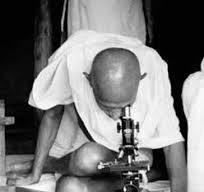
Gandhiji Leprosy
Gandhiji viewing what is presumed to be Mycobacterium leprae

In the last few centuries, many brave souls have worked hard for the relief of these sufferings. Gandhiji was at the forefront of the fight against the fear of leprosy. Pictures of him tending to Shri Parchure Sastry, a learned man whom Gandhiji respected very much, are often seen. Sastry even made his home in Sewagram with the agreement of all the Ashram inmates.

Vinobha Bhave was another Gandhian leader who worked in this field. He and Manoharji Diwan established Kushthadham (Leprosy Centre) at Dattapur in 1936.

And of course, the selfless work of Baba Amte and his wife Sadhantai, is legendary. He was a Gandhian and active in the freedom struggle. But how he came to leprosy work is interesting. He encountered a leprosy patient one day, and it is the fear and revulsion he felt that led to deep introspection, and the decision to devote his life to this work. He not only wanted to help the patients, but also create a society free of “Mental Leprosy”, ie., the fear and misunderstandings associated with disease. He founded three ashrams for patients and devoted his life to them. The Gandhi Peace Prize and the Ramon Magsaysay award were only a few recognitions of his service.

Dr. Noshir Antia is another individual who contributed enormously to the rehabilitation of leprosy patients. He is known as the father of Plastic Surgery in India and established the first department in the country devoted to this—the Tata Department of Plastic Surgery at the J.J. Hospital in Mumbai. . His interest in this subject began when he saw the disfigurement of leprosy patients, and started to pioneer surgical techniques for correcting these. Apart from surgery, he also started research facilities to study the disease and fought against the discrimination against the sufferers of this disease, and for their rehabilitation. Dr. Antia passed away in 2007, but his legacy continues not only through the generations of doctors and surgeons trained by him, but also through the NGO he founded—the Foundation for Research in Community Health

World Leprosy Day is observed on the last Sunday of January. In India, with a slight tweak, and to mark Gandhiji’s contribution in this field, it is observed on 30 January, coinciding with his death anniversary.   

The theme for the day this year is “Beat Leprosy” which calls attention to the dual objectives of the day: to eradicate the stigma associated with leprosy and to promote the dignity of people affected by the disease.

As Vinobhaji put it, the critical thing is to beat mental leprosy—the fear of leprosy. And our experience of recent diseases has shown us that fear is not the way to react to any disease. Scientific understanding and empathy are!

–Meena

Two books which may be of interest:

‘Autobiography of a Doctor’ is Noshir Antia’s tale of his life.

‘Covenant of Water’ by Verghese Abraham has leprosy, its treatment and the social discrimination as an important theme.

Oh Sh*t!

The last few weeks have been peppered with cleaning cat-poop of the lawn. A particular cat has taken to using our garden as its favoured toilet. Now we are spraying the lawn with a suspension of coffee grounds and haven’t had an episode in the last few days. Fingers crossed.

But the whole trauma got me thinking about poop in general.

And I realized how many words there were for this. In fact, the number of synonyms for faeces is proof of human fascination for the subject.

There is wide variety of terms for poop, and though some of them are interchangeable, there are also very specific ones– for certain types of animals or species or used in certain circumstances. Here are some of them so our vocabulary in this area can go beyond shit and crap!

Faeces is the most generic term, and the word comes from the Latin word faex, meaning “dregs”. Excrement, Excreta and Stool are also fairly generic and mean the solid wast released solid waste from the bowels of a person or animal. bowels of a person or animal Ordure too is similar—the solid waste solid from the bowels of people or animals.  

Here is a look at a few other terms:

Droppings: Faeces of animals.

Dung: Solid waste from animals, especially cattle and horses

Scat: Animal faeces, particularly of wild carnivores

Spraint:  This is the dung of otters.

Fras: These are the droppings/faeces of insect larvae

Manure: Manure is organic matter that is used as fertilizer in agriculture. Most manure consists of animal faeces but may also include compost and green.

Guano: This is accumulated excrement and remains of birds, bats, and seals, valued as fertilizer. 

Worm casts: These are the excrement of worms. Earthworm casts are prized as fertilizer.

Fecal Pellets: An organic excrement, mainly of invertebrates.

Fewmets: In hunting terminology, these are the droppings of deer and other quarry animals by which a hunter identifies his targets. Another term used in hunting is Spoor which can indicate a track, a trail, a scent, or droppings especially of a wild animal

Fewments: For science fiction fans, this is the term for dragon droppings!

Coprolite: Fossilised faeces of animals that lived millions of years ago.

Paleofaeces: Ancient faeces, often found as part of archaeological excavations or surveys.

Rabbits, hares and related species produce two types of fecal pellets: hard ones, which are the real poop; and soft ones or cecotropes, which are partially digested food which they eject, and eat again!

In medicine and biology, scatology or coprology is the study of faeces.

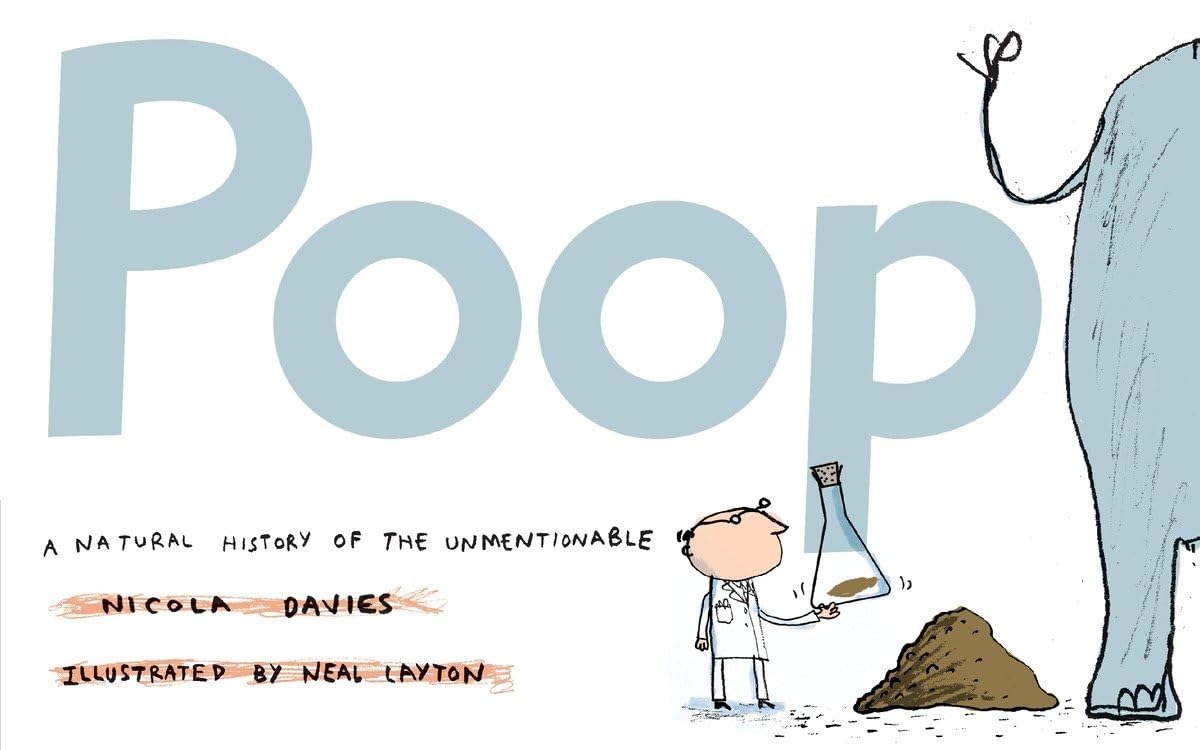
poop
Looking forward to reading this fascinating picture book for adults!

The study of such excrement is of course of use to doctors in the diagnosis of various medical conditions. It is also of great importance in obtaining an understanding of wildlife behavior, and the environment as a whole. Scat analysis can yield useful information on animal populations and their distribution across a habitat, how many males and females there are, what they are eating, their health condition and from all these, information on the health of the habitat itself can be deduced. Scat analysis is sometimes faster, easier and cheaper than many other means of studying animal populations, and it is possible to get a lot of information about animals non-invasively.  It is also possible to extract DNA from poop and this has helped identify species characteristics.

So it’s not just 4-year olds who have a fascination for this subject. Many adults make it their life’s work, and their chosen tool in getting to know more about the world!

–Meena

Cough, cough…

For the past few weeks, I was plagued by a cough. I am assured by sources that it is very good for me to cough—for instance, the Cleveland Clinic says ‘A cough is a natural reflex that is your body’s way of removing irritants from your upper (throat) and lower (lungs) airways. A cough helps your body heal and protect itself.’

I am yet to be convinced!

There are apparently many ways of classifying coughs.  One is related to how long they last. Acute coughs are those which start suddenly and last a few weeks. Sub-acute ones follow infections, and last for a month or two. Chronic coughs persist longer than 2 months. And Refractory coughs are chronic coughs which don’t respond to treatment.

Another way of classifying them is in terms of whether or not they produce mucous. Dry coughs are those which do not. Productive or wet coughs bring up phlegm or mucous.

Some coughs come on at night, and are called nocturnal or night-time coughs. Others are day-time coughs.

Some types of coughs produce distinctive sounds and indicate the underlying condition: e.g., the whooping cough where the cough sounds like a ‘whoop’ is a specific infection. A barking cough may be an indicator of croup. And when coughing is accompanied by wheezing, it may be associated with some infections or with asthma.

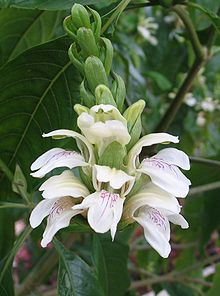
Vaska plant
Vasaka plant, native to the Indian subcontinent, forms a basis for many cough syrups

And what about treatments? Well, you can take a cough syrup, a lozenge or rub on something.

Of cough syrups also, there are different types: Suppressants or antitussives do their job by blocking your cough reflex. These are for dry coughs and that itch in the throat. Then there are Expectorants, which thin mucous and phlegm, making it easier for them to be coughed out.  There are also combination cough syrups which typically combine expectorants with decongestants and an antihistamine.

Rub-ons or topical applications include trusted household names like Amrutanjan.which has a nature-based cold relief balm. Such products usually have menthol and camphor, and applying them to the throat offers a soothing sensation in the area and relieves some of the associated pain. 

Cough drops are the tablets we keep in our mouth, which soothe our throats and give us relief from coughing. These are used to temporarily help relieve symptoms such as sore throat, throat irritation, or cough. They work by providing a cooling feeling and increasing saliva in the mouth. Home remedy equivalents are sucking on cloves or cardamoms.

There are research studies which show that actually, not many of these store-bought medications really work any better than home remedies. The good old haldi-doodh (now fashionably called Golden Latte) is a tried and tested way to soothe the throat. A kada or decoction of tulsi, black pepper, cloves and assorted spices is often effective. Ginger tea with lemon is a sure winner.

Gargling is also an effective way to manage coughs. A salt water gargle creates a sort of osmosis effect and the salt concentration draws fluids and bacteria from the mouth, Salt water gargles neutralize swelling, and pain, and help soothe the throat region. The salt water breaks up mucus and irritants in the throat. Gargling with a salt water mixture also helps neutralize the throat acids, which helps to suppress bacterial growth.

Steam inhalations help too–they help to soothe and open their nasal passages when they have a cold or sinus infection. The warm, moist air is thought to loosen mucus and relieve symptoms.

I hope you don’t have a cough. But if you do, you are probably in good company—in the US, it is apparently the top reason people see a doctor – over 30 million visits a year.

–Meena

Health Activist: Banoo Coyaji

Among the recently announced Magsaysay Awards is Dr Ravi Kannan, an Indian surgical oncologist who has revolutionized cancer treatment in Assam through people-centered health care. 

The citation for the award lauds the doctor’s ‘devotion to his profession’s highest ideals of public service, his combination of skill, commitment, and compassion in pushing the boundaries of people-centered, pro-poor health care and cancer care, and for having built, without expectation of reward, a beacon of hope for millions in the Indian state of Assam, thus setting a shining example for all.’

The Ramon Magsaysay Award, Asia’s premier prize and highest honour, recognizes greatness of spirit shown in selfless service to the peoples of Asia.

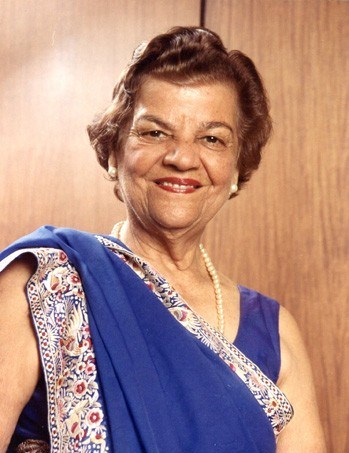
Thirty years ago this award was conferred upon another Indian doctor whose life and work reflected the same spirit that the above citation lauded. She was Dr. Banoo Jehangir Coyaji who was not only a medical practitioner, but an activist who used her profession and passion to change the lives of thousands of women in remote geographical areas.

Banoo Coyaji was born on 7 September 1917 in Bombay. She was the only child of Pestonji, a civil engineer, and Bapamai Kapadia. She spent her early childhood with her parents, but when she started schooling, her mother sent her to live with her grandparents in Pune, where she attended the Convent of Jesus and Mary. Thus Banoo grew up in a large loving household among aunts, uncles and cousins; while the family was affluent, the children were brought up to be disciplined. While many Parsis of the day were supportive of the British, Banoo’s family was nationalistic. Banoo herself was deeply influenced by Gandhiji and his philosophy.  

One of the big influences in Banoo’s life was the family doctor Edulji Coyaji who was known in Pune for treating the poor as well as the rich. It is he who encouraged the young school graduate Banoo to study medicine. Sixteen-year old Banoo joined St. Xavier’s College in Bombay for pre-medical studies, following which she pursued medical studies at Grant Medical College in Bombay, completing her MD degree in 1940. In the meanwhile she met Jehangir Coyaji, her mentor Edulji’s younger brother, and an engineer. The two married in 1941 after Banoo completed her degree. In 1943, she moved back to Pune where Jehangir worked, to set up house. Although she had an MD in gynaecology, Banoo joined Dr Edulji in his general practice. One day Dr Edulji told her that she was to go to KEM Hospital, as they were in urgent need of a doctor.

KEM was a private charity hospital that had been founded in 1912 by Pune’s leading citizens. When Banoo entered the hospital in May 1944 it had only forty beds. Primarily a maternity hospital, most of the patients were poor women, many who came from remote areas when their medical condition had reached a critical stage. The women also came with other medical issues so the small staff had to be prepared to treat any emergency. The workload was relentless and they worked over 18 hours a day. Banoo and her husband moved into a flat above the hospital so that she was able to attend to her young son, as well as her patients.

In 1947 Banoo and her husband were among the millions who witnessed India’s tryst with destiny as we became an independent nation. Around this time Banoo also made her first major intervention at KEM hospital. Having treated, over the years, women whose health had suffered due to child bearing issues (too many children, too early or late pregnancies, and the toll of unattended childbirth) Banoo opened Pune’s first birth control clinic. She was joined by Shakuntala Paranjpe a social worker and family-planning advocate who helped her reach out to women and promoted birth control classes for local women. This was a revolutionary initiative for the time.  

This was the start of many new developments that took KEM hospital from being a small maternity hospital to become a full-fledged general hospital, and one of the leading charitable institutions in Pune. To achieve this Banoo had to be continually fund-raising, adding new equipment and wards as and when she got funds. All the while she took no pay from the hospital.

Working tirelessly to maintain and grow the hospital, Banoo had no time to attend to something that had always been at the back of her mind. This was the question of what was happening in the villages from where patients often came with serious health conditions. In the late 1960s Banoo felt that it was important that the medical services should reach the villagers before the villagers needed to come to the city for treatment. She began exploring how KEM’s services could provide this outreach. Her team started by identifying a poor rural drought-prone area in Vadu Block, about 40 km from Pune. She approached the Health Secretary of Maharashtra government with the offer that the hospital run the block’s Primary Health Centre. This was agreed upon. In 1972, KEM set up a small outpatient clinic in Vadu. Maternal and child care, and family planning were the early priorities of the programme. From the beginning, KEM had emphasized the importance of research linked to its ongoing medical and public health programmes. In 1972, Banoo Coyaji seized an opportunity to establish a research society at the hospital.

While the first step to outreach had been achieved, Banoo felt that this was still a treatment service to those who came to the clinic. She felt that it was preventive care which could make a real difference, which addressed not the symptoms but the causes—sanitation, clean water, nutrition, and antenatal care. She felt that this would be best done by the local people themselves. Thus she asked each village to recommend a man and a woman who could be trained to serve as part-time health volunteers. The newly recruited volunteers underwent a comprehensive three-week training with a holistic approach to health and a healthy environment. The volunteers returned to their villages as community health guides, forming the grassroots base of a pyramid of healthcare services connecting their villages with KEM hospital at the top.

As the experiment showed results, there were suggestions that it be scaled up. In 1980 the model was introduced into the adjacent blocks of Kendur and Nhavra, where the village panchayats had passed a resolution inviting them to come. But the implementation had numerous challenges. However by the mid-1980s, Banoo Coyaji’s multifaceted interventions in Vadu were bringing about a quiet transformation, not just in human health but in the health of the local environment, and in the capacity and confidence-building of the local population, especially the women. 

By 1987, many elements of the Vadu model were accepted by Maharashtra state. These included KEM’s process for selecting and training village health guides, its insistence upon retraining middle-level health officers and on continuing education for its field staff, and its effective patient referral and grassroots record-keeping systems. This model was later used in many developing countries.

In 1988, with the help of the Indian Council of Medical Research, Coyaji launched the Young Women’s Health and Development Project to support an experimental training programme for girls. Aside from lessons in health, hygiene, personal development, and family life, the girls also studied population issues, the status of women, and the importance of education for girls. A second component of the programme involved learning vocational skills such as sewing, knitting, embroidery, crochet, and making costume jewellery and decorative items.

Thus Banoo Coyaji’s vision and the work of the KEM-trained volunteers went well beyond health and family planning to encompass literacy, livelihood options, legal advice, and even the support to question social issues like dowry. It was always a challenge, but as Banoo said All social change is slow. And very profound social changes indeed are needed before India’s women can achieve their full potential.

Dr Banoo Coyaji continued to work for the causes dear to her heart till she passed away on 15 July 2004. In addition to the Magsaysay Award she received many national and international awards, including the Padma Bhushan.  

–Mamata

The Best Kind of Nut is a Coconut

When there are myths and stories about the origins of an animal, tree, bird or anything in nature, we can be sure that the particular thing has played a huge part in human lives and society down the ages. The coconut is one such. There are stories from across the world about the origins of the coconut. Even in India, there are at least 4-5 popular stories about this. Not to mention stories from West Africa, China, Malaysia, etc.

Coconuts are an integral part of our lives in India—from the morning chutney for the idli, to the oil we swear by for hair growth, the refreshing and safe drink we give convalescents, to the coir mattresses we sleep on—they touch our lives in so many ways. Coconuts are a must for a visit to a temple, for a housewarming, a puja, or to launch a new vehicle.  

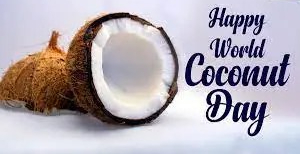
Coconut Day

I didn’t know till recently that there was a World Coconut Day, marked on Sept 2nd every year. Nor did I know that there was something as grand and formal as The International Coconut Community (ICC), an intergovernmental organization of coconut producing countries organized in 1969 under the aegis of the United Nations Economic and Social Commission for Asia and the Pacific (UN-ESCAP). Their mission is to ‘To promote, coordinate and harmonize all activities of the coconut industry which sustains the lives of millions of small farmers.as well as those engaged in production, processing and marketing of coconut products.’ The ICC Secretariat is located in Jakarta, Indonesia and is headed by an Executive Director. The ICC has 20 member-countries from Asia, the Pacific, Africa, South America and the Caribbean’s. India is of course one of them.

World Coconut Day commemorates the foundation of Asian and Pacific Coconut Community (APCC), an intergovernmental organization of coconut producing countries.

The coconut certainly deserves all this. It is a tree which provides food, fuel, medicine, cosmetics, building materials, and much more. In the South Seas, there is a saying that ‘he who plants a coconut tree plants food and drink, vessels and clothing, a heat source, habitation for himself, and a heritage for his children’. Importantly, it forms part of the livelihood basket of lakhs of small landholders—98 per cent of coconut holdings are with small and marginal farmers.

India is among the largest producers of coconuts in the world with Tamil Nadu, Kerala, Karnataka and Andhra Pradesh being the major contributors. We produce over 19 million nuts a year, accounting for over 31 per cent of the world’s production. We also account for 66 per cent of the world’s exports, and send our coconuts to over 140 countries.

There is also R&D going on into development of a range of new coconut-based medical products. In the world of healthcare, a number of products from sterilizing agents to fungicides to anti-itch products are being developed. The fashion industry too has taken to developing new products based on coconuts. There is also considerable research in the direction of developing several food-related products like coconut skimmed milk, coconut milk powder, coconut cream, coconut vinegar, coconut jaggery and palm sugar, and we may expect to see many such new products hitting the market soon. There is also on-going effort to make coconut shell charcoal and activated carbon.

So let’s join in the celebration of the ubiquitous coconut that we take so much for granted. Drink tender coconut-water, eat a coconut burfi, make a curry with a coconut gravy, or throw a coconut themed party. Just a way to say thank you to a tree that gives us so much—health, beauty, taste, shelter, sound sleep, and importantly, livelihoods to so many!

–Meena

Living On…

August is a Month of Days! Well, I know all months are made up of days, but August is made up of many significant Days—from Independence Day to International Youth Day to Quit India Movement Day to World Mosquito Day, to….

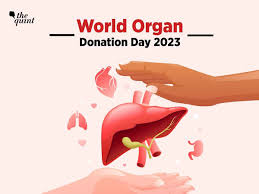
In the process, even media seems to get overwhelmed and is not cover many of the issues adequately.  One such day is World Organ Donation Day, marked globally on 13 August every year, to raise awareness on the need for organ donations, and to clear misconceptions around the issue.

For a quick overview: There are two major types of donations– deceased donation which is the process of giving an organ or a part of an organ after death, for the purpose of transplantation to another person; and living donation, wherein a donor can give part of certain organs to another person. (The other two types of organ donations are Vascularized Composite Allografts (VCAs) which involves the transplantation of multiple structures including skin, bone, muscles, nerves, connective tissue etc.; and Paediatric donations.)

In India, Deceased Organ Donation is usually done only from a person who has been declared brain-stem dead by a team of authorized doctors at a hospital. A person is said to be brain-stem dead when there is an irreversible loss of consciousness, absence of brain stem reflexes and irreversible loss of the capacity to breathe. These are often accident victims and others who have suffered fatal injuries to the head or have had brain haemorrhage. Organ donations after cardiac death are rare in our country. 

Sadly, the deceased donation rate in India is dismally low—it stands at under one donor per million population, and no upward trend has been seen for a decade now. It is estimated that 20 people die each day in our country waiting for an organ donation. Experts estimate that 65 donations per million population are needed to fill the gap.

Considering that we won’t need our organs after death, it would seem that this would be the easiest kind of donation! But in a country where charity and giving are a deep-rooted part of the culture, organ donation meets many barriers. A study published in a prominent medical journal regarding reasons why the figure is so low in India says: ‘Lack of awareness (80.1%), religious beliefs and superstitions (63.4%), and lack of faith in the healthcare system (40.3%) were cited as the three most probable reasons for poor deceased organ donation rates in India. Fear of disfigurement (29.5%), lack of government sponsored incentives (27.6%), fear of procedural delays (27%), and inappropriate counselling for deceased donation (26.4%) were also commonly cited reasons for poor organ donation rate.’ (J Clin Exp Hepatol. 2016 Jun; 6(2): 81–86.).

From the above, it seems that creating awareness and proper counselling are the urgent needs. Most of us don’t know that one deceased organ donor can save up to eight lives. He or she can contribute two kidneys to two people; two lungs to two people; one liver which can be divided among two people; one pancreas and one heart which can save one life each. Apart from this, eyes can give sight and donated tissue can help as many as 75 people. Increasing awareness and appealing to the inherent giving instinct could be critical factor in increasing donations. This is borne out by the fact that in the study mentioned above, people said that the ‘the thought of saving someone’s life’, as well as a ‘feeling of improved sense of humanity’ were motivators for such donations.

You can register your intent to donate organs with the National Organ & Tissue Transplant Organisation (NOTTO). Such a pledge does not carry legal weight as the consent of family is necessary for the donation of organs of deceased people, but it is a clear signal of the wish of the deceased. And if during life the donor discusses his or her wish with family members, they will surely do it, in respect of the loved one’s last wishes. Afterall, what can be more satisfying that their loved one lives on!

So go ahead and visit https://notto.mohfw.gov.in/ today!

–Meena

Deadly Fat Sticks

I saw a reference, in a book I was reading recently, to Trichirapalli Cigars. That really intrigued me. For me, Trichy was a place one used to go to as a child to visit aunts and uncles. And of course, a morning was set aside for a visit to the famous Rockfort Ganesha temple. The temple is built on what may be the oldest rock on earth, and we needed to climb 344 steps to reach it—which we as kids did most enthusiastically. And while the elders devoutly visited the Pillayar and Shiva shrines, we kids played around the temple courtyard and passages. Another must-do on such trips was a visit to the amazing Kallanai Dam built by the Chola king Karikalan around the 2nd Century AD, and a picnic on the banks of the Kaveri.

And never in all those years, and all the years following, had I ever heard of cigars originating from there. But apparently, it is quite a thing! Not that one wants any place to be famous for cigars, but I thought that I must at least learn a little about this, since I have memories of the town with which it is associated.

To start at the beginning, a cigar is defined as a roll of tobacco, wrapped in a leaf of tobacco (or in a substance which contains tobacco). This is what sets it apart from cigarettes, which are made of tobacco rolled in paper or a substance that does not contain tobacco. Cigars are expensive—one reason is that the wrapper leaves need to be of a special quality– strong, elastic, silky in texture, and of even colour. They must have a pleasant flavour and good burning properties. Even the filling used for cigars is often a blend of various types of special tobaccos. And cigars are usually hand-rolled, which makes the process expensive. The shape and size of cigars also determine the price, as does the age—if the tobacco used in a cigar has been aged, or the cigar itself has been aged, it will cost more. And then there are ‘special edition’ cigars which are collectors’ items.

If tobacco-leaf wrapped cigars are at the highest end of the spectrum, tendu-leaf wrapped bidis are at the lowest!

While Cuban Cigars are the best-known, apparently Trichirapalli i Cigars are pretty famous too! Apparently, these were among the major exports to Britain in Victorian times. In fact they were supposed to be the cigars of choice for Churchill when access to Cuban cigars was cut. Churchill even appointed a CCA (Churchill’s Cigar Assistant), a cigar taster for the PM! His job was to ensure uninterrupted supplies of the best Trichirapalli cigars to Churchill. So well-known were these cigars, that Sherlock Holmes mentions them in his famous story “Study in Scarlet”, and Hitchcock also referenced them in one of his films.

What is unique about these cigars is the process employed in processing the leaves. Rather than ageing the leaves as is usually done, in Trichy, they ferment them in toddy water or in distilled fruit juice (orange, apple, pineapple, grape) with added jaggery and honey. This gives them a very distinctive flavour.

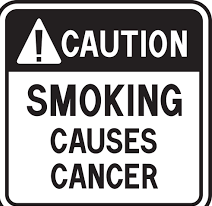
Cigars may be expensive, and perceived as fancy and high-class. But they are just as deadly as their humbler cousins–cigarettes or bidis. They contain the same addictive, toxic and carcinogenic compounds found in cigarettes and are not a safe alternative.

And in some countries like the US, cigars are becoming popular with younger people. This is because flavoured cigars like cherry or cocoa or liquorice are available, unlike in the case of cigarettes, where flavours are not permitted. Moreover, the fact that cigars are often sold as single sticks make them more accessible. In fact, a recent survey among middle and high school students who used cigars in the past 30 days, 44.4% reported using a flavoured cigar during that time. The cigar industry seems to be deliberately targeting younger people. A cause for worry indeed!

Cigar-trivia is fine, but ALL smoking and ALL tobacco products are bad!

–Meena

A Millets Tale

Once upon a time, in a forest far away there lived a young girl. The girl had lost her parents when she was just a baby, and she had no other family that she knew of. She continued to stay by herself, and grow up in the forest, the place that she knew as home.  But she had many friends in the forest. She knew all the trees and plants, and they gave her their fruit, seeds, and flowers, different ones in different seasons. She knew all the birds and animals that lived there, and could recognize them by their calls and pugmarks. She knew the springs where cool fresh water flowed, where she could wash, and bathe and drink from. And she also knew that by planting some seeds in the earth, before the rains, would lead to a small crop of plants that she could eat, some for their leaves, some for their roots, and some for the seeds as they ripened. The seeds were of many kinds, some tiny, some larger, and of many colours—pearly white, greenish grey, reddish brown, and many shades of yellow.

The girl in the forest grew up to be strong and healthy young woman. She also grew into a beautiful and graceful maiden. One day as she was walking through the forest, humming a tune, she heard an unusual sound. It was the sound of hoof beats. Most animals in the forest walked and ran on nimble feet, making hardly a sound as their feet touched the ground. This clip clop sound was not one that she had heard before. As the sound grew closer, the girl hid herself behind a tree and peeped cautiously and curiously. From the thicket there emerged a horse, and on the horse rode a handsome young man. The girl had never seen such a sight before. She could not resist stepping away from her hiding place to get a better look.

The rider was a young prince on his way back to his kingdom. He too had never seen such a beautiful maiden before. It was love at first sight! The prince got off from his horse and stood before the lovely lady who was looking at him with undisguised curiosity. She was so different from all the ladies that he met, ladies who acted coy, who dressed in expensive silks and velvets, and were adorned from head to foot in shining jewels. After all he was a prince, the king-to-be, and every maiden in the kingdom dreamed that she would capture his heart and, someday, become the queen.  

This young woman was clad in the simplest of garments, but her skin and hair shone like silk, her face exuded a glow that came from within, and her limbs were lithe and strong. She stood erect and fearless before the young man, innocent but self-assured.

The prince was sure that this was the woman who would be his wife. He spoke gently to the maiden, but put forth his proposal. The young girl was also taken with the young man. She had no idea about kingdoms and kings and princes, and no dream or desire to live in a palace and be a queen. She liked the young man for what he was. And she was of an age when she felt that she was ready for adventure. She said yes!

The prince and the maiden returned to the palace, and were wed. With time the bride settled into her new life and role. She learned to wear the finery, and the manners of royalty. But she could not easily relish the meals that were served. Every meal was like a feast. There were many kinds of bread made from the finest refined flours, numerous dishes rich with oil, butter and spices, and the widest array of sweetmeats laden with sugar and ghee. These were prepared by the finest chefs in the land. The new bride had never, in her simple life in the forest eaten such heavy food. Her body could not digest the extravagance of seasonings and ingredients.

After some time the young woman found that she her body was changing. She felt lethargic; without the energy that she once had to walk long distances, climb trees, work with the soil—digging, planting, tending, harvesting. Her once sinewy limbs were no longer as strong as they once were, and she was becoming plump like the doves that cooed in the courtyard. Her taste buds were satiated; they no longer relished the overpowering deluge of flavours.

One day the young royal sneaked out of the palace in disguise. She went to the local market. As she walked around she saw the heaps of fresh vegetables and fruits and pictured these as she had once seen them, hanging from the branches, and growing from the soil. She came to a grain merchant’s shop and there she spotted the familiar seeds and grains that had sustained her in her days of living in the forest. She realized that these were what her body had been craving. She got these different seeds packed and returned, still incognito, to the palace.

Back in her luxurious surroundings, the queen-to-be got some of these seeds roasted and started having them for breakfast. The kitchen staff was taken aback. These were what poor people ate. How can a rich and royal personage want to eat such humble cereals? But their duty was to do as they were instructed.

 One day her husband found her eating her breakfast of multi-coloured seeds and wanted to know what they were, and why she was eating them. She said that for her these were as precious as pearls, because these are what had sustained her in her childhood and youth. It is these staples that had given her the nutrients and energy that she needed to stay healthy and active. She requested that henceforth, these seeds should become a part of the royal menus. As a royal prerogative she gave these “poor man’s” seeds their names.

The ‘pearls’ were called Bajra, Jowar and Cheena. The ones that were in different shades of yellow, green-grey, red-brown, that reminded her of the colours of the forest were named Kangani and Kakun, Kodo and Proso, Ragi and Kutki, Kuttu and Rajgira.

And so it came about that these poor man’s seeds became a part of the royal kitchen and diet. The queen-in-making devised new recipes and dishes where these could be tastily used, and the chefs added their own touches to these. The ‘pearls’ proved their value. The palace residents began to feel lighter, healthier and stronger.

Time passed. The young bride became the queen, and in time, she and the king also passed on. As with the cycle of change, there were later generations that went back to the rich cuisines that once signified wealth and status. With that came also the effects on people’s health and well-being.

 Until one day a newly-married princess discovered, among the dusty tomes in the palace library, a book of recipes of the ‘pearl seeds’.

We have come full circle again.

Celebrating Millets!

–Mamata