Nutrition Centers for Pregnant and Lactating Women
During this Nutrition Month, sharing a good practice..
The criticality of proper nutrition for pregnant and lactating women is undisputed. Equally undisputed is that their nutritional status in India is extremely worrisome. Of course the government through its Anganwadi program does supply day rations for this stage of life. But in the field, what we found was that these rations were taken home, added to the general pool of foodstuffs in the household, and consumed by all. So probably the men or the children ended up getting a little more food, but very little extra went to the target women. It was not considered at all OK for the daughter-in-law of the house to keep aside the rations that she had received for herself! So in reality, these pregnant women got very little supplementary nutrition.
Based on some state government experiences, we at GMR Varalakshmi Foundation decided to reverse the equation. Rather than the food going to homes, we thought it might work if the women came to the food. We set up small community-based Nutrition Centers which pregnant/lactating women could easily access. They had to come into the Centers at a certain fixed time every day for about half an hour. We worked out a menu of supplementary nutrition in discussion with an eminent national institution working on the subject. The menu was not a complete meal but a list of items worked out to plug the commonly found gaps in this group. Some criteria we had was that it should involve minimum cooking, and should to the extent possible, be based on seasonally available local foods. Women coming to the Centers continue to avail the Anganwaadi rations.
So women come to our centers every day and it is like a little kitty party. They eat the snack, chat together, share notes on their pregnancy. There are organized activities—from a talk by a health worker on immunization and family spacing, to games related to food, nutrition and childcare, to screening of films on health, sanitation, etc. Records are kept of their weight, hemoglobin, and doctor advice. Special care is paid to vulnerable cases.
The Centers have been in operation for almost a decade now, and have almost 100% track record of institutional deliveries and of baby weight above 2.5 kg. And the cost? The snack costs Rs. 15 per woman per day. And the program is for 12 months for each member—from roughly 3rd month of pregnancy to 6th month after delivery, with home delivery of the food during the weeks when the mother is not able to come to the Center. That is a cost of about Rs. 5500 per woman for ensuring her health and to lay the foundation for a healthy life for a baby. Extremely scalable for organizations. Not difficult even for individuals to support.
There may be many, many other such simple ideas tried by innovative NGOs and others across the country. The key is to share, learn and multiply the good practices!
My father-in-law will be 96 years old this month. He trained as an artist, but spent his career teaching machine drawing in a government polytechnic. He has now been retired for more years than he taught a subject that he was not passionate about. But what he was passionate about was reaching out to his students, not driven by any great philosophy or mission, but his innately sociable and open personality. Even today, he gets phone calls from his old (literally—some are 75 years and over!) students, just for them to say that they remember him fondly. Till a couple of years ago he clearly remembered names and attributes of so many of his students. It is that life force which continues to energize him even today.
The word Teacher itself is loaded with so much meaning. After all teachers were the key players in the long drama of one’s school (and college) life, with distinct characters, roles and parts. As a part of the student audience, and at times, minor characters in the crowd scenes, we spent a great deal of time and emotion on ‘adoring’, ‘hating’, ‘fearing’, ‘hero worshipping’, ‘imitating’, or ‘buttering up’ our teachers.
Teachers were a necessary evil that dominated every ‘period’ of our school days. It is when we were older (and perhaps a wee bit wiser) that we could look back with nostalgia and remember those teachers. This was also when we realized the lasting impressions and influences that different teachers had left on us. Not all of these were related to the subject they taught. More often, it was how they taught, or what they said and did, or even what they wore, and how they behaved. We could now see these as individuals with distinct personalities and persuasions. For some of us, the older we get, the more sentimental we get. And Teachers Day, celebrated in India on 5 September, revives many such memories.
In the good old school days, the run up to T-Day was exciting. This was the day that the tables were turned, as it were. It was the one day when students turned into teachers! This was how Teachers Day was celebrated in many schools.
This year for the first time perhaps in memory, the Covid wave has meant that educational institutions across the world are closed. In just a few months, our age-old understanding of educational spaces, classroom transactions, and players has been turned on its head. The e-learning revolution is sweeping across the globe.
Children of all ages (starting from nursery and kindergarten) passively face a small screen which reflects other small faces and a bigger face. It is in this virtual classroom that lessons are communicated (rather than taught). The day is divided into sterile time slots, rather than a time table in which the best parts were the time-outs for rowdy recesses and roistering assemblies. The Teacher is just a talking head who pops up at a designated time. As the young eyes and ears strain to keep alert and awake, the other senses lie dormant. Missing are the smells from the tiffin boxes, the touch of the dog-eared books and scarred desks, the jostling camaraderie of classmates, the fights and the making-up, the shared secrets, and playful antics…and with it the range of emotions that mark the gamut of relationships among the students, and between the teacher and the taught.
I must confess that I have no current and direct experience of e-learning, as a teacher, learner, or parent. But as Teacher’s Day approaches, I cannot help wondering and worrying about this new model of teachers and teaching. Yes, we have no alternative at this moment when safety and health is the priority. True that technology has enabled a safer and more widespread route to reaching out. Agreed that there are examples of inspiring innovations and models. But what will a child of the Age of Corona and Era of E-learning remember of her classroom, her classmates and above all, her teacher? What stories will he share with his children? Who will she remember with a smile or a grimace on another Teacher’s Day?
One looks back with appreciation to the brilliant teachers, but with gratitude to those who touched our human feelings. The curriculum is so much necessary raw material, but warmth is the vital element for the growing plant and for the soul of the child. Carl Jung
September is observed as Nutrition Month in India. And God knows we need to do all we can, considering how poorly we are faring. Just to reiterate some of our national statistics:
Under-five prevalence of stunting (when a child has a low height for their age) is 37.9%, which is greater than the developing country average of 25%. Under-five wasting (low weight for a child’s height) prevalence of 20.8% –greater than the developing country average of 8.9%.
40 per cent of adolescent girls and 18 per cent of boys are anaemic.
4% of women of reproductive age have anaemia.
No questions about it, there have been tremendous efforts. India’s school mid-day meal programme is the largest feeding initiative in the world. Some states, apart from hot meals, also provide milk to the children. The Anganwadi role of providing supplementary nutrition and take-home rations for under-6 children and pregnant and lactating mothers is another crucial input. The efforts to strengthen the Public Distribution System are key. The opening of subsidized canteens in many states is something that has seen success too. Non-government actors too have played a role—Akshaya Patra’s mid-day meals are something which many school children look forward to, and indeed are often the reason why children want to go to school! Many other NGOs have innovative programmes too.
Proper nutrition for all age groups is important, but it takes on special importance in the case of infants and children, as this lays the foundation for healthy adolescence and adulthood.
it is not just what parents DO NOT feed the children that is important. It is equally important what they DO. Here is a sight one can often see. A daily-wager mother is on her way home. The child is hungry and crying. It may still take them half an hour to get home. Not only is the child demanding food, but a particular kind of food—a packet of chips or namkeen. The mother often succumbs, stretching her affordability to satisfy the child and the hunger. Other times, the scene is repeated with a slight variation—a small child walking home from school insists the mother buys a small packet of noodles to cook for the evening snack.
Not to say that every child and adult does not deserve to indulge once in a while on junk foods. But when it is a habit and a lifestyle, and when it comes at the cost of nutrition for a child, it takes on a serious dimension. Rs. 10 can easily buy an egg and a fruit. But the mother has only Rs. 10. And that that goes for the chips or namkeen, which at best does not contribute much nutritionally, and at worst is actually unhealthy. And the child does not get the egg and fruit.
One supposes that it is not right to hope that government will ban such small packs for unhealthy foods—after all, it is a free market and people have to make their choices. And what is more, we have been told that there are fortunes to be made at the bottom of the pyramid, and that it is indeed our duty to make these fortunes by adapting products and services to meet this demand! But can they be more informed choices? Can there be huge educational campaigns not only for what is good nutrition for a child, but what is not? Can schools step up their education about this? Can we reach parents? Can packs carry warnings?
And more proactively, can the Government Subsidized Canteens also sell items like boiled eggs, fruit by the piece, chikki made of groundnuts and jaggery? Can every village panchayat put up hand-carts with these items at certain times of the day? And if at all we are to have small packs of anything, can it be milk at Rs. 10?
COVID times have made all these issues more challenging—not only through disruptions to the official systems, but more seriously in the long term, due to loss of jobs and incomes. We have to go into mission mode and plan how we will overcome these. This is a problem that affects not just our today, but a whole generation.
The year was 1911. A young man set up practice as a District Pleader in Vadhwan Camp, in the erstwhile princely state of Bhavnagar in Saurashtra. His practice was doing well, he was gaining a name and earning too, but his heart was not in the machinations of legal matters.
In 1913, he became a father to a son. The advent of the child Narendra triggered the life mission which would launch him into a new role. The man was Gijubhai Badheka and his mission was to bring about a revolution in the field of child development and education.
Indian education during that time was a curious mixture of the Macaulayism as practised by the English rulers and the traditional “spare the rod and spoil the child” tenet. Narendra’s parents saw the sorry state of the local schools and were apprehensive about the kind of education their son would get. Gijubhai yearned for something different for his child, but was not able to visualise what this could be. So he started reading whatever he could find about education and educators. He also started sharing his anxiety and dilemmas with his friends.
One of these was friends was Darbarshri Gopaldas Desai, who visited Vadhwan Camp often. He told Gijubhai “If you want to read literature about children’s education, and see a new kind of school, go to Vaso and meet Motibhai Amin”. This was when the door opened for him. Gijubhai went to Vaso, met Motibhai and saw his school. He came back with many books; among which was a book describing the Montessori Method of education. This was Gijubhai’s introduction to the thinking of Maria Montessori, and her writing.
The more he read, the more deeply he started thinking about children and child development, and about putting the theory to practice. He also started experimenting with young Narendra, and sharing his observations with his friends, as also the ideas of Montessori. As his desire to spend more time and energy into this new challenge grew, the further he drifted from his legal practice.
Dakshinamurti Balmandir
That is where serendipity stepped in. In 1915, Gijubhai helped to frame the constitution of an educational institution in Bhavnagar called Dakshinamurti. Its founders were kindred spirits, all grappling with dilemmas about education, as well as reading the works of Montessori. This was the turning point. In 1916, at the age of 32, Gijubhai quit his legal practice, and joined Dakshinamurti, initially as Assistant Warden of the student’s hostel, and teaching in the High School. His direct interactions with students reinforced his conviction that if real change had to happen it was critical to start from early childhood. He put forth a proposal to the Board to start an experimental pre-school (Balmandir). His wish was granted and in 1920 the Dakshinamurti Balmandir started. This became Gijubhai’s karmabhoomi (the land where one works). And this is where he applied the Montessori philosophy and method, drawing upon the core beliefs and tenets about child development, while adapting the methods and techniques to suit the local realities.
In 1925 Gijubhai took on three major initiatives that created a revolution in the thinking and practice of children’s education across Gujarat.
He set up a formal Adhyapan Mandir to train young people in the philosophy and practice of pre-school education.
To spread the thinking and to attract larger interest in children’s education, the first Montessori Sammelan (Conference) was held at Dakshinamurti. It was chaired by Saraladevi Sarabhai, who had personal experience in using the Montessori system in educating her own children, and who had tremendous belief in this philosophy. The Sammelan concluded with the setting up of the Nutan Bal Shikshan Sangh, headed by Saraladevi Sarabhai to take the work ahead.
Gijubhai invited all citizens interested in the new children’s education approach to join. The enthusiastic support of these members helped spread the new wave not only across Gujarat, but also other parts of the country. The Sangh became a platform to carry this forward. It was proposed to publish a monthly Shikshan Patrika to give voice to the movement.
In 1926, the second Montessori Sammelan was held at Ahmedabad, presided by Gijubhai. Educationists came from all parts of India and carried back the Montessori message.
In the short period from 1920 when he embarked on his mission, till his death in 1939 at the age of 54 years Gijubhai not only pursued his passion for, and practice of his vision of pre-school education, but wrote prolifically for children, teachers and parents.
He combined the scientific perspective of an experimenter, the desire to do something new, the insight to draw out some light from the doldrums that the educational system was in, and faith. This was supported by the revelations from the writing of Madame Montessori.
Sadly the two great like-minded people never met in person. Madam Montessori first came to India in 1939, the year that Gijubhai passed away, at the invitation of Theosophical Society of India. She was then 69 years old. She made Adayar, Chennai her home and lived there along with her son, Mario till 1946.
By then seeds that her writing had sown had already taken root and spread, and Gijubhai was the gardener that nurtured the early shoots, and encouraged the branches to spread far and wide.
The Dakshinamurti Balmandir continues to function today, in its original building, one hundred years after it was first established.
It is necessary for the teacher to guide the child without letting him feel the pressure too much, so that she may be always ready to supply the desired help but may never be the obstacle between the child and his experience.
If we could say: “We are respectful and courteous in our dealings with children, we treat them as we would like to be treated ourselves” we should certainly have mastered a great educational principle and undoubtedly be setting an example for good education.
Dr. Montessori’s Own Handbook (1914)
A teacher’s work is like flowing water. …If we do not understand those who have to be educated; do not think about what they like and what they do not, then our work and theirs will go in vain. The fulfilment of the work of education is not in teaching one or two subjects nor preparing for a certain class, or passing matric or BA. Real education lies in making humans aware about their own unending strengths. It is to reveal the secret of how to animate these and how to use them. To do this requires that the strengths are respected. Their individual development needs to be given first place. Rather than being taught, they need to be guided onto the path of self-knowledge. This is the work of education today.
August 31 marks the birth anniversary of Maria Montessori, whose name of course is synonymous with the education system all of us wish our children to undergo. But even if she had not pioneered this revolutionary system of education, Ms. Montessori would still be in annals of history as a path-breaker. In 1883-84, at the age of 13, she enrolled in classes at an all-boys technical school. Not only did she choose technical subjects, but she did it with the hope of becoming an engineer, an almost unheard of choice for a girl. By the time she graduated in 1890, she had changed her mind and decided to become a doctor instead. This was not an easier choice though! She was strongly discouraged from taking up medicine in the University of Rome. So she enrolled for a degree in natural sciences, earning her diploma di licenza in 1892. This along with her studies in Italian and Latin, qualified her for entrance into the medical program at the University in 1893. This was only the first step though. She was met with hostility and harassment from students and professors. Her attending classes with men in the presence of a naked body was considered inappropriate, and she was required to perform her cadaver dissections alone, after college hours. Nothing deterred her, and she graduated from the University of Rome in 1896. The mores of the times also brought unhappiness in her personal life. She loved a colleague, Giuseppe Montesano, and even had a son with him. But she could not marry him because if she married, she would have to give up her professional work.
She specialized in pediatrics and was involved in the education of mentally challenged children. In 1906, she was invited to set up a childcare centre in San Lorenzo , a poor, inner-city district of Rome, working with the most disadvantaged children of the area, who had no previous exposure to school. She called the center the Casa dei Bambini—Italian for “Children’s House. It was a quality educational environment for youngsters whom many had thought were unable to learn. About 50-60 children were enrolled to being with, and the building porter’s daughter was the first teacher, under Dr. Montessori’s guidance.
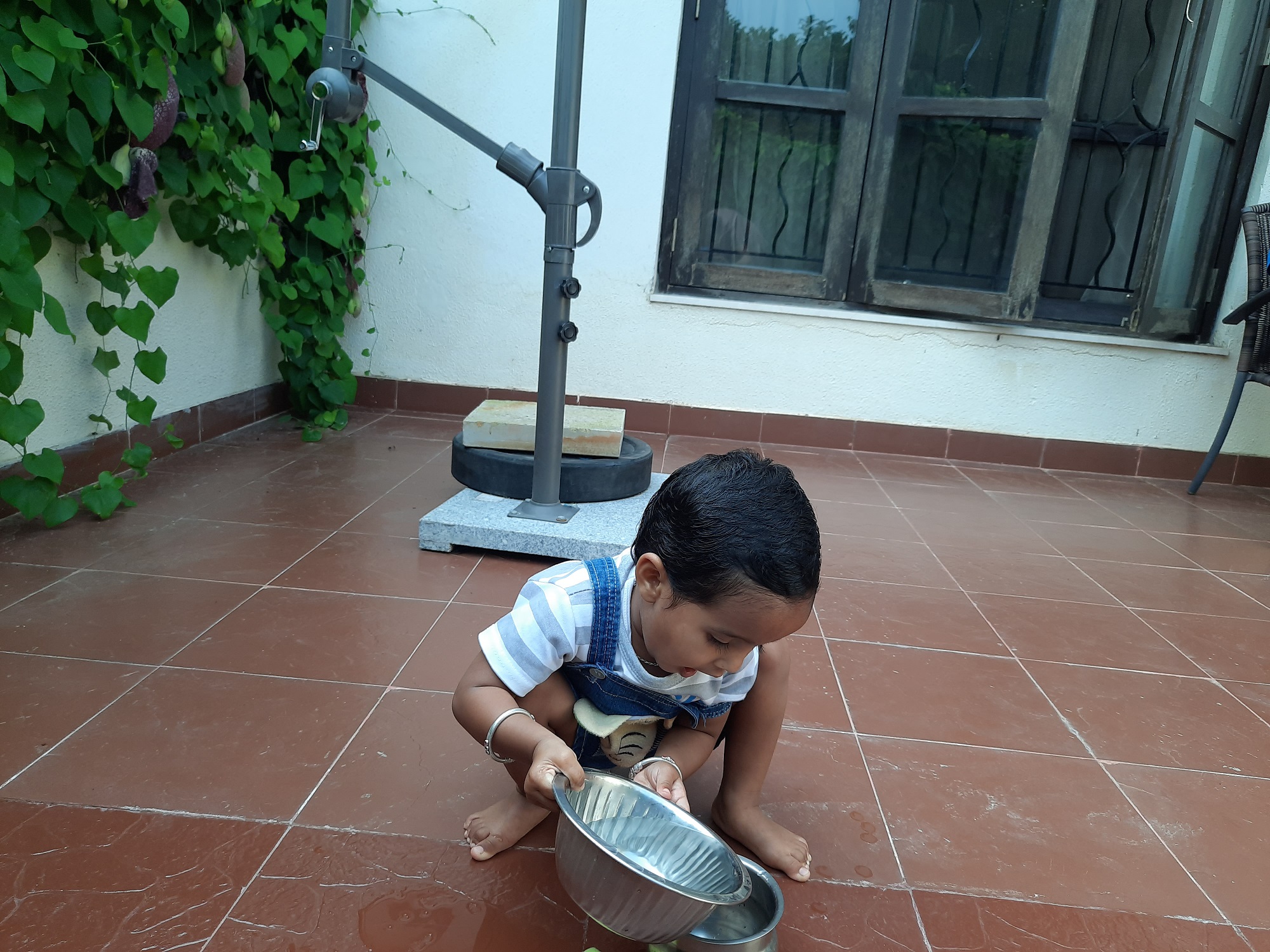
The school showed amazing results. Soon the children exhibited great interest in working with puzzles, learning to prepare meals and clean their environment, were calm, orderly, self-regulating, and engaging in hands-on learning experiences—essentially teaching themselves.
Montessori’s experiments began to be widely studied and replicated, not only in Italy but across the world, till today it is a household name. India too has a long history of Montessori education, going back to the 1920s.
This system of education is undoubtedly what is needed for our young children today. Every Anganwadi and primary school should be a Montessori school. Considering that the whole experiment began with the aim of catering to under-privileged children who were first generation learners, and with a not very educated daughter of a building porter as the teacher, it is the most obvious model for adoption.
But alas somewhere, this system of education has become identified with exclusive schools for the children of the rich and famous. The fees are out of reach of even the middle class.
Is it that we have, in the pursuit of the letter of Montessori’s methods, completely missed the spirit, and have become inflexible and unable to adapt to make it workable at low cost?
At a time with the new National Education Policy has recognized the importance of education for ages below 5 for the first time, it is time for introspection, creativity and a re-think on how this pedagogy can be the basis of learning in every educational institution.
Despite having been a student as well a teacher of Political Science, I have never been able to grasp the complexities of the politics of the Middle East or West Asia. The convoluted conflict between Israel and Palestine has been going on for almost 75 years now, making headlines when there is an escalation or an extreme event, and smouldering in the background when another geo-political volcano erupts.
In the last two weeks two news related to this region made headlines. First was the horrific blast in Beirut that decimated a large part of the city and rendered tens of thousands homeless. The other was the announcement of an intention of a historic rapprochement between Israel and the UAE as a part of which Israel would give up its plan to annex the West Bank, the main territory of a state that the Palestinians want.
In other circumstances I would have noted, but not fully registered these two news items. However, quite coincidentally I have, in this same period, been reading a novel which is set in this region, and suddenly the context and the history took on a different dimension.
Mornings in Jenin is a poignant story of four generations of one family’s struggle and survival over sixty years of the Israel-Palestine conflict. The story which traverses from Jerusalem to Lebanon to America is told by Amal, a girl born to Arab parents in a refugee camp in Jenin; it traces the lives of her grandparents, herself, and her daughter.
As World War II raged in Europe in 1941, Amal’s grandparents were living on their ancestral olive farm in the village of Ein Hod, not far from Bethlehem, in what was then Palestine. Their oldest son, Hasan, was best friends with a refugee Jewish boy, and the two were welcomed in each other’s homes. In May 1948, the Jewish state of Israel was proclaimed, and all the original inhabitants of the area were moved to the Jenin refugee camp. And this is where three subsequent generations lived, married, were born, and died.
The story follows Amal’s family as they live through a half century of violent history. It is not a political treatise, but the many interwoven stories, stretching backwards and forward in time, reveal what politics can do to ordinary people. It is a tale of hatred and fear, loss and pain, faith and hope. Above all is a saga of waiting—waiting to return to a lost home and homeland. Amidst the indignities and sufferings of these uprooted lives, there is also a tender celebration of family ties, the intensity of a mother’s love, sibling bonding, and enduring friendship.
It is also the story of Palestine from the time when it was a productive land of olive groves and proud self-sufficient inhabitants, through the 1948 War, the Occupation by Jews and conversion into the land of Israel, and the many Arab-Israeli wars from 1967, up to 2002.
Today we are so heavily bombarded with news (printed and audio visual) about conflict and displacement, all clubbed under the umbrella of ‘international humanitarian crises’ that we are either becoming inured, or choose to pretend that this does not concern us directly. For those of us who are fortunate and secure in our home and homeland we cannot imagine what it must be to be without a home nor homeland. As Amal describes “He [my brother] was denied, imprisoned, tortured, humiliated and exiled for the wish to possess himself and inherit the heritage bequeathed to him by history.”
The novel is tagged as fiction, but the refugee camp of Jenin is real. The northernmost camp in the West Bank, it was set up in 1953 to house the displaced persons from the first Israeli takeover of territories in Jerusalem in 1948. Over the years it was attacked several times by Israeli forces, and as lately as in 2002, it was the site of a terrible massacre. Even today Jenin camp has a population of about 14,000 residents cramped together in an area of 0.42 sq km.
Mornings in Jenin is written by Susan Abulhawa who was born in Kuwait to Palestinian refugees of the Six-Day-War of1967 war. She now lives in the USA. She is a human rights activist and founder of Playgrounds for Palestine, an NGO that advocates for Palestinian children’s right to play by building playgrounds in refugee camps in Lebanon. In 2002 she visited the refugee camp of Jenin and the book reflects real events.
While this book is “The story of one family, in an obscure village, visited one day by history that was not its own, and forever trapped by longing between roots and soil” it is a moving reminder that the faceless “humanitarian crisis” is made up of myriad individual human beings, each with their own personal life story, and common yearning for home and homeland.
“Early childhood care and education (ECCE) is more than preparation for primary school. It aims at the holistic development of a child’s social, emotional, cognitive and physical needs in order to build a solid and broad foundation for lifelong learning and wellbeing. ECCE has the possibility to nurture caring, capable and responsible future citizens.” UNESCO
ECCE—particularly among disadvantaged children—improves not only cognitive abilities, but also critical behavioral traits like sociability, motivation and self-esteem.
The National Education Policy 2020 that India has just approved is, like all other policies, very broad, very noble. And also of course, parts of it are controversial. But however comprehensive and noble, obviously, a policy is only as good as its implementation, and how exactly this is going to happen, including the structural reforms needed, will be seen in the coming years.
Leaving aside the debates, the most significant thrust that could make a fundamental difference to our children, is the recognition of the importance of Early Childhood Education and the statement that ‘the responsibility for ECCE curriculum and pedagogy will lie with MHRD’. Hitherto, the Anganwadi system, under the Ministry of Women and Child Development, catered to children of this age, and there was no systemic coordination with the Ministry of Human Resource Development, and while education was on the charter, it was just one of the many responsibilities of the Anganwadies. There was no specific focus education, pedagogies or the continuity from Anganwadis to schools. The NEP takes children from age 3 upwards into the fold of education, and advocates coordination among various Ministries towards this.
But I think this puts a greater and different responsibility on the Ministry of Women and Child Development—viz, the responsibility of educational inputs in the home environment for children below the age of 3. Ages 0-3 is when a baby’s brain grows to 80% of its adult size and is twice as active as adults. Research in developed countries has shown that at age 2, toddlers from low-income families are already 6 months behind in their language processing skills. Without greater investment in the first 3 years, many children will miss the opportunity to reach their full potential. And inputs and influences at this age come mainly from the home environment.
The Ministry of Women and Child Development would do well to educate young parents on how to create a stimulating, nurturing and learning home environment for their infants and toddlers. Intensive training and sensitization of parents-to-be and parents of these children, along with ongoing hand-holding and support would probably be the way. This would pave the way for the entry of the children into the educational phase at age 3. An imaginative system involving NGOs, educationists and community-based organizations needs to be created.
So NEP, thank you for taking the responsibility for the education of for 3+ers. Now powers-that-be, please do something about ages 0-3!
The recent festival of Janamashtami brought to mind one of the few poems that I remember well from my school Hindi textbook. The first verse, roughly translates as:
Mother, if this Kadamb tree
Photo credit: Rekha Chhaya
Was on the bank of the Yamuna
I too would sit on its branches
And turn into a Krishna.
For years, in my mind, the Kadamb tree and Krishna were closely associated. This was reinforced by many traditional paintings depicting Krishna and his consort under the shade of what was meant to be a Kadamb tree. I did not see a real Kadamb tree till years later.
We had long wanted to plant a Kadamb tree in our little garden but felt that there would not be enough space for it to grow comfortably. A couple of years ago the huge Rain tree just outside our gate began to dry and decline. We felt that this was a good time and place to plant our Kadamb tree. Watching it grow has led us to learn more about this tree.
The Kadamb (Anthocephalus kadamba, Neolamarckia cadamba) or Burflower tree is indigenous to South and South East Asia. It is a fast-growing tree, especially in its early years, and may reach heights of 15-20 metres. The straight uniform trunk is usually smooth and grey, becoming slightly cracked as the tree ages. The trunk sends out uniform horizontal branches creating an umbrella-shaped crown, and the leaves are alternately arranged and clustered at the ends of the branches. The light glossy green leaves are oval, and 15 to 30 cm long. They have prominent veins on top and are lightly haired underneath. The tree sheds its leaves to conserve water in areas with a long dry season, but stays evergreen where the dry season is short. The leaves are fed to cattle.
Flowering usually begins when the tree is 4–5 years old; and flowers appear between June and August. The Kadamb flower that looks like a pom pom is, in fact, a ball of tightly-packed tiny funnel-shaped yellow-orange flowers. They have a sweet fragrance and are used for making perfumes. The flowers are offered in temples, and worn as hair adornments.
This year, with Covid on our minds, the flowers which were usually described as a resembling furry tennis ball have taken on an uncanny resemblance the Corona virus!
The flowers are followed by compound fruit that also resembles the round flower head. The fruit is made up of numerous small fleshy capsules compressed together in a ball. It is relished by monkeys, bats and birds. A single ball may contain almost 8000 seeds. When it turns orange and ripens, the small capsules split apart, releasing a burst of seeds. A single ball may contain almost 8000 seeds which are dispersed by wind and rain. So the cycle of nature continues.
The different parts of the tree are also said to have pharmacological and biological properties that have medicinal value. In traditional medicine the bark is used to cure fever and cough, and juice of the fresh bark to treat inflammation of the eyes. The plant parts are believed to be effective in curing digestive disturbances, parasitic infection, high cholesterol and triglycerides, antibacterial activity, musculoskeletal diseases, fungal infections, cancer and anti-diabetic activity, and find place in Ayurvedic preparations.
For many Indians, it is not so much the botany as the mythology of the tree that fascinates. The Krishna connection is the best known, and this tree where he is said to have rested, romanced, and played his flute, is a recurring motif in poems, stories and paintings. The tree is also referred to as Haripriya or favourite of the God.
But the Kadamb tree also features in many a lore and legend in different parts of India. It is mentioned in the epics and the Puranas as a beautiful shady tree blossoming in the rainy season. The tree lends its name to the Kadamba Dynasty which said to be the first ruling kingdom of Karnataka, with Banavasi as its capital. It was considered a holy tree by the dynasty. The Kadambotsava spring festival is celebrated in honour of the Kadamba kingdom by the Government of Karnataka at Banavasi in February every year. The Kadamba flower was the emblem of Athmallik State, an erstwhile princely state of India, now part of Odisha.
According to another belief, Goddess Durga Devi, an avatar of Devi Parvathi, loved to live amidst Kadamba trees, and her presence is sensed if the koel sings in the Kadamb forest. Hence, the name Kadamba-vana-vasini or Kadamba-vana-nilaye (one who dwells in the Kadamb forest). In Madurai in Tamil Nadu, the Kadamba tree is considered to be the sthalavruksham (tree of the place) and a withered relic of the tree is preserved at Meenakshi Temple. The tree is also associated with a local deity called Kadambariyamman and the place was once said to be a Kadambavanam (Kadamba forest).
The Kadamb is part of the folk lore of many tribal communities, and even now is associated with tribal festivals and rituals. In Madhya Pradesh the festival of Karma or Karam is celebrated with dance and songs in the bright fortnight of the month of Bhado (August-September), during the rainy season. One of its rituals consists of the worship of the Karam or Kadamba tree. In West Bengal and Odisha, agricultural communities celebrate Kadam festival by planting Kadamb saplings. Tribal communities of Chattisgarh believe that planting Kadamba trees close to lakes, rivers and ponds, brings happiness and prosperity.
In Theravada Buddhism, it is believed that the Kadamb tree was where Sumedha Buddha achieved enlightenment.
From medicine to mythology, the Kadamb has something to offer. As I watch my young Kadamb growing fresh and tall in this rainy season, every new leaf seems to have its own tale to tell. And my friend Rekha and I, like two fond mothers, exchange notes on our respective Kadamb trees. Hers is flowering this year; I will have to wait another year.
Tomorrow, August 12, is marked as International Youth Day.
But the very definition of youth is pretty fluid! It is the time between childhood and adulthood. Biology is only one aspect of it. Youth is more to do with a socio-cultural context. One way to look at it is that youth have high levels of dependency on their family emotionally and economically.
There are different minimum limits of age at which some decisions or actions can be taken freely, independently or legally. These may be taken as the crossover age from childhood to youth. But these are socio-culturally determined, for example voting age or drinking age or driving age. While leaving behind childhood leads to certain rights, it may deprive a person of certain other rights—maybe the right to free and compulsory education.
Though the UN declared the International Youth Day in 1999, it cannot be said to be absolutely clear on who youth are! The United Nations defines youth as persons between the ages of 15 and 24. But the UN itself recognizes that its various statutes and entities are somewhat confused on this issue—for instance, under this definition children are those under the age of 14, while under the 1979 Convention on the Rights of the Child, those under the age of 18 are regarded as children. The UN also recognizes that the definition varies from country to country.
In India, Youth are defined as those aged 15 to 29, as per the National Youth Policy (2014).
There are several rights which distinguish children from youth. Often even within a country, there is no uniformity across these. For instance, the Age of Consent in India is 18 years. The legal age of purchasing and consuming alcohol varies from state to state in India. In some states, the consumption of alcohol is totally prohibited and in some states, the legal age for consumption varies from 18 to 25. In terms of criminal justice, which became a major issue in the Nirbhaya case, children below 7 years are considered to be incapable of committing crime; between the ages of 7 to 12 there is a presumption of innocence given in favor of the child but if it is proved with evidence that the crime was committed by that child then he can be prosecuted as a juvenile; and those from 16 to 18 years, if liable for any heinous crime, can be tried as an adult after a general test that he/she has done the crime with his own knowledge and with adequate understanding about the crime and it’s consequences. And of course, the voting age is now 18 (down from 21 previously). With regard to legal working age, the Child and Adolescent Labour (Prohibition and Regulation) Act, defines a “Child” as any person below the age of 14, and prohibits any employment for these, including as domestic help. Children between age of 14 and 18 are defined as “Adolescent” and the law allows them to be employed except in the listed hazardous occupation and processes which include mining, inflammable substance and explosives related work. and any other hazardous processes.
The important landmark rights which come on crossing childhood and could be taken as indicators of having attained youth are:
Voting age
The minimum age established by law that a person must attain to be eligible to vote in a public election. Typically, the age is set at 18 years; however, ages as low as 16 and as high as 21 exist.
Age of candidacy
This is the minimum age at which a person can legally qualify to hold certain elected government offices.
Age of consent
This refers to the age at which a person is considered legally competent to consent to sexual acts. A person below the minimum age is regarded as the victim, and their major sex partner as the offender.
Defense of infancy
This relates to the age of criminal responsibility and implies that children below this age lack the judgment that comes with age and experience to be held criminally responsible.
Legal working age
The legal working age is the minimum age required by law for a person to work.
Drinking age
The legal drinking age is the age at which a person can consume or purchase alcohol.
Driving age
This is the age at which a person can apply for a driver’s license.
Smoking age
The smoking age is the minimum age a person can buy tobacco, and/or smoke in public.
Even if all this has left us more confused than ever as to who youth are, let us take the spirit of the theme of IYD 2020, which is “Youth Engagement for Global Action”, and seek to promote it.
The COVID context has exacerbated the situation of youth, and hence it is even more important than ever to focus on them. For instance,
# The economic impact of COVID-19 is set to make the job market more challenging for youth.
# Recent estimates suggest that 600 million jobs would have to be created over the next 15 years to meet youth employment needs.
# The proportion of young people not in employment, education or training (the youth NEET rate) has remained stubbornly high over the past 15 years and now stands at 30% for young women and 13% for young men worldwide.
India prides itself on its demographic dividend, it huge youth population. Youth constitutes 27.5% of India’s population and in terms of numbers, we are the highest in the world. So more than any other nation, we have to be concerned about our youth. The noble vision of the Youth Policy “To empower youth of the country to achieve their full potential, and through them enable India to find its rightful place in the community of nations” has to move from rhetoric to action.
6 August 2020 marks 75 years since one of the most devastating events in the history of warfare took place. On this day, in 1945, an American bomber plane called Enola Gay dropped a 4000+ kilo uranium bomb named ‘Little Boy’ on the Japanese city of Hiroshima.
It was as if the city was struck by a blinding flash; the bomb exploded, and a giant mushroom-shaped cloud rose to the sky. The blast flattened the city and killed nearly 100,000 people; tens of thousands were injured. Three days later, on 9 August, the Americans dropped another nuclear bomb on the Japanese city of Nagasaki. On 15 August 1945 World War II ended.
But for the survivors of the nuclear blasts the battles had just begun. Within a month of Little Boy hitting Hiroshima, radiation exposure is thought to have caused the deaths of at least 6,000 people who survived the blast. And the long-term effects of radiation exposure, physical and psychological, continued to reveal themselves for the next decades. There was a documented rise in cancer, especially, in leukaemia cases. In the years following the attacks, the survivors became known as the hibakusha (the explosion-affected people) and were subjected to widespread discrimination as it was believed that they were carriers of a contagious disease. And for years the ugly spectre of the after-effects kept raising itself.
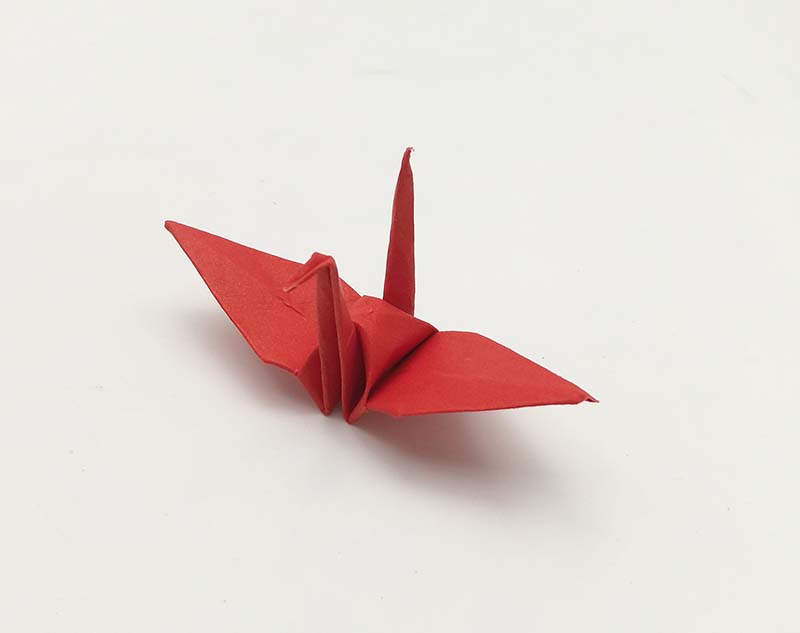
Amidst all this, there were still some stories of hope and resilience. One of the classic stories that beautifully captures this is that of Sadako and the Thousand Paper Cranes by Eleanor Coerr. This is based on the life of a real little girl named Sadako who lived in Hiroshima from 1943 to 1955. Sadako Sasaki was a baby when the bomb devastated Hiroshima. Her grandmother died in the explosion. The story opens ten years later when Sadako is a lively girl who dreams of becoming a runner. One of the annual outings of Sadako and her family is on 6 August to what was called the Peace Park to commemorate those who lost their lives on that fateful day in 1945, and to pray for peace and good luck.
Sadako loves her family, her friends and her school. One day as she is practicing for a big race, she feels dizzy. Quickly, and without any obvious causes, the dizziness and weakness continue to worsen. After some tests at the Red Cross Hospital, the doctors’ worst fears are confirmed: Sadako has leukemia, the dreaded “atom bomb disease”. The cheerful little girl’s world is turned upside down.
Sadako needs to stay on in hospital. One day, Sadako’s best friend Chizuko comes to visit her in hospital. Chizuko has brought with her some golden paper, and she folds this to make a crane. She tells Sadako: Don’t you remember that old story about the crane? It’s supposed to live for a thousand years. If a sick person folds one thousand paper cranes, the gods will grant her wish and make her healthy again. She handed the crane to Sadako. “Here’s your first one”.
This gives Sadako hope and cheer. She spends the next few weeks folding as many orizuru or paper cranes as she can, even as she is getting weaker and sicker. Soon everyone becomes a part of the project.
Everyone saved paper for Sadako’s good luck cranes. Chizuko brought colored paper from the bamboo class. Father saved every scrap from the barbershop. Even Nurse Yasunaga gave Sadako the wrappings from packages of medicine. And Masahiro hung every one of the birds, as he had promised. Sometimes he strung many on one thread. The biggest cranes flew alone.
Sadako channels all her fast depleting energy into painstakingly folding paper crane after paper crane, making a wish with the completion of each one, and determined to reach the magic number of 1000 paper cranes.
Shenever complained about the shots and almost constant pain. A bigger pain was growing deep inside of her. It was the fear of dying. She had to fight it as well as the disease. The golden crane helped. It reminded Sadako that there was always hope.
Against all odds, Sadako manages to complete 644 cranes before she slowly sinks into a peaceful death.
She looked at her flock hanging from the ceiling. As she watched, a light autumn breeze made the birds rustle and sway. They seemed to be alive and flying out through the open window. How beautiful and free they were! Sadako sighed and closed her eyes. She never woke up.
Sadako died on October 25, 1955. Her classmates folded the remaining 356 cranes, and all 1000 paper cranes were buried with her. Her classmates also collected her letters and journal and published them in a book. The book reached young people across Japan, and they all came to know the story of the courageous Sadako and her cranes.
Sadako’s classmates resolved to honour the memory of their friend in as many ways as possible. Their efforts sparked a children’s peace movement that swept through Japan, and then the world. This transformed the origami paper crane into an international symbol of peace. Their fundraising campaign led to the establishment of the Children’s Peace Monument in the centre of Hiroshima’s Peace Memorial Park. Here stands a statue of Sadako holding aloft a golden crane.
Today millions of paper cranes, reach here from all corners of the globe, symbolizing the universal value of peace and the preciousness of life. In Japan a popular tradition is to fold 1000 cranes and string these together, usually 25 strings of 40 cranes each, which are given as gifts called senbazuru which literally means, ‘one-thousand cranes’.
On 6 August every year, people still place folded paper cranes at Sadako’s statue, and reiterate the same wish that is engraved at the base of the statue:
This is our cry,
this is our prayer;
peace in the world.
Today the long and complex history of the World War II is just that—history. But more than ever before, the unleashed peril of a nuclear explosion continues to keep the entire world on tenterhooks. Hiroshima is a reminder of the horrific legacy of nuclear warfare, but the Peace Memorial is a reminder that there can be another legacy—one of peace.

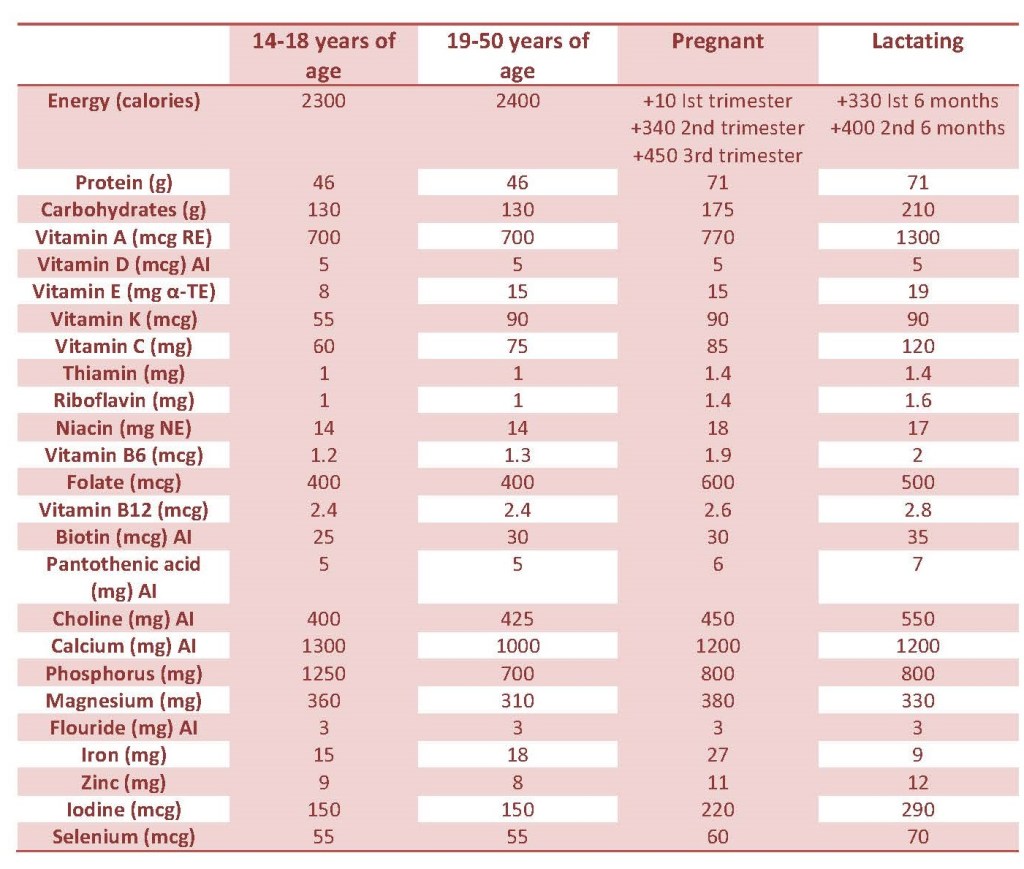
 September is observed as Nutrition Month in India. And God knows we need to do all we can, considering how poorly we are faring. Just to reiterate some of our national statistics: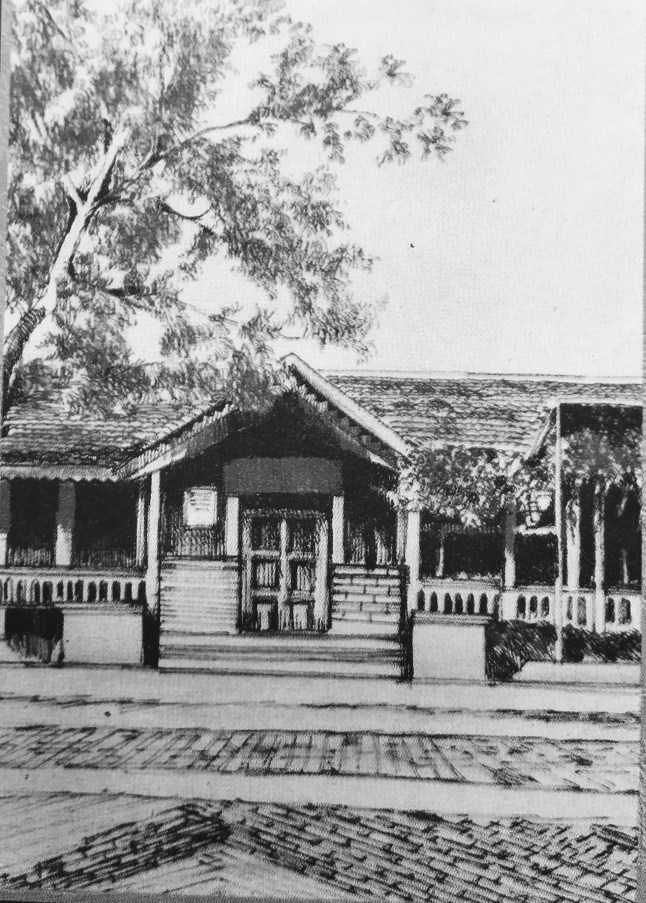
 The school showed amazing results. Soon the children exhibited great interest in working with puzzles, learning to prepare meals and clean their environment, were calm, orderly, self-regulating, and engaging in hands-on learning experiences—essentially teaching themselves.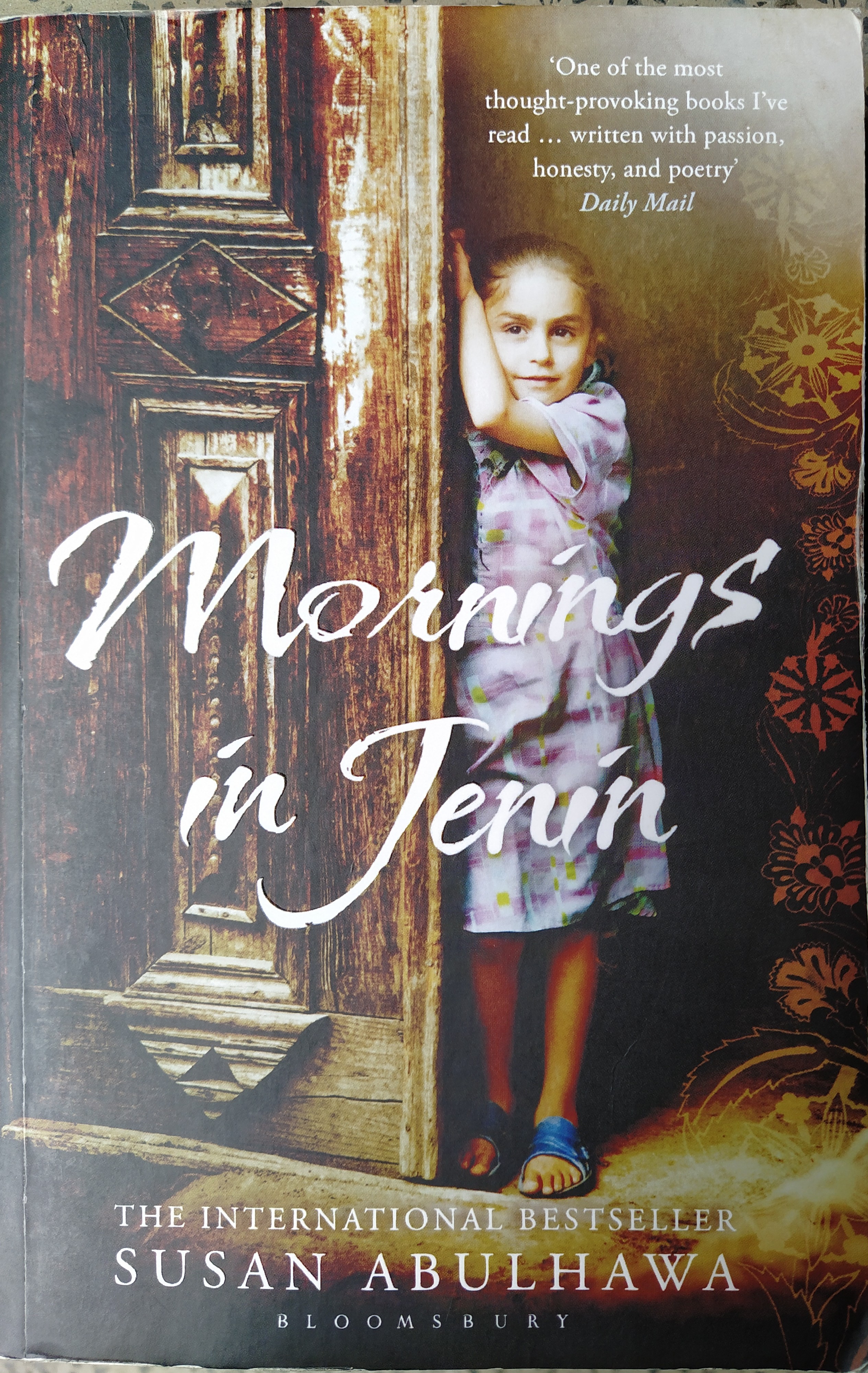
 But I think this puts a greater and different responsibility on the Ministry of Women and Child Development—viz, the responsibility of educational inputs in the home environment for children below the age of 3. Ages 0-3 is when a baby’s brain grows to 80% of its adult size and is twice as active as adults. Research in developed countries has shown that at age 2, toddlers from low-income families are already 6 months behind in their language processing skills. Without greater investment in the first 3 years, many children will miss the opportunity to reach their full potential. And inputs and influences at this age come mainly from the home environment.