A Christmas Guest Longread from a friend and colleague, Sudha Priscilla . This should get you planning your 2019 Autumn break now!
When G and I met in 2014, we quickly bonded over our passion for the Himalayas. He had just completed the Leh-Ladakh bikers’ circuit on his KTM Duke 390, and I had backpacked across Nepal with a close friend.
Fast forward to 2018 and we’re now married, having shared many adventures along the way. Most recently we formulated an ambitious plan that included trekking and camping for 8 days in West Sikkim and then exploring East and North Sikkim on an Enfield.
Putting plan into action, we got in touch with Mingma Sherpa, proprietor of ‘Mountain Tours, Treks & Travels’. His family has a rich legacy in the field of mountaineering. His grandfather, Namgyal Sherpa was part of the first successful Everest expedition in 1953 alongside Edmund Hillary and Tenzing Norgay. He was the expedition companion of the then expedition leader, Sir John Hunt. The dynamic duo played a critical role in opening the route towards the summit of Everest.
Faced with many options, we zeroed in on the ‘Goechala’ trek. The steep trail allows one to view Mt. Kanchenjunga from up close. Having finalised the itinerary with Mingma, we were left with three months to prepare ourselves mentally and physically for the trek.
We got our first glimpse of the mighty Himalayan range as the flight prepared to land in Bagdogra. At the airport, we met Manzil, a young lad who drove us to Yuksom which serves as the gateway to many of India’s most beautiful and difficult treks.
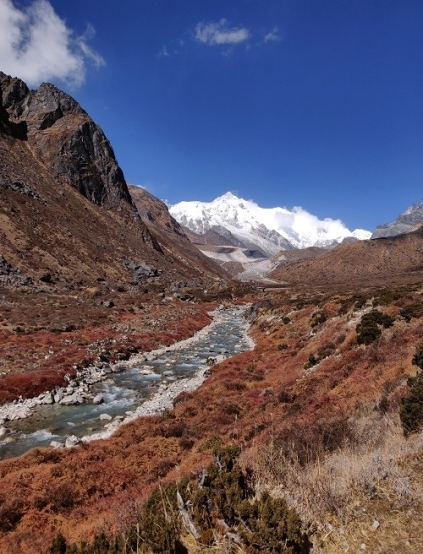
The next day, we met Mingma who was busy planning the return journey, for a client who suffered from Altitude Sickness The client in question was an experienced trekker who has even summited Mt. Kilimanjaro. Unfortunately, he was struck by AMS halfway through the Goechala trek, and had to be carried down the mountain by his team on a stretcher. The oxygen tanks that his team members carried made a huge difference to his life. Once in Yuksom he was rushed to a nearby hospital where his health improved.
This episode left me worried. On observing this, Mingma handed me a strip of ‘Diamox’ tablets, which is commonly used by mountaineers and trekkers a few days before their steep ascent in order to prevent AMS. He also went through the gear we brought along and offered me a down jacket, which was insulated with soft, warm feathers.
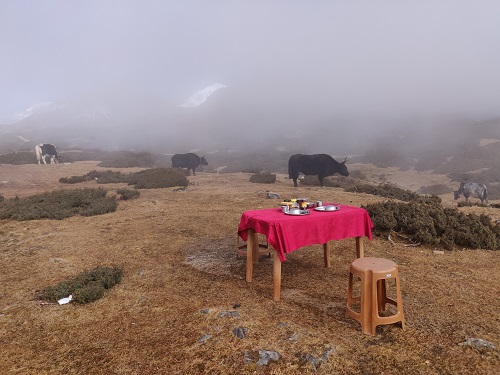
Early next morning, we were introduced to our experienced guide. He was accompanied by a very capable team which included a cook, cook’s helper, porter, Yak herder and 4 beautiful Dzos. Dzos are a hybrid between yak and domestic cattle, possessing the desirable characteristics of each animal. Our heavier backpacks were mounted on the Dzos along with food supplies and the required logistics. This included a two person A-shape sleeping tent, toilet tent, dining tent, kitchen tent, dining table and sleeping bags.
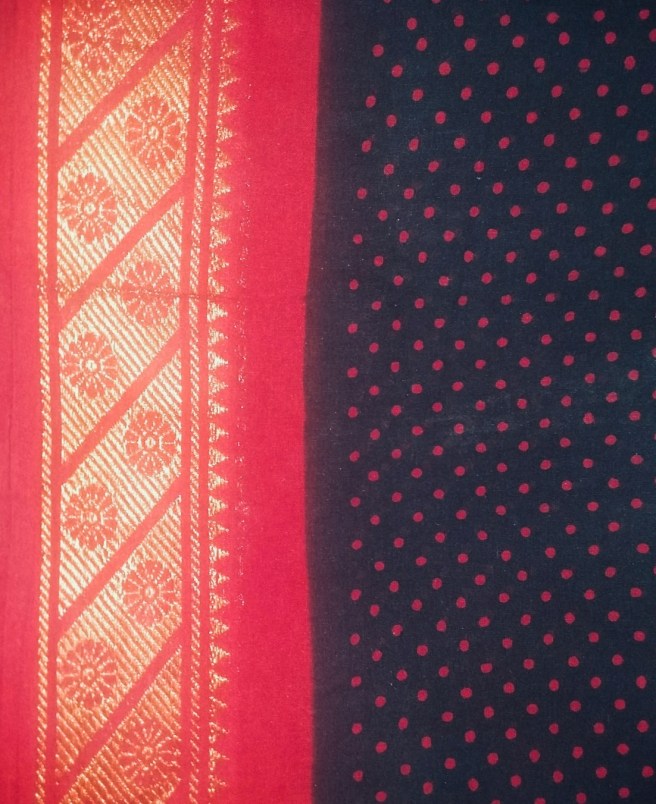
Before we set off, Mingma presented us with beautiful silk scarves to wish us good luck. We were filled with excitement as we exited Yuksom and entered Kanchenjunga National Park.
Day 1- The first day of the trek was long and arduous. We had to reach Tshoka 13 kms away and perched at approx. 3050 metres. The trail was picturesque but steep. Lunch consisted of a boiled egg, potato slices, juice and chocolate, aimed towards restoring depleted strength. Enroute we met a couple of dejected trekkers who were headed back to Yuksom. They were exasperated at not being able to get a clear view of Mt. Kanchenjunga due to inclement weather.
An hour before arriving at Tshoka, Ashok signalled us to remain quiet. We heard what sounded like a bark coming from inside the jungle. ‘Barking Deer’, said a gleaming Ashok. Though tired, this incident propelled us along.
By the time we reached Tshoka, it was around 8 pm. The rest of our team members who reached a few hours earlier, greeted us with a heart-warming dinner consisting of vegetable soup, rice, dal, sabzi, rayosag fry (local type of spinach), papad, ginger tea and a banana.
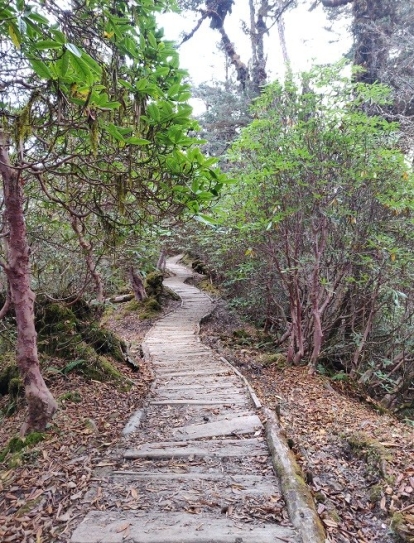
Day 2- We headed out to Phedang (Approx. 3550 metres), only 5 hours away. The trail was laid with pine wood logs, and meandered through Rhododendron forests. During April and May, the trail is apparently set ablaze by colourful Rhododendron blooms. G spent most of the day spotting birds such as the Himalayan Magpie and the Himalayan Eagle through his binoculars.
At the campsite, we were greeted by our team who offered us hot orange juice and pakoda. The treat was laid out neatly on a dining table surrounded by the glorious views of the Himalayas and the Rhododendron forest.
On Day 3-After a hearty breakfast that included muesli, ginger tea, steamed banana and toast with peanut butter, we left for our upward march towards Dzongri. Perched at approx. 4300 metres, it is surrounded by the mighty peaks of the Himalayan range. The landscape changed dramatically from forest trails to open mountain meadows rich in juniper shrubs. The plant is mostly used as incense in Buddhist monasteries, in order to purify the air of any negativities ahead of a puja or arrival of an important guest. We reached our campsite by noon.
Since we were not surrounded by trees, our tents lay exposed to winds that seemed to strengthen as time went by. G and I took a walk around, but we didn’t get too far since oxygen levels were much lower at this point and every step felt tedious. Lunch that day included boiled apples.
The night sky was lit by a million stars, but we were unable to fully enjoy it as temperatures plummeted.
Day 4- It was just about 4:00 am when Ashok woke us. After snacking on ginger tea, biscuits and popcorn, we set off for Dzongri Top. Popcorn also known as ‘Natural Diamox’, is said to increase one’s oxygen capacity. It was a constant snack throughout our trek.
We braved the heavy winds to reach Dzongri top at around 5:30 am, just as the amber sun rays hit the top of Mt. Kanchenjunga and its surrounding peaks such as Mt. Pandim and Mt. Kabru Dome. The magnificent view injected our tired souls with much needed energy. As the winds picked up, we headed down to the valley for yet another breakfast and then headed out to Thangsing.
Situated at 3,930 mtrs, Thangsing is a beautiful valley that can be reached via a short climb to a ridge followed by a rapid steep descent through yet another Rhododendron forest. The highlight of the day was the apple pie that our remarkable cook, Purna, served us for dinner.
Day 5- We took a gentle 3 hour walk to Lamuney (Approx. 4,200 metres) alongside the Prekchu River. The trail goes past stunted rhododendron bushes, azaleas and a Buddhist prayer wall. According to legend, years ago, a trekker of foreign descent was passing through when he ran into a lady. He repeatedly asked her the name of the place, when she answered ‘Lamuney’ meaning ‘Female Monk’. Not knowing English, the monk thought he was asking her name.
This campsite was by far my favourite. It had the best views of Mt. Pandim, Mt. Kanchenjunga, and Mt. Tenchenkhang.
Day 6- The ever conscientious Ashok woke us at 2:45 am. We quickly got ready and met our team members who fed us biscuits, popcorn and loads of ginger tea. Armed with head torches and flashlights, we headed out in the dark to Goechala (Approx. 4,950 mtrs). Temperatures had dipped to -15 degrees, but the down jacket coupled with a shawl made of yak wool kept me warm. We trudged upward along the moraine path by the side of Samiti Lake to view the East face of Mt. Kanchenjunga. Towering at 8586 metres, the sunrays hit Mt. Kanchenjunga peak first, and slowly spread across the peaks of Kobru, Tenchenkhang, Pandim, Jupono and Rathong. We munched on popcorn and drank hot chai as this scene played out before us.
Ashok explained to us that as a gesture of respect for the religious sensitivities of the local people who regard the mountain as a deity, the Indian govt. banned expeditions to Kanchenjunga and seven others sacred peaks surrounding it.
Trekkers were earlier allowed to proceed to a second viewpoint, which now remains closed due to sightings of the elusive snow leopard. After basking in the sun for an hour, we headed back to Lamuney for breakfast. On our way down, Ashok pointed out towards the upward ridge, where we could see the silhouette of a Bharal, commonly known as the Himalayan Blue Sheep.
After yet another hearty breakfast, we headed down to Kockchurung campsite (Approx. 3700 metres). We slept at the trekker’s hut that night instead of pitching our tents by the riverside. Purna managed to make us pizza for dinner, which he aptly christened ‘Mountain Pizza’.
Day 7- We headed back to Tshoka, our final campsite. We enjoyed going at a slower pace choosing to spend more time with our team members. Lucky for us, we also stumbled upon a flock of ‘Blood Pheasants’ (the state bird of Sikkim), scurrying through the tree lines.
As it was our final night together, the team surprised us with a steamed cake that said ‘Thank you Visit Again’. This gesture reflected how we were cared for by our team. They were patient, kind, humble, witty and understanding of us throughout the trek.
Day 8- The following day we were escorted back to Yuksom, by a young guide named ‘Buddhist’, as Ashok had to accompany a couple from Canada back to Goechala. His introductory line was ‘My name is Buddhist but I’m a Hindu’. He was a jovial lad, who hoped to visit Goa someday.
The day ended with G and me rushing into the hotel and competing to hit the bathroom first. Our first shower in many days!
The next day we headed to Gangtok and met with Tsewang, owner of ‘Biker’s Hub’. He advised us to rent the Enfield 500 cc for the second leg of our journey.
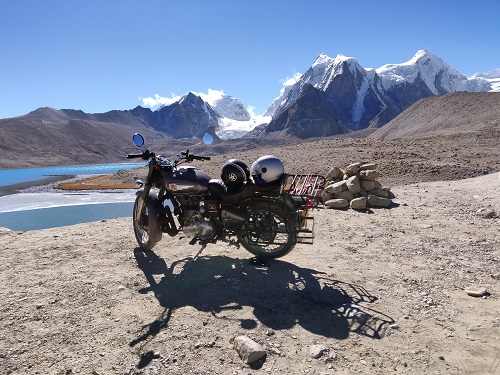
Over the next few days, we rode to many touristy places such as the high altitude lake of Gurodongmar (Approx. 5180 metres) and zero point situated close to the Indo-China border.
The highlight of our ride was visiting Nathang valley. Located at approx. 4100 metres, the valley is located along the old Silk Route. The Silk Route in Sikkim is an offshoot of an ancient trade route which originated in Lhasa, Tibet and ended in the sea ports of Bengal. Interestingly, horses and tea were the most treasured items traded in this part of the route and not silk.
What was supposed to be a 3 hour ride from Gangtok, ended up being 8 hours due to snowfall and ice covered roads. I spent half of the time walking since it was impossible for G to manoeuvre the slithering roads with a pillion. We stopped midway in a guesthouse for a hot cup of chai and Maggi noodles. The friendly owner, led us to the bukhari in her house so we could warm ourselves. The bukhari seen in many homes here, is a traditional wood burning stoves that act as a radiator and a cooker.
We also passed a lot of army camps along the way, as the route ran along the border of China. At one point, I was even offered a lift by an Army officer in a jeep. He obviously took pity on the scrawny figure who was waddling through the snow just moments earlier. I would like to mention that the army officers we met in Sikkim were extremely helpful. Apart from helping us tweak our bike when we had trouble with the headlights, we saw a couple of bikers take shelter in an army camp as one of them unexpectedly suffered from AMS.
We finally reached Nathang valley around dusk and took shelter at a local homestay, where we were treated to a hot plate of rice and chicken curry. Rest of the night, we chatted away with the owner on the history of Nathang and my hopes of collecting a yak bell on this trip.
The next morning, the owner promptly greeted me with an antique yak bell that was just lying around as scrap in his home. I was beyond thrilled!
We then returned to Gangtok via Dzuluk, which has approximately 32 sharp hairpin bends. This was the perfect end to our adventurous tour.
Merry Christmas to all our Readers!


 On our drive to Yuksom from the airport, I noticed a garbage bag provided in the taxi. This gave us our first insight into their environmentally conscious mind-set. Despite the invasion of visitors, Yuksom has retained an abundance of green spaces and public spaces are all remarkably clean. Every street is equipped with a well-placed litter bin.
 The local gram panchayat has also formed an informal association of shopkeepers known as the ‘Bazaar Association’. One of the activities they undertake is sending a family member each week to collect trash from the streets of Yuksom.
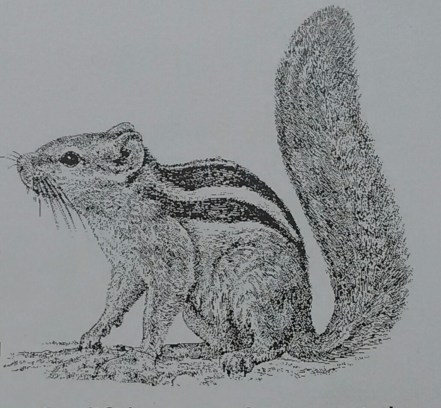 We were an earnest and idealistic bunch. We had the benefit of mentoring by some of the wisest of people. One of them was Dr.PR Pisharoty, Father of Indian Meteorology and Remote Sensing. On one of his visits in the early days, he listened to all of us presenting our work and holding forth. With a gentle twinkle in his eyes, he told us: ‘You are all doing wonderful work. But I hope you don’t forget to take time off to look at the squirrels.’
 The annual Krishi Mela is an event Bangaloreans look forward to. Organized in November every year, the 3-day Mela showcases the latest in agriculture and livestock related developments—from technologies, to equipment and tools, to new varieties of seeds, to green farming.
 Not many years ago, people returning from the US or England would relate shocking stories of how people there threw away everything—from TVs to beautiful containers to cars to old clothes. And we used to pride ourselves that in India, we re-cycled and re-used everything. Horlicks bottles were used to store pickles or dals. Bournvita tins became containers for masala powders. Bed sheets became pillow covers, which became shopping bags.
 Millennial Matriarchs