
In the story of modern India, there are some leaders whose influence stretches far beyond the offices they held or the elections they won. They altered the direction of history itself. One such figure was Jack de Sequeira — often remembered as the “Father of the Opinion Poll” in Goa.
At a time when the newly liberated territory of Goa stood at a crossroads, Jack de Sequeira championed something radical for the era: the right of ordinary people to decide their political future directly. His efforts culminated in the historic Goa Opinion Poll of 1967 — the only referendum-like exercise ever conducted in independent India on a major political merger question. Its consequences continue to shape Goa’s culture, language, identity, and politics even today.
Goa After Liberation: A Question of Identity
When Indian forces ended Portuguese colonial rule in Goa in December 1961, the region entered a completely new political reality. Goa, along with Daman and Diu, became a Union Territory of India. But soon another question emerged: should Goa remain distinct, or should it merge with neighbouring Maharashtra?
The merger proposal was not merely administrative. It involved deeper questions of language, culture, identity, and history. Many leaders in Maharashtra argued that Goa’s Konkani-speaking population shared cultural ties with Marathi-speaking Maharashtra and should therefore be integrated into it.
But others feared that Goa’s unique identity — shaped by centuries of interaction between Indian and Portuguese traditions — would disappear within a much larger state.
This was the moment when Jack de Sequeira emerged as a defining voice.
The Rise of a Reluctant Hero
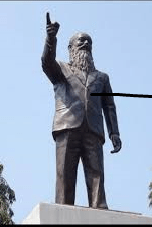
Born in 1915 in Portuguese Goa, Jack de Sequeira was not a fiery revolutionary in the conventional sense. He was measured, thoughtful, and deeply democratic in temperament. Yet beneath that calm exterior was remarkable political courage.
He founded and led the United Goans Party, which became the principal force opposing Goa’s merger with Maharashtra. At the time, this was not an easy or universally popular stand. Powerful political groups supported merger, including influential sections of the ruling establishment.
But Sequeira argued that Goa possessed its own cultural personality — expressed through Konkani language, local traditions, village institutions, architecture, cuisine, music, and social life.
Today this argument may sound obvious. In the 1960s, it was fiercely contested.
The Historic Opinion Poll
Rather than allowing politicians alone to decide Goa’s fate, Jack de Sequeira demanded that the people themselves should choose.
This was a bold democratic idea. Independent India had never before conducted a public vote of this nature on whether a territory should merge with another state.
After intense political campaigning and negotiations, the Government of India agreed. On January 16, 1967, Goa held the historic Opinion Poll.
Voters were asked a straightforward question:
Should Goa merge with Maharashtra, or remain a separate Union Territory?
The campaign was emotional, passionate, and deeply personal for many Goans. Villages debated the issue intensely. Families argued over it. Public meetings drew huge crowds.
Jack de Sequeira became the symbolic face of the anti-merger movement. His speeches often emphasised dignity, self-respect, and the importance of preserving Goa’s individuality.
When the votes were counted, the anti-merger side won decisively.
Goa would remain separate. The Opinion Poll permanently altered Goa’s trajectory.
Saving Konkani and Goan Identity
The Opinion Poll strengthened the long campaign for recognition of Konkani as a distinct language rather than merely a dialect of Marathi. Decades later, Konkani would gain official recognition in the Eighth Schedule of the Indian Constitution.
Equally important, Goa retained a political structure that allowed local culture to flourish on its own terms. Its distinctive blend of Indian and Lusophone heritage survived not as a museum piece, but as a living social reality. (BTW, Lusophone refers to any person, country, or community that speaks the Portuguese language. Derived from the ancient Roman province of Lusitania (roughly modern-day Portugal), the term is also used as an adjective (Lusophone Africa) or to describe the global Portuguese-speaking culture and community –the “Lusophone world”.)
Many Goans today — whether Catholic, Hindu, urban, rural, Konkani-speaking, English-speaking, or Marathi-speaking — continue to see the Opinion Poll as a foundational moment.
A Legacy Larger Than Politics
Jack de Sequeira later served in Parliament and remained respected across political divides. But his greatest legacy was not electoral success. It was helping a small territory articulate confidence in its own identity.
Interestingly, his leadership style contrasts sharply with modern political culture. He was not known for theatrical populism or aggressive rhetoric. Instead, he relied on persuasion, consensus-building, and democratic principle.
That may partly explain why his memory still carries unusual moral weight in Goa.
Today roads, institutions, and memorials honour him. Yet perhaps the most enduring tribute is Goa itself — a state that still retains a distinct cultural voice within India.Top of Form
Any time you visit Goa, don’t forget to give thanks to him—Goa is what it is today because of him!
And as the debate about the identify, administration and control of Ladakh are ongoing, it is a good time to remind ourselves of how we handled such situations in the past.
–Meena
x
In the story of modern India, there are some leaders whose influence stretches far beyond the offices they held or the elections they won. They altered the direction of history itself. One such figure was Jack de Sequeira — often remembered as the “Father of the Opinion Poll” in Goa.
At a time when the newly liberated territory of Goa stood at a crossroads, Jack de Sequeira championed something radical for the era: the right of ordinary people to decide their political future directly. His efforts culminated in the historic Goa Opinion Poll of 1967 — the only referendum-like exercise ever conducted in independent India on a major political merger question. Its consequences continue to shape Goa’s culture, language, identity, and politics even today.
Goa After Liberation: A Question of Identity
When Indian forces ended Portuguese colonial rule in Goa in December 1961, the region entered a completely new political reality. Goa, along with Daman and Diu, became a Union Territory of India. But soon another question emerged: should Goa remain distinct, or should it merge with neighbouring Maharashtra?
The merger proposal was not merely administrative. It involved deeper questions of language, culture, identity, and history. Many leaders in Maharashtra argued that Goa’s Konkani-speaking population shared cultural ties with Marathi-speaking Maharashtra and should therefore be integrated into it.
But others feared that Goa’s unique identity — shaped by centuries of interaction between Indian and Portuguese traditions — would disappear within a much larger state.
This was the moment when Jack de Sequeira emerged as a defining voice.
The Rise of a Reluctant Hero
Born in 1915 in Portuguese Goa, Jack de Sequeira was not a fiery revolutionary in the conventional sense. He was measured, thoughtful, and deeply democratic in temperament. Yet beneath that calm exterior was remarkable political courage.
He founded and led the United Goans Party, which became the principal force opposing Goa’s merger with Maharashtra. At the time, this was not an easy or universally popular stand. Powerful political groups supported merger, including influential sections of the ruling establishment.
But Sequeira argued that Goa possessed its own cultural personality — expressed through Konkani language, local traditions, village institutions, architecture, cuisine, music, and social life.
Today this argument may sound obvious. In the 1960s, it was fiercely contested.
The Historic Opinion Poll
Rather than allowing politicians alone to decide Goa’s fate, Jack de Sequeira demanded that the people themselves should choose.
This was a bold democratic idea. Independent India had never before conducted a public vote of this nature on whether a territory should merge with another state.
After intense political campaigning and negotiations, the Government of India agreed. On January 16, 1967, Goa held the historic Opinion Poll.
Voters were asked a straightforward question:
Should Goa merge with Maharashtra, or remain a separate Union Territory?
The campaign was emotional, passionate, and deeply personal for many Goans. Villages debated the issue intensely. Families argued over it. Public meetings drew huge crowds.
Jack de Sequeira became the symbolic face of the anti-merger movement. His speeches often emphasised dignity, self-respect, and the importance of preserving Goa’s individuality.
When the votes were counted, the anti-merger side won decisively.
Goa would remain separate. The Opinion Poll permanently altered Goa’s trajectory.
Saving Konkani and Goan Identity
The Opinion Poll strengthened the long campaign for recognition of Konkani as a distinct language rather than merely a dialect of Marathi. Decades later, Konkani would gain official recognition in the Eighth Schedule of the Indian Constitution.
Equally important, Goa retained a political structure that allowed local culture to flourish on its own terms. Its distinctive blend of Indian and Lusophone heritage survived not as a museum piece, but as a living social reality. (BTW, Lusophone refers to any person, country, or community that speaks the Portuguese language. Derived from the ancient Roman province of Lusitania (roughly modern-day Portugal), the term is also used as an adjective (Lusophone Africa) or to describe the global Portuguese-speaking culture and community –the “Lusophone world”.)
Many Goans today — whether Catholic, Hindu, urban, rural, Konkani-speaking, English-speaking, or Marathi-speaking — continue to see the Opinion Poll as a foundational moment.
A Legacy Larger Than Politics
Jack de Sequeira later served in Parliament and remained respected across political divides. But his greatest legacy was not electoral success. It was helping a small territory articulate confidence in its own identity.
Interestingly, his leadership style contrasts sharply with modern political culture. He was not known for theatrical populism or aggressive rhetoric. Instead, he relied on persuasion, consensus-building, and democratic principle.
That may partly explain why his memory still carries unusual moral weight in Goa.
Today roads, institutions, and memorials honour him. Yet perhaps the most enduring tribute is Goa itself — a state that still retains a distinct cultural voice within India.Top of Form
Any time you visit Goa, don’t forget to give thanks to him—Goa is what it is today because of him!
And as the debate about the identify, administration and control of Ladakh are ongoing, it is a good time to remind ourselves of how we handled such situations in the past.
–Meena

