A Pesky Problem: Pest Management

This week we have been exploring quaint expressions that describe human situations using animal analogies. Sometimes these become ‘bees in our bonnet’ as new analogies and comparisons buzz around in our imagination! One of these analogies is our description of someone as a “pest”, and our irritated response to such a person “Don’t pester me!”

Why is the word associated with persistent irritating behaviour in human beings? For that we need to go back to nature.  

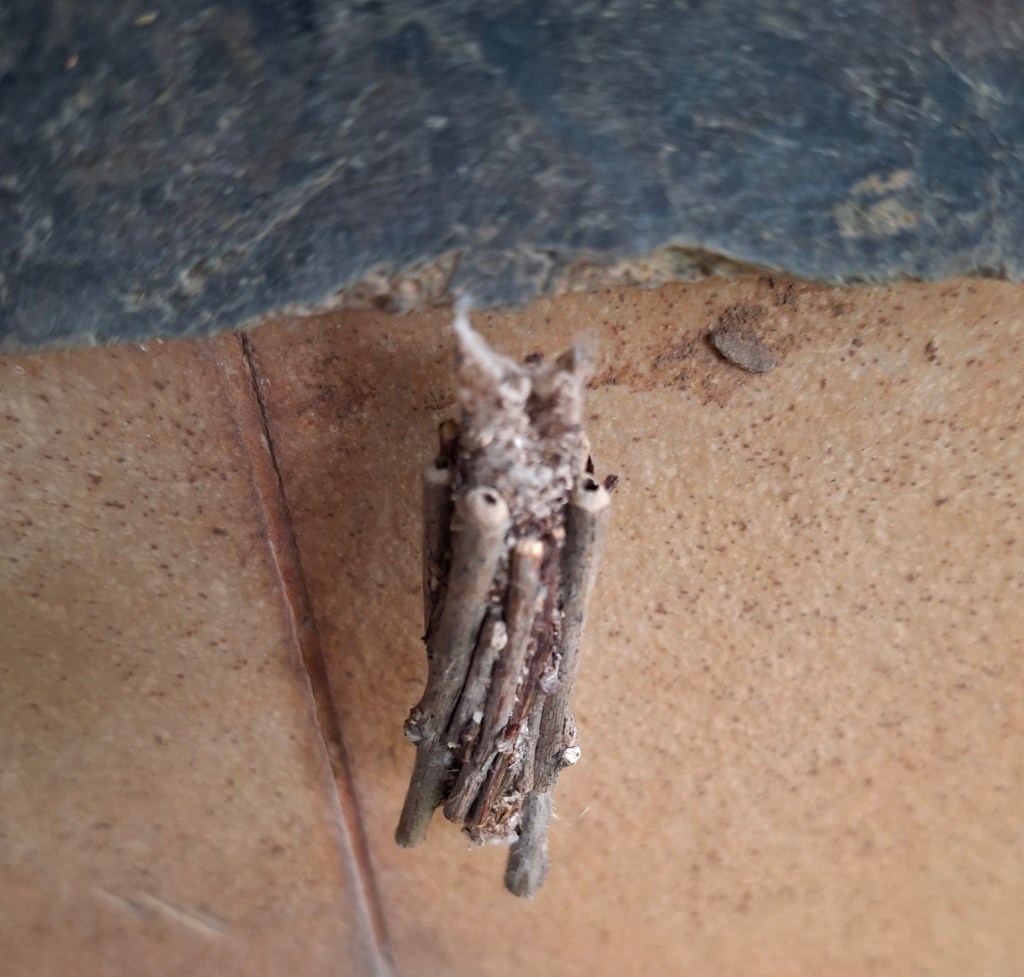
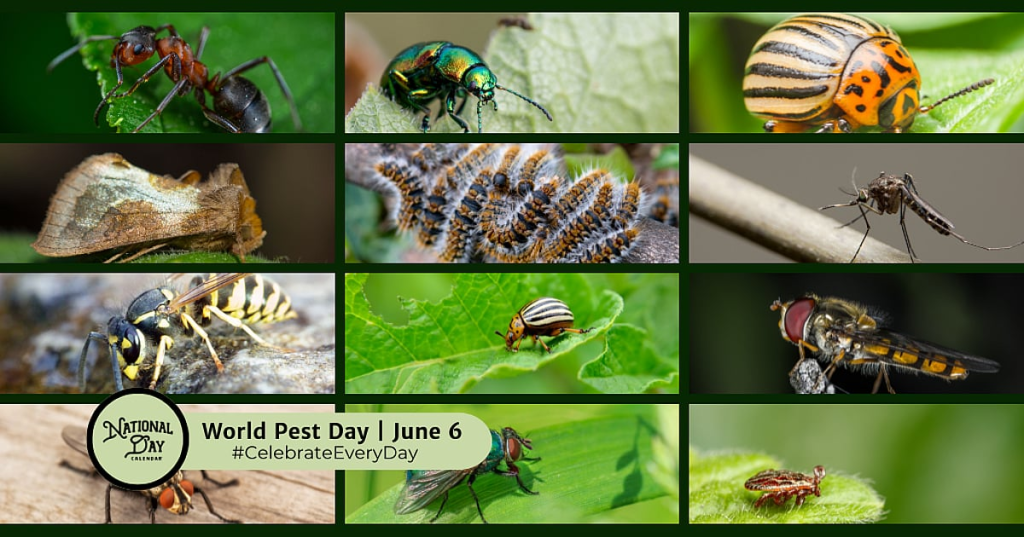
A pest is defined as any living thing which humans consider troublesome to themselves, their possessions, or the environment. This includes plants, pathogens, invertebrates, vertebrates or any organism that harms an ecosystem. In its broadest sense a pest is a competitor to humanity. Pests can cause issues with crops, human, or animal health, buildings, and wilderness areas.

Looking at insects alone, it is estimated that 900 million insect types can be ‘pests’ not in nature, but in a world where humans have modified nature to suit their own requirements. And the human species has always found ways, though not wise at times, to tackle insects and other living organisms that they did not like, or want around them. From the earliest times, the battle between humans and ‘pests’ has taken many forms.

Cave dwellers probably swatted mosquitoes or used smoke to ward off the bloodsuckers. As far back as 2500 BC, people used sulfur compounds to control mites and insects. In 1200 B.C., the Chinese deployed predatory ants against pests such as beetles and caterpillars.

With growing populations, and crowded and insanitary living conditions bed bugs and rats proliferated. One of the first publicly advertised pest control companies was the 1690 company H. Tiffin and Son Ltd. in London. The company promoted rat and bed bug control using methods and chemical compounds they invented. Their trademark was “Bug Destroyers to Her Majesty and the Royal Family.”

Probably one of the hardest pests to control are rats. Over the ages, methods to control rats have tried everything from chemicals, plant extracts, prayers, chants, terrier dogs, and music. Ratsbane was one of the first chemicals used. Barbers sold it in the Middle Ages. Then it became a popular item sold by street vendors. Vermin exterminators became a legitimate and in-demand profession. Till date, rats continue to pose a cheeky challenge to every counter measure to control them, and proliferate even in the most sophisticated cities of the world (New York has a serious rat infestation issue).  

Pests are a major threat to health worldwide. Many insects are the primary or intermediate hosts or carriers that transmit debilitating human diseases, ranging from malaria, to Lymes Disease, to Zika. Rodents and birds are also secondary hosts for a large number of diseases transmitted by the parasites that they carry into the human environment — ticks, lice, fleas and mites.

Crops are also at risk from pests which include aphids, caterpillars, whiteflies, locusts and mites. These insects cause damage by feeding on foliage, sucking plant sap, or transmitting diseases. These pests can devastate agricultural yields, reducing quality and quantity, and leading to significant food shortages.

Pests are equally threatening in human habitations. Termites, wood-boring beetles, carpenter ants, and rodents Termites, wood-boring beetles, carpenter ants, and rodents are the primary pests that destroy buildings by compromising structural integrity.

The universal frustration to successfully manage and control pests in every sphere of life, spurred a global effort to increase awareness about pest-related challenges and professional pest control solutions.

On 6 June 2017 the Chinese Pest Control Association hosted 300 participants including industry experts, media representatives, researchers and academic professionals to discuss how to promote awareness about the role of pest management in public health protection. In 2018, the Global Summit of Pest Management Services for Public Health and Food Safety was held in Portugal, and it was agreed to accord international recognition to an annual World Pest Day.

Since then World Pest Day is observed annually on June 6th across the world. The initiative aims to improve public, government and media awareness, strengthen the professional image of the pest management industry, encourage scientific pest control and highlight major threats caused by small pests. The day promotes scientific and responsible pest control practices while creating awareness about the threats posed by pests worldwide.

Sadly, in the past decade the threat of pest-borne diseases is growing due to climate change, international travel, globalization of trade and increasing urbanization taking over the natural habitats of disease-bearing pests. A better understanding of these diseases is essential for managing them in the future.

Parallely there is ever-growing need to produce more food, fodder, fibre and wood. The lifestyles of a number of insects seem to clash with people’s economic interests. There is a competition for resources and humans tend to describe all competitors as pests that have to be fought on a war footing. When the ‘wonder drug’ DDT was invented in 1939 we thought that the war against pests had been won. But soon insects developed a resistance to pesticides. Fighting pests with chemicals alone is not the answer as we have also learned that these chemicals can have terrible side effects on all living things including humans. We can neither turn back to a chemical-free earth, nor can we continue to poison ourselves.

While technology and researches in more effective chemical measures to counter pests continue to advance, what is perhaps being lost is a better understanding of the ‘pests’ and some traditional, and less toxic ways of meeting the challenge. One way is to take a closer look at pest species and their interaction with the environment, especially in agriculture. A combination of cultural, biological, physical and chemical techniques to manage and control pests is called Integrated Pest Management (IPM).  

IPM is an eco-system-based long-term strategy that minimizes economic costs while protecting human health and the environment by using chemical pesticides only as a last resort.  Effective IPM aims at a synergistic integration of five main methods.

Making the environment inhospitable to pests through crop rotation, planting pest-resistant crop varieties, and proper sanitation (removing food and water sources).

Using natural predators especially certain birds, parasites, or pathogens to manage pest populations (e.g., introducing ladybugs to eat aphids or utilizing bio-pesticides).

Using traps, barriers, netting, or temperature manipulation to physically block or remove pests.

Applying synthetic or natural pesticides in a highly targeted manner taking care to minimize unnecessary environmental impact.

Using genetically modified, resistant plant hybrids or crops (like Bt corn) that naturally deter specific pests.

IPM provides a sustainable, eco-friendly alternative that keeps pest populations in check while preserving ecosystem harmony.

“Pest” is a word conveniently created by us to describe whatever we perceive as a deterrent to our well-being. In Nature every creature has a role to play, the distortion of the role begins when we disturb or alter the natural balance.

In an age when technology seems to be the panacea for all ills, it would be wise to stop and remember, as well as respect, that the health of the ecosystem is the key determinant for the health of all living things.

–Mamata

Borim Kim: Climate Activist Every Action Counts

As we get ready to celebrate one more World Environment Day, for a few days, positive stories about actions to ‘save’ the environment will share space with the daily dose of gloom and doom that have become our daily fare. This week Meena wrote about how Governments are trying to make an impact, or measure the impact of global and national efforts to mitigate the overwhelming consequences of so many wrong steps.

While these are large-scale projects undertaken on large scales, throughout the history of environmental efforts, there have also been heart-warming stories of smaller efforts by small groups, communities, and even individuals, who have taken up causes and worked relentlessly for these. Most of these do not make the headlines, but they do make a difference in their own time and space. And some of these receive recognition.

One of these recognitions is The Goldman Environmental Prize. It was founded in 1989 by San Francisco civic leaders and philanthropists Richard and Rhoda Goldman as a way to demonstrate the international nature of environmental problems and draw public attention to the global need for action.

The Goldman Prize recognizes grassroots environmental champions for significant efforts to protect and restore the natural environment. It considers those leading campaigns locally, and effecting positive change through community participation as ‘grassroots leaders’. It is a recognition of “People of ordinary backgrounds doing extraordinary things to save our Earth”.

The Prize believes that a strong environmental movement requires diverse talents, perspectives, and leadership. Often referred to as the Green Nobel, the awards are conferred every year to outstanding environmental advocates from each of the world’s six inhabited geographic regions: Africa, Asia, Europe, Islands and Island nations, North America, South and Central America.

The 2026 Goldman Environmental Prizes were announced on Earth Day this year. A unique feature of this year’s prizes is that all the six winners are women!

Let us celebrate these women this month. Starting with Asia, and young blood

BORIS KIM

Activist Boris Kim and her organization Youth 4 Climate Change won the first youth-led climate litigation in Asia.

It was the summer of 2018, and South Korea was in the throes of a record-breaking heat wave. Borim Kim had just graduated from college and was working on energy conservation in a self-sufficient community in Seoul. The heat wave took a heavy toll as people struggled in buildings with no air conditioning. Borim realized that people, as individuals, could not escape the impacts of climate change. In her search for a way to become safer in the face of climate crisis, Borim found that many young people had similar concerns, but no solutions. This led her to start Youth 4 Climate Action (Y4CA).

Y4CA wanted to move the conversation away from individual solutions to the crisis, and work toward a fundamental transformation in society. The group started by organizing climate strikes and setting up meetings with decision-makers, including South Korea’s minister of education and minister of climate, energy, and environment. But the group soon realized that that just by demanding change, their safety in the face of the climate crisis was not guaranteed.

So in 2020, Borim decided to turn to the judiciary, which could require the legislature to act. Along with Y4CA, she organized a group of 19 youth who sued the South Korean government in the country’s constitutional court. Their suit, the first of its kind in Asia, made the case that the government was violating young people’s fundamental right to live in a clean environment by failing to adequately act on the climate crisis. Specifically, the plaintiffs contended that the government’s existing emissions reductions targets at the time — which sought to reduce emissions to 30 percent below 2020 levels by 2030 — were too weak. They argued that the absence of any additional planning past 2030 left future generations vulnerable. (Borim was not among the initial 19 plaintiffs, but she later joined the case, along with more than 200 others.)

In 2024, in a groundbreaking victory for the youth, the court agreed that the right to a clean environment includes protection from harms related to climate change. On that basis, it found that the government was violating youths’ rights by failing set emissions reductions targets for 2031 through 2049, in line with an existing national pledge to meet net-zero emissions by 2050. It ordered the Korean National Assembly to set such targets by February 2026.

Though the case represented the first youth-led national level climate victory outside of Europe, the plaintiffs didn’t win on all of their claims. Also due to political instability and inertia, the set targets were not achieved.

While the specific goal could not be achieved, the youth movement and the response from the judiciary were milestones in themselves. It was an affirmation that South Korean citizens had a basic right to “exist safely in the face of climate change”. As Borim Kim said, Ultimately, it created a red line from which the country’s climate policies would not go backwards.

Borim Kim continues to work to ensure that climate action moves forward in South Korea. Y4CA is also sharing lessons learned with other youth-led groups across Asia, including a group from Japan that is bringing a constitutional climate claim there. And she’s continuing to build the climate movement in South Korea. That includes making sure that youth and those who most directly face the inequalities of climate change have a voice in decision-making.

Borim Kim is the face of the future for the new generation that must bear the heavy brunt of climate change. A true ‘grassroots leader’ and deserving winner of the Goldman Environmental Prize.

Happy World Environment Day 2026.

–Mamata

The Report Card Nature Gives Us

Every year, World Environment Day arrives with familiar images — children planting saplings, speeches about sustainability, green logos replacing corporate blue for a day, and social media flooded with pictures of forests, oceans, and endangered animals.

And then, by the next morning, the world goes back to business as usual.

Factories continue to pollute rivers. Wetlands quietly disappear under concrete. Species vanish before most people even learn their names. Cities expand. Forests shrink. Temperatures rise.

Which raises an uncomfortable question: if every country claims to care about nature, who is actually doing a good job?

Surprisingly, the world has no single official answer.

There is no universally accepted “Nature Conservation Score” for countries. No equivalent of a cricket points table or Olympic medal tally for ecological responsibility. Instead, scientists, universities, conservation groups, and international organisations have created different systems to measure different aspects of environmental performance.

One of the best-known systems is the Environmental Performance Index (EPI), developed by Yale Center for Environmental Law & Policy and Columbia University. The EPI attempts to rank countries using indicators such as air quality, climate policies, biodiversity protection, water management, pollution control, and ecosystem vitality. In essence, it asks a broad question: How seriously is a country managing its environmental responsibilities?

The rankings often produce interesting results. Countries celebrated for economic growth may perform poorly environmentally. Others, less visible on the global stage, emerge as ecological leaders because of stronger conservation policies or lower environmental damage.

But the EPI is only one lens.

More recently, researchers introduced a more focused Nature Conservation Index (NCI) — an attempt to specifically measure how well countries protect biodiversity and ecosystems. Unlike broader environmental rankings, the NCI looks more directly at habitat conservation, threats to species, land-use pressures, governance systems, and future ecological risks.

This distinction matters. A country may have good urban pollution control but still destroy forests. Another may generate renewable energy while severely damaging wetlands. Environmental protection is a complex web of interconnected systems.

Then there is the Living Planet Index, produced by World Wildlife Fund. This index does not mainly rank countries. Instead, it tracks wildlife populations across the planet. And its findings are sobering. Many species populations worldwide have shown dramatic declines over the past decades. The Living Planet Index functions almost like a planetary pulse monitor. It asks: Is life itself becoming richer or poorer?

Another globally influential system comes from the International Union for Conservation of Nature — better known through its famous Red List of threatened species. The Red List categorises plants and animals according to extinction risk: vulnerable, endangered, critically endangered, and so on. When a species enters those categories, it becomes more than a scientific statistic. It becomes a warning signal about collapsing ecosystems.

Meanwhile, the Convention on Biological Diversity, linked to the United Nations, tracks biodiversity targets globally. Countries commit to goals involving protected areas, restoration, invasive species control, and ecosystem protection. These are not rankings in the conventional sense, but they form a vast international attempt to monitor humanity’s relationship with nature.

Why do all these measurements matter?

Because societies pay attention to what they measure.

Governments obsess over GDP growth because GDP is measured constantly. Investors track stock indices daily. Universities chase rankings. Sports teams live by points tables.

Environmental indicators attempt to bring the same discipline to ecological survival.

Without measurement, environmental destruction easily hides behind rhetoric. Governments can announce “green missions” while rivers die quietly. Corporations can advertise sustainability while their activities may lead ecosystems to degrade invisibly. Numbers are imperfect, but they create accountability.

And they also expose an uncomfortable truth: economic success and ecological wisdom are not always the same thing In fact, they are usually contrary..

Modern economies often reward extraction more than preservation. A forest cut down for mining can increase GDP immediately. A wetland converted into real estate may generate investment and jobs. Yet the ecological loss — biodiversity, groundwater recharge, carbon storage, flood protection — rarely appears in economic accounting.

India illustrates the challenge vividly. Few countries possess India’s ecological diversity — Himalayan ecosystems, rainforests, mangroves, coral reefs, deserts, grasslands, and rich wildlife habitats. At the same time, India faces immense developmental pressures: urbanisation, infrastructure expansion, industrialisation, mining, and rising consumption.

This creates difficult questions with no easy answers.

How much forest should be sacrificed for highways?

Can renewable energy projects damage fragile ecosystems?

How should tourism be balanced against biodiversity protection?

Every country now faces versions of these dilemmas.

That is why World Environment Day should perhaps evolve beyond symbolic tree-planting ceremonies and recycled slogans. The real environmental challenge is not whether humanity loves nature in theory. It is whether nations are willing to measure honestly what they are destroying, preserving, or restoring.

Nature conservation measures try to correct this blindness. Because ultimately, these indices are not really judging forests or rivers. They are judging us. They ask whether humanity is behaving like a responsible custodian of the planet — or merely a temporary consumer exhausting an inheritance built over millions of years.

And perhaps the most unsettling reality is this:

Nature does not care about our speeches, campaigns, or hashtags.

It responds only to actions.

–Meena

Nature’s Rule-Breakers: Flora and Fauna That Refuse to Behave “Normally”

When we are children, nature is explained to us in neat categories. Birds fly. Fish swim. Spiders spin webs. Plants make food from sunlight and quietly stay rooted in place. Mammals give birth to live young.

And then, slowly, nature begins to reveal its mischievous side.

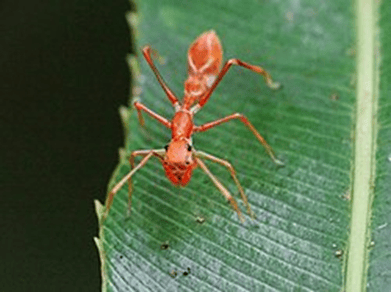
A spider hunts like a tiger instead of spinning a web. A fish walks on land. A plant eats insects. A mammal lays eggs. A mushroom traps worms. The more one studies biology, the more one realises that evolution has very little respect for the tidy boxes humans create.

Take the Huntsman spider, for instance. Most of us imagine spiders as patient architects sitting in intricate webs, waiting for prey to blunder in. The huntsman spider does something entirely different. It stalks and ambushes prey, relying on speed and agility rather than silken traps. In many ways, it behaves more like a tiny leopard than a conventional spider.

It is not alone.

The Jumping spider has remarkably sharp vision and leaps onto prey with astonishing precision. The Wolf spider actively chases its victims across the ground. The Trapdoor spider lives in underground burrows and springs out like an ambush attacker in a war film.

These creatures remind us that even within a single group, evolution can produce wildly different lifestyles.

Then there are mammals — supposedly the most familiar class of animals to humans. Mammals, we are taught, give birth to live young. Except some do not.

The Platypus looks as though it was assembled from spare parts: duck bill, otter feet, beaver tail — and it lays eggs, and it is a mammal! The male even has venomous spurs. Its cousin, the Short-beaked echidna, also lays eggs despite being a mammal covered in fur.These monotremes are evolutionary oddities, survivors from a far older branch of mammalian history. If they were discovered as fossils rather than living creatures, many scientists might have assumed them to be fictional hybrids.

Birds, too, refuse to follow the script.

We instinctively associate birds with flight, yet the Ostrich abandoned the skies to become the world’s fastest running bird. The Penguin transformed wings into underwater flippers and effectively “flies” through the sea instead of air. The Kiwi of New Zealand behaves almost like a nocturnal mammal, shuffling through forests at night with a powerful sense of smell.

And some creatures seem unable to decide whether they belong on land or in water. The Mudskipper spends large amounts of time outside water, “walking” across mudflats using its fins. The Walking catfish can wriggle across land between ponds. The Climbing perch survives out of water for surprisingly long periods.

Plants provide perhaps the most startling examples of all because we rarely think of them as active or predatory. The Venus flytrap snaps shut on insects with startling speed. Pitcher plant species lure prey into liquid-filled traps where victims drown and decompose. The Sundew uses sticky tentacles to ensnare insects. The underwater Bladderwort employs tiny vacuum traps. These carnivorous plants evolved in nutrient-poor soils where ordinary plant life struggled. Instead of relying solely on the earth for nourishment, they turned to meat.

Some plants go further still and become outright thieves. The parasitic Dodder wraps itself around other plants and steals nutrients directly from them. The Indian pipe is ghostly white because it lacks chlorophyll almost entirely.

Even fungi refuse to stay within expectations. Certain fungi trap microscopic worms using tiny snares and digest them alive. The common Oyster mushroom can behave like a microscopic predator. Ophiocordyceps unilateralis goes a step further, infecting ants and manipulating their behaviour before killing them in locations ideal for fungal growth.

Nature’s rebels are not limited to these. The Electric eel generates electricity powerful enough to stun prey. The Leaf sheep, a tiny sea slug, steals chloroplasts from algae and briefly becomes “solar-powered.” The New Caledonian crow manufactures tools, while the Naked mole-rat lives in colonies resembling ant societies, complete with a queen.

The deeper one looks into nature, the clearer it becomes that “normal” is mostly a human invention. Evolution does not work toward ideals or categories. It experiments endlessly. If a strange adaptation improves survival — whether that means a spider abandoning webs, a fish walking on land, or a plant eating insects — nature keeps it.

In fact, these biological rebels may teach us the most important lesson of all: survival often belongs not to the strongest or fastest, but to the adaptable, the unconventional, and the creatures willing to break the rules.

–Meena

Pic: Hunstman spider, Meena Raghunathan

Shades of a Purple Summer

The Indian summer is when our trees put up the most spectacular flower shows. Flame of the Forest—Butea monosperma whose flowers arrive in blazing orange. Different in tone, is the gulmohar—Delonix regia, with its wide, umbrella-like canopy and bright red blooms. The golden counterpart to these reds is the amaltas—Cassia fistula. Long cascades of yellow flowers hang down in late spring and early summer. The ubiquitous neem–Azadirachta indica has small white flowers which are easy to miss, but their scent. And they are an important part of New Year celebrations in many states.

Among all these are the purples. Three of them are commonly seen–the Pride of India, the loosely termed Indian Princess Tree, and the jacaranda form a quiet sequence of lilac and violet. Less flamboyant, but with gravitas.

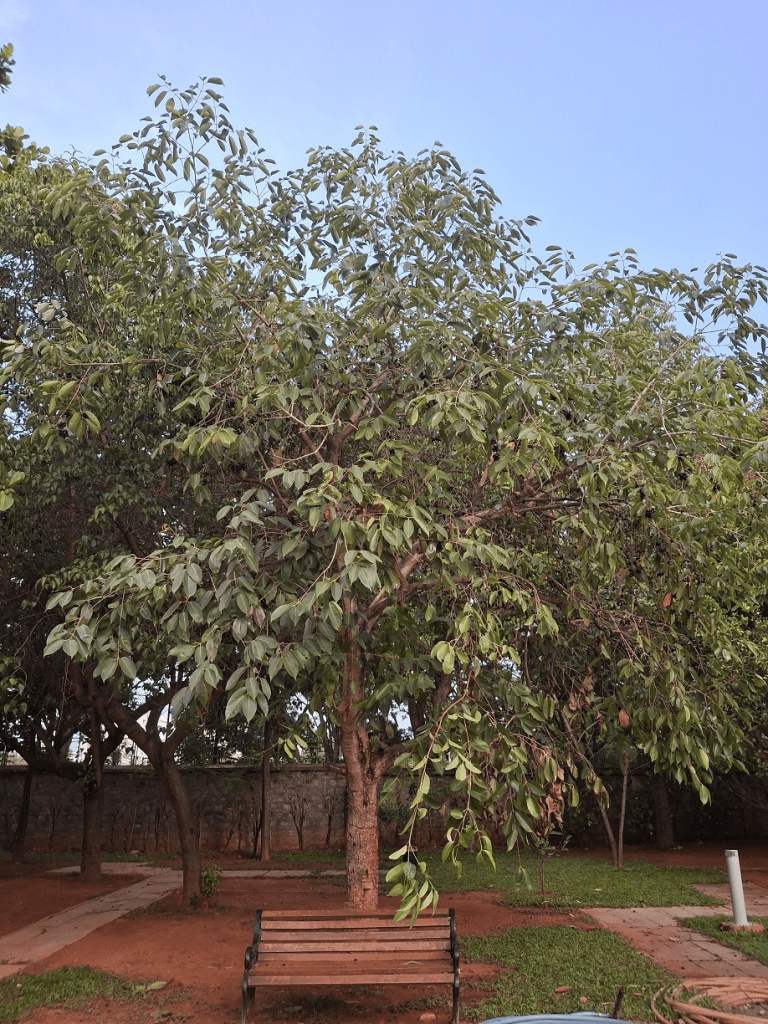
The Pride of India or Lagerstroemia speciosa, is both widespread and rooted. Native to the subcontinent, it thrives across peninsular and eastern India, and is deliberately planted in northern cities. It is a familiar presence along older avenues, institutional campuses, and residential roads—part of an earlier approach to urban planting that valued seasonal change as much as shade.

It flowers in dense clusters of lilac, mauve, and pink when most trees recede. The effect is immediate. A single tree can alter the look of a street. The name reflects thatm rather than any scientific classification—an attempt to capture abundance and presence.

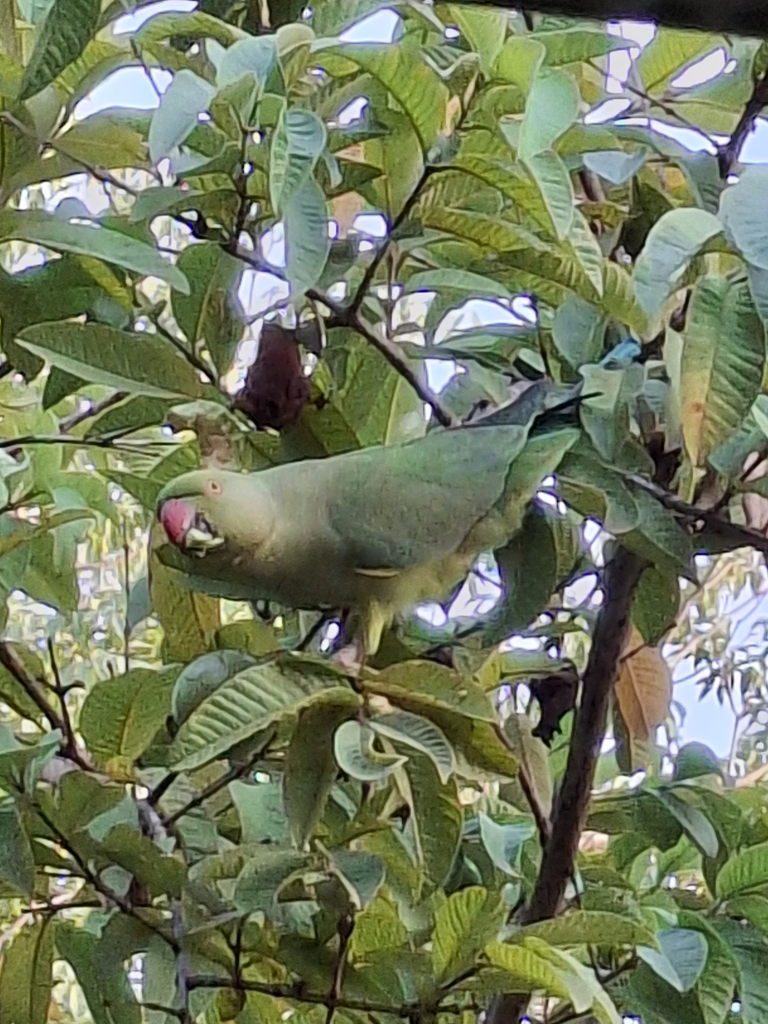
After flowering, it produces dry capsules that split open to release light, winged seeds, dispersed by wind. The process is largely unnoticed but effective, allowing the tree to regenerate in suitable conditions. Its flowers attract insects; in turn, birds move through its branches while foraging. Species such as the Red-vented Bulbul and Common Myna are frequent visitors, while others use it as a perching and nesting site, especially in dense urban areas where such cover is limited. In peak summer, its canopy becomes a resting space—shade functioning as habitat.

There is another layer to its presence. The leaves of Lagerstroemia speciosa—often called banaba—are used in traditional medicine, particularly in managing Type 2 Diabetes. They are associated with blood sugar regulation, as well as anti-inflammatory and antioxidant properties. This makes the tree unusual among urban ornamentals: it is not only seen and inhabited, but also used.

The Indian Princess Tree, often linked to Paulownia tomentosa, sits less comfortably in place. Despite the name, it is not native to India and is only sporadically seen—mainly in cooler hill regions or curated landscapes. The “Indian” prefix reflects randomness in naming rather than origin.

Its appeal lies in its restraint. Pale violet flowers, broader leaves, and a more open form create a softer effect than the Pride of India. The “princess” is probably drawn from this visual delicacy.

Its biology, however, is less restrained. After flowering, it produces capsules filled with thousands of fine, papery seeds, designed for long-distance wind dispersal. Given open ground and the right climate, these seeds germinate quickly. The tree grows fast, which explains both its horticultural appeal and its reputation, in some regions, as invasive. In India, its presence fortunately remains controlled and limited.

Ecologically, it plays a lighter role, probably because it is non-native. Its flowers attract insects, and birds may use it for cover or occasional nesting, but it is not a significant food source.

Between these two sits the Jacaranda—Jacaranda mimosifolia—not native, but now visually embedded in cities such as Bengaluru. Its lavender-blue flowers arrive earlier, often bridging spring and summer. For a brief period, roads are edged and sometimes carpeted with fallen blooms, before other trees come into flower.

Jacaranda’s role is largely aesthetic, but not only. Its spreading canopy provides filtered shade, and like the others, its flowering attracts insects, drawing in birds that follow.

Together, these trees complicate their own names. One is called “of India” and is largely at home. One is called “Indian” and is not. One carries no such label and yet feels entirely part of the Indian landscape. Naming suggests belonging; ecology tells a more precise story.

These three trees also differ in how they are encountered. The Pride of India tends to define a street, its flowering visible from a distance. The Princess Tree, where it appears, is noticed more gradually—through proximity, through shade. Jacaranda sits between the two, its colour spreading outward, often first seen on the ground before it is traced back to the tree.

What they share is timing. Each blooms when the landscape offers little else. Their flowering is staggered, creating a sequence rather than a single event. Jacaranda fades as the Pride of India strengthens; elsewhere, other species take over. The effect is not continuous bloom, but continuity of change.

In older Indian neighbourhoods especially in Bangalore, such trees point to a different planning logic. Streets were planted not just for shade but for variation—for shifts in colour, density, and light across months. As urban density increases and tree cover becomes more functional than expressive, these older plantings remain as records of that intent.

A shift in colour. A canopy that briefly interrupts heat. And, overhead, a dry capsule opening—unseen, but already carrying the next season forward. That is the Indian summer.

–Meena

Of Birds and Birdwatchers: International Bird Day — 1 April

April 1 traces back to the International Convention for the Protection of Birds, one of the earliest international efforts to formally recognise the need to conserve avian life. On International Bird Day, observed each year on April 1, the focus is usually on birds themselves—their fragile habitats, their migrations, their role in holding ecosystems together and the threats they face.

But today we are looking more at the people who watch birds and their idiosyncrasies.

Every obsession develops its own private vocabulary. Birdwatchers—or birders, as they prefer—have taken this instinct a step further. Over time, they have shaped a dictionary so distinctive that to outsiders it can sound faintly eccentric. Words here behave differently: they slip free of their everyday meanings, acquire new ones, and quietly signal who belongs.

Consider twitching. To most people it suggests nervousness or involuntary movement. In birding, it means deliberate, often hurried travel to see a rare bird reported elsewhere. A twitcher is someone who drops everything at short notice and sets off, binoculars in hand to chase that possibility. The term emerged in mid-twentieth-century Britain, when news of sightings spread through phones and handwritten notes, carrying with them a sense of urgency and barely contained excitement.

This habit of birders to repurpose language runs deep. A tick is not a parasite but a small victory—a species added to one’s personal list. A lifer marks a first-ever sighting, the kind that stays with you. A dip, on the other hand, captures a very specific disappointment: travelling all that way and missing the bird.

Some of the most intriguing expressions describe perception. Jizz—sometimes softened to giss—refers to the overall impression of a bird: its shape, posture, movement, the rhythm of its flight. You may not catch every marking, but you recognise it instinctively. “It had the jizz of a harrier.” There is no real substitute for this word, which perhaps explains why birders defend it with quiet determination.

Then come the social terms, edged with humour. A stringer is someone suspected of stretching the truth about sightings—their records “on a string.” A lagger arrives too late. A gripper is not an object but a bird so rare it inspires envy, and to be gripped off is to feel that envy keenly while still offering polite congratulations.

Even equipment is linguistically reshaped. Bins are binoculars. A scope is a spotting-telescope. To lock on is to get your optics trained on the bird before it disappears. These are practical words, forged in moments where seconds matter.

Place, too, carries its own vocabulary. A patch is a birder’s regular haunt, revisited across seasons and years. A stakeout involves waiting patiently at a known location. Suppression refers to an ethical choice—not publicising a rare bird’s location if attention might disturb it. To flush a bird is simply to make it fly off, usually by getting too close, and is generally frowned upon.

What stands out is how emotionally evocative this language is. It does not just describe birds; it maps the experience of pursuing them. Like any specialised language, birding slang creates community. To know the terms is to belong; to learn them is to enter gradually. Yet many of these words travel beyond their niche. Twitching now describes reactive behaviour more broadly. Jizz has been borrowed into design and art. Patch has found a life in other forms of local attachment.

Colour, in birding, acquires a precision that everyday language rarely demands. Birds are not simply brown or grey; they are rufous, buff, ochre, slate, ashy, olive, chestnut. A drab-looking bird, on closer inspection, becomes a composition of tones—warm on the flanks, cooler on the crown, a faint wash along the breast. These are not ornamental choices of words but functional ones, allowing birders to separate one species from another in seconds. To say “yellow” is often useless; to say “sulphur-yellow with a greenish wash” is to narrow the field.

Even familiar colours are subtly reworked. A “black” bird may, to a birder, show glosses of blue or green; a “white” wing might carry a hint of cream or grey that matters enormously in identification. Terms like supercilium (the eyebrow stripe), mantle (the upper back), and primaries (the outer flight feathers) turn the bird’s body into a map where colour is carefully located, not loosely described. Over time, birders learn to see in these finer gradations, and the language follows suit—less about naming colours as we know them, more about learning to see them as birds wear them.

Some colour words have travelled the other way—borrowed not to describe birds, but from them. Teal is the most familiar example, a word that once referred primarily to the small freshwater duck, the Eurasian teal, whose striking greenish-blue patch lent its name to a shade now used everywhere from fashion to design. What began as a bird became a colour, and then quietly detached itself, so that many people use “teal” today without any awareness of its avian origin.

This is not an isolated case. Duck-egg blue, robin’s egg blue, and peacock blue all carry traces of the natural world into everyday speech. The Indian peafowl, for instance, has given us a whole palette of iridescent blues and greens, while the soft tint of a robin’s egg has become shorthand for a particular pastel. In these instances, birding has quietly shaped how colour is named and imagined—proof that even those who never lift a pair of binoculars are, in some small way, speaking a language borrowed from birds.

In an age where English is increasingly standardised, birdwatching offers a reminder that language still evolves wherever people care deeply enough. These words were not coined for effect. They emerge out of necessity—to express experience, to share feeling, to laugh gently at oneself.

So this International Bird Day, stand quietly at the edge of a wetland or in your garden. Watch the birds and hopefully, you will get a tick!

–Meena

Pic: BNHS https://www.bnhs.org/nature-trails-details/

Seed Mother Rahibai Popere

The United Nations has declared 2026 as the International Year of the Woman Farmer (IYWF). This year aims to put the global spotlight on the central roles of women farmers in food security, nutrition, and economic resilience. We begin IYWF by starting with the local, with a salute to a woman farmer who epitomizes these roles through multipronged efforts. 

Rahibai grew up in a poor tribal family in the Ahmednagar district of Maharashtra. Her family had a meagre bit of land which they farmed during the monsoon season, but they had no means of irrigation during the dry months. So the family had to make ends meet by working in a sugar factory for the rest of the year. Poverty and the seasonal migration work prevented the young Rahibai from attending school. She was barely ten years old when she started helping her family with agricultural work. While she worked on the three acres that the family could manage to cultivate, the young Rahibai developed a deep connection to the land. Although only part of the rain-fed land was productive, Rahibai began by creating a farm pond on the remaining part of the land, to harvest the rainfall, and started to grow vegetables which brought the family some additional income. Not long after, Rahibai got married to Soma Popere, another farmer. In her married home, Rahibai continued to experiment, and to explore which crops could thrive best in arid conditions with limited water. As she grew older Rahibai also began to understand more about traditional culture and practice in crop cultivation, wild food resources, and comprehend the importance of agrobiodiversity. She discovered that tribal households traditionally had a backyard where grew multipurpose indigenous trees, shrubs and herbs, and seasonal vegetables. The produce from this supplemented the food and nutritional needs of the family through the year.

Rahibai experimented on her own small area of land, and arrived at her own methods through trial, error and practice. Her efforts led to her being able to productively use her entire small plot of land. The improved four-step paddy-cultivation practice which included use of paddy straw ash in the nursery, increased the yield by 30 per cent. She introduced innovative practices such as cultivation of beans on farm bund. She also learnt to rear poultry in her backyard.

Rahibai’s personal experience led to her strong conviction that it was the native crop varieties that could better resist drought and disease; moreover, they also helped retain soil fertility thereby eliminating the need for chemical fertilizers and excessive water. The native crops also had higher nutritive value. Thus she realized that the conservation of indigenous seeds was paramount.

This was a time when large seed companies were patenting hybrid seeds and aggressively promoting these. These seeds could not be saved for the next sowing season. Farmers were becoming overly dependent on these companies for seeds, and becoming increasingly caught in a debt trap to pay for these seeds. Rahibai also observed that villagers were frequently falling sick after eating food prepared from hybrid crops. She believed that this could be avoided by the use of indigenous seeds.   

Rahibai commenced her one-woman crusade to collect and save indigenous seeds. She started collecting local seeds with the help of other women farmers from Akole taluk in Ahmednagar district of Maharashtra. As the momentum grew, she formed a self-help group (SHG) named Kalsubai Parisar Biyanee Samvardhan Samiti to conserve native seeds. Rahibai started with a nursery of 4,000 seedlings of blackberry and distributed them among members of the self-help group. She then established a nursery of 5,000 seedlings comprising nine types of hyacinth bean, rice, vegetables, beans landraces and shared them with 210 farmers from seven villages across the Ahmednagar district.

Rahibai’s efforts of almost two decades have borne fruit. She has managed to conserve a variety of native crops including 15 varieties of rice, nine varieties of pigeon pea and 60 varieties of vegetables, besides many oilseeds. All this and more, not in a fancy nursery or greenhouse, but a patch of land near her house in the village of Kombhalne. She also encourages tribal families to establish kitchen gardens which can help support their nutritional security.

She has established a seedbank so that other farmers can also avail of these seeds which they do not have to pay for. Rather they are given seeds with the condition that they return twice the quantity of seeds that they borrow. Even seeds which are sold are sold at a lower price than they cost to develop, thus helping farmers save a substantial amount each year. The seed bank distributes 122 varieties of traditional or locally adapted species of plants and crops.

With successful implementation of all that she learnt, Rahibai has now become a crusader. She travels across Maharashtra and beyond to conserve indigenous seeds. She also creates awareness about the importance of indigenous seed conversation and talks to people about concepts such as organic farming, agro-biodiversity and wild food resources. She trains farmers and students on seed selection, techniques to improve soil fertility and pest management among others. She supplies farmers with seedlings of native crops, encouraging them to switch to native varieties. Indigenous seed melas or fairs are organised in different parts of Ahmednagar district to raise awareness about the diversity of seeds and the need to conserve them.

Rahibai has also realized the power of collective efforts. Her first initiative was the formation of the Kalsubai Parisar Biyanee Savardhan Samiti in Akole in Ahmednagar district. The Samiti works towards the conservation and propagation of traditional varieties of crops. Rahibai also heads another Self Help Group, Chemdeobaba Mahila Bachat Gat, in Kombhalne, through which many social initiatives like health camps, supply of solar lamps are organized, besides the agricultural initiatives.

While Rahibai’s efforts are making a visible impact at the district and state level, her efforts have also attracted attention outside. She was among the three Indians on the ‘100 Women 2018’, a list of inspiring and influential women from around the world released by the British Broadcasting Corporation. Her efforts were recognized nationally when she was conferred with the Padma Shri award in 2020.

Seed Mother or Beej Mata as Rahibai is popularly called, continues her mission, bringing a new sense of pride and self-reliance to small local farmers across Maharashtra, and beyond. 

Declaring 2026 as the International Year of the Woman Farmer is not only about celebrating these contributions but also about driving change. Rahibai is a living example of such contributions and about driving change.

–Mamata

Madhav Gadgil: The People’s Scientist Who Helped Win India’s First Environmental Struggle

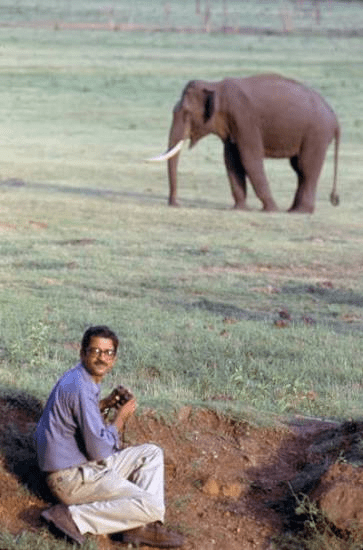
Madhav Dhananjaya Gadgil (24 May 1942 – 7 January 2026) was a towering figure in Indian ecology — a scientist, policy-maker, mentor, and grassroots environmentalist whose work reshaped how India understands the links between nature, people, and development. Often called a “people’s scientist,” Gadgil blended rigorous ecological science with deep respect for local communities, popular movements, and democratic participation in environmental conservation.

Silent Valley: India’s First Environmental Movement

Gadgil played a key role in one of the defining moments in India’s environmental history–the Save the Silent Valley Movement in Kerala during the late 1970s and early ‘80s. The state government had proposed a hydroelectric dam project that would have submerged a pristine stretch of rainforest in the Western Ghats, home to unique biodiversity. Local communities, scientists, poets, students, and activists mobilized against the project, marking one of India’s earliest and most influential environmental movements.

While many voices led by the Kerala Sastra Sahitya Parishad (KSSP) contributed to the struggle, Madhav Gadgil’s role was pivotal. His ecological research, field surveys, and clear articulation of Silent Valley’s extraordinary biodiversity helped transform localized protest into a nationwide call to protect forests and biodiversity.

He was a member of the high-level committee set up by the Government of India to take a call on this issue. The multidisciplinary committee was chaired by Prof. M. G. K. Menon, former Secretary to the Government of India. Gadgil served as a member of this expert committee, contributing ecological assessments that highlighted the valley’s irreplaceable biodiversity and the risks of irreversible ecological loss. His scientific input helped strengthen the case against the dam and gave credibility to what was, at the time, an unprecedented challenge to state-led development.

Equally significant was Gadgil’s engagement beyond formal committees. He worked closely with activists and civil society groups, translating complex ecological arguments into accessible language. Silent Valley demonstrated that science could empower people, and that environmental decisions could be contested democratically. The eventual shelving of the project and the declaration of Silent Valley as a National Park marked a watershed — proving that ecological reasoning and public mobilisation could alter national policy.

The success at Silent Valley is widely considered India’s first major environmental movement, catalyzing grassroots activism and inspiring future campaigns from the Narmada Bachao Andolan to forest rights movements across the country. Gadgil’s engagement with activists and communities during this period helped to define the approach for the environmental movement in India — one that bridged science, social justice, and grassroots mobilization. 

Early Life and Academic Foundations

Born in Pune to economist Dhananjay Ramchandra Gadgil, Madhav Gadgil grew up with a curiosity for nature that would shape his life’s work. After earning his Ph.D. from Harvard University, he returned to India and joined the Indian Institute of Science (IISc), Bengaluru, where he founded the Centre for Ecological Sciences in 1983 — one of the country’s first research institutions dedicated to ecology, conservation biology, and human ecology. He helped usher in quantitative and rigorous ecological research in India, while challenging scientists to see humans as part of ecosystems, not apart from them. He has over 250 scientific papers and several influential books.

Championing Community-Centric Conservation

Long before “community participation” became a buzzword in environmental policy, Gadgil argued that local people must be placed at the center of conservation efforts. He believed that traditional and indigenous ecological knowledge — from sacred groves to tribal land management — holds the keys to sustainable stewardship of ecosystems.

Western Ghats and the Gadgil Commission

Gadgil’s commitment to community-centric conservation reached a new peak in 2010 when the Government of India appointed him chair of the Western Ghats Ecology Expert Panel (WGEEP) — later known as the Gadgil Commission. The panel’s 2011 report recommended that nearly 64 % of the Western Ghats — one of the planet’s most significant biodiversity hotspots — be designated as ecologically sensitive areas (ESAs), with varying restrictions on development activities. It emphasised not only environmental safeguards but also community empowerment and sustainable livelihoods. 

Although the report was met with political resistance in several states and its recommendations were later diluted, its bold scientific and ethical vision sparked intense public debate and ongoing legal and civic activism. Subsequent environmental crises, including major floods in Kerala and Karnataka, vindicated many of the panel’s warnings about unchecked development and ecosystem fragility. 

Policy Influence and National Legacies

Gadgil helped shape India’s environmental legal framework. He was one of the key architects of the Biological Diversity Act (2002), which created mechanisms like People’s Biodiversity Registers to document and safeguard local biological knowledge. He also contributed to implementation of the Forest Rights Act, strengthening community claims over traditional lands. His advisory roles included membership on the Scientific Advisory Council to the Prime Minister and various national conservation bodies. 

Honours and Recognition

Gadgil’s work garnered some of the highest honours in science and conservation, including the Padma Shri (1981), Padma Bhushan (2006), the Tyler Prize for Environmental Achievement, the Volvo Environment Prize, and the UNEP’s Champion of the Earth award in 2024 — the United Nations’ top environmental accolade. 

In an age where climate, biodiversity loss, and development pressures intensify, Gadgil’s ethos — that science must serve society and empower its most vulnerable — continues to inspire generations of environmentalists, scholars, policymakers, and citizens alike. 

We are blessed to have had such a dedicated eco-warrior, teacher and scientist.

RIP Madhav Gadgil

–Meena

WASTE NOT WANT NOT: WORLD THRIFT DAY

The First International Thrift Congress was held in Milan, Italy from 26 to 31 October 1924.  It was attended by over 300 delegates from 27 countries, who shared a vision: to promote savings as a key to financial security and independence. This was a period following the First World War which was marked by financial instability, and loss of confidence in banks. Banks were adopting a variety of measures and incentives to encourage people to deposit savings in banks in order to secure some stability for future uncertainties. In fact the word savings itself originates from the early 14th century, symbolizing ‘salvat’ a way to protect oneself from life’s uncertainties.  

On the last day of the conference one of the organizers Professor Filippo Ravizza proposed that there should be an annual International Savings Day or Thrift Day, as a reminder of the importance of saving, and to foster the habit of saving. It was unanimously agreed that this should be marked on 31 October. The informal symbol chosen to represent World Savings Day was the piggy bank.

Over a hundred years later, World Thrift Day continues to remind about the value of saving. Taken in a broader context, the word ‘thrift’ implies more than just accumulating coins in a piggy bank, or money accrued in savings accounts and deposits in banks. It refers to the prudent management of one’s resources. It is the opposite of extravagance and waste. It encompasses the philosophy and practice of moderation, conserving, and economizing.

Perhaps there is no better example of a life led by these principles than Mahatma Gandhi. For Gandhiji thrift was not just a habit of saving money; it was an ethical and philosophical principle which guided every aspect of his life. For him, the most direct application of this was in the frugal use of resources in one’s daily life. While his own lifestyle reflected this in every moment of his daily routine, he also expected that the people who lived in his ashram do the same.

There are several anecdotes recalled by his colleagues and ashram inmates that illustrate this.

Kishorelal Mashruwala started working with Gandhiji from the time that Gandhiji returned to India from South Africa, and continued to be closely associated with him for the rest of his life. He recounted some incidents.

‘One of my young nephews lived with me at Sabarmati. He once tore his clothing during play and then went straight to Bapu’s room. Bapu saw the torn condition of the cloth, and when he saw my wife later he showed his displeasure at it. He said: “One need not be ashamed of clothes repaired with sewing or patches. Poverty in itself is not a matter for shame. But there is no excuse for a person to put on unmended or dirty clothes. A cloth must be repaired as soon as it is torn, and washed if it has become dirty”.

It is well known that Gandhiji never threw away a used envelope or telegraph form that was blank on the reverse. He would collect these and convert them into scribbling pads, to be used on the day of his silence, or to write drafts of his articles and important letters, or, sometimes, to write notes to be left for others, or sent to them. Mashruwala recalled this: ‘I may also mention a habit which I developed under his influence. It is that of preserving and using bits of paper written on one side, wrappers on book-post packets etc., and used envelopes. Perhaps the instinct of thrift was inherent in me, and it got encouragement by his example.’ 

Kamlaben Patel came to stay in Sabarmati Ashram with her father when she was a young girl. Every inmate was expected to participate in all tasks from cleaning, washing, cooking, and spinning; and every resource was to be used with respect and frugality. She recalled one incident.

‘One day Bapu was passing by the store when the goods were being unloaded. He stopped and enquired how much soap had come. The soap that we all used was round and white but hard as stone, and the cheapest one that was available. The next day after the women’s prayer Bapu enquired about how much soap was used by each family. From their replies it was calculated that the cost of soap for each person was from 75 paise to one rupee. Bapu proposed that the use of soap be reduced. The women frankly told Bapu that any reduction in use was not possible as the soap was used to wash thick white khadi clothes, sheets, pillow covers, and mattress covers. Bapu said that “you all know that the Ashram runs on the donations of people. We claim to be servants of the people. Three hundred people live in the Ashram, and if each one used one rupee worth of soap, what will our donors feel about 300 rupees being spent on soap every month? Even in the days when there was no soap, our clothes were clean were they not? You must consider reduction in soap use.” After a lot of discussion the women agreed to use 50 paise worth of soap each month. Bapu proposed 37 paise. The women said they would respond after more thought. The prayer meeting dispersed. The women reconvened and after considering all options, unanimously decided to inform Bapu that it was not possible to do with less than 50 paise worth of soap per person, and remain firm on this decision. After the prayer Bapu jokingly said that the women’s ultimatum was like the Viceroy’s ultimatum. He would go to Bardoli to provide an answer to the latter, but he bowed to the women’s ultimatum, and accepted their 50 paise demand.’ 

These insistencies may seem as if Gandhiji was bothering over trifles, but for him such thrift was not simply a habit of saving money, but a practice of core principles connected to self-sufficiency, non-violence and social justice.

He believed that self-sufficiency through Swadeshi was not just an economic protest against foreign goods but a practical lesson in self-reliance and dignity of labour.  He emphasized the respect for resources (material and human) that went into creating any product. He believed that wasting or careless use of any product was to disrespect the person who made it.

These were some of the pillars of Gandhiji’s concept of ‘trusteeship’, a principle that suggested that rich individuals should not see their wealth as their own to squander but as a trust held for the benefit of society, especially the poor. He believed that wealth beyond one’s basic needs should be used for the public good. 

Gandhiji believed that genuine happiness lay in contentment, not in endless satisfaction of demands. He encouraged individuals to voluntarily reduce their wants, arguing that this would lead to a more satisfying life and a more peaceful society.

These ideas are best summed up in Gandhihji’s maxim that ‘The world has enough for everyone’s need, but not for everyone’s greed’. He believed that the world naturally produces enough to satisfy the needs of every person, but insatiable wants lead to exploitation and environmental ruin.

World Thrift Day is a thus not simply a reminder of saving for a rainy day, but a promotion of a way of life that values and respects all resources and their wise use.

–Mamata

Operation Cat Drop: Borneo to Cyprus

As an environmental educator there was a popular story that we used to illustrate how everything is connected, and how one step can sometimes have a chain of unanticipated consequences that disturb the delicate balance of nature. The story goes thus:

In the early 1950s, there was a severe outbreak of malaria amongst the Dayak people in Borneo. The World Health Organization tried to solve the problem. They sprayed large amounts of a chemical called DDT to kill the mosquitoes that carried the malaria. The mosquitoes died and there was less malaria. That was good. However, there were side effects. One of the first effects was that the roofs of people’s houses began to fall down on their heads. It turned out that the DDT was also killing a parasitic wasp that ate thatch-eating caterpillars. Without the wasps to eat them, there were more and more thatch-eating caterpillars. Worse than that, the insects that died from being poisoned by DDT were eaten by gecko lizards, which were then eaten by cats. The cats started to die, the rats flourished, and the people were threatened by outbreaks of two new serious diseases carried by the rats, sylvatic plague and typhus. To cope with these problems, which it had itself created, the World Health Organization had to parachute live cats into Borneo. Operation Cat Drop as it was called, air dropped a number of cats (numbers range from 20 to 1400!) into the region. This step was visualized as the initiation of a reverse cycle that could restore the chain of predator-prey, wherein the cats would feed on the rats which were posing the public health challenge.  The story did not continue to describe the new consequences of this step.

I remembered this story when I read a recent report where the problem and not the solution has started with cats!

This is on the small island nation of Cyprus in the eastern corner of the Mediterranean where currently cats outnumber the local human population!

Cyprus has a long history associated with cats. It is believed that cats were first domesticated in Ancient Egypt. But archaeological discoveries of cat remains close to human burial sites in sites in Cyprus dating back around 9500 years ago indicate that the interactions between humans and cats may have started here much earlier. It is speculated that cats must have been introduced to the island from the mainland, and there are several stories about this. One legend states that in AD 328 Saint Helena, a Roman Empress began construction on a monastery on the island. At that time a terrible drought afflicted the area, people fled and snakes proliferated. Helena got boatloads of cats shipped over from Egypt and established them in the area to destroy the snakes. The monastery was built, but also destroyed later and subsequently rebuilt several times. But the cats remained and thrived, and established themselves as an unofficial sub-breed known as the Cyprus Cat.

There is still a monastery, St. Nicholas of the Cats, that is believed to have been founded by St. Helena and where there are some cats which are purported to be the descendants of the original cats! The monastery has a tradition of taking in any stray cat brought to them in honour of the centuries of service of the felines. Cyprus itself is an island of cat nurturers where cat food dispensaries and other cat services are a common sight. This has also added to its tourist attractions (albeit for cat lovers!).

Cyprus Cats are part of the island’s identity; they are an example of how ecology, cultural history and animal love intersect. But they are also an example of how too much of a good thing can be counterproductive.

With the passage of time, no outside interference, and favourable conditions, the cat population on the island continued to grow. Unchecked breeding, especially in urban areas has now turned into an explosion of feral cats. The cats now outnumber humans. And that is a matter of concern for the civic authorities. Given cats’ predatory nature, a larger than sustainable population has the potential to wreak havoc with the island’s ecosystem. The feral cats threaten local wildlife, they become urban traffic hazards as they scavenge for food in the populated areas, and they themselves carry threat of diseases which could spread rapidly if there is an outbreak. Without sustainable measures the situation can reach an irreversible point. And ecologists are concerned that this point is close.

In recent years there have been programmes to control the cat population through sterilization, but the numbers have now exceeded manageable limits. The civic authorities feel the effective control and management of the issue needs huge funding, as well as a concerted effort which includes the active participation of NGOs, national as well as international animal welfare organisations, volunteers, the general public, as well as the tourists.

While the parachuted cats of the Borneo story became the saviours of the moment, it would be interesting to go back and review whether the cats, in turn, impacted the ecosystem. Meanwhile the Cyprus Cats continue to challenge the fragile balance.

–Mamata