
As an environmental educator, one that did not academically have a ‘science’ background, my own ‘learn as you teach’ education included the building up of a glossary of environment-related terms. As environmental educators, our learning needed to be well-grounded; we had to correctly, but creatively communicate the concepts related to the words. In the early 1990s one of these terms was the Hole in the Ozone Layer. We developed an information and activity package to share the causes and consequences of this aberration to Nature’s way of protecting life on earth.
Over the decades that followed, the same exercise was carried out to communicate the issues of global warming, carbon footprint, unsustainability, and other words and concepts that held within them the frightening story of how humankind, in its race for technological and lifestyle progress was carelessly and callously destroying the very foundations of a sustainable life for all living things on earth.
While we struggled as educators to reach out, speci
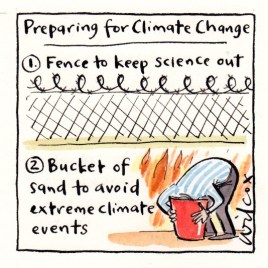
ally to the younger generation with the plea to tread lightly on the earth, the world galloped ahead—consuming more, wasting more, and damaging more, in the race to becoming faster, bigger, and stronger. Nature, overwhelmed, responded with increased frequency and intensity of natural disasters. And scientists introduced, what soon became the ubiquitous term Climate Change. This became the blanket word describing the frightening state of the world we live in; the core of international conferences and agreements, and the harbinger of the worse that was still to come. Millions of words were written and spoken on the subject, paying lip service to the concerns about climate change, while actions demonstrated the very opposite.
One way to mark this year that has seen probably the direst impacts of climate change, is the selection of Climate Emergency as the Oxford Word of the Year. This has been defined as ”a situation in which urgent action is required to reduce or halt climate change and avoid potentially irreversible environmental damage resulting from it.”
The annual Oxford Word of the Year is a word or expression that has attracted a great deal of interest over the past 12 months. Every year, this word is selected from a list as the one that best reflects the ethos, mood, or preoccupations of that particular year, and is perceived to have lasting potential as a word of cultural significance. Surprisingly this year the shortlist was dominated by words related to the environment including ‘climate action’, ‘climate denial’, ‘eco-anxiety’, ‘extinction’ and ‘flight shame’. But the term Climate Emergency stood out like a flashing danger signal.
Interestingly, last year, climate did not feature in the top words typically used in the context of ‘emergency’ which is generally associated with human health, hospital, and family emergencies. The attachment of the word Emergency with Climate reflects, for the first time, the fact that the health of the environment is being viewed with the same sense of urgency as the health of humans. As the editor-in-chief of The Guardian said: ‘We want to ensure that we are being scientifically precise, while also communicating clearly with readers on this very important issue. The phrase “climate change”, for example, sounds rather passive and gentle when what scientists are talking about is a catastrophe for humanity.’
Climate Emergency–Words that warn of impending cataclysm, even as nations and leaders talk and talk at the ongoing UN Climate Change Conference COP 25. Hopefully there will be some words, (and more actions) of wisdom as a fragile world teeters into a new decade.
–Mamata
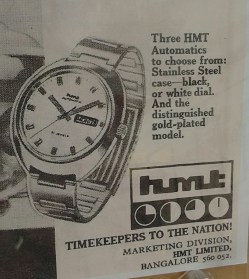 e passage of time was marked by the HMT watch! One’s first watch, the graduation watch, the watch that one was gifted, or gifted for a wedding—all these came in the form of an HMT watch.
 Today, Dec 3, is observed as the International Day of Disabled Persons. The Day was proclaimed in 1992 by the United Nations General Assembly.
 I hate when shops ask me to leave behind my handbag at the counter and give me a token in return. Apart from the general feeling of insecurity in being parted from my bag, there is the very real problem of juggling phone and purse as I shop. I certainly, however, will not be amenable to using ‘wallet parking’, though the service should be offered generously, as it is in a restaurant close to my office.
 cent children’s literature festival that I was a part of. At my story readings I started by spreading out an array of books related to that session. As soon as the children gathered there, each once grabbed a book and started leafing through it. Every child urged that I should read for them the book she/he had picked up. The excitement of seeing books accessibly displayed, and being able to pick up a book themselves was palpable.
 We who worked at the Centre for Environment Education (CEE) were lucky. The list of luminaries with whom we had the opportunity to interact was beyond belief.
 this past weekend. The venue itself was unique—the Art District in Alembic City with its sprawling lawns, old trees, and intriguing studio spaces housed in what was Alembic’s (remember those ubiquitous Yera glasses?) first factory, over a hundred years old! Imagine this coming alive with the colour, sound and movement of thousands of children—a vibrant tapestry seamlessly weaving the past, present and future.
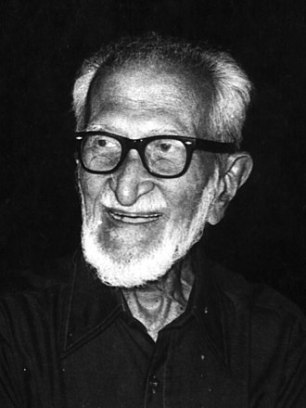 Salim Ali’s birthday falls on 12 Nov. He was born in 1896 and passed away in 1987. He may be credited with single-handedly bringing ornithology to India. And this interest in ornithology, as it spread, led to interest in wildlife and biodiversity; in environmental issues; in conservation; and in sustainable development.
 Millennial Matriarchs