Christmas Island: Galapagos of the Indian Ocean

This week the focus revolves around the numerous facets of Christmas–from festive decorations, to feasts and family gatherings. An appropriate week to share something that does not really share much in common with these facets except for its name. That is Christmas Island; so named because it was first discovered on Christmas day.

The island however may have been there millennia before its formal discovery and christening. A small speck in the Indian Ocean, Christmas Island is the peak of a steep basalt volcanic seamount that rose 5000 metres from the ocean floor about 60 million years ago. Located in the Indian Ocean 2600 km northwest of Perth in Australia and 350 km off Indonesia, this island is today a part of Australian territory. However it has a chequered history of human settlement.

For centuries the small island’s isolated location and its rugged coasts provided a natural barrier to human intrusion. Its sighting was recorded in the charts of British and Dutch navigators in the early seventeenth century. But it was named by Captain William Mynors of the Royal Mary a vessel of the East India Ship Company when his ship approached the island on 25 December 1643; but he was unable to land on the island. The first recorded landing on the island is believed to be by the English ship Cygnet under Captain Swan in 1688.

It was in the 19th century that several explorers visited Christmas Island. Some of these were naturalists who collected plant and animal species from the island which was rich in biodiversity. It was in 1887 during one of these collecting expeditions that the crew of a ship called HMS Egeria also discovered that the island had rich resources of phosphate which was a valuable fertilizer. This led the British to annex the island in 1888. Human settlement of Christmas Island began in 1888, when George Clunies-Ross, the owner of the Cocos Islands, sent his brother Andrew and a small party of Cocos Malay workers to form a settlement at Flying Fish Cove. He did this to pre-empt any other claim to the island’s phosphate resources.

The British leased the island to John Murray, a naturalist who had first predicted the presence of phosphates and George Clunies-Ross who initiated the first settlement on the island. Together the two set up the Christmas Island Phosphate Company which started mining and exporting phosphate from the island from 1900. The operation needed a large labour force for which they brought in Chinese, Malays and Sikhs as indentured migrant labourers. These were the early settlers who, over time, grew into a multicultural community. However at that time these workers lived in appalling conditions, and in the early years, hundreds of them died from beri-beri caused by malnutrition. But conditions gradually improved and the island’s phosphate industry continued to flourish in the period till the First World War, with Japan as the biggest customer.

During the Second World War, the island was targeted by the Japanese who wanted to capture the phosphate deposits. In 1942 Japanese troops took over the island and the phosphate mining provided rich fertilizer for the Japanese Empire. The island was an arena for several acts of war between the Allied and the Japanese forces until 1945 when Japan surrendered. The island was re-occupied by the British in October 1945.

The Australian and New Zealand governments purchased the Christmas Island Phosphate Company in 1949, and administrative responsibility for the island shifted from the UK to the British colony of Singapore. When Britain was giving up many of its colonies after World War II Australia expressed an interest in acquiring Christmas Island. In 1958, sovereignty of the island was transferred to Australia. As part of the transfer, Australia paid Singapore £2,800,000 as compensation for lost phosphate revenue. Christmas Island became an Australian Territory on 1 October 1958. This day is celebrated on the island as Territory Day.

The centuries of mining and exploitation for phosphate had left huge scars on this island which with its unique geology supported rare species of endemic plants and animals not found anywhere else. Many of the flora and fauna unique to this ecosystem had reached the point of being endangered. In the 1970s it was realized that this exploitation could have a serious impact on the Abbot’s booby a bird that nests only on Christmas Island. In 1974 a committee recommended that conservation of such endangered species was critical. This resulted, in 1980, in the creation of a national park on the south-western part of the island. This was further expanded in 1986 and 1989 to create the Christmas Island National Park. Today the park extends over 64% of the island’s land area as well as extending 50 metres offshore. The area protects rainforests, wetlands, freshwater mangroves, sea cliffs and coral reefs, each harbouring a rich diversity of life.

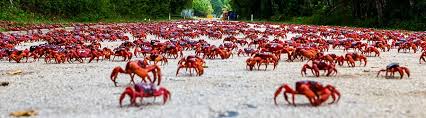
Red crab migration on Christmas Island

Perhaps the most significant of this is the great variety of crabs that have earned it the sobriquet as the kingdom of crabs. Among these crustaceans is the enormous robber crab, and the red crabs whose annual migration from the rainforest to the ocean in an unforgettable spectacle. Every year, millions of red crabs move from Christmas Island’s interior rainforests to the ocean to breed and lay eggs. A single female can lay up to 100,000 eggs. Red crabs must keep their bodies moist, so they wait for the rainy season to provide conditions that are ideal for the difficult journey. During migration, red crabs climb over and around obstacles in their way, following the same migration paths every year. 

The island’s 80 km coastline is an almost continuous sea cliff rising up to 20 metres in height. In a few places the cliff descends to shallow bays with sand and coral shingle beaches. The island is surrounded by a narrow circling reef teeming with swarms of tropical fish species. Dolphin, whale sharks, turtles and manta rays are easy to spot.  Today Christmas Island has become a naturalist’s paradise. Often described as the Galapagos of the Indian Ocean, Christmas Island has replaced phosphate mining with ecotourism. A heartening case of exploitation transformed into caring conservation.

–Mamata

The Ultimate Flower-Clock

Wouldn’t it be beyond-beautiful if we had a clock which did not tell time by mundane numbers and needles, but by a particular flower blooming? Imagine if you peeped out of the window and you could look at this clock, and tell if it was 12 noon, or 1 pm or 2 pm by the flower that was blooming!

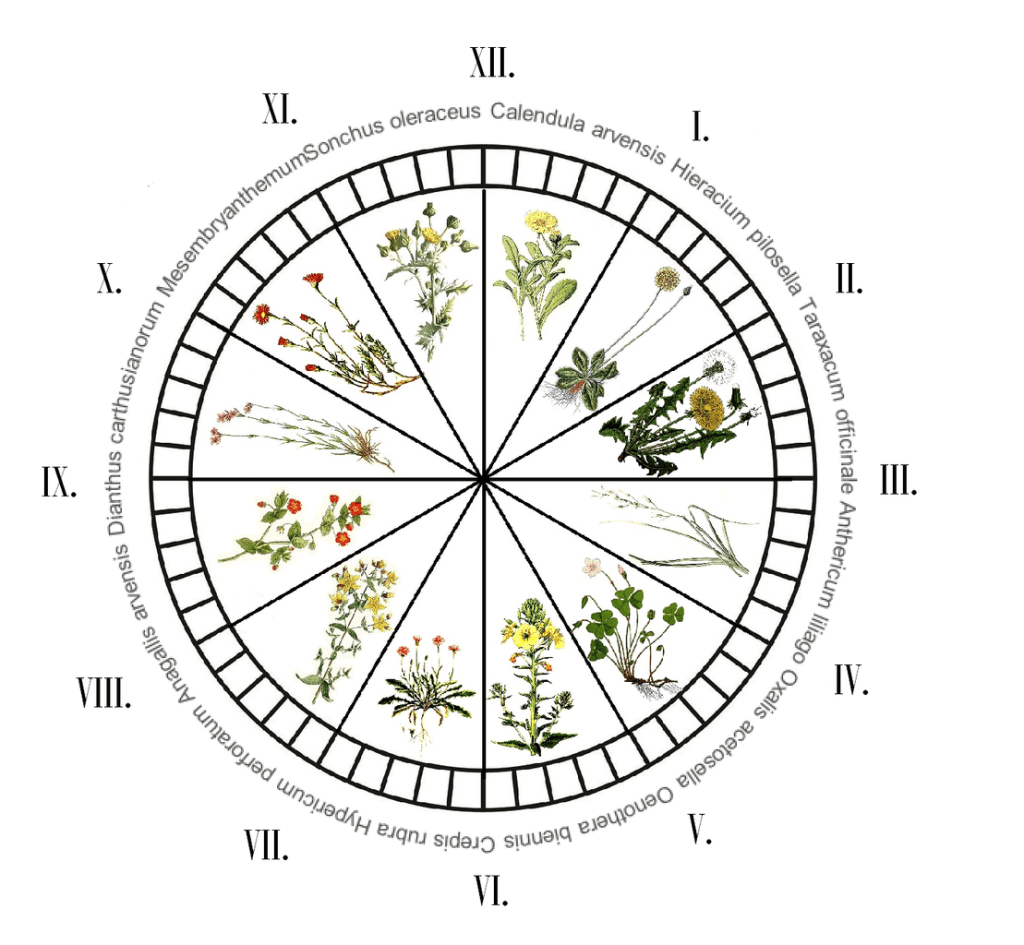
This was the kind of clock that Carl Linnaeus dreamed of.  Linnaeus’s flower clock or Horologica Floræ is a garden-plan thought up by Linnaeus that would take advantage of plants that open or close their flowers at particular times of the day, to accurately indicate the time.

As most of us would remember from school-biology, Linnaeus was the Swedish naturalist who laid down the principles for defining genera and species of organisms, and created a uniform system for naming them (the binomial nomenclature). His book, Systema Naturae (The System of Nature) consisted of only 11 pages but laid the foundations of taxonomy. It presented a hierarchical classification or taxonomy, of the three kingdoms of nature: stones, plants, and animals. Each kingdom was subdivided into classes, orders, genera, species, and varieties. All modern classification systems in biology have their roots in the Linnaean classification system which is based on similarities—for instance, Linnaeus grouped together organisms that shared obvious physical traits, such as number of legs or shape of leaves.

The Linnaean system of classification consists of a hierarchy of groupings, called taxa (singular, taxon). Taxa range from the kingdom to the species. The kingdom is the largest and most inclusive grouping. It consists of organisms that share just a few basic similarities. Examples are the plant and animal kingdoms. Then come the phylum, then the class, order, family, genus, and finally the species–the smallest and most exclusive grouping. It consists of organisms that are similar enough to produce fertile offspring together.

Linnaeus greatest contribution to science was his method of naming species. This method, called binomial nomenclature, gives each species a unique, two-word Latin name consisting of the genus name and the species name. An example is Homo sapiens, the two-word Latin name for humans, literally meaning “wise human.”

But if Linnaeus saw order in the natural world around him, he saw beauty too. In around 1748 he started thinking about the flower-clock. It builds on the fact that there are species of plants that open or close their flowers at set times of day. In his publication Philosophia Botanica, he gives 46 examples of flowering plants that are open during particular parts of the day. He brought together 43 of these under the heading Horologium Florae, or Floral Clock, arranging them in a time sequence from 3 am to 8 pm. The time at which each flower opens and closes is given in whole and half hours.

To give you a glimpse, here are a few rows from Linnaeus’ table:

Botanical nameCommon nameOpening timeClosing time
    
Tragopogon pratensisGoat’s-Beard3 a.m.
Cichorium intybus L.Chicory4–5 a.m.
Reichardia tingitana (L.) RothFalse Sow thistleby 6 a.m.10 a.m.
Taraxacum officinale WeberDandelion5 a.m.8–9 a.m.
Crepis alpina L.Hawk’s beard5 a.m.11 a.m.
Hieracium umbellatum L.Hawkweed6 a.m.5 p.m.

Though Linnaeus worked for years on this, the observations and hence selection and organization of flowers were not complete.  Linnaueus’ son Carl the Younger was given the task for completing the table so that the clock could be built. Unfortunately, Linnaeus the Younger’s floral clock was never completed, and his observations on the opening and closing of flower have not been found among his surviving papers.

Alas, no one has actually built such a clock, and it is not even clear that it is possible.  There are many practical issues to overcome. For instance, it would only function for part of the year since plants don’t flower through the year; the time shown would be indicative at best since blooming times are in a range and would vary with specifics like weather and other atmospheric conditions; many of the plants that Linnaeus observed and selected were wildflowers from Sweden and may not be found in other places, or would behave differently in other places. And then, the clock may not work at all in some seasons, if there are not enough flowers which bloom then.

Well, in this digital age, there are some ingenious people who have created an app based on the idea. They have selected 24 flowers, one for each hour that would normally flower at that time of the day or night. Floræ – Linnaeus’ flower clock app is free on appstore for Apple and iPhone.

So maybe we have make do with that, till some genious actually builds the Horologica Floræ to blow our minds!

–Meena

https://www.countrylife.co.uk/nature/curious-questions-what-is-linnaeuss-flower-clock-259032

Wikipedia

Wikimeida Commons (Picutre)

Colours of the Year

This is the time of year to look back upon the months gone by, of the highlights and the nadirs that marked the passage of time. Of the many exercises that have become a regular part of this stock-taking is the announcement of the Words of the Year by different dictionaries. Meena has just described the history, as well as the process for this selection.

There is another announcement that is perhaps not as much noticed. That is the one of the Colour of the Year. This selection is not the outcome of as long, and oftentimes, as participatory a process that the different dictionaries undertake prior to the announcement of the Word of the Year; and perhaps its history does not date as far back. The Colour of the Year is declared by the Pantone Company which is best known for its Pantone Matching System (PMS). This is a colour order system used in a variety of industries including graphic design fashion design product design and printing. Today Pantone has become the worldwide standard for selecting communicating and matching colours.

Pantone began as a commercial printing company of the Levine brothers, two advertising executives in 1950, in New Jersey. In 1956 the Levine brothers hired Lawrence Herbert who used his knowledge of chemistry to systematically order and simplify the company’s stock of pigments and production of coloured inks. By 1962, Herbert was running the ink and printing division, and was able to buy out the original owners. He renamed the company Pantone which was a combination of the words Pan (meanng All) and Tone (meaning colour).

The company’s primary products include the Pantone Guides, which consist of a large number of small (approximately 6×2 inches or 15×5 cm) cardboard or plastic sheets, printed on one side with a series of related swatches of colours in different shades and tones. Pantone colours are described by their allocated number (For example, PMS 130). The samples are bound into a deck that opens out into a fan.   

The idea behind the PMS is to allow designers to “colour match” specific colours when a design enters production stage, regardless of the equipment used to produce the colour. This system has been widely adopted by graphic designers and reproduction and printing houses. The standardization of colours is very helpful because different manufacturers in different locations can all refer to the Pantone system to make sure colours match.  

The idea of declaring a Colour of the Year was initiated by the Pantone Colour Institute in 1999 as a way to mark the entry into a new millennium, and in keeping with Pantone’s belief that colour “has always been an integral part of how a culture expresses the attitudes and emotions of the times”.

The colour selected each year was envisaged as one that captured a moment in time, tapped into collective values, and heralded the year ahead. It was also meant to reflect people’s changing attitudes and aspirations. Thus it is not randomly selected but an outcome of research that finds its way into discussions by representatives from various nation’s colour standards groups. These are at secret meetings hosted twice a year by Pantone in a European capital. The colours are chosen after two days of deliberations. With a database of thousands of colours at their fingertips, Pantone’s challenge is to narrow down a colour family and explore within it to find a hue that best expresses a widespread feeling. As the company says “We don’t simply come up with our thoughts about it; we look into our research and see what people are telling us they’re looking for.” The results of the meeting are published in Pantone View, which fashion designers, florists, and many other consumer-oriented companies purchase to help guide their designs and planning for future products.

Pantone’s Colour of the year 2024 was Peach Fuzz which was described as a light, delicate shade between pink and orange. The soft hue expresses the desire to nurture kindness, compassion, and connection. All of this helps foster a peaceful future and everlasting cosiness.

In 2024 more than ever before the world needed to be reminded of these qualities which alas were sadly lacking.

However continuing its hopeful optimism Pantone has just announced its colour for the Year 2025. It is a shade of brown that is called Mocha Mousse which, as the company reminds us, is all about thoughtful indulgence. The warm shade reflects a desire for nourishment in every facet of our lives, especially through simple pleasures like morning coffee, a chocolate treat, or taking a walk. And it’s not solely about treating ourselves but also the possibility of sharing those sweet moments with others. 

While fashion designers and architects play around with the colours of the year, for every one of us, Nature is the best reminder that every colour has its own shade and season. All we need to do is look around and marvel at its unmatchable palette.

And who better to remind us of this than the gentle author Ruskin Bond.

The Colours of Life are Everywhere

Colours are everywhere,

Bright blue the sky,

Dark green the forest,

And light the fresh grass;

Bright yellow the lights

From a train sweeping past,

The flame tree glow

At this time of year,

The mangoes burn bright

As the monsoon draws near.

A favourite colour of mine

Is the pink of the candy-floss man

As he comes down the dusty road,

Calling his wares;

And the balloon-man soon follows,

Selling his floating bright colours.

It’s early summer

And the roses blush

In the dew-drenched dawn,

And poppies sway red and white

In the invisible breeze.

Only the wind has no colour;

But if you look carefully

You will see it teasing

The colour out of the leaves.

And the rain has no colour

But it turns the bronzed grass

To emerald green,

And gives a golden sheen

To the drenched sunflower.

Look for the colours of life –

They are everywhere,

Even in your dreams.

–Mamata

The Black-eared One: Caracal

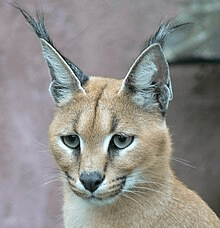
It is arguably the least-known cat-species of India. Its popular vernacular name based on the Persian words is syah (black)and gosh (ear). This is the caracal—the black-eared one. Caracals inhabit dry, arid regions and moist woodlands, living in small herds. They mark territory by clawing trees and releasing scent from glands on their faces and between their toes. They communicate with meows, hisses and spits.

A medium-sized cat (about the size of a jackal) with fur in varying shades from reddish-fawn to dull sandy, the caracal is distinguished by its ears. The ears are longer than in most felines and are pointed at the tips that end in an erect tuft of hair. The ears have almost 20 different muscles that control independently the motion of each ear and aid in their wide range of movements, which they use for a variety of communication. The ear tufts act as sensitive antennae, with the ability to detect even minute vibrations.

Strongly muscled with tall rear limbs the caracal is the athlete of the cat world. It can run at a top speed of 80 km an hour and can change direction in mid-air. It can launch its whole body as high as 10 feet above the ground in one jump, and can even catch birds in flight. This litheness enables it to be an effective predator; its diet includes rodents, rabbits and birds, it is known to subdue prey much larger than itself.

It is this ability that that made the caracal a favoured hunting or coursing animal in medieval India. The caracal was a favourite pet among royalty, dating back to the time of the Mughal emperors and on to the Maharajas in the British times. Caracals were tamed and trained to hunt game, especially birds. They used to be transported to hunting grounds hooded and leashed on a bullock cart, from where they were set after prey. Using its speed and agility, the cat would swiftly bring down large game birds like cranes, hares, antelopes and even foxes. However once it had successfully hunted the caracal would ferociously hang on to it, making it difficult to retrieve the kill. 

Caracals feature commonly in literature from the Mughal through to the British rule period, indicating that they were fairly common, and considered significant. In later years these cats began to disappear from the landscape and literature. As a result the caracal remains one of the least studied species of Indian felines. Their shy and elusive nature makes them difficult to spot in the wild; they are rarer to spot than a tiger.

Conservation biologist Dharmendra Khandal who has spent many years looking for studying this elusive creature has spotted the cat only five times in twenty years compared to the hundreds of times he has seen tigers. Today he is one of the few caracal experts in India. Research on this elusive nocturnal cat is incredibly difficult  because there are no captive caracals in the country.

Once found all across Central Asia and the Indo-Gangetic plains, today these cats are rarely, if ever, sighted in these parts. While the cheetah got hunted to extinction, the reasons for the vanishing of the caracal in India are not clear. While they may face a variety of threats. Increasing area under irrigated agriculture in the arid and semi –arid region that the caracal inhabits has led to habitat modification and loss. This has also affected its diet which earlier consisted largely of birds, but now includes rodents. Human intrusion due to increasing population, and increased activity such as large scale mining and setting up wind factories in the already fragile landscape has driven these cats to near extinction.

And indeed they have vanished. A 2015 study threw up the grave concern that only two populations of the cat remain in India. It estimated that only some 28 caracal individuals were believed to be in the Ranthambhore Tiger Reserve in Rajasthan, and around 20 in Kutch in Gujarat. Scientists fear that after the Asiatic cheetah, that was declared extinct in 1952, the caracal will be the second cat species to be wiped out from the country.

While the species is listed under “least concern” under the IUCN Red List globally, it has been listed as “near threatened” by the Conservation Assessment and Management Plan and IUCN Red List assessment in India. The species is included in the Schedule-I category of the Indian Wildlife (Protection) Act, 1972, offering it the highest possible protection.

Currently, three Protected Areas, namely, Ranthambore National Park and Kailadevi Wildlife Sanctuary in Rajasthan and Narayan Sarovar Wildlife Sanctuary in Kachchh, Gujarat are the only known strongholds of Caracals in India. Viable populations outside these protected areas remain either unknown or poorly monitored. 

In 2021, the National Board for Wildlife and the Ministry of Environment, Forest and Climate Change announced a Species Recovery Plan for the conservation and population revival of 22 species in India, including the caracal.

A ray of hope comes in the form of the recent news that the royal family of erstwhile princely state of Kachchh has transferred the ownership of Chadva Rakhal, part of their ancestral property to the state government of Gujarat for conservation of biodiversity.  The Government has transferred the 4,900-hectare woodlot to the Forest Department to support conservation efforts. The area will also include a caracal conservation breeding centre which will focus on the protection and breeding of the rare and critically endangered Caracal.

 A heartening gesture indeed. 

–Mamata

Celebrating Dragonflies

As the festive season begins, the next few months will see a variety of celebrations. Among the dazzle and din that marks the festivities, there is a quieter celebration going on in several parts of the country. This is the Dragonfly Festival.

Why celebrate dragonflies?

Dragonflies are believed to have been around for more than 300 million years, predating even the dinosaurs. Some of the ancient ones had a wingspan of over two feet! Today we can see only the miniature version of what may have been spectacular creatures, but they are no less charismatic.

Dragonflies are flying insects; members of the order Odonata. As do most insects, they have six legs, a head, thorax and abdomen which is divided into ten segments. They have four wings, and compound eyes which are made up of thousands of tiny units (ommatidia). Most dragonflies are beautifully coloured with shades of greens, reds, yellows and blues.

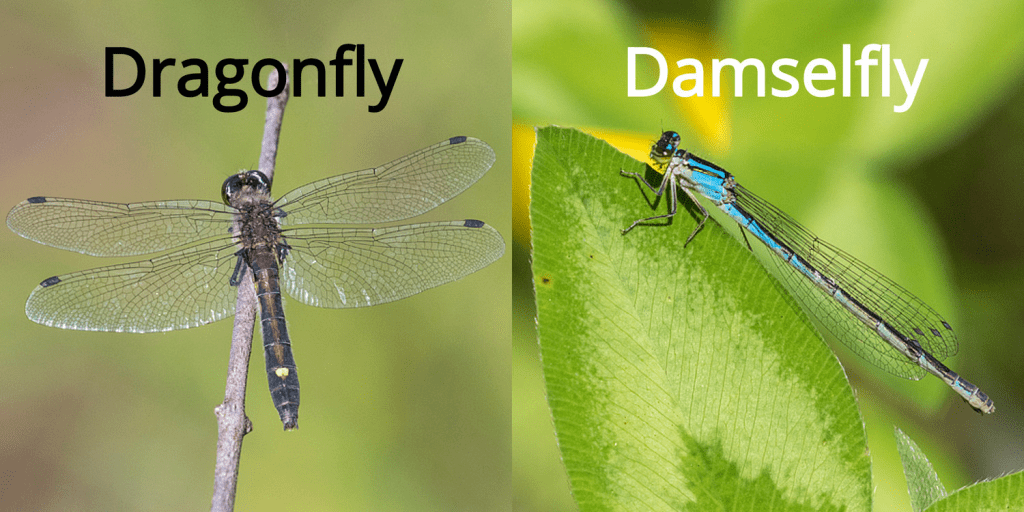
Within the order of Odonata, there are two suborders — dragonflies and damselflies. Although both are commonly called dragonflies, the two are distinct, with the most important difference being the position of the wings when at rest. A dragonfly’s wings will be held separately down at their side while a damselfly will hold its wings together over their back. Damselflies are slender while dragonflies have thicker bodies; and damselflies have two distinct eyes while the eyes of dragonflies typically almost meet in the middle of their head.

The dragonfly life cycle is uneven. The insects lay their eggs on the surface of the water, and the larva that emerges from the eggs is a grayish-brown creature that feeds on aquatic plants and larva of small insects. It remains in the larval stage for most part of its life, shedding the outer layers at regular intervals. For the final shedding it comes out of the water, climbs on a blade of grass, and emerges in its adult form with beautiful wings that make it a swift and graceful flier. It is this magical metamorphosis that has given the dragonfly spiritual associations in some cultures, where it symbolizes transformation and renewal. https://millennialmatriarchs.com/2019/09/24/dragonflies/

Dragonflies are remarkable flyers. When moving forwards they can attain a speed of almost 55 km per hour. They can hover in mid-flight for almost one minute and rotate 360 degrees in place. They can even fly backwards with similar alacrity. Their flying skills and sharp vision aid their hunting technique; they capture prey insects in flight. This has given them the name of Hawks of the Insect World. Adult dragonflies are mainly insect eaters but the nymphs also consume freshwater invertebrates, tadpoles, and even small fish. Being predators both at larval and adult stages, they play a significant role in the wetland food chain. Adult odonates feed on mosquitoes, blackflies and other blood-sucking flies and act as an important biocontrol agent for these harmful insects. They play important ecological roles not only as predators, but also as prey of birds, frogs and other aquatic creatures. 

Healthy aquatic ecosystems with strong food chains are critical for dragonflies to survive and thrive. When food sources for dragonflies are affected by the impact of insecticides, this leads to a disruption in the food chain. Which in turn indicates a threat to the larger ecosystem of which those food chains are a part. Thus dragonflies are important environmental indicators; a decrease in dragonfly populations signals that all is not well with the water quality, and in turn the aquatic ecosystem that it supports. 

Today, there are more than 5,000 different species of dragonflies and they can be found on every continent except Antarctica. But these are threatened as a result of threats to their habitats. Dragonflies are very sensitive to changes in the environment so change in dragonfly numbers could be an early warning signal of changes in wetlands. There is now increasing consciousness about the vital role of dragonflies, especially with the rapid degradation of wetlands across the world, due to a range of factors including spread of urbanisation, pollution, agricultural practices, and climate change. Conserving dragonflies and their habitat is being highlighted as a priority because they are valuable environmental indicators, including water quality and biodiversity.

The first step to conservation is a greater awareness and better understanding of dragonflies. This can begin with observing these in the context of their habitats, and recording odonate population trends.

India has over 500 species of odonata, with the greatest diversity in the Western Ghats and Northeast India. 196 species in 14 families and 83 genera are known from the Western Ghats. Of this, 175 species are reported from Kerala. Even though India is rich in Odonates, the general public has little awareness of this, nor its significance. Concerned about this, Society for Odonate Studies (SOS), a non-profit organization was formed to impart knowledge to the public about dragonflies and damselflies, and to conduct scientific studies with the objective of conservation of the species and their habitats. The Society created a surge of interest among young naturalists and wildlife enthusiasts in Kerala. SOS joined hands with WWF-India to launch a wider initiative which grew into the Dragonfly Festival.

The Dragonfly Festival started in 2018 to connect citizens with these fascinating creatures, demystify Dragonflies and Damselflies, and celebrate their importance. This is a unique Citizen Science campaign conducted across India which seeks to spotlight the significance and status of dragonflies and damselflies as indicators of healthy ecosystems, and support their conservation. The festival is a collaboration between international, national and local partners which include Bombay Natural History Society (BNHS) and Indian Dragonfly Society (IDS) and NBA UNEP, UNDP, Indian Dragonfly Society (IDS) and NBA UNEP, UNDP, and IUCN-CEC. Over the years the initiative has engaged thousands of individuals across several states. In addition to on-ground observation and identification, the festival includes expert sessions, nature walks, competitions, and workshops. This year WWF-India had called for volunteers to conduct regular surveys at a number of wetland locations, and monitor the species over a three-month period. The tasks will include photo documentation, observation and identification. The data will be uploaded on the India Biodiversity Portal. 

So many reasons to celebrate dragonflies! And, as India also celebrates Wildlife Week in the first week of October, a reminder that dragonflies and damselflies can be as charismatic as tigers and lions!

–Mamata

Fever Tree

Clay tablets from Mesopotamia mention this deadly disease. Indian writings of the Vedic period (1500 to 800 BC) call it the ‘king of diseases.’ Traces of the disease have been found in remains of bodies from Egypt dating from 3200 and 1304 BC. The 270 BC Chinese medical canon has documented the disease’s headaches, chills, fevers and periodicity. The Greek poet Homer (circa 750 BC) mentions it in The Iliad, as do Aristotle (384-322 BC), Plato (428-347 BC), and Sophocles (496-406 BC) in their works.

The disease? None other than malaria, a disease that has taken its toll on not only humans down the ages, but our Neanderthal ancestors too. In the 20th century alone, malaria claimed between 150 million and 300 million lives, accounting for 2 to 5 per cent of all deaths!

Many have been the scientists who spent their lives trying to understand malaria. Charles Louis Alphonse Laveran (1845-1922) a French army doctor during the Franco-Prussian played a key role. He as the first to postulate that malaria was not spread by bad air, but rather that ‘Swamp fevers are due to a germ’. He was also the earliest scientist to detect crescent-shaped bodies in the blood of affected individuals, and then the four stages of the development of the parasite in the blood. These findings were confirmed by Camillo Golgi. Dr. Charles Ross and India played a huge part in the unravelling of the whole cycle and Ross received the Nobel Prize for discovering the mosquito-stages of malaria.

The story of uncovering the cure for malaria has been dramatic too. For centuries, when no one had a clue what caused malaria, treatments included blood-letting, inducing vomiting, and drastic things like limb amputations, and boring holes in the skull. Herbal medicines like belladonna were used to provide symptomatic relief. 

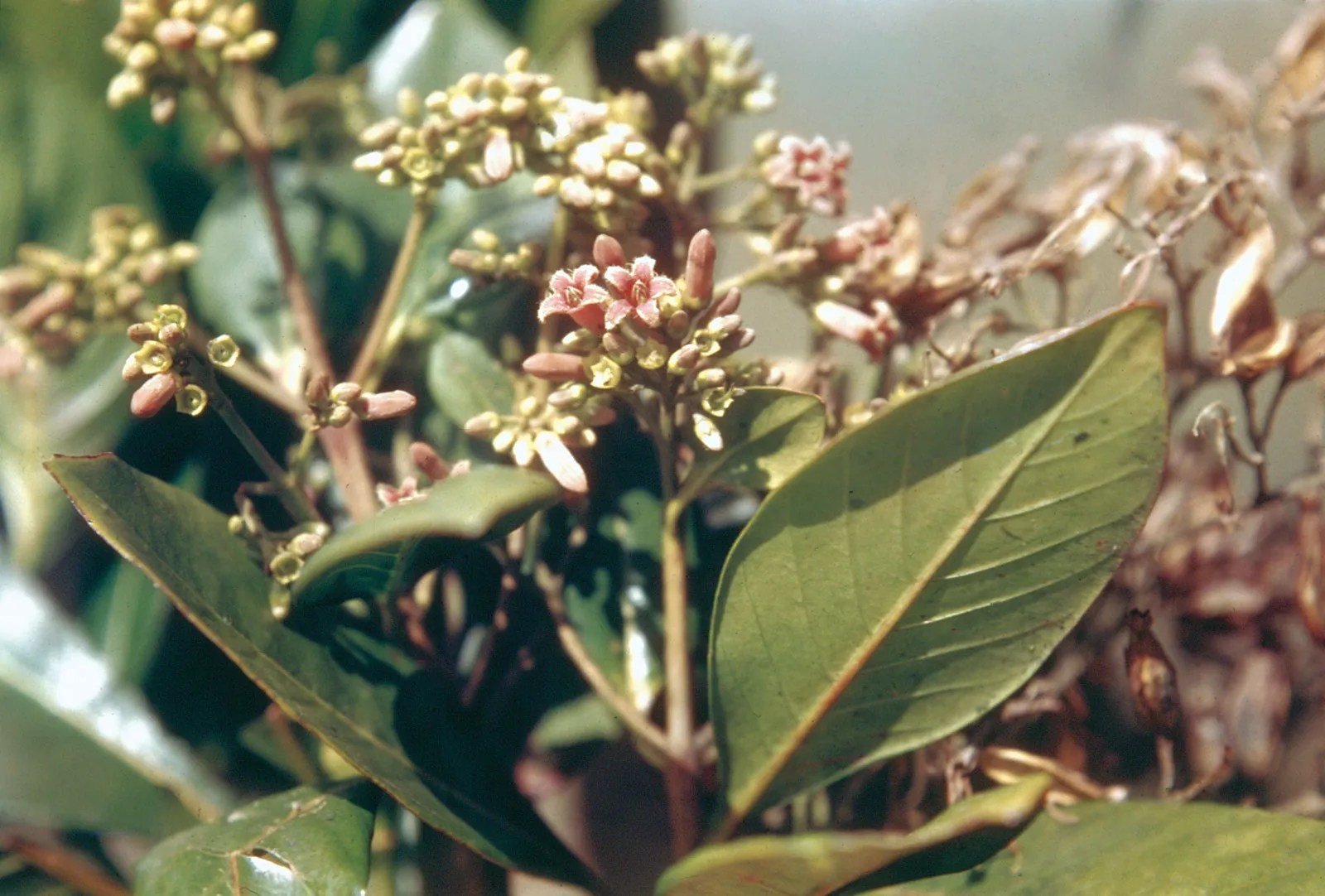
Cinchona-nitida-quinine
Cinchona Tree whose Bark yields Quinine

But the cure strangely came from South America—a region not originally plagued with the diease. It was probably brought from the outside around the 16th century. The native Indians were the first to discover the cure. The story goes that an Indian with a high fever was lost in the Andean jungles. Desperate with thirst as he wandered the jungles, he drank from a pool of stagnant water. The taste was bitter and he thought he had been poisoned. But miraculously, he found his fever going down. On observation, he found that the pool he had drunk from had been contaminated by the surrounding quina-quina trees. He put two and two together, and figured that the tree was the cure. He shared his serendipitous discovery with fellow villagers, who thereafter used extracts from the quina-quina bark to treat fever. The word spread widely among the locals.

It was from them that Spanish Jesuit missionaries in Peru learnt about the healing power of the bark between 1620 and 1630, when one of them was cured of malaria by the use of the bark. The story goes that the Jesuits used the bark to treat the Countess of Chinchon, the wife of the Viceroy who suffered an almost fatal attack. She was saved and made it her mission to popularize the bark as a treatment for malaria, taking vast quanitities back to Europe and distributing it to sufferers. And from then, the use of the powder spread far and wide. It is said that it was even used to treat King Louis XIV of France.

The tree from which the bark came was Cinchona, a genus of flowering plants in the family Rubiaceae which has at least 23 species of trees and shrubs. These are native to the tropical Andean forests. The genus was named so after the Countess of Chinchon, from the previous para. The bark of several species in the genus yield quinine and other alkaloids, and were the only known treatments against malaria for centuries, hence making them economically and politically important. It was only after 1944, when quinine started to be manufactured synthetically, that the pressure on the tree came down.

Not unusually, the tribe who actually discovered it is forgotten. The medicine came to be called “Jesuit Powder’ or ‘Chincona powder’ or “Peruvian powder’. Trees in the genus also came to be known as fever trees because they cured fever.

May the many indigenous community, their knowledge and their practices which are at the base of so many medicines today get their due recognition, credit and due.

–Meena  

Private Gardens for Public Pleasure

Last week, we delved into the making of the Butchart Garden in Victoria, Canada—a private garden which is completely open to the public. This is not common. For the most part, public gardens are public, and private gardens are private—open only to the enjoyment of the owners, their families and friends.

A public garden is defined by the American Public Gardens Association as: “An institution that maintains collections of plants for the purposes of public education and enjoyment, in addition to research, conservation, and higher learning. It must be open to the public and the garden’s resources and accommodations must be made to all visitors. Public gardens are staffed by professionals trained in their given areas of expertise and maintain active plant records systems.”

On the other hand, a private garden is ‘a type of Urban Green Spaces Areas in immediate vicinity of private (privately owned or rented) houses, cultivated mainly for ornamental purposes and/or non-commercial food production’ and is not usually open to the public.

While Jennie Butchart, creator of the Butchart Gardens was clear right from the start that she wanted as many people as possible to see and enjoy her gardens, not all owners have been so open. Or even if they wanted to, didn’t know how to go about it. But that would be such a loss, because some of these private gardens are spectacular.

And hence, the various initiatives in many parts of the world which try to make private gardens accessible to the public.

For instance, in the US, the Garden Conservancy organizes Open Day programmes. This institution is a nationwide community of gardeners and garden enthusiasts who teach and learn about gardens. Believing that there is no better way to improve as a gardener than by seeing and experiencing firsthand a wide range of gardens, they organize these Open Days, which since 1995, have seen ‘more than 1.4 million visitors into thousands of inspired private landscapes—from urban rooftops to organic farms, historic estates, to innovative suburban lots—in 41 states’. These events are curated and ticketed and open up some of America’s best private gardens to the public for a few days. The organization even brings out an annual publication—‘The Garden Conservancy’s Open Days Directory’ This is a yearly guide to hundreds of private gardens across the United States. The directory includes information on the gardens’ types, such as organic, scenic, or historic, and how and when they can be visited.

In the UK,  London Parks & Gardens organizes the Open Gardens London event every year, helping visitors enjoy hallowed private London gardens including roof gardens, city farms, allotments, spaces steeped in history, and much more. A ticket to the event gives visitors access to every garden on display across the whole weekend, with children under 12 allowed in for free!

Under the Open Gardens South Australia programme, garden owners generously open their gardens for a weekend. The NGO helps owners plan and promote their opening. Some of the ticket money is usually donated to a charity of the owner’s choice

In Ireland, the Gardens Open initiative of Garden.ie lists around 300 gardens open for visiting, some year-round, others by appointment.

Mughal Gadens

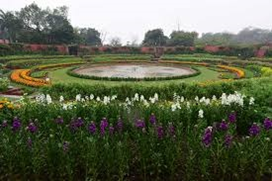
The Rashtrapati Bhavan gardens, previously known as the Mughal Gardens are not private. However, they are not open to the public all the time. Constructed by Sir Edwin Lutyens in 1917 in the traditional Persian Charbagh style the Gardens were renamed Amrit Udyan in 2023. The 12-acre beautifully cultivated gardens are open to visitors in Feb-March and Aug-Sept every year and a popular tourist spot in New Delhi.

India has some large public gardens, but no well-known large private gardens—certainly none open to the public. Maybe it is time for some people with the means and the green thumbs to create such green oasis in our crowded, polluted, frantic cities. That would be social responsibility indeed!

–Meena

Mangroves: Straddling Land and Sea

Vaulting strut roots crisscross one another, spikes of air breathing roots project from the mud, water casts a silvery shimmer on the underside of leaves…endless changing patterns. David Attenborough

Among the sandy and rocky shores of estuaries and muddy sea coasts, in places where any other tree would perish as a seedling, beneath daily tides and a salty diet, lives a special type of tree. These are the mangroves. There are many species of mangroves, but all are united by a common property: their tolerance to salt.

What makes these trees salt-resistant? Some mangroves take in sea water, extract the salt with special glands and secrete it from their leaves. Others have roots that filter out most of the salt even as it enters the tree. The remaining salt is stored in the oldest leaves of the tree—those that are about to fall. Thus the salt does little harm.

Mangrove trees have to adapt not only to living in salt water, but also to growing in continually shifting sandy soil which gives little scope for the trees to get a firm hold. Mangroves anchor themselves to the soil by sending out long roots from trunk and branches. These act as stilts to support the tree and prevent it from toppling over. The muddy water where they live contains very little oxygen, but the mangroves have an ingenious solution to this problem too. The trees send out a second air-breathing root system—not downwards, but poking up above the mud, like the snorkel of a diver!

The offspring of the mangroves are as remarkable as their parents. The seeds of most mangroves germinate on the tree, producing a pointed stem about a foot long, with roots and leaves just formed. If the juvenile plant drops into the water at low tide, the stem plummets into the mud below, and is ready to take root immediately. If the young plant is washed out to sea, it may eventually hit land—a sand bar or coral reef, and start to grow there. Someday, given the right conditions, this mangrove and its own offspring could start a mangrove swamp of their own.

In addition to the props that come down and the roots that poke up, the tangled roots at the base of the mangrove trap the silt and debris from the sea, as well as the trees’ own fallen leaves. Over time, this accumulation helps to create more land area around the mangrove trees. And a new habitat is created.

Mangrove swamps perform a very important role for the land and the ocean that they straddle. They provide vital breeding grounds and habitats for a wide variety of fish and crustaceans. The nutrient-rich soil provides food and shelter to innumerable organisms, including monkeys, deer and birds, and a source of nectar for honeybees. The fallen leaves provide shelter to tiny shelled creatures. Floating mangrove leaves provide a base for larval growth and micro fauna. The rotting leaves provide food for insects, reptiles and shellfish. These smaller creatures form food for the larger creatures that live or pass through the swamps. Many fish-eating birds come here for the abundant food and shelter. Mangroves support complex communities, where thousands of other species interact. It is a world teeming with biodiversity.

Mangroves also ensure food security for human beings. By sustaining fisheries and through the numerous forest produce they provide, mangroves also sustain local communities with food and livelihoods.

Mangroves nurture the seas and protect the land. Mangroves act as a form of natural coastal defence: reducing erosion, attenuating waves (including tsunamis) and reducing the height of storm surges. They protect coral reefs, sea grass beds and shipping lanes against siltation. They help control floods by catching and spreading high velocity flood waters and trap it amongst their roots. Thus they protect coastlines from erosion and extreme weather events, and contribute to water quality by filtering out nutrients and sediments. Mangrove soils are highly effective carbon sinks. They are among the most carbon-rich tropical ecosystems globally, and can contain more carbon per square metre than tropical rainforests. They also fight climate change – with global mangrove forests sequestering as much as 22.8 million tons of carbon each year.

Healthy mangrove ecosystems are vital for the wellbeing, food security, and protection of coastal communities worldwide. Mangroves are among the world’s most dynamic ecosystems, but increasing encroachment by development and industry means they are also among the most at risk.

All over the world mangroves are being degraded at an alarming rate. They are being destroyed at rates 3-5 times greater than average rates of forest loss. Multiple pressures are destroying these unique ecosystems which perform vital functions for both the terrestrial and marine habitats that they nurture and protect.

Mangroves are exploited, directly or indirectly, for food, timber, medicines, honey, charcoal, and fisheries. There is tremendous pressure on the areas where they grow due to increasing population and its demands. One of the main threats to mangroves is from habitat destruction for coastal development and aquaculture. Mangroves have been converted into salt pans, aquaculture ponds or paddy fields.  Rising sea levels are a longer-term challenge.

Pollution and over-exploitation are also reducing the ecosystem services provided by mangroves. Changes in local water conditions caused by upstream dams, irrigation and pollution have led to the loss of many mangroves. Mangroves are often used for dumping waste, including plastics that do not degrade, harming both these ecosystems and the species living there. The accumulation of marine debris can alter the physical and chemical composition of sediments.

Mangrove swamps are called ‘mangals’ in India. About 50 species of mangrove trees are found in our mangals.  The maximum number of mangrove species have been reported from the Orissa coast. The best mangrove formations in India occur in the Sundarbans in the Bay of Bengal, and in the Andaman and Nicobar islands. The Sundarbans is believed to be the largest single block of tidal mangrove forests in the world where all the species of Indian mangroves are represented. Sundarbans has been designated a UNESCO World Heritage Site. However these unique ecosystems are under as much threat as those across the world.

The earth and humanity simply cannot afford to lose these vital ecosystems.

In recognition of this the General Conference of the UN Educational, Scientific and Cultural Organization (UNESCO) has declared the International Day for the Conservation of the Mangrove Ecosystem to be celebrated on 26 July every year. The day aims to raise awareness of the importance of mangrove ecosystems as “a unique, special and vulnerable ecosystem” and to promote solutions for their sustainable management, conservation and uses. There are several international as well as national initiatives that are working towards these solutions. This day is a reminder of the pivotal role of mangroves in preserving ecosystems.

–Mamata

From the Botany Textbook to my Backyard

Our biology teacher tried her hardest to fill our brains with all kinds of information about plants, flowers, and creatures big and small. I am not sure how much of it stuck. But Rafflesia arnoldi  was one of the plants that we studied about that all of the students were fascinated with, and I can still recall many details about it.

For after all, a parasitic plant is fascinating isn’t it? Especially when its blooms are the single largest individual flower in the world, and which emit an aroma similar to rotten meat? It is a parasitic plant that grows on vines of the genus Tetrastigma. It has no green photosynthetic tissues, leaves, stems or roots. It essentiallylives inside the Tetrastigma vines as a mass of strands which absorb water and nutrients from the host. It grows out of the host plant’s bark as brown, cabbage-like buds which bloom over several days. The flowers have five lobes, are reddish-brown with white spots, and grow up to 1 m across and may weigh up to 11 kg. The smell of rotten meat they emit attracts insects such as flies and beetles, and this helps in the pollination cycle.

We all dreamt of the day that we would travel to the wilds of Indonesia to see this plant.

Another parasitic plant, which we didn’t realize was parasitic, was the mistletoe. The books we read were generally by British authors, and the tradition of hanging up mistletoe during Christmas and kissing under it drew many a schoolgirl snigger. Readers of Asterix comics would recall Druid Getafix forever up on top of a tree cutting some plants with a golden sickle. This would be the mistletoe which was believed to have medicinal and magical powers. There are many species of mistletoe, which are parasites on a variety of hosts. Some species even parasitize other mistletoes, which in turn are parasitic on a host! Unlike Rafflesia, mistletoes are hemiparasites—they have chlorophyll and can make some of their own food. 

Thanks to all these references, another ambition was to see miseltoe.

I have definitely not seen Rafflesia.

But I have had recent encounters of a mistletoe type in my own backyard.

The parijaat or coral-jasmine tree is the pride of my garden. Come July, the lawn is carpeted with the delicate, fragrant white blossoms with orange stalks. A few months ago, I saw another type of leaf among the parijaat leaves. I took it for a climber, though I could not see where it had originated from. I didn’t pay too much attention. Then I saw a different kind of flower on the tree, and was kind of happy, because these were rather pretty too, and I thought I had two beautiful flowers for the price of one.

But as l looked more closely, I became more and more perplexed. The climber was simply not rooted anywhere! I clumsily clambered up a stool to check out where the branches with the different leaves were originating from. And to my dismay I found that there were knots at various places on the parijaat branches, and each of them sprouted thin branches with these different leaves.

LeLeaves of Night-flowering Jasmine and Loranthus
Leaves of Night-flowering Jasmine and Loranthus

Consultations with experts has finally resulted in the conclusion that my poor parijaat is infested with the parasitic Loranthus. It belongs to Loranthaceae, the showy mistletoe family. So the ambition to see mistletoe has come true, though I am not happy about it!

Some species of Loranthus are parasites on cultivated trees, for example, on mango s, chiku and poplar trees. Though the books don’t say so, they obviously infect parijaat, and are also seen on my neighbour’s anar.

Loranthus grows on the branches and stems of other trees and obtains water and nutrients from the vascular tissues of the host plant.  Birds like sunbirds and flowerpeckers spread the seeds after eating the berries, either by excreting them or wiping off the seeds from their bills, to the branches of neighbouring plants. Seeds germinate and sink parasitic haustorium (an attachment mechanism) into the branches of their host. Secondary haustoria are formed from the same parasitic plant wherever there is a contact with the host.

A parasite takes up the host tree’s water and mineral content and harms the host while the parasite gets benefitted.  While most of these parasites don’t draw enough to kill the tree unless there is a serious drought or other drastic conditions, the host does weaken.

I have had all the branches with Loranthus knobs pruned. Apparently, the huastoria spread quite deep, so fairly drastic surgery had to be performed on some branches.

I think my paarijaat is looking happier!

–Meena

Slugs and Snails

Snails: UGGGGG!

Slugs: UGGGGGGGGGGG!

Yes, that indeed is the normal reaction.  Both of these creatures are gastropods, a type of mollusk. They are both soft-bodied creatures which are covered with mucus—and it is this which usually makes people go ‘UGGGG’. But they need the mucous to stop them from drying out.

Gardeners hate them too, because some species of slugs and snails (S&S) feed on live plant material. These species are particularly fond of eating soft fleshy leaves and seedlings. Some slugs which stay underground tunnel holes in potatoes and other tubers. Snails and slugs are sporadic pests in those places where damp conditions prevail.

And yes, there are worrisome trends too. Some species of exotic snails and slugs can destroy native biodiversity and multiply madly. They have no natural predators when they travel out of their native lands, and so thrive.

In India, 1500 species of land snails have been reported, but the number of species of slugs is limited. Of these, nine species of snails and 12 species of slugs are pests, including the Giant African Snail, which is a serious problem with regards to fruits, vegetables and ornamental plants specially in the east, northeast and south; the common snail, Helix spp. ;  the  common garden snail; and the black slug.  

These gastropod-pests are a worldwide problem. For instance, the Giant African Snail is native to East Africa. But it has spread to many, many parts of the world, either by stowing away on ships, or being deliberately brought to other countries for experiments, as pets etc. And wherever it has travelled, it is creating problems– over 500 plant species may be targeted by the giant African snail, including most vegetables, legumes, ornamental plants, banana, citrus, etc.


But wait! Before we condemn them outright, we must understand that slugs and snails are generally beneficent to the environment and have a key role to play in the ecosystems, as they are recyclers, feeding on dead leaves, dung and sometimes even on dead animals. They play a useful role in composting.  And as important, they are an important food source for birds, beetles and reptiles.

Snails and slugs

And in recent years, the fashion world has taken to these gastropods in a big way. Snail mucin and slug slime have become popular in the world of beauty. Gastropod slime has been shown to have many beneficial properties–antibacterial, anti-inflammatory and antioxidant, anti-tumoral, anti-aging, tissue regeneration, wound healing etc. Snail mucin contains antioxidants that may help reduce signs of aging like wrinkles, uneven skin tone and sagging. Studies indicate that snail mucin helps with skin regeneration and protects against damaging free radicals.

And let us also recognize that the seriously devastating snails and slugs are often introduced exotic species. There is never anything fundamentally ‘wrong’ about any species. They fit and have a role in the ecosystem where they have evolved. But a species can be in the ‘wrong place’, and then they can cause devastation.

So yes, it is up to us humans to ensure S&S stay where they belong, and don’t travel.

But there is no doubt people, especially gardeners don’t like them. And this is why a wildlife NGO in the UK, The Herts and Middlesex Wildlife Trust and Royal Horticultural Society (RHS) want to challenge negative perceptions. The  organisers want to create a positive image for snails and slugs by showing people how they contribute to ecosystems. Campaign organisers hope that by learning to “appreciate and co-exist” with snails and slugs, gardeners can adopt a more environmentally friendly approach. The trust, with the RHS, has produced a guide with tips to “live harmoniously alongside slugs and snails”.

And here is some S&S Trivia

Slugging is a slang term for a skin care technique that involves applying an occlusive moisturizer to one’s face, typically before sleep, primarily as a way to prevent moisture loss.

Slugging-it-out is to fight, argue, or compete with someone until one person wins.

Sluggish isbeing lazy and slow.

Sluggish in the computer world is when you use human-readable terms in a URL instead of a database number or some other form. It supposedly originated when programmers became too “lazy” to look up a proper code or ID for a website, and began naming them using words. Those “lazy URLs” became slugs.

And FYI: Snails move at a pace of 0.029 miles per hour, or 153 ft per hour. If we convert that to human speed, that’s the equivalent of walking almost 3.2 km per hour. Not too bad! So in this too, it seems snails are getting unnecessary flak!

S&S are nice fellows. Let’s not blame our problems on them!

-Meena

See also:

https://wordpress.com/post/millennialmatriarchs.com/3209

https://wordpress.com/post/millennialmatriarchs.com/2617

PIC: https://www.medicaldaily.com/snail-slime-touted-latest-miracle-beauty-product-243080