
Japanese stationery–it’s not just about paper and pens. It’s an entire universe of meticulously designed (and over-engineered, some people say)products that blend functionality with a sense of artistry. From perfectly engineered mechanical pencils to pastel-hued notebooks that feel like an experience rather than just stationery, Japan’s stationery game is on another level.
Japan’s obsession with stationery is more than just a passing trend or quirky fascination. There’s a deep cultural history and a respect for craftsmanship that informs the country’s relationship with its stationery products. It’s not about pens, paper, or notebooks—it’s about reverence for beauty, functionality, and attention to detail.
At the core of this lies the cultural reverence for precision and perfection. The concept of kirei—a Japanese word that means “clean,” “beautiful,” or “elegant”—is key to understanding the stationery obsession. In everyday life, the Japanese strive for beauty and simplicity, and this aesthetic extends deeply into the design of their stationery. Minimalism is at the heart of many stationery designs: neutral colors, sleek lines, and a focus on function over excess.When it comes to everyday tools like stationery, the emphasis is on creating items that are not only practical but also exquisitely refined.
There’s a conscious focus on making something beautiful out of the mundane or utilitarian, a concept that transcends into stationery. Pens aren’t just about writing—they’re carefully crafted to deliver the perfect writing experience. Paper isn’t just a surface for notes; it’s a tactile experience that enhances the act of writing itself. Craftsmanship plays an enormous role. Many high-end stationery items, like Uni-ball pens or Midori notebooks, are created by artisans who bring decades of expertise to their craft. Stationery is an extension of this artistry.
The Zen of Stationery: Mindfulness and Ritual
Japanese students are encouraged to use their stationery in an almost sacred way. Their school notebooks are often neatly organized with an emphasis on clean, legible handwriting. Calligraphy—known as shodo—is still a highly respected art form in Japan, and the skills learned in this practice often extend into daily life.
The slow, deliberate process of choosing a pen, selecting the right paper, and finding the perfect notebook to match your mood is an act of mindfulness. It’s about being present in the moment and honouring the process of creation.
The Japanese Stationery Expo and Awards: A Celebration of Craftsmanship and Innovation
This devotion to elevating the everyday reaches its peak each year at two marquee events which take place in June every year in Tokyo: the Japan Stationery Expo and the Japanese Stationery Store Awards. Together, they showcase the best of design, functionality, and sheer creativity.
The Japan Stationery Expo is where stationery enthusiasts, designers, and brands converge to showcase the best of what the industry has to offer. (More on this expo and another interesting one next week).
If the Japan Stationery Expo is where products are showcased, the Stationery Awards are where the best of the best are recognized. They honour the incredible craftsmanship and innovation in Japanese stationery, celebrating both traditional designs and newer, boundary-pushing concepts. It’s the Oscars of the stationery world, but without the drama and red-carpet couture. Products are judged based on various criteria, including design, function, innovation, and overall quality, with awards in several categories, from Best Stationery Product to Best New Brand, and even a category for environmental sustainability.
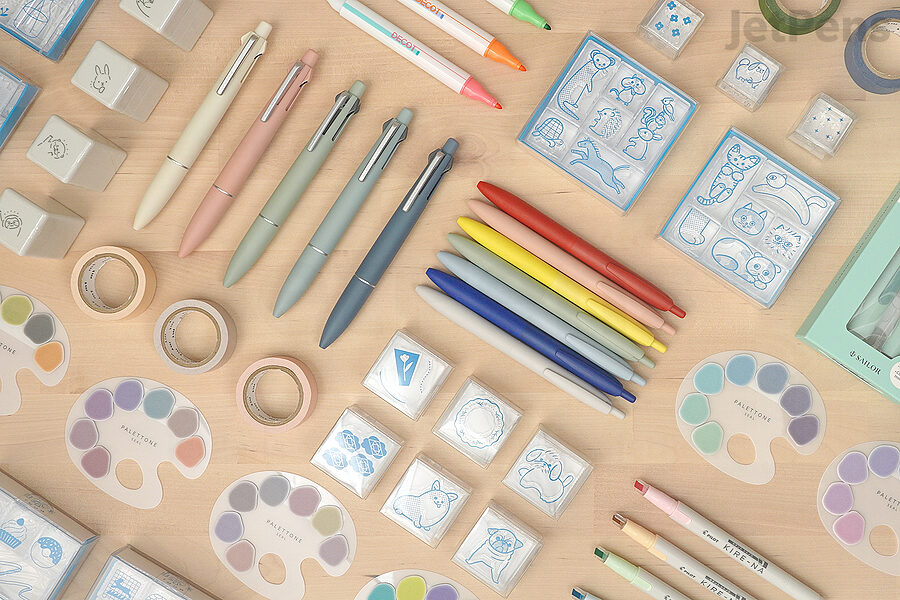
The 2025 Awards went to:
- Grand Prize: Pilot Kirei-na Highlighter — engineered with a guiding plate that keeps lines neat and smudge-free.
- Design Award: Luddite THE POST Sustainable Leather Bendy Pen Case — chic, durable, and eco-friendly,
- Functionality Award: Uni Jetstream Single Ballpoint Pen (Lite Touch Ink) — celebrated for its smooth flow and comfort, turning everyday scribbles into a silky experience.
- Idea Award: King Jim Hitotoki Kori Jirushi Ice Stamp — a playful yet practical reinvention of a classic tool.
35 other winners were recognized, from elegant fountain pens to ingenious pen cases, and even a “tea-time notebook”.
Some of the Most Innovative Award Winners in Recent Years
1. Pilot FriXion (2006) – Erasable Ink Pen: This was one of the first pens to use thermosensitive ink, which could be erased with friction.
2. Midori MD Paper (2011) – Premium Paper Notebooks : Known for its exceptionally smooth texture, these revolutionized notebook writing with its soft, cream-colored, bleed-resistant paper
3. Lihit Lab Teffa Bag-in-Bag (2017): A unique product that allows people to organize their small stationery, gadgets, and accessories inside a larger bag. It has pockets of various sizes to fit pens, notebooks, chargers, and other essentials.
4. Kokuyo Campus Sticky Notes (2019): This product took the classic sticky note and reimagined it with a special adhesive that works even on rougher papers.
5. Karuizawa Stationery – Plantable Paper (2020): A sustainable stationery innovation that uses plantable paper embedded with seeds. Once you’ve used the paper, you can plant it and grow flowers, herbs, or even vegetables from it.
I will be content if I can read my own handwriting after a few hours. No loftier ambitions!
–Meena
Pic: .jetpens.com/
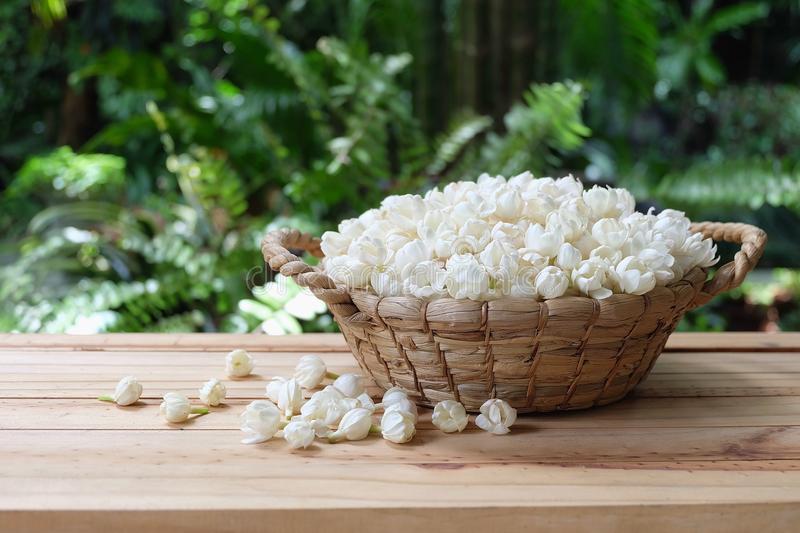 On the day of the challenge, Amaravathi positioned herself behind a curtain, out of sight of her lover. She had at her side two baskets. One was empty and the other had a hundred beautiful blossoms (I visualize them to be jasmine). The idea was that as Ambikapathy finished a verse, she would transfer one flower from the filled basket to the empty one. When the basket was empty, she would know that he had finished his 100 verses and she could appear before him.
 Millennial Matriarchs