
On October 9th, the world marked World Post Day, to commemorate the establishment of the Universal Postal Union in Bern, Switzerland on this day in 1874. Designated by the UN , ‘the purpose of World Post Day is to create awareness of the role of the postal sector in people’s and businesses’ everyday lives and its contribution to the social and economic development of countries.’ Emphasizing the importance of postal services, the UN says, ‘Post offices play a crucial role in fostering cohesive, inclusive, connected communities. Presently, over five million postal employees are entrusted with a variety of essential and personal items, from messages, gifts and goods, to money and medicines.’
India’s history of postal services long precedes 1874, with the East India Company opening its first post office in 1727. This was essentially used for the company’s own posts. The postal services were later taken over by the British Government and the services opened to the public. Many of the princely states as well as the Portuguese, Dutch and other colonial powers also ran their own postal services.
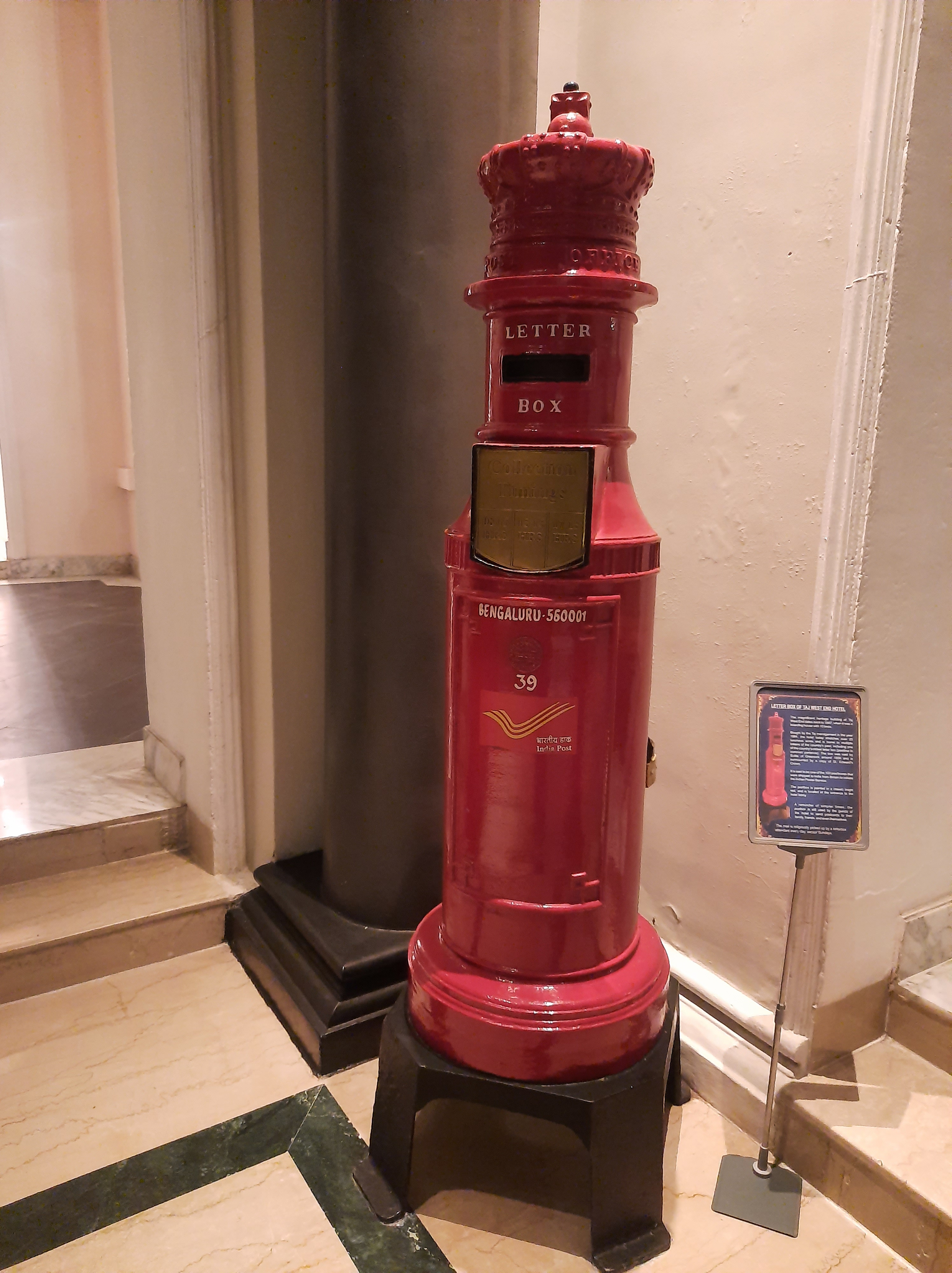
For many people today, posts and post offices don’t seem very relevant. I visit the post office more for investing money in some of schemes offered by them—they are safe and offer a decent interest rate. I haven’t posted a letter in decades, and in fact am suspicious of the few post boxes I see—are they ever cleared, I wonder. I do receive magazines and bulk posts, which are obviously not posted but given in at the post office. The one service I do occasionally use is the Speed Post service—takes about as long as non-premium couriers, and costs a lot less (to the extent that some courier companies use speed-post services to get their packages over the long distance, while they just do the collection and final delivery!).
But the postal service is obviously still very important in our country, going by the numbers. Even today, we have over 1, 55,000 post offices, and Inda’s Dept. of Posts has the most widely distributed postal network in the world. Close to 13.5 crore registered posts and over 30 crore speed posts have traversed the country during the year.
But the non-postal services of the post offices seems even more significant. They act as Aadhar updation centres, as Passport Seva kendras, as a means of paying utility bills and for distribution of direct benefit transfers. Apart of course from the various savings schemes and banking activities.
Yeoman service indeed.
But that is not to say that there is not tremendous scope for improvement, which is obvious even to the layest of lay-people. For instance, I subscribe for a weekly magazine, but I am lucky if I get 3 of 4 issues in any given month. And even then, the deliveries are bunched up—the postman may deliver 2 or 3 together because he can’t be bothered to come every week. So obviously some lacuna in monitoring systems.
And often I end up opting for couriers rather than speed-post for various reasons. The courier will come to my doorstep to pick up the package. And then there are the other flexibilities—speed posts will be accepted and delivered during working hours, on working days. But my packages get ready at the 12th hour, and the post offices shut by then. And so couriers are the only way to go.
And a visit to the post office is an activity for which you need to set aside at least a couple of hours. Forms for any of the schemes are to be filled manually, and take 10-15 minutes to fill. Nor are they very clear, which means they often have to be re-done. The IPPB app is confusing and takes getting used to. The password expires ever so often and constantly needs to be reset. (That being said, I sincerely appreciate the patience of the postal staff in dealing with the dozens of people and scores of questions. )
India’s postal services definitely need to be re-imagined for tomorrow. We are the technology capital of the world, but it does not seem that adequate thought has gone into using technology in this sector.
But the amazing network created into the remotest parts of the country has the potential for providing the backbone for citizen services that can touch everyone, especially those in under-served areas.
So with three cheers for India Post!
–Meena

 Millennial Matriarchs