Tippy-tippy Tap…

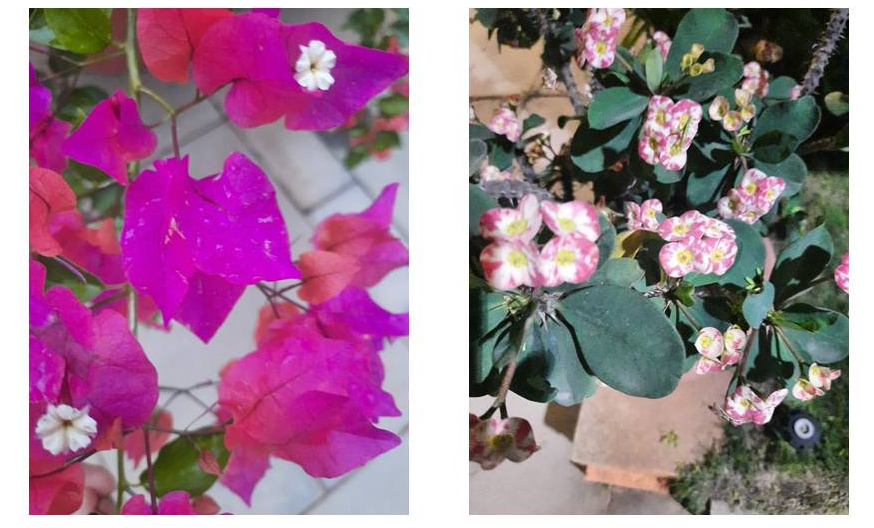
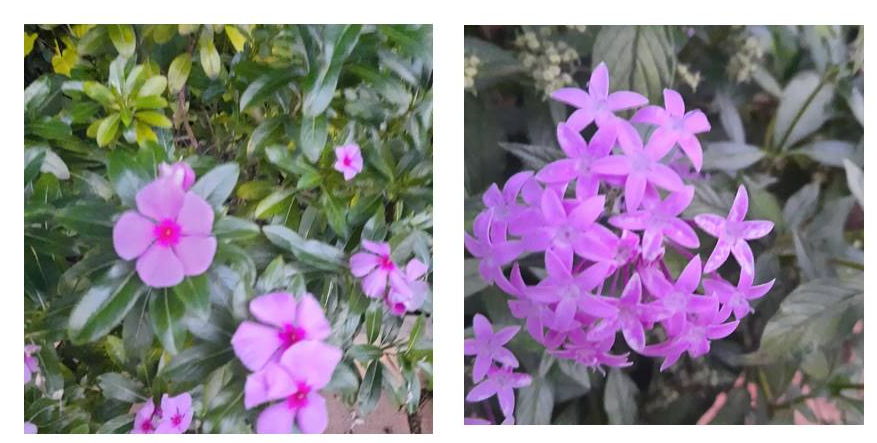
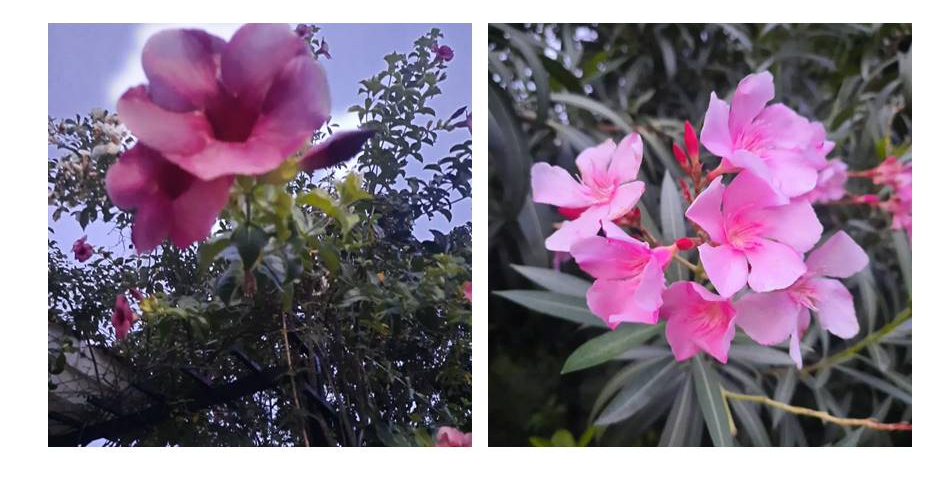
The last few weeks have been a time of looking closely at flowers, and marvelling at their variety. I observed about 12 types of pink flowers, about 8-10 types of orange flowers, about 5-6 red, a few yellow ones, a few white ones and two types each of purple flowers and blue flowers–all in my colony. 

So of course the question came to my mind: Was this the typical distribution of flower colours? Was pink the predominant colour, followed by orange and red? And so started my search to find out a little more about this.

First and foremost, what gives flowers their colours? Colours mainly come from the presence of pigments in the chromoplasts or cell vacuoles of floral tissues.  The most common pigments in flowers come in the form of anthocyanins which range in colour from white to red to blue to yellow to purple and to even black and brown. The other major group are the carotenoids, which provide the yellow colours, along with some oranges and reds. While many flowers get their colours from either anthocyanins or carotenoids, there are some that can get their colours from a combination of the two. Other classes of pigments, but of less importance in relation to flower pigmentation, are chlorophylls (greens), quinones (occasional reds and yellows), and betalain alkaloids (giving yellow, red and purple). 

Coming back to which is the most common flower colour, all my web- searching only told me that there was no definitive answer! To begin with, we don’t even know how many flowering plants there are. And of the flowers we know and have catalogued, colour data are seldom maintained. There is no repository of flower colour information. There is no database which documents flower colours, let alone rank them.

There are many good reasons that make it difficult to document these colours. There is no absolute measure. Colours look different in different lights, at different times of the day. Each person perceives colour differently—what looks orange to me look yellow to you. And we all describe them differently—I may say violet for a colour and you may say mauve.

Moreover, colours vary from genus to genus, and even within a species. A plant growing in one area (say, the plains) can have flowers  that are very different from the same plant growing elsewhere (say in higher altitudes). The colours of flowers depend very much on the growing conditions—soil, sunlight etc. So they may change somewhat with season too.

Recent research suggests that factors like ozone depletion and global warming have caused flowers to change their colours over time. For instance, of the 42 species studied in that research, UV-pigmentation in flowers increased at a rate of 2% per year from 1941 to 2017.

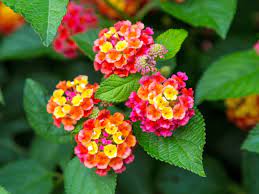
lantana
Lantana is one of the flowers which changes colour on pollination

Flowers also use colours as signalling mechanisms. Some flowers change their colour once they are pollinated, so that bees do not come back to them, but rather go to unpollinated flowers. (Eminent teacher, Prof. Mohan Ram, who developed a generation of botanists, ecologists and environmentalists, taught us this during a memorable nature walk.) Some flowers change their colour with age.

But here are some speculations about flower colours:

Counter-intuitively, some people believe green may actually be the most common flower colour–many plants, including most trees, bear flowers in various shades of green. This may be followed by white, yellow, blue and the reds in that order.  Brown is not uncommon either. But all scientists and naturalists emphasize that these are only guesses.

So don’t worry too much about how many. Just enjoy the flowers and their colours!

–Meena

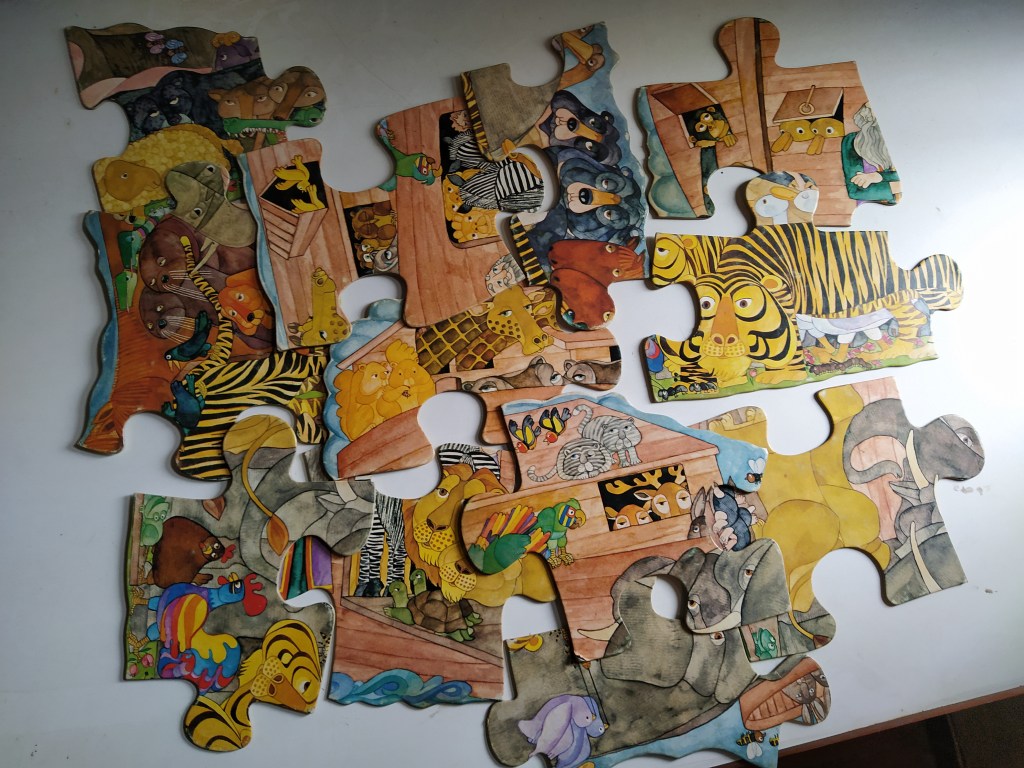
The Pieces Make the Picture: Jigsaw Puzzles

Three clues in a recent crossword puzzle put me on the trail that led me to another kind of puzzle—the jigsaw puzzle. There was a phase in my life when I was quite a jigsaw puzzle-ist. As a student in England, the floor of my room on campus was almost one-quarter covered with a large ‘work in progress’ jigsaw puzzle. This was a community effort where friends who used to come by would fit a piece, or more, to the evolving picture. The next time jigsaws featured in my life was when I used to get simple puzzles for my young children. They were fun, and they kept them engaged with the task of finding a piece that ‘matched’ and ‘fitted’.

It is precisely the exercise of matching and fitting that was the aim of the original puzzle that later came to be called a jigsaw puzzle. The history goes back over two-and-a-half centuries to an English cartographer and engraver named John Spilsbury, who was thinking of a way to help school children learn geography. In 1766 he mounted one of his master maps onto a thin piece of mahogany wood and used a marquetry saw to cut the picture into pieces.

Thus was created what he described as a ‘dissected map’. Children were to reassemble the collection of pieces to recreate a complete map. It is believed that Spilsbury’s first ‘dissected map’ was called ‘Europe Divided Into Its Kingdoms’ and the pieces were cut mainly along the geopolitical boundaries of those days. Incredibly, the original puzzle still survives in good condition, and it occupies the pride of place in the Toy Halls of Fame in The Strong Museum in Rochester in the United States. This history museum houses the world’s largest collection of historical materials related to play.

These early maps, each handcrafted and made of good quality paper and wood, were expensive, and not affordable for wide use. It is believed that Spilsbury’s early puzzles were used to teach geography to the children of King George III, and were bought by a few elite boarding schools. 

Spilsbury himself died at the young age of 29 in 1769. But by the end of the century the dissected map puzzles had become popular, and London itself had around twenty such puzzle makers. They introduced themes other than maps for the pictures—alphabet and multiplication tables, themes from the Bible, and pictures of historical events and people. The material and labour costs continued to be high.

The term ‘jigsaw’ to describe these puzzles only came to be used in the 1880s when a special type of saw called a treadle jigsaw was invented. The saw operated by a treadle had a blade that could cut irregular curves; that made the cutting of the pieces easier and cheaper. This was ideal for the hereto called ‘dissected maps’ which could now have pieces with more intricate shapes that could interlock. Thus the ‘maps’ evolved into more complex puzzles that came to be popularly known as ‘jigsaw puzzles’.

The jigsaw which had arrived in the United States in the 1800s became a popular marketable item. In the meantime colour lithography techniques enabled better quality pictures to be developed more efficiently and the quality and variety of jigsaw puzzles also improved.  Enterprising companies developed new production techniques and materials that helped increase production and lowered cost, as well as marketing gimmicks that promoted sales. The cleverest move by the puzzle industry was to introduce puzzle designs for adults. Thus in the first decade of the twentieth century, what had started as an educational support for children, and then had become a source of entertainment as a children’s toy, the jigsaw puzzle, emerged as a popular hobby for adults. 

This kind of pastime was just what people needed in the Great Depression in America in the 1930s. There was large-scale unemployment, people could not afford to go out for entertainment, and jigsaw puzzles provided a no-cost pastime that could engage the whole family. Sales soared; puzzles were offered as freebies with the purchase of other items, and there were even stores and libraries that offered puzzles on rent.

Jigsaw puzzles continued to be made from wood or plywood, and were generally hand cut right until the outbreak of World War II. By the time the war ended, these were too expensive to produce. That is when cardboard began to be used and mechanized cutting equipment enabled large-scale production. Most jigsaw puzzles are today made of good quality cardboard, but there are still collectors of high quality wooden puzzles and some niche manufacturers of the same.

For the rest of the twentieth century, jigsaw puzzles continued to occupy a low-key but steady presence as gifts for children and hobbyist adults. With the twenty-first came the digital tsumani that deluged the market with an entirely new medium for education and entertainment. Old and young were swept away in the flood of never ending apps, data and virtual games that came and went breakneck speed. Until the Pandemic struck. The world changed overnight. Confined inside, over-satiated with a virtual existence, and flickering screens, overwhelmed with situations never before imagined, families dug into forgotten caches to pull out physical books and board games, and rediscovered the jigsaw puzzle!

Once again, the many ‘therapeutic’ benefits of the jigsaw are being hailed. Putting a jigsaw together is considered as a complete brain exercise as it involves both the right (creative and intuitive) and left (logical and objective) sides of the brain. It trains the eyes to pay minute attention to colours, shapes and other details, in order to match the pieces. This exercise improves visual-spatial reasoning, and helps develop perception, focus and concentration. It also calls for patience and persistence. Puzzles are great as a group activity, and also perfect for a quiet solo undertaking. There is more to the pieces of a jigsaw than the eye can see—a perfect picture lies within.   

It’s always the small pieces that make the big picture.

–Mamata

Look, See, Wonder…

As environmental educators, our most important task with children as well as adults was to awaken them to the wonders of the world around them. From this wonder of the variety of life and the intricate connections therein would come an intellectual curiosity to understand the world better, followed by a passion to do something about it. So the responsibility was to take people through the steps of Awareness, Appreciation, Skills, Knowledge and Action.

So the first step seeing and sensing the world. I remember some of the exercises we used to do in our workshops to help people do this:

  1. Observe the greens : Closely observe the shades of the leaves of different plants/trees. Try to describe the differences.
  2. Observe the shapes of leaves: Sketch different leaves to scale.
  3. Bark rubbings: Find a tree, place a piece of paper on the bark and colour over with a pencil to get the impression of the bark design. Repeat with another tree.
  4. Listen to sounds: Sit in absolute silence for 5 minutes in a natural area and note down the sounds your hear.
  5. Smells: Go around a garden and sniff the flowers, the leaves, the plants, the soil.

Even the most cynical adult would get completely involved and excited, and the result would be a ‘Wow, who would have thought that there were so many shades of green;  that soil smelt like this; that there were so many different types of sounds in nature!’

Roles got reversed when the world decided to environmentally educate me two days ago, as I was on my walk. The very same path that I follow every day, but I was out a little earlier than usual. So the light was different and everything stood out with a brightness and clarity that I did not get to see later in the evenings.

I saw one beautiful pink flower and decided to take a pic. I continued for 2 meters, and saw another one. And within the space of 10 minutes, I had 11 flowers in different shades of pink captured in my phone. I was wonder-struck!

I had obviously only been ‘looking’. I had forgotten to ‘see’. The difference, as Grant Scott, a famous photographer puts it: there is ‘.. a seriousness of intention that one of these words suggests, whilst the other gives the impression of a casual approach to perhaps what is the same thing. The word ‘see’ suggests a depth of visual engagement that allows the person ‘seeing’ to control the action and retain control of any further action that may take place after the initial seeing. To look suggests an observation of surface, it does not suggest any further depth than that. To look suggests both the beginning and end of the action, whereas to see suggests the beginning of a process of investigation.’

So while the popular adage is that we should take the time to smell the flowers, I would also urge that we take the time to see the flowers. And even more important, take the time to let a sense of wonder overtake us!

From this sense of wonder will come the sense of urgency to take care of our world!

–Meena

Mama Miti Wangari Maathai: Mother of Trees

The first week of July is celebrated in India as Van Mahotsav or Forest Festival. It is marked by the planting of thousands of trees, through community events. It is a reminder of the critical role that vegetation plays in the conservation of water and soil, and thus of life itself. This week brings to mind the story of another greening movement that was the brainchild, and life-long passion, of an incredible woman named Wangari Maathai.

Wangari Muta Maathai was born in Nyeri, a rural area in the central highlands of Kenya in 1940. Her parents were farmers, and she was the third of six children. Wangari’s childhood was spent in the outdoors, playing in the fig trees and the stream around her home, and helping her mother collect firewood for the household. She always saw herself as “a child of the soil”, growing up with her mother’s belief that trees were ‘God’ and should be respected accordingly, something she made the foundation of her life’s work.

Wangari started her education at St. Cecilia Intermediary, a local mission school. She was always a star student; she won a scholarship to study biology at Mount St. Scholastica College in the United States, and graduated in 1964. She went on to earn a Master of Science degree from the University of Pittsburgh. But as she wrote in her memoir Unbowed: The spirit of freedom and possibility that America nurtured in me made me want to foster the same in Kenya, and it was in this spirit that I returned home.

After she returned to Kenya, Wangari continued her studies and obtained a doctorate in veterinary anatomy at the University of Nairobi, becoming the first African woman in East or Central Africa to hold such a degree. She then joined the university as an associate professor, and went on to become chairwoman of its veterinary anatomy department in the 1970s.

Wangari was however more than just an academic. She was very aware of the changes in her native country’s landscape stemming from the legacy of the British rule—massive deforestation and overexploitation of resources. As a member of the National Council of Women of Kenya (NCWK), she was also becoming engaged with women’s issues. She heard, and saw, rural women who were facing immense hardship due to water sources drying up, and degradation of the soil; women who had to walk miles each day in search of firewood to cook their meals.

By then I understood the connection between the tree and water, so it did not surprise me that when the fig tree was cut down, the stream where I had played with the tadpoles had dried up. I profoundly appreciated the wisdom of my people, and how generations of women had passed on to their daughters the cultural tradition of leaving the fig trees in place. I was expected to pass it on to my children, too.

Wangari remembered her mother’s words about trees. She realised that the only way to prevent the further deterioration of the land was to plant trees. Now, it is one thing to understand the issues. It is quite another to do something about them. But I have always been interested in finding solutions….It just came to me: ‘Why not plant trees’? She first approached foresters to urge for more intense and extensive tree planting. But they derided her by saying what could a veterinary scientist know about plants and plantation? Wangari was undeterred. She decided to go directly to the local women and started explaining to them about the links between tree cover, soil and water conservation, and availability of firewood to cook nutritious meals for the family. She urged that women themselves should take on the mission of planting trees.

Wangari set the example by starting a small tree nursery in her backyard and giving women saplings to plant. As I told the foresters, and the women, you don’t need a diploma to plant a tree. After the women had planted seedlings on their farms, I suggested that they go to surrounding areas and convince others to plant trees. This was a breakthrough, because it was now communities empowering one another for their own needs and benefit.

This simple formula was to snowball into one of the largest grassroots tree planting movement—Kenya’s Green Belt Movement. Wangari’s approach was practical, holistic and deeply ecological—the tree roots helped bind the soil, halting erosion and retaining ground water when it rained. This water replenished the streams needed for cultivation of food crops. The trees also provided food, fodder, and fuel which were the mainstay of the communities.  Initially the government did not pay much attention to these nurseries, but as thousands of nurseries began to be created the Government began to see the potential threat that such mobilization could pose to the status quo and vested interests, and it began to harass the Green Belters. By then the movement had attained its own momentum and mobilized thousands of women and men to plant tens of millions of trees across the country. The movement also did more than get women to plant trees; it empowered them to stand up for themselves even in the face of domineering husbands and village chiefs, as well as political and social pressures.

As the movement grew, Wangari Maathai was also becoming more convinced in her understanding that environmental changes alone were not sustainable unless they were linked to issues of governance, peace, and human rights. She used the movement to also address abuse of power like land-grabbing, and human rights issues like illegal detention of political opponents. This led the Green Belt Movement to be labelled as ‘subversive’ during the 1980s.

Wangari felt that these issues could not be fought only through activism. She herself entered the political fray. She was elected as an MP in 2002, and also served as an assistant minister in the Ministry of Environment and Natural Resources. She used her position to fight for women’s rights, democratic processes, and questioned corruption and abuse of power. This also led her to be seen as a threat to the powers that be; she was threatened, harassed, beaten and even jailed. In 2008 she was pushed out of government.

In the meanwhile Wangari Maathai and her Green Belt Movement were attracting international attention. She travelled across the world campaigning for change; urging action to be taken on environmental justice, climate change, and championing the cause of participatory democracy, good governance and women’s rights. Her key message was: It is the people who must save the environment. It is the people who must make their leaders change. And we cannot be intimidated. So we must stand up for what we believe in. Meanwhile in Kenya, the Green Belt Movement continued to grow and spread with over 6000 grassroots nurseries and tens of millions of trees planted across Kenya.

In 2004, Wangari Maathai was awarded the Nobel Peace Prize, becoming the first African woman to be awarded the Prize.

In presenting her with the Peace Prize, the Nobel committee hailed her for taking “a holistic approach to sustainable development that embraces democracy, human rights and women’s rights in particular” and for serving “as inspiration for many in the fight for democratic rights.”

Wangari Maathai passed away in 2011. Even her last wish to be buried in a casket made of hyacinth, papyrus, and bamboo, echoed her life’s mission to save trees. Mama Miti or ‘ mother of trees’ as she was fondly called in Swahili left behind an inspiring legacy of millions of trees that sustain their land, planted and nurtured by the thousands of women whose lives she touched, and changed in many ways. She exemplifies how one woman can be a powerful force for change.

–Mamata

 .

The Versatile Shoe Flower

Within urban myths (defined by the Collins Dictionary as ‘a story, esp one with a shocking or amusing ending, related as having actually happened, usually to someone vaguely connected with the teller’), there should be a special category for ‘school myths and beliefs’  which could be defined as ‘stories and other things believed by a generation or generations of school children’.

One such myth subscribed to fervently by our generation was that if pencil shavings were soaked in milk, left in the moonlight, and some incantations recited over them, they would turn into erasers. Hundreds of children tried this, but since the incantations were not known to anyone in our circles, we attributed our failures to the lack of this knowledge.

The other widely held belief was that we could polish our leather shoes to wonderous lustre with the shoe flower or hibiscus. This was a very convenient belief to hold, as we thus avoided putting in 10 minutes hard work a day with brush and polish, and getting all messy. On the way to school, we would grab some red hibiscus flowers which were ubiquitous, and just before assembly, surreptitiously give our shoes a wipe-around. When the shoes were still kind of wet with the juice from the flowers, they looked ok, but I was never sure if they actually did anything.

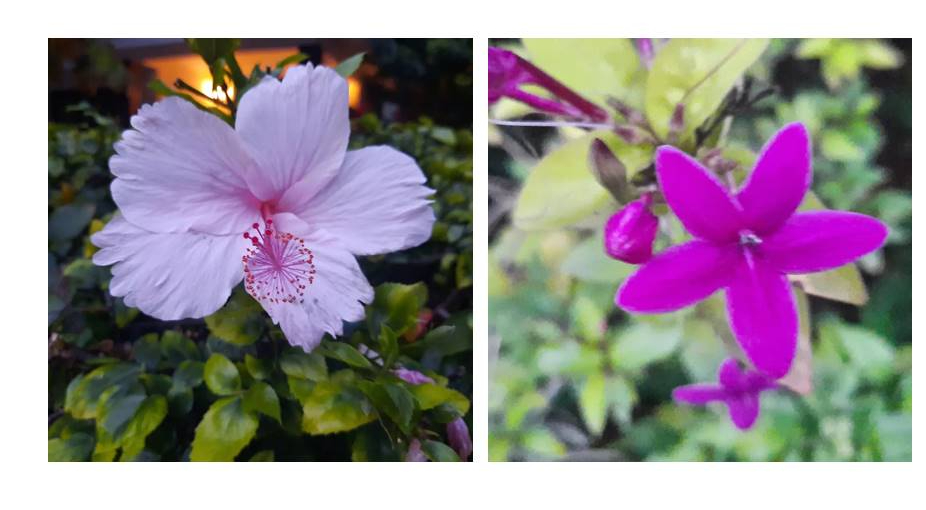
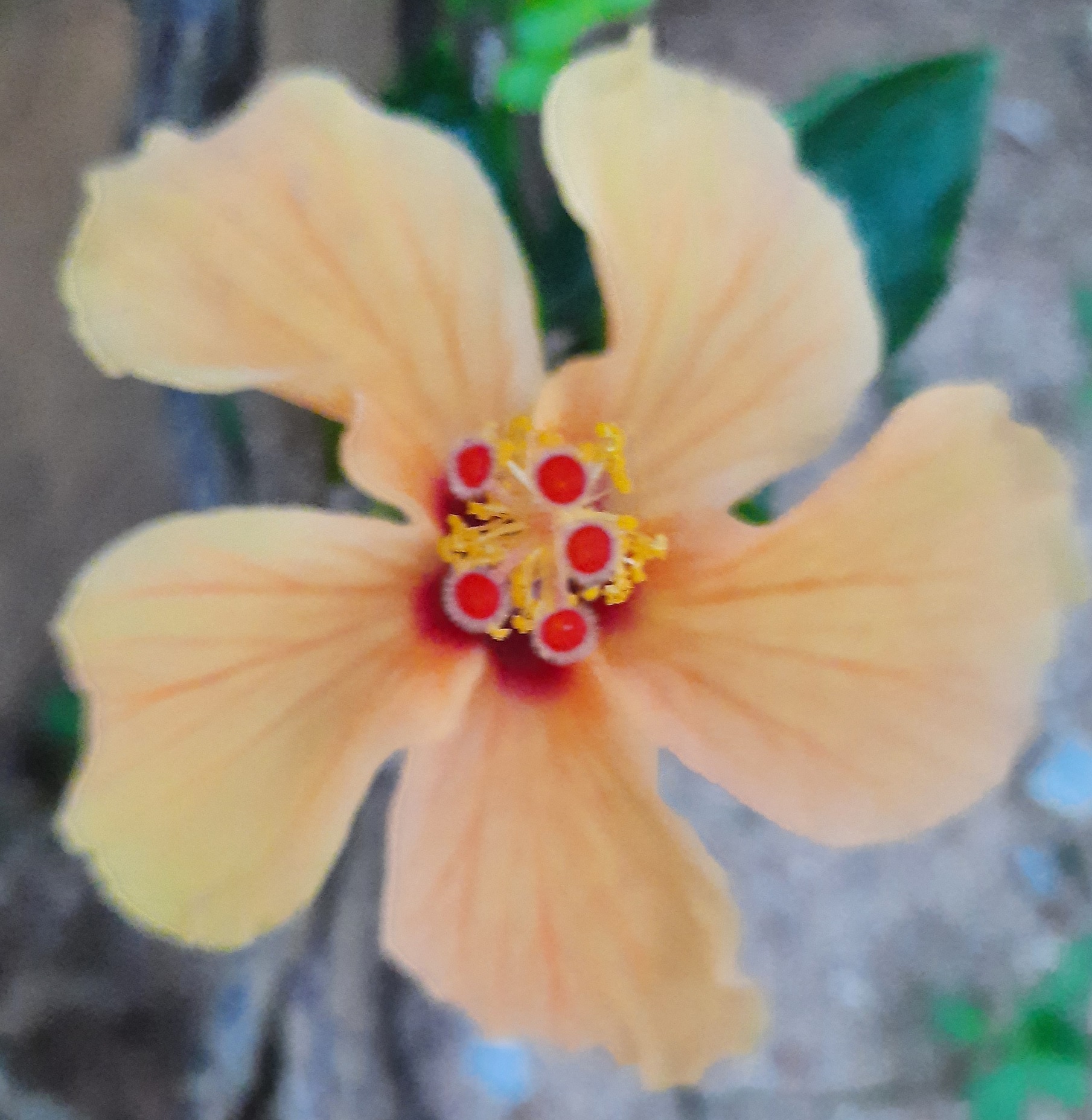
Hibiscus

But unlike other urban myths, maybe this one has some basis in fact. The hibiscus is called shoe flower because in Malaysia and Indonesia, the flower petals were used to produce a black dye for shoe polishing.

Hibiscus belongs to the genus Malvaceae of the mallow family. There are many hundred species, and the genus is native to warm temperate, subtropical and tropical  regions throughout the world. 

In fact, the hibiscus is an extremely versatile flower. It is used extensively in pujas, and having a bush in the garden assures the devout that they will have flowers throughout the year.

And then of course, its use as a hair tonic. Remember the jabakusum hair oil? The jabakusum or javakusum in fact is a name for hibiscus. It was C.K. Sen, a vaidya from a family of Ayurvedic practitioners, who took this oil commercial. He formed a company C.K.Sen & Co Ltd in 1878, with Jabakusum Taila as the first product. It became an instant hit. Its inherent qualities were assisted by smart marketing—it was positioned as ‘The Royal Toilette’ and ‘By the appointment to the Princess of India’ (no one seems to have asked who that would be!). It was the first hair oil brand in Asia to have a commercial film ad.

Even today, some people dry the flowers and steep them in coconut oil and use it for their hair. The leaves and flowers are also used as the base of hair packs and shampoos.

The humble hibiscus has several medicinal uses as well—it is a laxative as well as a diuretic. It is used to treat colds, fluid retention, stomach irritation and a number of other ailments.  There are claims that it may help to reduce high blood pressure and cholesterol.  Hibiscus tea, made by steeping the flowers in hot water for five minutes is a popular drink and home remedy.

In the Philippines, children use the flower to make bubbles. The flowers and leaves are crushed until the sticky juices come out. Hollow sticks or straws are dipped into this and bubbles are blown. 

The hibiscus flower is worn by girls in Tahiti and Hawaii. Traditionally, if the flower is worn behind the left ear, the woman is in a committed relationship. If the flower is worn on the right, she is single.

The hibiscus is a national symbol of Haiti, and the national flower of many countries including the Solomon Islands and Niue, South Korea, Malaysia and Hawaii.

With all this, we seem to tend to take the hibiscus for granted just because it is so common and easy to grow. I never knew of a hibiscus which did not take wherever it was planted. Even a ten-thumbs like me can plant and see a hibiscus bush flower.

Hibiscus come in various colours, with red, pink, white, yellow, orange, multicoloured ones being most common. There are even purple hibiscus. In many cases, the colour of the flowers of a hibiscus bush will change with changes in temperature, hours of daylight etc. For instance, the hotter it gets, the brighter the orange and yellow flowers bloom.

There is something special in the bush outside your house. Marvel at it!

–Meena

Twiga’s Tales of the Giraffe

One of the most majestic sights while on safari in East Africa is not necessarily the lion nor the elephant, but that of a ‘tower’ (what better way to describe this group!) of giraffe silhouetted against the setting sun, as they stride gracefully across the flat grassland. For animals that at first glance seem somewhat ungainly with their long stilt-like legs and outstretched necks, the Twiga as they are called in Swahili, move like a bevy of tall ballerinas.

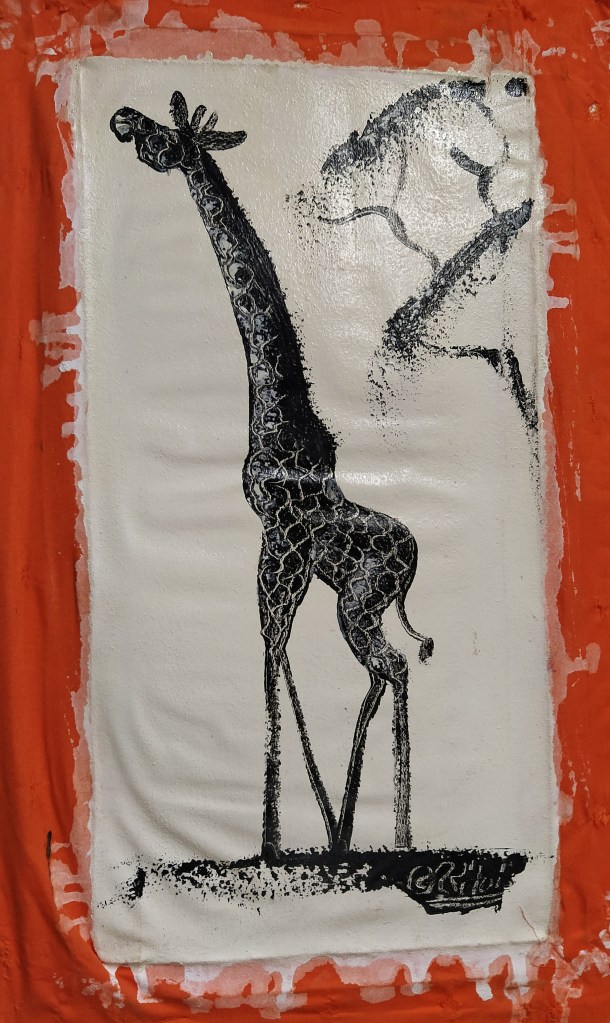
Giraffes are an integral part of the landscape in the semi-arid savannah and savannah woodlands in sub-Saharan Africa, and also occupy a unique place in the cultural landscape of the African continent. They are highly regarded throughout the continent, and the giraffe spirit animal is seen as a being who can connect the material world to the heavens. In Botswana they call the giraffe Thutlhwa which means ‘honoured one’. Cave paintings from early civilizations in Africa depict giraffes, and giraffes feature in a lot of mythology and folklore of the different tribes. These indicate a high regard for this unique animal, as well as delightful tales that link to the origins of the characteristic features of the giraffe.

The name ‘giraffe’ itself has its earliest origins in the Arabic word zarafa, (fast walker), which in turn may be have been derived from the animal’s Somali name geri. The Italian word giraffa came up in the 1590s, and the modern English form developed around 1600 from the French word girafe. The history of the word follows the history of the European’s exposure to this unusual animal.

This animal has always fascinated people through history. The Greeks and Romans believed that this creature was an unnatural hybrid of a camel and a leopard and called it a Camelopardalis (which also became its scientific name). Julius Caesar is believed to have brought and displayed the first giraffe in Rome in 46 BC. In the Middle Ages Europeans knew about giraffes through contact with the Arabs. A giraffe presented to Lorenzo de Medici in 1486 caused a great stir on its arrival in Florence. In the early 19th century a similar gift to the Charles X of France from Egypt caused a sensation. He loved this animal, and it was something he showed to special guests for 18 years. His palace featured many paintings of his beloved giraffe.


In 1414 a giraffe was taken on a ship to China along with precious stones and spices. It was placed in a zoo where it was a source of fascination for the Chinese people who saw in it a beast that represented the characteristics of various animals and identified it with the mythical Quilin which is a part of Japanese, Chinese and Korean mythology. 

What makes the giraffe so unusual? To start with, it is the tallest mammal on earth, reaching a height of up to 18 feet. The height is achieved by its very long neck and legs.

African folklore has a number of tales that explain why the giraffe has such a long neck. Here is a delightful Twiga tale from East Africa.

In the beginning the Creator gave the same legs and neck to all the animals. One year there was a terrible drought, and all that could be grazed and browsed was eaten by the grazers and browsers, until only a hot and dusty expanse spread before their hungry eyes. One day Giraffe met his friend Rhino, and they walked hungrily and thirstily in search of a water hole. Giraffe looked up and sighed “Look at the fresh green leaves on the acacia trees. If only we could reach them we would no longer be hungry”. Rhino said, “Maybe we can visit the wise and powerful magician and share our troubles.” The two friends trudged on till they reached the place where the magician lived. He told them to return the next day. The next day Rhino forgot all about this and did not show up, but Giraffe was there. The magician gave him the magic herbs that he had prepared for the two animals. Giraffe greedily ate up both the portions. Suddenly he felt a strange tingling in his legs and neck, and felt giddy, so he closed his eyes. When he opened them he saw that the ground was way beneath, and his head was way up, close to the fresh green leaves on the high branches of the tall acacia trees. Giraffe looked up at the sky and down at his long legs, and smiled as he feasted. Meanwhile Rhino finally remembered, and went to the magician. But the magician said he was too late! Giraffe has eaten all the magic herbs! Rhino was so angry, that he charged at the magician, and continued to do so at everyone he encountered. And so, they say, the rhino remained bad tempered, while the giraffe retained his gift of height.    

Interestingly, the giraffe’s long neck has only 7 vertebrae, the same as other mammals. The long neck enables the giraffe to browse on the leaves and shoots of thorny acacia trees in the flat grasslands that it inhabits. This is helped by the strong, long (45-50 cm) and dexterous tongue which is bluish-purple in colour, and the ridged roof of their mouth.

The long neck with eyes located near the top of the head also provides it with a vantage view of the surroundings. The giraffe can spot approaching danger well before the other grazing animals, who are usually found around the giraffe. If they sense any nervousness on the part of the giraffe, they take it as a cue to stay alert or flee.

Curiously, once the height of the legs is added, the long neck is too short to reach the ground. Thus in order to drink from a water hole giraffe have to splay their forelegs and/or bend their knees. This is also the time when they are the most vulnerable to predators like lions. However as giraffes do not need much water, this exercise is not needed very often.  

The long slender legs make the giraffe a very fast runner. Although initially the gait may seem stiff-legged, once they get into rhythm they are a graceful sight. The legs provide more than momentum, they are also a giraffe’s only means of defense. A powerful kick from its hind legs has been known to kill a lion, and its front legs with sharp hooves can come down just as hard.

Female giraffe give birth standing up, which means that the new born has a fall of about 2 metres before it touches ground. And yet the calf can stand up within an hour of its birth; but this is the time when it is most vulnerable to attack by predators.

Giraffe have very thick skin, and they are distinguished by their reddish brown coats with irregular patches divided by light coloured lines. While they may look alike at a glance, each of the different species of giraffe have very different types of spot patterns. In fact, just like human fingerprints, no two giraffe have the same spot pattern.

Certainly an animal that “stands out in a crowd!” But where once they stood tall and strode majestically across their land, giraffe are numbers are declining alarmingly. As with all wildlife, the loss, degradation, and fragmentation of their habitat, poaching, disease, and encroachment of human settlements into their home range and competition for resources is endangering this unique animal. In 2016, according to the IUCN Red List of Threatened Species, the status of giraffes was changed to ‘vulnerable to extinction.’

In response, the Giraffe Conservation Foundation has dedicated 21June to raising awareness about giraffes by celebrating World Giraffe Day. A day to remind ourselves that the loss of the Twiga is not only a loss for biogeography, but equally a significant cultural loss.

–Mamata

A Day for Sea Monkeys

My generation grew up reading comics usually borrowed from lending libraries. Foreign comics were very expensive and there were few parents in our circles who allowed us to buy them often. Maybe once or twice a year.

These precious comics therefore, were read and re-read and savored cover to cover. The last few pages would often carry ads for a fascinating variety of knick-knacks and gimcracks, of which the most fascinating were the quirkily illustrated ads for ‘Sea monkeys.’ Just add the contents of the package to a tank of clean water the ads promised, and lo and behold, in a few seconds or minutes (I forget which), your tank would have these fascinating little creatures swimming around.

Digging a little deeper, I found that in fact sea-monkeys are in a way manmade creatures. They were ‘invented’ in the 1950s and are a hybrid breed of brine shrimp  (Artemia NYOS, a hybrid of Artemia salina) created artificially by a person called Harold von Braunhut. Traditionally used as fish food, von Braunhut felt that brine shrimp could easily be maintained in home aquaria, and used to foster a love of nature among children and help them observe nature. He set about experimenting and found a way through which his hybrid shrimp could be preserved in dry conditions, and brought back to life when they came in contact with water. He patented the process, which is still a secret today. Sea monkeys are translucent and breathe through their feathery feet. They start life with one eye, and then in the course of time, develop two more. Von Braunhut named them ‘sea monkeys’ because of their monkey-like tails. Initially, these creatures lived only for a month or so, but with the help of marine-biology experts, he was able to create creatures which live up to two years.

Von Braunhut introduced them commercially in 1960 under the name ‘Instant Life’.

But marketing the concept and the product was not easy. No toy shops or pet shops would stock them. So von Braunhut came out with the idea of advertising them in comic books, to be bought directly from the company. Sales took off and never looked back! Generations of children in the US have kept sea-monkeys and become acquainted with the wonders of nature through observing them, caring for them and nurturing them. They are still very much an in-demand product.

Sea monkeys did not just find their way into homes and hearts. 400 million of them accompanied astronaut John Glenn to space. Sea monkeys even had their own TV show in the ‘90s revolving around the adventures of three microscopic sea monkeys which are enlarged to human size by a Professor. They have also featured in several TV shows and movies including The Simpsons. Needless to say, there are also several internet fora which discuss these creatures. Sea monkeys have their own Day too—May 16th is marked as National Sea Monkey Day in the US.

Sea monkeys continue to be ‘manufactured’ and sold, and are quite popular even today. They are available on the company site http://www.sea-monkeys.com/, as well as on Amazon, including in India. I am not sure if they are still advertised in comics though!

I have to confess that in my confused mind, for a long time I thought sea-monkeys and seahorses were the same. It was only many, many years later that I realized they were completely different. Sea horses are more bonafide– any of about 50 species of marine fishes allied to pipefishes.

Happy belated Sea Monkey Day!

–Meena

Image: Shutterstock

Walk, Don’t Run!

What is this life if, full of care
We have no time to stand and stare?

These words were penned by the Welsh poet W.H. Davies over a hundred years ago. Even as the world continues to progress rapidly in every way, and along it, also the pace of life, in every age there have been some voices that remind us about what we are losing as we rush headlong through our daily lives, in our quest to make a living. But as they remind us, are we, along the way not missing out on the simple joys of living?

One of the simplest joys is that of walking. Walking not as in getting from point A to point B, but walking for the sheer pleasure of it, with the senses attuned to the very act of moving while also imbibing the sights, smells and sounds around. And this sort of moving even has a word that defines it. The word is ‘saunter’.

The Merriam-Webster dictionary defines the verb ‘saunter’ to mean ‘to walk along in a slow and relaxed manner without hurry or effort’; and the noun ‘saunter’ to mean a ‘leisurely stroll’. According to the Cambridge dictionary, ‘to saunter’ is to ‘walk in a slow and relaxed way, often in no particular direction’. Saunter probably derives from the Middle English word santren, which meant ‘to muse’. The first modern use of the word ‘saunter’ in its current form was in the 17th century.

Definitions aside, the concept of a walk such as this was best described and promoted by Henry David Thoreau an American author, poet, and natural philosopher, in the mid-nineteenth century. While he wrote about the joys of a simple life in nature, Thoreau’s essay Walking focuses on the spiritual importance of walking in nature. The essay was first published in 1862, after his death. For Thoreau, the goal or destination of walking is less important than the meditative state of mind which walking induces. He argues that walking cultivates curiosity and wonder, qualities which are often discouraged or undervalued in society.

The walking of which I speak has nothing in it akin to taking exercise, as it is called, as the sick take medicine at stated hours–as the swinging of dumb-bells or chairs; but is itself the enterprise and adventure of the day. If you would get exercise, go in search of the springs of life. Think of a man’s swinging dumbbells for his health, when those springs are bubbling up in far-off pastures unsought by him!

As Thoreau describes it, the genius of walking lies not in mechanically putting one foot in front of the other en route to a destination but in mastering the art of sauntering.

Many years after Thoreau, and at a time when the pace of life had become much faster, and preoccupations with “getting there” propelling every kind of journey, some people felt that it was necessary to remind ourselves that “stopping to smell the roses” along the way was not a waste of time.

Among these was an American WT Rabe who was concerned about the growing popularity of jogging as a fitness trend in the mid-1970s. Rabe was a Public Relations professional who combined his skills and concerns to encourage people to slow down and appreciate the world around them. Rabe was then working as a PR person for the Grand Hotel on Mackinac Island in Michigan, which was famous for having the longest porch in the world. Rabe organised an event inviting people to spend a day taking a leisurely walk, free of stress and strain, focusing on the pure joy of the act. In other words–to saunter. Sauntering, as Rabe described it ‘is going from point X to point Z which means you don’t care where you’re going, how you’re going or when you might get there’. In response to this, thousands of people descended on the Grand’s famous front porch, simply to saunter (upon paying a fee of two dollars each). As Rabe’s idea caught on, and his followers increased, he went on to propose that there should be an annual day to celebrate the concept and the act. And so 19 June was designated as World Sauntering Day! 

While this may be a successful PR gimmick, sauntering has its advocates among some of my favourite writers. Thoreau’s conviction was that walking should involve a ‘connection’ with our natural world and approached with the mind set of becoming ‘fully present’. He believed that ‘busy’ was a conscious decision. He spoke of returning to his ‘senses’ after a saunter in the wild.

These sentiments are beautifully echoed in a recent essay by Pico Iyer, a contemporary essayist and novelist known for his travel writing. The essay describes the same walk that he has taken for over twenty-five years in Nara a small town near Kyoto in Japan.  

For years I used to take this walk as a break after five hours at my desk, a small reward, perhaps, for forcing myself to stay sitting through sunshine and mist. But then I began to notice something: walking shook things loose in me. The very act of ambulation sent my thoughts down different tracks. Movement in some ways—because I had no destination and didn’t have to notice where I was going—allowed my mind to run off the leash like a dog on a beach. If I was stuck at my desk, walking could unstick me.

As he further says, A wise friend from New York sent me his paraphrase from the American naturalist John Burroughs last year: To learn something new, take the same path you took yesterday.

Although this is not a day that is very well known, for most of us who spend a large part of our life with no time ‘to stand and stare’, World Sauntering Day is indeed a good reminder that it is important sometimes to be “pointless on purpose”. This Sunday, let’s celebrate the day with a saunter.  

–Mamata

Of Fireflies and Glowworms

When we were young, we used to see fireflies in the garden a few weeks in a year. What a magical experience it was! Like the stars had come down to visit us.

After that, I did not see them for many decades. Either I did not live in the right place, or I was not lucky enough to spot them in the short window that they glowed. But in the last few years, since we moved to Bangalore, I have been sighting a few. Year after year, the same two spots in our community hosted them—shrubby areas on the periphery. This year, for some reason, I am seeing many more . Each spot has only a couple, but from two, the number of spots has risen to six or so. That definitely sounds like good news!

But what are fireflies? Sorry if this takes the magic and romance away, but they are a type of beetle!  There are over 2,000 species of firefly spread across the world on every continent except Antarctica. However, in India, we have only eight. They are generally seen in the pre-monsoon season.

Why do fireflies twinkle? As is usually the reason for most beauty in the natural world, it is to attract a mate and reproduce! Fireflies use flashes as mating signals and the flashes we see are generally from males looking for females. They flash a specific pattern while they fly. If a female waiting in the greenery nearby is in the mood, she responds back with a flash. They will continue this flashy exchange till the male locates the female and they mate. Each species has its own pattern so that males and females of the same species can identify each other.

And how do they twinkle? Through a phenomenon called bioluminescence. At the risk of taking away even more romance, it is when two chemicals found in their bodies, luciferin and luciferase, lead to a reaction in the presence of oxygen, adenosine triphosphate  and other compounds, that they twinkle. The light they produce is called ‘cold light’– that is no heat is produced during the reaction. Which is a good thing, as otherwise not only would it waste energy, but also burn the poor creature.

This year was a lucky year, as I am seeing so many fireflies. Firefly populations are rapidly decreasing because of habitat degradation, light pollution, pesticide use, poor water quality, climate change, invasive species, and over-collection. In India, pesticide use may be the most significant cause of the falling numbers.

I was lucky enough to see another ‘glowing phenomenon’ — the glow worms of New Zealand. Of all my nature-travel experiences, I would count this as THE top! In an experience like no other, boats take groups of tourists through a waterway in an intricate web of caves. It gets darker and darker, till you are in the darkest-dark you will ever experience. The boat-captain guides the boat by pulling along ropes tied on the sides of the cave. Just as you start to wonder whether the sight you will see is worth the risk of being toppled into a water course of unknown depth in pitch dark which will make rescue impossible, you are rewarded with flashes of light which grow in intensity as you proceed. And then you know it is worth it as you see constellations of twinkling glow worms on the roof and sides of the cave!

These are glow worms—again, not actually worms, but in the case of those found in Australia and New Zealand, the larvae of fungus gnats, an insect that looks like a mosquito. Their bioluminescence works much the same way as that of fireflies, and they emit light from an organ near their tails that is similar to a human kidney. However, in their case, the glow is mainly used to attract prey. Smaller insects and flies are drawn to the light and fly towards it.

These special sparklers and their habitats are fragile. We don’t know what human actions can push them over the brink. We need to take care that our carelessness does not take the glow from our lives.

-Meena

Elizabeth Garrett Anderson: Path-breaking Victorian

This past week I was reading about the grand Platinum Jubilee celebrations to mark 70 years on the throne of Queen Elizabeth II of the United Kingdom. This is the longest reign of a monarch of Great Britain; the closest being the rule of Queen Victoria who reigned for 64 years—a period called the Victorian Era.

Coincidentally the same week I read two accounts about women in the Victorian Era, and could not help but wonder how much things have changed. The first was fiction–a ‘murder mystery’ which featured some women who attempted to defy the existing norms,  and the other was the true story of a woman who was a pathbreaker in changing how the role and status of women was perceived in that era. 

The reign of Queen Victoria was an extended period of peace, prosperity, progress, and essential social reforms for Britain; however, it was also characterized by widespread poverty, injustice, and social discrimination. There was a very strictly defined ‘class system’ that determined every aspect of social life.

There was also a very strong perception (and application) of gender roles. A woman’s place was clearly considered to be in the home, and domesticity and motherhood were considered by society at large to be a sufficient emotional fulfilment for females. Even the upper class women who were educated to some degree by private tutors were not encouraged to use their minds in any way that would distract them from their assigned roles. A telling paragraph in the novel: “Did you read it in a newspaper?” “Oh no” she lied immediately. She had not yet forgotten that ladies of good society would not do such a thing. Reading the newspaper overheated the blood; it as considered bad for health to excite the mind so much, not to mention, bad for the morals.

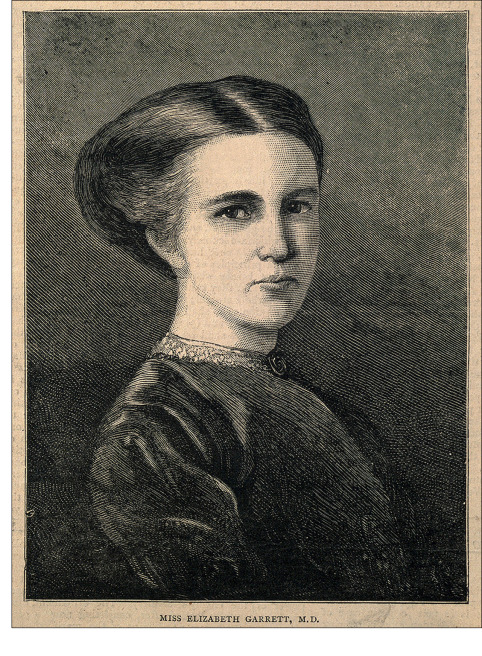
The rights which the women enjoyed were similar to those which were enjoyed by young children whereby they were not allowed to vote, sue or even own property. But these rights were to be questioned, and changes demanded by a group of women who pioneered the suffrage movement. Among these was Elizabeth Garrett Anderson, who broke many glass ceilings in her day.

Elizabeth Garrett was born on 9 June 1836 in Whitechapel, London, to Newson Garrett and his wife Louisa; the second of twelve children. Her father was originally a pawn broker who went on to become a successful businessman. The family moved to Aldeburgh in Suffolk when Elizabeth was very young. As a child, Elizabeth got her basic education from her mother and a governess. When she was 13 she was sent to a private boarding school near London where she was taught languages and literature, but not sciences and math. Unusual for the time, her parents encouraged their daughters to travel and pursue their ambitions. After completing school Elizabeth, although engaged in domestic duties, continued to study Latin and arithmetic, and read widely. It was accepted that she would marry and live the life of a lady.

When she was 22, a group of women started a magazine for women, English Woman’s Journal. Among these women was one Emily Davies, who became a dear friend. She invited Elizabeth to hear a lecture given by Elizabeth Blackwell, the first American woman physician. Elizabeth was so inspired by her namesake and her lecture that she decided that she wanted to become a doctor. A female studying medicine was unheard of at that time. But her father was supportive. She was denied admission in any medical school, so she enrolled as a nursing student at Middlesex Hospital and attended classes intended for male doctors. She also employed a tutor to study anatomy and physiology. But after complaints from the other students she was barred from the hospital; however Elizabeth continued to study on her own. She was determined to secure a qualifying diploma that could entitle her to put her name on the Medical Register. Unless a person’s name was listed on the Medical Register, that person could not legally practice medicine in England.

Elizabeth found a loophole: she registered to pursue a degree of Licentiate of the Society of Apothecaries which did not specifically forbid women from taking their examinations. In 1865 she passed their exams and gained a certificate which enabled her to practise as a doctor. This was a shocking step; the Society subsequently changed its rules to prevent other women entering the profession this way. However Elizabeth obtained her licence to practise medicine in 1869; the first woman in Britain qualified to do so.

Even though she now had a licence, Elizabeth still could not get a medical post in any hospital. With her father’s financial backing, in 1866 she opened her own practice in London. A little later, towards her goal to establish a hospital for women staffed by women, Elizabeth set up St. Mary’s Dispensary for Women and Children. Initially people were reluctant to consult a female physician, but an outbreak of cholera saw patients teeming to her clinic.

It was during this period that Elizabeth was also getting engaged with the issue of women’s rights. Her younger sister Millicent Fawcett was active in this growing movement; the two sisters with a group of like-minded women set up a discussion group that strongly influenced the battle for women’s education and empowerment.

Although Elizabeth had already obtained many ‘firsts’ she was still determined to achieve her original dream of a formal degree in medicine. So she taught herself French and successfully earned her MD degree from the University of Paris in 1870. The British Medical Register refused to recognize her qualification.

In 1870 Elizabeth became Visiting Medical Officer for the East London Hospital for Children. In 1872 Elizabeth transformed the St Mary’s Dispensary for Women and Children into the New Hospital for Women in London. The hospital specialised in women’s health and all of the staff were women. It was renamed the Elizabeth Garrett Anderson Hospital in 1918 and continued to appoint only female staff until the 1980s. Elizabeth also co-founded the London School of Medicine for Women, the first place in Britain specifically intended to train women as doctors.

In 1871 Elizabeth married a businessman James Anderson, in a  wedding ceremony in which she did not take a ‘vow of obedience’;  she continued with her pioneering work even as she ran her own household and brought up her three children. 

Elizabeth’s determination paved the way for other women.  In 1876 an act was passed permitting women to enter the medical professions and the Medical Register. Today over 48 per cent of licenced doctors in UK are women.

Elizabeth continued to lecture at the London School of Medicine for Women for 23 years, and from 1883 she was also the School’s Dean. She was Senior Physician of the New Hospital of Women for 24 years and in 1896–97 she was President of the East Anglian branch of the British Medical Association. She also found time to write on medical topics, including a textbook for students.

In 1902, Elizabeth retired from her medical career and moved to the town of Aldeburgh in Suffolk. In 1908, at the age of 72, she became the Mayor of Aldeburgh; she was the first female mayor in England. In her final years, Elizabeth was a prominent member of the women’s movement and campaigned for equal rights for women. Elizabeth Garrett Anderson died in Aldeburgh on 17 December 1917 at the age of 81, just two months before the Representation of People Act extended the right to vote to women over 30.

Elizabeth Garrett Anderson, with quiet determination and persistence, opened many doors, and paved the path that women take for granted today. 

–Mamata