The Camel in the Tent: Invasive Animal Species

The story of the Arab who kindly let his camel put his nose in the tent to keep it warm, and ended up with the entire camel inside, while the Arab was ousted into the cold is an old one. It is quoted as an example of “give an inch and they will take a mile”. While this is a fable, in reality there are several examples in Nature, of animal species, who, once invited or introduced, proceed to take over spaces, pushing out the original inhabitants. A case of invasive species.

Recently I wrote about some invasive plant species in India. This is about invasive animal species which have not only invaded spaces but which have posed serious threats to native species in several parts of the world.  Ironically some of the most damaging invasive animal species were originally introduced either for sport, as pets, or as livestock and pack animals. Here are a few examples.

European rabbits. In 1859, Thomas Austin, a wealthy English settler in Australia, received 24 wild and domesticated European rabbits as a Christmas present from his brother in England. These were for hunting on his estate in Melbourne. The rabbits multiplied rapidly, producing more than four litters each year. They had no predators to keep their numbers in control. They also adapted easily to their new environment, and by burrowing beneath the soil, they spread far beyond the boundaries of the estate. In 50 years these rabbits spread across the entire continent. Their numbers became so large that they destroyed crops and land, leading to soil erosion. They also negatively affected agriculture and plants by overgrazing. Not only did the rabbits wreak havoc on Australian croplands, they contributed to the decline of native plant and animal species. Today Australia has over 200 million rabbits, the fastest colonization rate for an introduced mammal ever recorded. The control of this invasion continues to remain a huge challenge which has engaged Government researchers, biologists, farmers, and others.  The colonization of Australia by the European rabbit is said to be one of the most iconic and devastating biological invasions in recorded history.

Cane toad: Another story from Australia. This one about a species that was introduced not for sport, but for biological pest control, and ended up being a major pest itself.
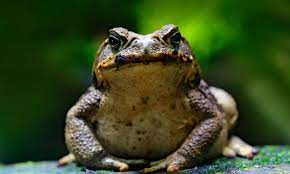
Photo source: https://wwf.org.au/blogs

The Australian sugar industry began around 1862 when Captain Louis Hope succeeded in raising a viable sugarcane crop, and then established a sugar mill in Queensland. Establishing the sugar industry was difficult in the face of drought conditions. A bigger problem was that the roots of the plants were eaten by the larvae of native beetles which were collectively called cane beetles. In 1933, Australian sugarcane growers attending a conference in the Caribbean heard about a toad that was effective in destroying these beetles. Australia had no native toad species. The growers lobbied for the import of the cane toads to Australia in the hope that these would combat the crop-destroying cane beetles. 

In early 1935, a box containing 102 toads arrived from Hawaii. The toads were kept in captivity where they rapidly multiplied. In July 1935 the toads were released into the fields. But not all was known about the toads by then. As it turned out, the toads could not jump high enough to eat the larvae of the beetles that lived largely on the upper stalks of the sugarcane plants. The voracious toads thus began to feed on whatever they could get at the lower level—insects, bird’ eggs and even native frogs. Would-be predators were killed by the poison that these toads secreted. Thus the original plan misfired disastrously, as the invited invaders laid ravage to the crops and native species. The cane toad continues to seriously impact the ecosystems of northern Australia even as they spread to other parts. Due to Australia’s geographic isolation and subsequently unique and fragile biodiversity, this is a grave issue. The Australian Government has stated that ‘There is unlikely to ever be a broad-scale method available to control cane toads across Australia’.
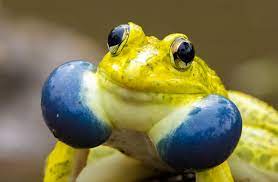
Photo source: Wikipedia

Indian Bullfrog. Closer to home both in terms of geography and history, is the relatively recent example of the spreading menace of the Indian bullfrog on the Andaman Islands. While the first report of its sighting was in October 2011, it is believed that the bullfrogs may have been introduced to the islands in early 2000s.The reason for the introduction is not clear. Some believe that the tadpoles may have come with fish food from mainland India. Or it may have been brought by farmers from West Bengal and released into rice fields for local consumption. But having arrived, these prolific breeders are beginning to make inroads. Of greatest concern is that their tadpoles are carnivorous, and eat tadpoles of other frog species, thus threatening the native species. The large-sized adult frogs also compete with native species for the same food.

As the frogs are spreading to more islands, the story of Australia’s invasion by alien species is beginning to play out again—introduction, naturalization, and expansion.   The Andaman archipelago which consists of 300 islands has rare endemic species which are vulnerable to such invasions, and which eventually could lead to disturbing delicate ecological balances.

Common Myna. Once again, a twisted tale of transition from mainland to islands. This ubiquitous bird that we are so used to seeing around us, is not such a friendly neighbourhood bird in the Andaman islands. Of the 12 bird species that were introduced into the Andamans around the end of the 19th century, 6 have disappeared, but 5 are still found there. Of these, the common myna has been not only the most successful spreader and stayer, but also the biggest threat to native avian species. These birds are known to prey on the eggs and chicks of other bird species. They also compete with the local hole-nesting birds for nesting sites, slowly inching out the native inhabitants from their own habitats.

From the Andamans, all the way to Australia, the range of the common myna is increasing at a rapid pace, leading the IUCN Species Survival Commission to declare it as one of the world’s 100 worst invasive species that pose a threat to biodiversity, agriculture and human interests.

Like the camel that sidled its way into the well-meaning Arab’s tent, the process of incursion, expansion, dislodging of original inhabitants, and taking over, is the story of invasive plant and animal species. This process, together with habitat destruction, has had serious ecological costs, and has been a major cause of extinction of native species throughout the world in the past few hundred years.

–Mamata
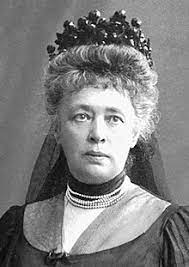
Nobel Peace Laureate: Bertha von Suttner

The Nobel Peace Prize for 2023 has recently been awarded to Narges Mohammadi for her fight to promote human rights and freedom for all, especially in the context of the oppression of women in Iran. Her brave struggle has come with tremendous personal costs. She becomes the 18th woman to be awarded this prize since the first Nobel Peace Prize was awarded in 1901.

The first woman recipient of the Nobel Peace Prize was Bertha von Suttner who was awarded in 1905. The trajectory of her life, from aristocracy to advocacy, is indeed interesting. She was born in 1843 in Prague which was then a part of the Hapsburg Empire. As Countess Bertha Kinsky von Wchinitz she grew up in a family with a military history. Her father died before she was born, and she was brought up by her widowed mother in less than affluent circumstances; tutored by a cousin in languages and music, and reading voraciously. At the age of 30 she decided to move away and earn for herself, taking on a position with Baron Suttner’s family in Vienna as teacher-companion to his four daughters. It is here that the Arthur the youngest son of the family and Bertha fell in love. However the family was strongly opposed to their marriage. Thus Bertha left for Paris where she became secretary and housekeeper to Alfred Nobel. The two became close friends and remained so, corresponding frequently. It is believed that Bertha played a significant role in inspiring Alfred Nobel to establish the Peace Prize.

Bertha however returned after a short stay in Paris to elope with Baron Arthur von Suttner, even in the face of his family’s opposition. The young couple moved to the Russian Caucasus (what is Georgia today) where they lived for nine years earning a living by giving language and music lessons, and eventually as journalists who wrote about the increasing ethnic conflicts in Russia and Central Europe. During this time Bertha also wrote several novels, including Es Lowos, a description of their life together. Her writing began to reflect her thoughts about conflict and peace.

In 1885, following reconciliation with Arthur’s family, the couple moved back to Austria, and then Paris. It is here that they learned about the International Arbitration and Peace Association in London, and similar groups in Europe that were engaged in promoting the ideal of arbitration and peace in place of armed force. It is then that Bertha’s work started to move away from the purely literary. Wanting to contribute in her own way to the growing peace movement, Bertha wrote a novel, based on careful research, in which the heroine suffers all the horrors of war. The book Die Waffen nieder (Lay Down Your Arms) was published in 1889. This book, criticizing many aspects of the times, was among the first to foretell the results of exaggerated nationalism and armaments. The pacifist novel made a tremendous impact across the world. It was published in 37 editions and translated into 12 languages before World War I.

Bertha von Suttner transitioned from being simply an author to a peace activist. She became an active leader in the peace movement, devoting a great part of her time, her energy, and her writing to the cause of peace – attending peace meetings and international congresses, helping to establish peace groups, recruiting members, lecturing, corresponding with people all over the world to promote peace projects. She supported the foundation, in 1889, of the Inter-Parliamentary Union, a global inter-parliamentary institution which was the first permanent forum for political multilateral negotiations. In 1891 she helped form a Venetian peace group; initiated the Austrian Society of the Friends of Peace, of which she was for a long time the president, and attended her first international peace congress. She also took on the editing of the international pacifist journal Die Waffen nieder! (Lay Down Your Arms!), named after her book, from 1892 to 1899.

After her husband’s death in 1902, Bertha moved back to Vienna. She worked as a writer, travelled, and gave lectures. 1904 she was invited to address the Third International Congress of Women in Berlin. She continued to campaign for peace, and argued that a right to peace could be, and should be, international law. She dedicated her life to peace and disarmament and used her position as a writer, journalist, feminist, lecturer, and political activist to promote the belief that peace is a solution that is both necessary and obtainable. At the dawn of the 20th century, few could write or speak about peace and disarmament with greater authority than Bertha von Suttner.

On 10 December 1905 Bertha von Suttner became the first woman to be awarded the Nobel Peace Prize as a recognition for her life-long fight for peace.

Bertha continued her active dedication to the cause even as she grew older and frailer with cancer. She passed away on 21 June 1914, just a week before the assassination of Archduke Ferdinand and his wife in Sarajevo, the spark which triggered World War I. In the hundred years since, the world has witnessed the horrors of two world wars. And today, violence and war mark every continent on earth. In this period, several women have followed in Bertha’s footsteps, as they fight the continuing battles against violence and oppression in different parts of the world.

Just as this year’s Nobel Peace Laureate was announced, we are seeing the ravages of wars in Gaza, and Ukraine, which may well plunge the world into a cataclysmic situation. A time, surely, to recall the words of Bertha von Sutter: One of the eternal truths is that happiness is created and developed in peace, and one of the eternal rights is the individual’s right to live. The strongest of all instincts, that of self-preservation, is an assertion of this right, affirmed and sanctified by the ancient commandment: Thou shalt not kill.

–Mamata

Invited Invaders: Invasive Alien Species

In the last couple of weeks a previously unheard of name has been making news. This is Conocarpus, and the news is that the Government of Gujarat has imposed a ban on the plantation of Conocarpus trees in both forest and non-forest areas. This has come not long after there was praise for the lush greenery that lines the riverfront of the Sabarmati river in Ahmedabad which was made possible by the large-scale plantation of Conocarpus as part of the riverfront development plan. Similar plantations have been done in several cities of Gujarat in the past few years. This has also been the case in some other states. Several municipalities in Telangana planted these fast-growing trees on both sides as well as between the roads to increase greenery. The Pune Municipal Corporation planted these in some public parks. Conocarpus erectus trees have been a popular choice in recent years for beautification of public spaces, as well as residential societies. It is only more recently that researchers have drawn attention to the adverse health and environmental impacts of these trees, raising concerns.

Ironically these trees, which are greening urban landscapes are botanically mangrove plants that grow in tropical or coastal mangroves. They are not native to India, but are indigenous to North and South America, as well as parts of Africa. They began to be widely planted in urban areas because of their ability to grow quickly, and their thick foliage. Now research is indicating that there is more harm than good done. Conocarpus trees have a high-water demand, which is easily met in their natural habitat. But when these are planted in arid areas, their deep root systems compete with nearby plants for water, and also significantly impact local water resources. The roots can damage drainage systems and underground telecommunication lines. The non-indigenous species can outcompete native flora and disrupt natural ecosystems and local biodiversity. They are also a threat to human health as their pollen can trigger allergic reactions causing cough, cold and asthma.

And so the not-too long ago welcomed visitor is beginning to raise concerns. The story is not new. India has seen several examples of such ‘invited invaders’. Meet some of these, who have come to stay.

Prosopis juliflora a thorny, evergreen shrub/small tree which is native to northern South America and Central America, was introduced to India during the nineteenth century in order to halt the further expansion of the Thar Desert in north-western states and to meet the fuel wood crisis of peninsular India. Most of the Indian states and union territories introduced this species in their provinces in order to overcome the local fuel wood demands. This exotic cousin of local Prosopis species (especially Prosopis cineraria) quickly gained a roothold and spread rapidly wherever it grew, developing impenetrable shrubby thickets of thorny branches which could injure humans and domestic animals. The impact on local biodiversity was also evident in the Protected Areas where the plant was introduced, especially in Keoladeo Ghana and Ranthambore National Parks in Rajasthan, where the introduction turned into an invasion that drastically reduced the grassland habitat and threatened the continued survival of the grassland species of birds (especially the Great Indian Bustard) and other animals like the Desert fox. The spread of the shrub reduced the foraging area for wild and domestic animals, affecting the food pyramid all the way up to the tiger—the keystone species. By the time the deleterious effects of the well-intentioned introduction were realized, the alien invasion had become uncontrollable in scope and scale.  

Parthenium hysterophorus is an erect fast-growing herbaceous plant native to the area surrounding the Gulf of Mexico, North, Central and South America and the West Indies. It is a weed commonly known as bitter weed, carrot weed, broom bush and, in India as congress grass.

It is believed that the seeds of the weed entered into India during the 1950s along with the wheat grains received from the United States under the US PL 480 scheme. Since its introduction, the weed has invaded different habitats in India including agricultural lands, bunds of wetland, watercourses, community land, urban areas, overgrazed pastures, industrial areas, playgrounds, sides of the road and railway tracks and the fringes of the reserve forests and other protected areas. Today it has spread over millions of hectares of land across the country. The invasion has been global as the weed has been reported from more than 20 countries across five continents.

Due to its harmful effects on humans, livestock and to biodiversity, P. hysterophorusis was declared as the most dangerous terrestrial weeds of our times. As it spreads, the weed releases chemicals that alter the natural chemical composition of the soil which affects the productivity of crop plants and other native plants. The weed also impacts human health causing respiratory problems including asthma and bronchitis, watering eyes, as well as skin inflammation and eczema.

 Lantana camara, popularly known as wild sage, is a thorny and multi-stemmed deciduous shrub, which produces clusters of small attractive tubular multi-coloured flowers. The plant is a native of South and Central America and the Caribbean islands. The plant was widely introduced in the 19th century in tropical parts of Africa, Asia and Oceania as an ornamental and hedge plant. In India Lantana was introduced around 1807 as an ornamental plant at the then Royal Botanical Garden in Kolkata. In due course of time, the noxious weed managed to escape from the introduced sites and invaded several thousand hectares, including protected areas such as national parks and sanctuaries. Today the plant is believed to have been naturalized in nearly 60 countries and several island nations.

Lantana: Pretty Spreader

Studies have established that the uncontrollable spread of Lantana has had harmful impacts on the ecosystem. It disturbs the natural succession cycle of native vegetation, altering the floral composition of the local ecosystem, leading to the gradual elimination of native floral diversity. Apart from wild flora, the biochemical properties of the plant also adversely affect cash crops such as coffee, cotton, tea, rice and sugarcane among others.  Considering the vast impacts on the ecosystem, biodiversity and range extension ability, IUCN’s Invasive Species Specialist Group (ISSG) has declared the weed as one among 100 of the world’s worst invasive species

Water hyacinth (Eichhornia crassipes) is a floating aquatic invasive plant species native to Amazon basin of Brazil, which has drastically invaded into many tropical and subtropical countries of Latin America, Caribbean, Africa and Southeast Asia. Invasion of this species causes huge loss to aquatic biodiversity and provides home to several disease-causing vectors

The rapidly growing plant was introduced into several parts of the world, including India, at the end of the nineteenth century for ornamental purposes. In due course of time, water hyacinth found its way into natural inland water bodies such as lakes, rivers, reservoirs and rural ponds. In most of the wetlands of Africa and India, this species is still spreading even after a century of its initial introduction.

Invasion of this species causes huge loss to aquatic biodiversity. It spreads rapidly spread within a short period to form dense impenetrable mats across the water surface, preventing the entry of sunlight and also limiting water access for humans and wildlife. The proliferation of the weed in the wetlands slowly alters the density and diversity of the floating and submerged native aquatic plant species, ending in their extinction. The dense vegetation serves as a breeding ground for several vectors such as mosquitos, flies, and snails, which can transmit diseases like cholera, malaria, and filariasis. The invasion affects water transport, fishing, leads to disruption of hydroelectric operations, blockage of the natural water tributaries and irrigation and flooding systems causing flooding. Due to its vast impacts on the local economy, biodiversity and human health, the weed has been recognized as one of the 100 most dangerous invasive species, and the top ten worst weeds.

The IUCN defines invasive alien species as animals, plants or other organisms that are introduced by humans, either intentionally or accidentally, into places outside of their natural range, negatively impacting native biodiversity, ecosystem services or human economy and well-being. Today as the world faces numerous challenges from not just biological invasions, the threat of these invasions continues to grow as the movement of people and goods around the world increases opportunities to transport species to new environments. At the same time, climate change is making areas more hospitable to new species. Invasive alien species are one of the biggest drivers of biodiversity loss and species extinctions. Such invasions also put human health, food security and livelihoods at risk, as highlighted in the United Nations Sustainable Development Goal 15.

–Mamata

Washoku: The Harmony of Food

Continuing with the theme of food that Meena introduced this week. She urged gratitude for those who produce the food that sustains us all, and that we ponder on our relationship with food. Nothing expresses this sentiment better than the Japanese word kansha which refers to appreciation toward those who cultivate, harvest, and prepare food.

And nothing encapsulates the intricate relationship with food than the Japanese concept of washoku: the harmony of food.

My first introduction to the importance of balance in diet was through the classic book Totto Chan, an engaging memoir that tells about an ideal school in Tokyo during World War II, which combined learning with fun, freedom, and love. In the story the headmaster asks the parents to include in their children’s lunch boxes “something from the ocean and something from the hills.” This meant food from the sea (fish and seaweed) and food from the land (meat, grain and vegetables). This simple guideline ensured a nutritious and balanced diet that could be put together economically and easily in Japan.

Many years later when I visited Japan, the first thing that struck me about Japanese food was the delicacy and aesthetic with which it was presented. This was a visual demonstration of the principle of balance and harmony as small portions of each item were arranged so as to create a perfect composition of colour and form on the equally beautiful serving plates. The act of partaking from this palette of shades and forms was in itself a reverential and delicately synchronised process, which respected as well as celebrated the gift of food.

It was only some years later that I discovered that this harmony in Japanese cuisine is created by the nuanced combination of five essential elements: Goshiki (five colours), Go-Ho (five cooking methods), Gomi (five flavours), and Gokan (five senses).

Goshiki: Every meal should include each of the five colour groups. These are: Red (aka) which include tones of orange, purple, crimson etc., and Yellow (kii) including golden and ochre tones. These are warming colours said to stimulate the appetite. Green (ao) also includes blue, which is said to refresh. White (shiro) which includes tones of silver or ivory provides a sense of cleanliness. Black (kuro) including very dark tones like eggplant skin or shiitake mushrooms. A serving of a Japanese meal will include components that provide these colours, which are further enhanced with decorative leaves and flowers. The colours help give visual cues to the different nutrients included in the meal and including each colour group ensures nutritional diversity.

Go-Ho: In an earlier time when the ordinary Japanese people had limited food resources for daily meals, they brought variety by cooking the same ingredients in different ways.The tradition continued to become a principle of a Japanese meal which would include five modes of cooking.

Simmering (niru) anything cooked in a boiling liquid

Steaming (musu) any steamed dish, most often rice.

Grilling (yaku) including broiling, searing, roasting to create layers of flavours.

Frying (ageru) food is deep fried in oil

Cutting (nama) is a very important element especially in food that is eaten raw (sashimi or pickles). This requires skillful knife control and adroit fingers.

Gomi: The Japanese believe that by including five flavours in each meal, the craving for any one flavour is minimized through the balance. The flavours are: Sweetness, Sourness, Saltiness, Bitterness and Umami. While it is known that the human tongue can distinguish the first four flavours, the fifth, umami, is difficult to explain. It comes from the umami component of kelp (glutamic acid) and was discovered by Japanese scientists more than a hundred years ago. The word was coined in 1908 by Japanese chemist Kikunae Ikeda from the words umai (delicious) and mi (taste). In 2002 it was scientifically proven that our taste buds has receptors for umami, that translates from the Japanese as a ‘’pleasant savoury taste’.

These five flavours are provided largely by the five staple ingredients of every Japanese kitchen: Sato (salt), Shi (sugar), Su (rice vinegar), Se (soy sauce), and So (miso).

Gokan: The Japanese believe that in order to truly savour the five flavours, it is not just the tongue, but all five senses that come into play. Thus eating is not just a taste experience. It must begin with the sense of sight that takes in the attractive presentation of the food; the sense of sound which takes in the sounds from the surroundings (preferably nature) and evokes anticipation of the experience. The sense of smell enhances the gustatory experience, and the sense of touch does justice to the variety of textures that one puts in the mouth.

Food for the Japanese is thus as much about experience as it is about sustenance. The emphasis on simplicity of ingredients and cooking techniques, and seasonality of ingredients also makes the food nutritionally balanced. Washoku has been one of included in UNESCO’s Representative List of the Intangible Cultural Heritage of Humanity. It is described as a social practice based on a set of skills, knowledge, practice and traditions related to the production, processing, preparation and consumption of food. It is associated with an essential spirit of respect for nature that is closely related to the sustainable use of natural resources. 

The recently popular series of documentaries on Blue Zones, the five places in the world where people live the longest, healthiest lives, included the Okinawan diet of Japan. While the segment did not go into the depths of the many principles of Five that make the Japanese cuisine what it is, it did add another interesting principle of hara hachi bu, an ancient mantra that reminds people to stop eating when their stomachs are 80% full. A gentle reminder that moderation and mindfulness are also key to the healthy consumption of food.

Japanese food has gained popularity in India in the last few years. This surprises me as this is so different from most Indian cuisine which is usually a rich mixture of multiple spices and flavours. However for most people here, Japanese food usually means Sushi. Perhaps it is time to learn more about, and appreciate the breadth and depth of this Oriental cuisine.

–Mamata

Lighthouses: Beacons of the Coastline

As the country gears up for Diwali, the Festival of Lights, India recently celebrated its first Lighthouse Festival. This is the first time that the spotlight is on lighthouses in India. The festival which was flagged off at Goa’s historic Fort Aguada, is aimed at rejuvenating the rich maritime history of 75 iconic lighthouses of the country, and promoting lighthouses as tourism destinations.

In a country which is so rich in the wide range of world-renowned monuments, spanning different eras and styles of architecture, there has not been much attention on lighthouses as heritage structures. Although there are nearly 200 lighthouses dotting the coast of India, not much is known about them, nor are they high on tourists’ itineraries. However the history of lighthouses in India is long and interesting.

The building of lighthouses in India is generally attributed to the colonial rule. The British, as well as the Portuguese and Dutch who ruled some of the coastal parts of the empire developed and constructed lighthouses at strategic points along the coastline. But India’s maritime history goes back much further, and where ships sailed, there must have been systems to guide them. There are sources that indicate that lighthouses also existed long before.

It is believed that lighthouses were built in India in the 3rd century BC by Emperor Asoka who was a contemporary of Ptolamy II, the Egyptian king who built the famous lighthouse—the Pharos of Alexandria which is the first known lighthouse, constructed between 300 and 280 BC. This was one of the Seven Wonders of the Ancient World.

The first known lighthouse in India was at Puhar Port in Kaveripatnam, an ancient South Indian port city. The famous Tamil writer Illango Adigal of 5-6 century AD in his book Silappadhikaram (one of Tamil literature’s Five Great Epics) had explained in detail about the beautiful lighthouse on the Bay of Bengal coast, and the numerous ships anchored at Puhar port, which was doing brisk business those days.

After the invasion of the Indian subcontinent by the Portuguese, Dutch and the English, trade and commerce through sea increased several folds, and over a period of time, lighthouses were built all along the coastline of the Indian subcontinent to guide the seagoing vessels as they approached the coast. These lights were maintained by the local rulers and port authorities.

As ports became busier, the need was felt for more navigation lights. At Colaba, the entrance to Bombay, the chief seaport of the time, the light was provided by a moored light vessel off the coast in 1842. In 1847, first lighthouse was constructed on Colaba point with a revolving light that gave a bright flash every two minutes. The next lighthouse to be constructed was at Karachi port in 1851. This was followed by a lighthouse on Piram Island in the Cambay Gulf, and then on the north mouth of the river Tapti, which was called the Hazira lighthouse. In 1856 a number of other lighthouses were constructed at important points along the western coastline of India. Among these was the lighthouse at Fort Aguada in Goa, which was the venue of the recent Lighthouse Festival.

The construction of lighthouses continued further south along the Malabar Coast through the nineteenth century. A similar exercise was also under way along the eastern coastline from Calcutta down to Madras. As the number of lighthouses increased, it became essential to establish an authority to control and maintain these lights. After detailed discussions and consultations, it was decided to constitute a Lighthouse Department in British India (with jurisdiction extending from Aden to Rangoon). The Governor General of British India gave approval to the Lighthouse Bill on September 21, 1927, and the Lighthouse Department was constituted. To commemorate this, every year 21 September is celebrated as Lighthouse Day in India.

Initially the department had control of 32 lighthouses. Today India has nearly 200 lighthouses, some of which are centuries old, which continue to be regulated by the Lighthouse Act of 1927. These range from the ancient now crumbling edifices; those painted with traditional red and white stripes, to imposing modern steel structures. Only a few of the original structures remain, some have been repaired as heritage structures, while several new automated towers have come up. Many are equipped with modern radar infrastructure, and equipment to collect weather data. The lighthouses are administered by the Directorate General of Lighthouses and Lightships, under the Ministry of Ports, Shipping and Waterways of the Government of India.

For many of us lighthouses are something that we associate with stories of smugglers, shipwrecks and rescues, or one of the many sights that we may take in as part of a seaside holiday. My own association with lighthouses stems back to the adventures of Enid Blyton’s Famous Five; and the rotating light that arched through the night sky on our summer holidays in Diu. But there is a serious global community of lighthouse lovers who study lighthouses. The scientific study of lighthouses and signal lights, their construction and illumination is called Pharology or pharonology. The term has its roots in the ancient Greek pharos (meaning lighthouse) and logos (discourse). Pharos was also the name of the famed lighthouse of Alexandria. These lighthouse enthusiasts or pharologists, not only study and document lighthouses around the world, they also work to promote the cause of lighthouses and light vessels. They are members of the World Lighthouse Association, and share their passion through the Lighthouse Digest.

D Hemachandra Rao, a retired engineer of Chennai turned his hobby into an ‘epic lighthouse yatra’ by journeying across India to visit and document every functional and non-functional lighthouse on the Indian coastline. Starting when he was in his mid-seventies, Rao travelled extensively along India’s coastline, sharing his descriptions and pictures of his findings through his Facebook Timeline. Known as the Lighthouse Man, Hemachandra Rao passed away in June 2022 at the age of 82, leaving behind a rich legacy in the form of a Maritime Heritage Museum that he set up in his house in Chennai. The museum includes hundreds of photographs of the lighthouses that he had visited.

Mr Rao believed that lighthouses had relevance even in the age of satellite technology. He said “the small light, coming from distance, still navigates the humble fishermen… even today we hear stories of fishermen coming to the shores safe led by the small light”.

There is no fog so dense, no night so dark, no gale so strong, no mariner so lost but what its beacon light can rescue. It beckons through the storms of life. It calls, ‘This way to safety; this way to home’. Thomas S Monson

–Mamata

New Master Craftsmen

Last week Meena wrote about Master Craftsmen. From Vishwakarma, the  legendary master architect and craftsman and an era when manual skills were highly respected and valued, to the present day when such skills are not as highly valued, as a result of which skilled craftspeople are increasing hard to come by.  

In an age when manual work, with attention to the minutest detail and quest for perfection is often eclipsed by industrialized mass production, there is a small and surprising band of new-age Vishwakarmas. This is the league of Lego enthusiasts who spend hours and days (and considerable manual dexterity) putting together little blocks to create mind-boggling structures.

Nathan Sawaya is considered to be the first artist to use Lego bricks in fine art. A high-powered attorney, he would come home and build with Lego bricks as a way to relax. Eventually he gave up his law career to dedicate himself to Lego art. Today his sculptures which range from a 20-foot-long Tyrannosaurus Rex skeleton to a tiny tree consisting of one brown piece on the bottom and one green piece on the top, are exhibited in galleries.

A Chinese artist Ai Weiwei recreates classic paintings using Lego bricks. Among these is the famous painting by French painter Claude Monet called Water Lilies. Weiwei has recreated this as a 15-metre-long art piece using 650,000 Lego blocks.

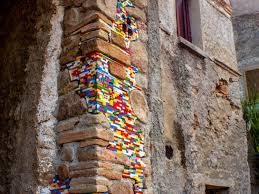
Other artists around the world have used Lego blocks on many occasions to pass a message of social awareness, or simply to entertain the imagination. Street artist Jan Vormann fills in cracks and crevices in damaged walls with Lego building blocks. He calls this ‘art meets functionality approach to repairs’ Dispatchwork. Today there is a worldwide network of people inspired by him who contribute to this creative repair approach.

Lego is usually associated with a children’s hobby kit. It is considered the epitome of an educational toy, and Lego sets have long gained a place at the top of the list of the world’s most popular toys. 

Interestingly the simple interlocking block-shaped toys that we know today as Lego bricks were the invention of a Danish master carpenter and joiner named Ole Kirk Christiansen. In 1932 when Europe was in the throes of the Great Depression, Christiansen opened a small woodworking shop in the village of Billund, with his son Godtfred who was just 12 years old, to manufacture stepladders, and ironing boards from left-over wood. They soon expanded their products to include wooden toys like simple yo-yos, trucks and ducks on wheels, made out of birch wood. In 1934 they gave their business the name Lego, a contraction of the Danish words leg godt meaning ‘play well’.

The company soon built its reputation as a high-quality toy manufacturer and business spread. The company itself grew from only six employees in 1934 to forty in 1942. The product line also expanded to include clothes hangers, a plastic ball for babies, and some wooden blocks.

It was in 1947 that the company made the move that would define its future.  Lego bought a plastic injection-moulding machine, which could mass produce plastic toys. By 1949, Lego was using this machine to produce about 200 different kinds of toys, which included a plastic fish, a plastic sailor, and small plastic bricks which had pegs on top and hollow bottoms, allowing children to lock the bricks together and create structures which simple wooden blocks could not. The ‘automatic binding bricks’ as they were called, were the predecessors of the Lego toys of today. In 1953, the automatic binding bricks were renamed Lego bricks. In 1957, the interlocking principle of Lego bricks was born. But these bricks were not too sturdy, and they did not stick firmly to each other.

In the meanwhile Lego had been working on a stud-and-tube design that facilitated the bricks to snap together firmly. They obtained a patent for this in 1958. This was the game-changer. The new system gave children the chance to build something sturdy, without it wobbling, or coming undone. Lego also made sure that new bricks were always compatible with old ones. In fact Lego has not changed the design of its bricks since 1958 when they got a patent for what is called the “universal system” so that each piece is compatible with all other pieces, regardless of the year or set it belongs to.

As the interlocking blocks grew in popularity, it was observed that children used the bricks in innumerable different ways to create more than just single structures. This led to the Lego Sets which had additional components like vehicles, street signs, bushes etc. to create streets and cities. The landmark addition of the wheel (around brick with a rubber tyre) in the 1960s brought in numerous new possibilities. With the production of 300 million tiny wheels per year, Lego out-manufactures the world’s biggest tyre manufacturers! The younger children were roped in to Lego-land with the launch of the larger Duplo bricks for pre-schoolers. 

The 1970s saw more additions to Lego sets–miniature figures (referred to as a minifig) with moveable arms and feet to populate the Lego towns; castles and knights to create a medieval world; pirates to sail on high seas, and astronauts to ride into space, and almost everywhere that a child’s imagination could take it.

The introduction of the immensely popular themes like Star Wars and Harry Potter contributed to the soaring sales, making this a multi-billion dollar industry. However it is heartening to find out that Lego has a strict policy regarding military models. They do not make products that promote or encourage violence. According to the company “Weapon-like elements in a Lego set are part of a fantasy/imaginary setting, and not a realistic daily-life scenario.”

Despite the scale and volume of production, there is no compromise on quality. The process used to mould the bricks is so accurate that only 18 out of one million bricks fails to meet quality standards. The original founder Ole Christiansen believed strongly in the values of creativity, individuality and, above all, quality. The Lego Group’s motto, “Only the best is good enough” was created in 1936, and is still used today.

Today there is a large international AFOL (Adult Fan of Lego) community. One of the challenges in the Lego world is to become a “master builder”. Coincidentally one of the most expensive Lego items is the Taj Mahal set which has over 6000 pieces to construct the Taj Mahal. Where centuries ago master craftsmen toiled with slabs of marble to create this magnificent timeless edifice, today the new master craftsmen work with plastic bricks to create its replicas.

–Mamata

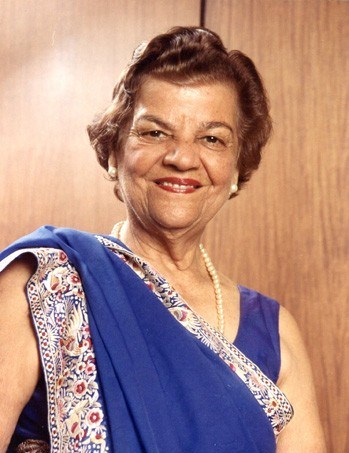
Health Activist: Banoo Coyaji

Among the recently announced Magsaysay Awards is Dr Ravi Kannan, an Indian surgical oncologist who has revolutionized cancer treatment in Assam through people-centered health care. 

The citation for the award lauds the doctor’s ‘devotion to his profession’s highest ideals of public service, his combination of skill, commitment, and compassion in pushing the boundaries of people-centered, pro-poor health care and cancer care, and for having built, without expectation of reward, a beacon of hope for millions in the Indian state of Assam, thus setting a shining example for all.’

The Ramon Magsaysay Award, Asia’s premier prize and highest honour, recognizes greatness of spirit shown in selfless service to the peoples of Asia.

Thirty years ago this award was conferred upon another Indian doctor whose life and work reflected the same spirit that the above citation lauded. She was Dr. Banoo Jehangir Coyaji who was not only a medical practitioner, but an activist who used her profession and passion to change the lives of thousands of women in remote geographical areas.

Banoo Coyaji was born on 7 September 1917 in Bombay. She was the only child of Pestonji, a civil engineer, and Bapamai Kapadia. She spent her early childhood with her parents, but when she started schooling, her mother sent her to live with her grandparents in Pune, where she attended the Convent of Jesus and Mary. Thus Banoo grew up in a large loving household among aunts, uncles and cousins; while the family was affluent, the children were brought up to be disciplined. While many Parsis of the day were supportive of the British, Banoo’s family was nationalistic. Banoo herself was deeply influenced by Gandhiji and his philosophy.  

One of the big influences in Banoo’s life was the family doctor Edulji Coyaji who was known in Pune for treating the poor as well as the rich. It is he who encouraged the young school graduate Banoo to study medicine. Sixteen-year old Banoo joined St. Xavier’s College in Bombay for pre-medical studies, following which she pursued medical studies at Grant Medical College in Bombay, completing her MD degree in 1940. In the meanwhile she met Jehangir Coyaji, her mentor Edulji’s younger brother, and an engineer. The two married in 1941 after Banoo completed her degree. In 1943, she moved back to Pune where Jehangir worked, to set up house. Although she had an MD in gynaecology, Banoo joined Dr Edulji in his general practice. One day Dr Edulji told her that she was to go to KEM Hospital, as they were in urgent need of a doctor.

KEM was a private charity hospital that had been founded in 1912 by Pune’s leading citizens. When Banoo entered the hospital in May 1944 it had only forty beds. Primarily a maternity hospital, most of the patients were poor women, many who came from remote areas when their medical condition had reached a critical stage. The women also came with other medical issues so the small staff had to be prepared to treat any emergency. The workload was relentless and they worked over 18 hours a day. Banoo and her husband moved into a flat above the hospital so that she was able to attend to her young son, as well as her patients.

In 1947 Banoo and her husband were among the millions who witnessed India’s tryst with destiny as we became an independent nation. Around this time Banoo also made her first major intervention at KEM hospital. Having treated, over the years, women whose health had suffered due to child bearing issues (too many children, too early or late pregnancies, and the toll of unattended childbirth) Banoo opened Pune’s first birth control clinic. She was joined by Shakuntala Paranjpe a social worker and family-planning advocate who helped her reach out to women and promoted birth control classes for local women. This was a revolutionary initiative for the time.  

This was the start of many new developments that took KEM hospital from being a small maternity hospital to become a full-fledged general hospital, and one of the leading charitable institutions in Pune. To achieve this Banoo had to be continually fund-raising, adding new equipment and wards as and when she got funds. All the while she took no pay from the hospital.

Working tirelessly to maintain and grow the hospital, Banoo had no time to attend to something that had always been at the back of her mind. This was the question of what was happening in the villages from where patients often came with serious health conditions. In the late 1960s Banoo felt that it was important that the medical services should reach the villagers before the villagers needed to come to the city for treatment. She began exploring how KEM’s services could provide this outreach. Her team started by identifying a poor rural drought-prone area in Vadu Block, about 40 km from Pune. She approached the Health Secretary of Maharashtra government with the offer that the hospital run the block’s Primary Health Centre. This was agreed upon. In 1972, KEM set up a small outpatient clinic in Vadu. Maternal and child care, and family planning were the early priorities of the programme. From the beginning, KEM had emphasized the importance of research linked to its ongoing medical and public health programmes. In 1972, Banoo Coyaji seized an opportunity to establish a research society at the hospital.

While the first step to outreach had been achieved, Banoo felt that this was still a treatment service to those who came to the clinic. She felt that it was preventive care which could make a real difference, which addressed not the symptoms but the causes—sanitation, clean water, nutrition, and antenatal care. She felt that this would be best done by the local people themselves. Thus she asked each village to recommend a man and a woman who could be trained to serve as part-time health volunteers. The newly recruited volunteers underwent a comprehensive three-week training with a holistic approach to health and a healthy environment. The volunteers returned to their villages as community health guides, forming the grassroots base of a pyramid of healthcare services connecting their villages with KEM hospital at the top.

As the experiment showed results, there were suggestions that it be scaled up. In 1980 the model was introduced into the adjacent blocks of Kendur and Nhavra, where the village panchayats had passed a resolution inviting them to come. But the implementation had numerous challenges. However by the mid-1980s, Banoo Coyaji’s multifaceted interventions in Vadu were bringing about a quiet transformation, not just in human health but in the health of the local environment, and in the capacity and confidence-building of the local population, especially the women. 

By 1987, many elements of the Vadu model were accepted by Maharashtra state. These included KEM’s process for selecting and training village health guides, its insistence upon retraining middle-level health officers and on continuing education for its field staff, and its effective patient referral and grassroots record-keeping systems. This model was later used in many developing countries.

In 1988, with the help of the Indian Council of Medical Research, Coyaji launched the Young Women’s Health and Development Project to support an experimental training programme for girls. Aside from lessons in health, hygiene, personal development, and family life, the girls also studied population issues, the status of women, and the importance of education for girls. A second component of the programme involved learning vocational skills such as sewing, knitting, embroidery, crochet, and making costume jewellery and decorative items.

Thus Banoo Coyaji’s vision and the work of the KEM-trained volunteers went well beyond health and family planning to encompass literacy, livelihood options, legal advice, and even the support to question social issues like dowry. It was always a challenge, but as Banoo said All social change is slow. And very profound social changes indeed are needed before India’s women can achieve their full potential.

Dr Banoo Coyaji continued to work for the causes dear to her heart till she passed away on 15 July 2004. In addition to the Magsaysay Award she received many national and international awards, including the Padma Bhushan.  

–Mamata

Teacher? Teacher!

In the run up to Teacher’s Day which is celebrated in India on 5 September every year, there will be numerous pieces about outstanding teachers, teachers who have changed the lives of students, and other inspiring stories.

Sadly, even as we felicitate and celebrate teachers such as these, there are also disturbing reports about teachers who, perhaps, could leave life-long scars on the children that they have the opportunity to mould and nurture. These belong to the mass of average teachers who are “teachers” in name but not in deed. What do they make of their job, which is really speaking a means of livelihood, and even that, which is insecure?

Take this piece, titled Confessions of a Teacher.  

I am a teacher. I saw an article entitled ‘Teacher’s Confessions’ and thought, why not pen down my own confessions?

I have been in teaching for years now. As a requirement to becoming a teacher, I had at that time, to study the science and principles of education. I have not learnt much more, since then.

I go to public libraries but rarely touch teaching related journals. A glance at the librarian’s issue book will show several books against my name, but none related to education.

I am certainly in the habit of reading. In the early years I was busy studying the textbooks and related material. But the textbooks don’t change often. I now need only to glance at the books. My reading list now includes dailies and monthlies and some assorted fiction.

After school hours I rarely discuss education-related topics. My discussion includes topics such as someone’s dismissal or promotion, forms and examinations, higher authorities or fellow teachers, booksellers, and so on.

During recess time, my colleagues gather for a cup of tea. We talk of many things. But never do we talk about how to teach, teaching aids, or students.

The school timings are fixed. The curriculum is set. The school bell heralds the passage of time, and students are prepared for the examinations. The systems are in place. I go to school. Teach the lessons for the day. I carry out my tasks and keep the order – partly by force, partly by wit, partly through my image, and largely through the set disciplinary systems of the school.

I don’t get into the depths of any subject. There is no time; just enough to complete what will be part of the exams. Students will take longer, and explanations will have to be made to the authorities.

I know the students by name, or those that know their lessons, and those that do not. I do not know anything about their family, their friends, their own personalities. We are not close. I know their minds, but not their hearts.

I see who comes first, and who is last. I do not know about their physical strengths and weaknesses. Those who finish their work and bring it to me, are clever; those I like. The rest are duds; I do not like them. Between us there is no affection. How can there be trust? They are afraid of me; and I exert my authority over them.

Once I leave the school, I scarcely think of them, save perhaps, one who might have been greatly disrespectful. Each to our own homes. Perhaps, as I lie down the thought may cross my mind that as the exams near, I will have to speed up the revision, for which I’d use the recess.

I haven’t seen the home of the children. Nor have I shown them my home. I do not have such a relationship with them.

I dream that I will be promoted till some day I become headmaster. I will complete my term of service, retire and enjoy my pension. I hope to save a little before I am too old. That is why I have to take tuitions.

I wish that I am well thought of in my community, that I can educate my children so that they get good jobs, and I can marry them off before I enjoy old age.

It is for this that I wish to work. Today the profession of teaching is, for me, an activity, a job. In all this, the ideals of education, the changing principles and practices of teaching, the desire to bring new changes in the field – all this is not in one, where will they come from?

I would like to explain clearly what my position is today. My state is like this; I presume my fellow teachers are in a similar situation.

If we think that this is a familiar scenario, it may come as a surprise that this was written in 1932 (nearly a hundred years ago). The author is Gijubhai Badheka an eminent educator who helped to introduce Montessori education methods to India. Disturbed by the dark educational system of that time, he embarked on his journey into the realms of education, and left behind a rich legacy of work and writing.

More about Gijubhai and his work on www.gijubhaibadheka.in.

Several generations later, the dilemmas about what makes a ‘good teacher’ continue to engage educators.

A hundred years after Gijubhai wrote some of his seminal works on education, Sir Ken Robinson one of the eminent contemporary thinkers on education propounded a critique of the school system. His TED talk Do Schools Kill Creativity? is one of the most watched talks. He urged schools to transform teaching and learning to an experience personalized for every student involved.

His words resonate closely with Gijubhai’s angst about the state of education, and his dream for a transformative educational system

Role of the Teacher    

The problem is that over time, all kinds of things have gotten in the way of it – testing regimes, league tables, unions’ bargaining rights, building codes, professional identities, the concerns of various pressure groups, ideology of various political parties. It’s very easy for people to spend all day discussing education without mentioning the students at all. But all of this is a complete waste of everybody’s time if we forget that our role is to help students to learn. Therefore, the question is: what should they learn and how do we best do that?

All the great education systems and schools know that. It’s why they invest so heavily on the selection of teachers, why they insist on getting people who don’t just have good degrees, or have them at all. They want people who know their material, but they also know that teaching depends upon a whole set of pedagogical skills and a love of the process. It’s more than the transmission of direct content. It’s about having a set of skills focused on facilitating learning. (Sir Ken Robinson)

A teacher’s work is like flowing water. The fulfilment of the work of education is not in teaching one or two subjects… Real education lies in making humans aware about their own unending strengths. (Gijubhai Badheka ‘Note to Teachers’ 1920)

Some food for thought.

–Mamata

More Than Just a Library

Recently there was an article about heritage libraries in India and how some of these are in the process of being restored, renovated, and upgraded so that the rich history and legacy could be shared with a new generation of bibliophiles. Among these is Mumbai’s David Sassoon Library established in 1870 and the National Library in Kolkata the roots of which can be traced back to 1836.

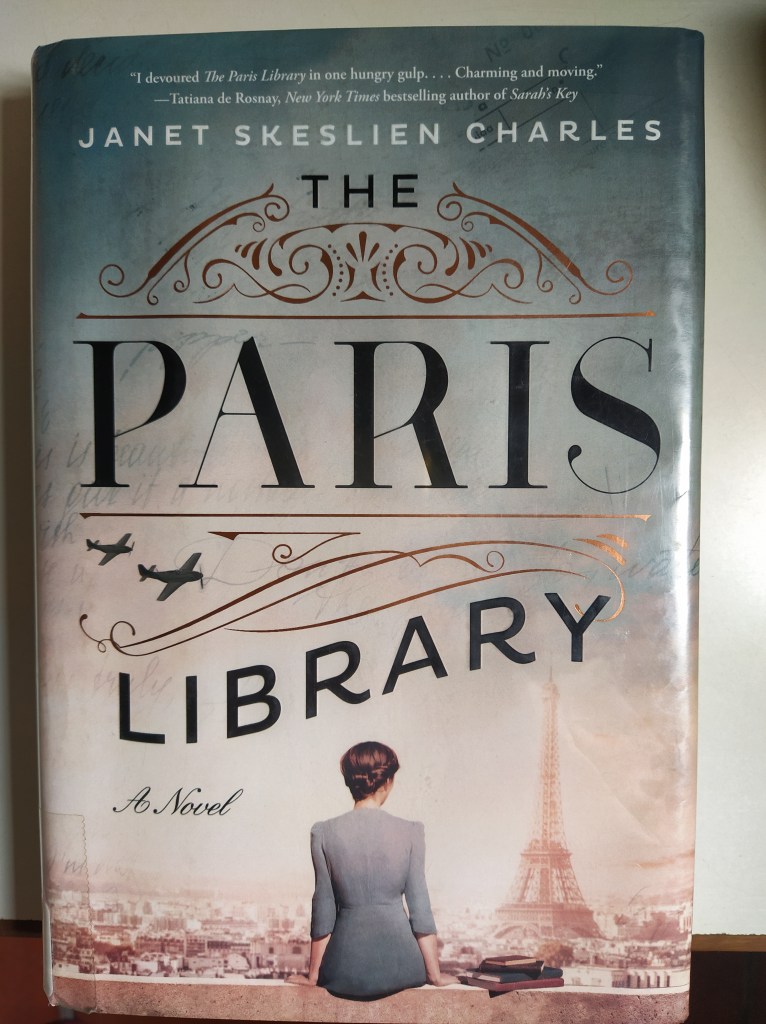
Coincidentally, around the same time I was reading a novel called The Paris Library. While the story and the two main protagonists are fictional, the library around which it revolves, and most of the other characters that are part of the story are based on real people and places. This was the American Library in Paris or ALP as it was called.

As a curious bookworm I was intrigued by this and decided to investigate further into the ALP. I discovered a fascinating history.  

The seeds were sown during World War I. This was when thousands of young Americans were fighting with the Allies on the battlefronts in Europe. At this time when the main supply to the front was in the form of arms or medical equipment, the American Library Association felt that the troops needed something to engage them mentally in the midst of their grueling physical existence. So it collected books and periodicals donated by American Libraries and personal collections and shipped these to France to the Library War Service from where they were sent to military bases, training camps and hospitals where American soldiers were fighting. It is estimated that around 2 million books and five millions periodicals were shared in this way with American soldiers fighting the war far from home. One of the centres which housed part of the collection was also in Paris.

When the war ended, there was a discussion about what to do with the books that that been an important support all through the war, not just for American servicemen. During this period the citizens of Paris had also become fond of browsing through the collection of English language books in open stacks (an uncommon feature of European libraries at the time), and international newspapers and periodicals in the Paris centre. Thus although there was no plan to establish a permanent library in Paris this idea seemed to evolve and slowly take root. The thinking was that the library could also serve as a functional model to demonstrate American library methods, especially the use of the Dewey decimal system and open stacks.

Thus the decision was taken not to ship the books back but to establish a permanent library in Paris in the spirit of Atrum post bellum, ex libris lux: After the darkness of war, the light of books. This also became its motto. There was however the question of funds needed to establish and run the library, but the idea had many advocates, and contributors from all walks of life, in America and in Paris united to pledge every kind of support. This was probably an early example of crowd funding.

As a result the American Library in Paris was founded in 1920 by the American Library Association and the Library of Congress with a core collection of those wartime books. Its charter promised to bring the best of American literature, culture, and library science, to readers in France.

Having been established, there was a continuous struggle to keep it not only running but also to enhance its collections and also serve as a cultural hub. The library constantly innovated to keep itself up and running. The Library worked with sixty-five leading publishers in the United States, who sent free copies of newly published works which the Library displayed in a dedicated exhibition space. Over a thousand new books per year were acquired through this channel. Meanwhile, the Library staff, wrote widely published literary reviews of the new titles, and in 1924, they launched their own literary journal called Ex Libris, to which Ernest Hemingway and Gertrude Stein contributed. The library also formed relationships with other libraries through inter-library loans and other social organisations. The American Library in Paris quickly became a vital hub of reference services and educational outreach. Within just three years of existence, the library’s reference room was visited by 35,000 users. It founded its own children’s section in 1928 and had Story Hours for children. The library had highly qualified and dedicated staff as it invited librarians from some of the best libraries in the USA to come on sabbaticals. Some of these stayed on.

The library which grew out of World War I played a critical role during World War II. Once again it sent thousands of books to the troops fighting at the front in Europe. The library became a refuge for its habitués (regular subscribers) not just providing the comfort of books, but companionship, solidarity and solace. As one of the characters in the book puts it: Libraries are lungs, books the fresh air breathed in to keep the heart beating, to keep the brain imagining, to keep hope alive.

The library remained open even during the dark days of the Nazi occupation of Paris. Many of the American staff including its doughty librarian Dorothy Reeder stood firm, until they were forced to evacuate the country, but a handful of local staff bravely continued to run it. They themselves faced great personal risks in delivering books to the homes of some of the regular Jewish subscribers who were no longer permitted in public spaces. The library was also subject to “inspections” to check if they were harbouring any forbidden literature.

The book The Paris Library tells the story of the library and its habitués during the period of World War II. It is a heart-warming tale of the manifold power of books and the unique bonds that books create between people. As the library director Dorothy Reeder says in the book: Because I believe in the power of books—we do important work, by making sure knowledge is available and by creating community.

The story reflects that the original motto of the library: After the darkness of (another) war, the light of books.

The American Library in Paris celebrated 100 years of its founding in 2020. Even in an age where there is a deluge of information at the fingertips this library serves over five thousand members from sixty countries. It holds the largest collection of English language materials on the European continent, and is wholly community supported. It is now as much a community and cultural centre as it is a library, and its users are as diverse as its collections.

–Mamata

Sisters-in-Arms: Pritilata Waddedar and Kalpana Dutta

This Independence Day week there have been many pieces celebrating the numerous freedom fighters who were part of the nationwide movement for independence. The movement was unique in that it took the path of non-violence to achieve this goal.

Whilst many of the names are part of history textbooks, there were thousands of people who played their part in the fight for freedom. Not all of these are as well remembered. Among these, there were also some who were driven by the same aims but who chose to take another path of showing resistance to the colonial rule.

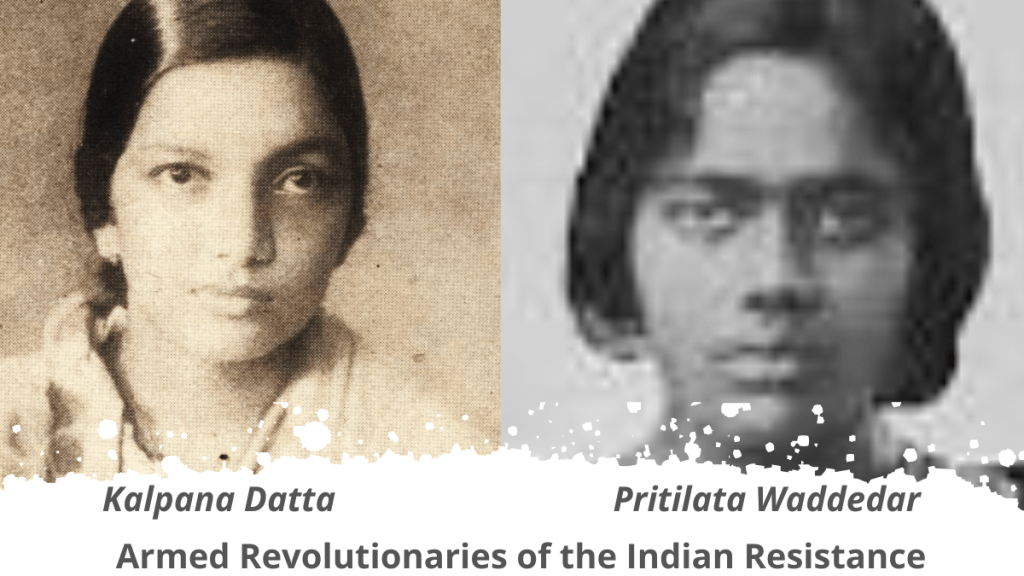
This is a story of two feisty young women who chose the path of direct resistance, and who dedicated their life to the cause. They are Pritilata Waddedar and Kalpana Dutta.

Pritilata Waddedar

Pritilata Waddedar was born on 5 May 1911 into a middle-class family in a village of Chittagong, now in Bangladesh. She did her schooling in her hometown and then moved to Dhaka for high school studies at Eden College. It is here that the young Pritilata came in contact with other women who were strong anti-colonialists and who were inspired by revolutionary ideas. The spark was ignited. Pritilata then moved to Bethune College in Calcutta to pursue a higher degree in Philosophy. On completion of her course, Pritilata’s degree was held back by the British authorities at Calcutta University because of her anti-British activities. The seeds of rebellion were firmly sown. Pritilata returned to Chittagong in 1932 where she joined as a teacher in a school and went on to become the headmistress.

It was during this period that Pritilata was introduced to Surya Sen who led an underground revolutionary group. Pritilata approached Master Da as Sen was called by his followers with a request to join his group. Initially Sen as well as his comrades were hesitant to include a women in the group, but Pritilata’s revolutionary passion and steely resolve to overthrow the British, as well as her abilities to carry out risky assignments gave her entry into the group.

Comrade Pritilata was a key member of the group that planned and strategized armed attacks on railway lines, telegraph office, the armoury, as well as the famous Chittagong Uprising—the raid on the armoury of police and auxiliary forces that cut Chittagong off from the rest of the country. Pritilata played an important role in supplying explosives to the revolutionaries. The raiders managed to escape but the British authorities tracked them down in the Jalalabad hills near Chittagong. Several thousand troops ambushed the rebels and many of them (some merely teenagers) were killed in the encounter. Sen’s depleted band had to reorganize and re-strategize.

They decided to avenge the Jalalabad massacre by burning down the Pahartali European Club. This club was targeted because, among other white supremacy symbols, it also had a sign at the entrance which declared that ‘Dogs and Indians are not allowed.’ Pritilata was the leader of the eight-member team. The team prepared by intensive training in the use of firearms. As in any military formation the leader was to be the first to attack and the last to return after the rest of the team had moved to safety.

On the night of 23 November 1932 Pritilata and her team, dressed as Sikh men laid siege to the club and set fire to it. British troops were quick to retaliate. Pritilata and her team were chased and ambushed with little hope of escaping alive. Nevertheless Pritilata tried to divert the gunfire to give her comrades a chance to escape. In the process she was shot in the leg. Rather than die under British arrest, the wounded Pritilata swallowed cyanide and ended her life. She was 21 years old. The police found her body early next morning and were surprised to discover that the leader of the attack was a young woman.

Kalpana Dutta

A lot of what we know about Pritilata is thanks to the memoirs of Kalpana Dutta which describe in detail the Chittagong Uprising. Inspired by Pritilata, Kalpana became a fellow comrade, and was also one of the few women members of Surya Sen’s underground group of revolutionaries. Kalpana often travelled disguised as a man, to transport explosives and other supplies to the group. She also became an expert in preparing gun cotton, an explosive agent.

Born on July 27, 1913 in Sreepur village in Chittagong, (now Bangladesh), Kalpana Dutta was fond of listening to adventurous stories since childhood. While studying in high school, she read many biographies and stories of freedom fighters, which inspired her with the passion to join the struggle for freedom. She joined a semi-revolutionary student organisation called the Chhatri Sangha and became one of its most active members. It was here that she met Pritilata, and the two became close friends. It was Pritilata who introduced her to Surya Sen.

Following the Jalalabad massacre, both Pritilata and Kalpana were designated as the key executors of the arson attack on Pahartali Club. Just a week before the attack, while she was on a reconnaissance trip of the area, Kalpana was detained by the British. She was released on bail, she immediately went underground to ensure that the plan would continue without any obstacles. Pritilata became the sole leader of the team. As we know, the team was ambushed and the wounded Pritilata took her own life rather than die in the hands of the enemy. 

Kalpana remained underground, even when the British finally managed to locate and capture Surya Sen in 1933. Three months later, she was eventually arrested and sentenced to life in the second supplementary trial case of the Chittagong Armoury Raid incident. She was released after six years of imprisonment. After her release from prison, she completed her studies and graduated from Calcutta University in 1940. Following independence, she led a relatively quiet life until her death in February1995. She wrote her autobiography in Bengali which was translated into English as Chittagong Armory Raiders: Reminiscence.

The note left by 21-year-old Pritilata when she died sums up the spirit of these two fearless young women who broke many stereotypes of the time.

There may yet be many among my dear countrymen who would question [women being fighters]. Nursed in the high ideal of Indian womanhood they may ask, how can a woman engage in such ferocious task of murdering and killing people?

I am pained at the distinction being made between a man and woman in the struggle for freedom of the country. Today if our brothers can enlist in the war of independence, we too the women should be allowed to do the same and why not?

–Mamata