The Best Kind of Nut is a Coconut

When there are myths and stories about the origins of an animal, tree, bird or anything in nature, we can be sure that the particular thing has played a huge part in human lives and society down the ages. The coconut is one such. There are stories from across the world about the origins of the coconut. Even in India, there are at least 4-5 popular stories about this. Not to mention stories from West Africa, China, Malaysia, etc.

Coconuts are an integral part of our lives in India—from the morning chutney for the idli, to the oil we swear by for hair growth, the refreshing and safe drink we give convalescents, to the coir mattresses we sleep on—they touch our lives in so many ways. Coconuts are a must for a visit to a temple, for a housewarming, a puja, or to launch a new vehicle.  

Coconut Day

I didn’t know till recently that there was a World Coconut Day, marked on Sept 2nd every year. Nor did I know that there was something as grand and formal as The International Coconut Community (ICC), an intergovernmental organization of coconut producing countries organized in 1969 under the aegis of the United Nations Economic and Social Commission for Asia and the Pacific (UN-ESCAP). Their mission is to ‘To promote, coordinate and harmonize all activities of the coconut industry which sustains the lives of millions of small farmers.as well as those engaged in production, processing and marketing of coconut products.’ The ICC Secretariat is located in Jakarta, Indonesia and is headed by an Executive Director. The ICC has 20 member-countries from Asia, the Pacific, Africa, South America and the Caribbean’s. India is of course one of them.

World Coconut Day commemorates the foundation of Asian and Pacific Coconut Community (APCC), an intergovernmental organization of coconut producing countries.

The coconut certainly deserves all this. It is a tree which provides food, fuel, medicine, cosmetics, building materials, and much more. In the South Seas, there is a saying that ‘he who plants a coconut tree plants food and drink, vessels and clothing, a heat source, habitation for himself, and a heritage for his children’. Importantly, it forms part of the livelihood basket of lakhs of small landholders—98 per cent of coconut holdings are with small and marginal farmers.

India is among the largest producers of coconuts in the world with Tamil Nadu, Kerala, Karnataka and Andhra Pradesh being the major contributors. We produce over 19 million nuts a year, accounting for over 31 per cent of the world’s production. We also account for 66 per cent of the world’s exports, and send our coconuts to over 140 countries.

There is also R&D going on into development of a range of new coconut-based medical products. In the world of healthcare, a number of products from sterilizing agents to fungicides to anti-itch products are being developed. The fashion industry too has taken to developing new products based on coconuts. There is also considerable research in the direction of developing several food-related products like coconut skimmed milk, coconut milk powder, coconut cream, coconut vinegar, coconut jaggery and palm sugar, and we may expect to see many such new products hitting the market soon. There is also on-going effort to make coconut shell charcoal and activated carbon.

So let’s join in the celebration of the ubiquitous coconut that we take so much for granted. Drink tender coconut-water, eat a coconut burfi, make a curry with a coconut gravy, or throw a coconut themed party. Just a way to say thank you to a tree that gives us so much—health, beauty, taste, shelter, sound sleep, and importantly, livelihoods to so many!

–Meena

Living On…

August is a Month of Days! Well, I know all months are made up of days, but August is made up of many significant Days—from Independence Day to International Youth Day to Quit India Movement Day to World Mosquito Day, to….

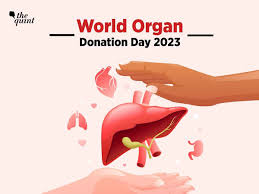
In the process, even media seems to get overwhelmed and is not cover many of the issues adequately.  One such day is World Organ Donation Day, marked globally on 13 August every year, to raise awareness on the need for organ donations, and to clear misconceptions around the issue.

For a quick overview: There are two major types of donations– deceased donation which is the process of giving an organ or a part of an organ after death, for the purpose of transplantation to another person; and living donation, wherein a donor can give part of certain organs to another person. (The other two types of organ donations are Vascularized Composite Allografts (VCAs) which involves the transplantation of multiple structures including skin, bone, muscles, nerves, connective tissue etc.; and Paediatric donations.)

In India, Deceased Organ Donation is usually done only from a person who has been declared brain-stem dead by a team of authorized doctors at a hospital. A person is said to be brain-stem dead when there is an irreversible loss of consciousness, absence of brain stem reflexes and irreversible loss of the capacity to breathe. These are often accident victims and others who have suffered fatal injuries to the head or have had brain haemorrhage. Organ donations after cardiac death are rare in our country. 

Sadly, the deceased donation rate in India is dismally low—it stands at under one donor per million population, and no upward trend has been seen for a decade now. It is estimated that 20 people die each day in our country waiting for an organ donation. Experts estimate that 65 donations per million population are needed to fill the gap.

Considering that we won’t need our organs after death, it would seem that this would be the easiest kind of donation! But in a country where charity and giving are a deep-rooted part of the culture, organ donation meets many barriers. A study published in a prominent medical journal regarding reasons why the figure is so low in India says: ‘Lack of awareness (80.1%), religious beliefs and superstitions (63.4%), and lack of faith in the healthcare system (40.3%) were cited as the three most probable reasons for poor deceased organ donation rates in India. Fear of disfigurement (29.5%), lack of government sponsored incentives (27.6%), fear of procedural delays (27%), and inappropriate counselling for deceased donation (26.4%) were also commonly cited reasons for poor organ donation rate.’ (J Clin Exp Hepatol. 2016 Jun; 6(2): 81–86.).

From the above, it seems that creating awareness and proper counselling are the urgent needs. Most of us don’t know that one deceased organ donor can save up to eight lives. He or she can contribute two kidneys to two people; two lungs to two people; one liver which can be divided among two people; one pancreas and one heart which can save one life each. Apart from this, eyes can give sight and donated tissue can help as many as 75 people. Increasing awareness and appealing to the inherent giving instinct could be critical factor in increasing donations. This is borne out by the fact that in the study mentioned above, people said that the ‘the thought of saving someone’s life’, as well as a ‘feeling of improved sense of humanity’ were motivators for such donations.

You can register your intent to donate organs with the National Organ & Tissue Transplant Organisation (NOTTO). Such a pledge does not carry legal weight as the consent of family is necessary for the donation of organs of deceased people, but it is a clear signal of the wish of the deceased. And if during life the donor discusses his or her wish with family members, they will surely do it, in respect of the loved one’s last wishes. Afterall, what can be more satisfying that their loved one lives on!

So go ahead and visit https://notto.mohfw.gov.in/ today!

–Meena

Deadly Fat Sticks

I saw a reference, in a book I was reading recently, to Trichirapalli Cigars. That really intrigued me. For me, Trichy was a place one used to go to as a child to visit aunts and uncles. And of course, a morning was set aside for a visit to the famous Rockfort Ganesha temple. The temple is built on what may be the oldest rock on earth, and we needed to climb 344 steps to reach it—which we as kids did most enthusiastically. And while the elders devoutly visited the Pillayar and Shiva shrines, we kids played around the temple courtyard and passages. Another must-do on such trips was a visit to the amazing Kallanai Dam built by the Chola king Karikalan around the 2nd Century AD, and a picnic on the banks of the Kaveri.

And never in all those years, and all the years following, had I ever heard of cigars originating from there. But apparently, it is quite a thing! Not that one wants any place to be famous for cigars, but I thought that I must at least learn a little about this, since I have memories of the town with which it is associated.

To start at the beginning, a cigar is defined as a roll of tobacco, wrapped in a leaf of tobacco (or in a substance which contains tobacco). This is what sets it apart from cigarettes, which are made of tobacco rolled in paper or a substance that does not contain tobacco. Cigars are expensive—one reason is that the wrapper leaves need to be of a special quality– strong, elastic, silky in texture, and of even colour. They must have a pleasant flavour and good burning properties. Even the filling used for cigars is often a blend of various types of special tobaccos. And cigars are usually hand-rolled, which makes the process expensive. The shape and size of cigars also determine the price, as does the age—if the tobacco used in a cigar has been aged, or the cigar itself has been aged, it will cost more. And then there are ‘special edition’ cigars which are collectors’ items.

If tobacco-leaf wrapped cigars are at the highest end of the spectrum, tendu-leaf wrapped bidis are at the lowest!

While Cuban Cigars are the best-known, apparently Trichirapalli i Cigars are pretty famous too! Apparently, these were among the major exports to Britain in Victorian times. In fact they were supposed to be the cigars of choice for Churchill when access to Cuban cigars was cut. Churchill even appointed a CCA (Churchill’s Cigar Assistant), a cigar taster for the PM! His job was to ensure uninterrupted supplies of the best Trichirapalli cigars to Churchill. So well-known were these cigars, that Sherlock Holmes mentions them in his famous story “Study in Scarlet”, and Hitchcock also referenced them in one of his films.

What is unique about these cigars is the process employed in processing the leaves. Rather than ageing the leaves as is usually done, in Trichy, they ferment them in toddy water or in distilled fruit juice (orange, apple, pineapple, grape) with added jaggery and honey. This gives them a very distinctive flavour.

Cigars may be expensive, and perceived as fancy and high-class. But they are just as deadly as their humbler cousins–cigarettes or bidis. They contain the same addictive, toxic and carcinogenic compounds found in cigarettes and are not a safe alternative.

And in some countries like the US, cigars are becoming popular with younger people. This is because flavoured cigars like cherry or cocoa or liquorice are available, unlike in the case of cigarettes, where flavours are not permitted. Moreover, the fact that cigars are often sold as single sticks make them more accessible. In fact, a recent survey among middle and high school students who used cigars in the past 30 days, 44.4% reported using a flavoured cigar during that time. The cigar industry seems to be deliberately targeting younger people. A cause for worry indeed!

Cigar-trivia is fine, but ALL smoking and ALL tobacco products are bad!

–Meena

A Millets Tale

Once upon a time, in a forest far away there lived a young girl. The girl had lost her parents when she was just a baby, and she had no other family that she knew of. She continued to stay by herself, and grow up in the forest, the place that she knew as home.  But she had many friends in the forest. She knew all the trees and plants, and they gave her their fruit, seeds, and flowers, different ones in different seasons. She knew all the birds and animals that lived there, and could recognize them by their calls and pugmarks. She knew the springs where cool fresh water flowed, where she could wash, and bathe and drink from. And she also knew that by planting some seeds in the earth, before the rains, would lead to a small crop of plants that she could eat, some for their leaves, some for their roots, and some for the seeds as they ripened. The seeds were of many kinds, some tiny, some larger, and of many colours—pearly white, greenish grey, reddish brown, and many shades of yellow.

The girl in the forest grew up to be strong and healthy young woman. She also grew into a beautiful and graceful maiden. One day as she was walking through the forest, humming a tune, she heard an unusual sound. It was the sound of hoof beats. Most animals in the forest walked and ran on nimble feet, making hardly a sound as their feet touched the ground. This clip clop sound was not one that she had heard before. As the sound grew closer, the girl hid herself behind a tree and peeped cautiously and curiously. From the thicket there emerged a horse, and on the horse rode a handsome young man. The girl had never seen such a sight before. She could not resist stepping away from her hiding place to get a better look.

The rider was a young prince on his way back to his kingdom. He too had never seen such a beautiful maiden before. It was love at first sight! The prince got off from his horse and stood before the lovely lady who was looking at him with undisguised curiosity. She was so different from all the ladies that he met, ladies who acted coy, who dressed in expensive silks and velvets, and were adorned from head to foot in shining jewels. After all he was a prince, the king-to-be, and every maiden in the kingdom dreamed that she would capture his heart and, someday, become the queen.  

This young woman was clad in the simplest of garments, but her skin and hair shone like silk, her face exuded a glow that came from within, and her limbs were lithe and strong. She stood erect and fearless before the young man, innocent but self-assured.

The prince was sure that this was the woman who would be his wife. He spoke gently to the maiden, but put forth his proposal. The young girl was also taken with the young man. She had no idea about kingdoms and kings and princes, and no dream or desire to live in a palace and be a queen. She liked the young man for what he was. And she was of an age when she felt that she was ready for adventure. She said yes!

The prince and the maiden returned to the palace, and were wed. With time the bride settled into her new life and role. She learned to wear the finery, and the manners of royalty. But she could not easily relish the meals that were served. Every meal was like a feast. There were many kinds of bread made from the finest refined flours, numerous dishes rich with oil, butter and spices, and the widest array of sweetmeats laden with sugar and ghee. These were prepared by the finest chefs in the land. The new bride had never, in her simple life in the forest eaten such heavy food. Her body could not digest the extravagance of seasonings and ingredients.

After some time the young woman found that she her body was changing. She felt lethargic; without the energy that she once had to walk long distances, climb trees, work with the soil—digging, planting, tending, harvesting. Her once sinewy limbs were no longer as strong as they once were, and she was becoming plump like the doves that cooed in the courtyard. Her taste buds were satiated; they no longer relished the overpowering deluge of flavours.

One day the young royal sneaked out of the palace in disguise. She went to the local market. As she walked around she saw the heaps of fresh vegetables and fruits and pictured these as she had once seen them, hanging from the branches, and growing from the soil. She came to a grain merchant’s shop and there she spotted the familiar seeds and grains that had sustained her in her days of living in the forest. She realized that these were what her body had been craving. She got these different seeds packed and returned, still incognito, to the palace.

Back in her luxurious surroundings, the queen-to-be got some of these seeds roasted and started having them for breakfast. The kitchen staff was taken aback. These were what poor people ate. How can a rich and royal personage want to eat such humble cereals? But their duty was to do as they were instructed.

 One day her husband found her eating her breakfast of multi-coloured seeds and wanted to know what they were, and why she was eating them. She said that for her these were as precious as pearls, because these are what had sustained her in her childhood and youth. It is these staples that had given her the nutrients and energy that she needed to stay healthy and active. She requested that henceforth, these seeds should become a part of the royal menus. As a royal prerogative she gave these “poor man’s” seeds their names.

The ‘pearls’ were called Bajra, Jowar and Cheena. The ones that were in different shades of yellow, green-grey, red-brown, that reminded her of the colours of the forest were named Kangani and Kakun, Kodo and Proso, Ragi and Kutki, Kuttu and Rajgira.

And so it came about that these poor man’s seeds became a part of the royal kitchen and diet. The queen-in-making devised new recipes and dishes where these could be tastily used, and the chefs added their own touches to these. The ‘pearls’ proved their value. The palace residents began to feel lighter, healthier and stronger.

Time passed. The young bride became the queen, and in time, she and the king also passed on. As with the cycle of change, there were later generations that went back to the rich cuisines that once signified wealth and status. With that came also the effects on people’s health and well-being.

 Until one day a newly-married princess discovered, among the dusty tomes in the palace library, a book of recipes of the ‘pearl seeds’.

We have come full circle again.

Celebrating Millets!

–Mamata

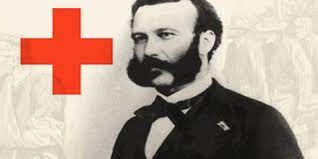
Henry Dunant: The Man Behind the Red Cross

The words Red Cross literally, and immediately, bring to the mind’s eye the image of the red cross on a white background. This has become a universal symbol of humanitarian help and healing wherever there is a situation of war, natural or man-made calamity. The history of what has, for over a century been an international movement can be traced back to a much earlier war, and to the humanitarian vision of a businessman named Henry Dunant.

Photo source: https://elm.com.sg/

Henry Dunant was born on May 8, 1828 in Geneva in a Swiss family that was religious and civic-minded. Henry himself, in this youth, was closely involved with the Young Men’s Christian Association. After he completed school he was initially apprenticed to a Swiss bank. When he was twenty-six he joined as a representative of a company that had commercial interests in Swiss colonies in North Africa.

As part of his work Dunant travelled to Algeria to take charge of the Swiss colony of Setif. While he was there he attempted to become an independent entrepreneur and set up a wheat mill. For this he needed a large tract of land and water rights for the same from Napoleon III. Napoleon was at the time headquartered near the northern Italian town of Solferino, directing the French and Italian armies in the battles to drive the Austrians out of Italy. Dunant arrived in Solferino in time to witness one of the bloodiest battles of the nineteenth century. On that memorable twenty-fourth of June 1859, more than 300,000 men stood facing each other; the battle line was five leagues long, and the fighting continued for more than fifteen hours.

Dunant was also witness to the horrific aftermath of the battle which left behind hundreds badly wounded and dying without any kind of help. Dunant was deeply moved by his experience. He wrote about it and published a small book titled Un Souvenir de Solferino (A Memory of Solferino). He began the book with these words: I was a mere tourist, with no part whatever, in this great conflict; but it was my rare privilege, through an unusual train of circumstances, to witness the moving scenes that I have resolved to describe.

The book, published in 1862 had three parts. The first described the battle itself. The second described the battlefield after the fighting: chaotic disorder, despair unspeakable, and misery of every kind. It also described all the efforts to care for the wounded in the small town of Castiglione. The third section proposed a plan. It suggested that the nations of the world should form relief societies to provide care for the wartime wounded; each society should be sponsored by a governing board composed of the nation’s leading figures, should appeal to everyone to volunteer, and should train these volunteers to aid the wounded on the battlefield, and to care for them later until they recovered.

As he wrote: But why have I told of all these scenes of pain and distress, and perhaps aroused painful emotions in my readers? Why have I lingered with seeming complacency over lamentable pictures, tracing their details with what may appear desperate fidelity? It is a natural question. Perhaps I might answer it by another: Would it not be possible, in time of peace and quiet, to form relief societies for the purpose of having care given to the wounded in wartime by zealous, devoted and thoroughly qualified volunteers?

This report shook the whole of Europe. What was unusual about it was that rather than being just a reporting of the battle, Dunant also provided ideas and proposals aimed at preventing a repetition of the horrifying happenings in Solferino.

His two main proposals were: i.That countries adopt an international agreement, which would recognise the status of medical services and of the wounded on the battlefield. ii. The creation of national relief societies, made up of volunteers, trained in peacetime to provide neutral and impartial help to relieve suffering in times of war.

In response to this, on 7 February 1863, the Geneva Society for Public Welfare appointed the International Committee for the Relief of the Wounded, a committee of five people, to find ways to put the plan into action. The committee consisted of the banker Gustave Moynier, the general Guillaume-Henri Dufour, as well as the doctors Louis Appia and Théodore Maunoir, along with Henry Dunant. Dunant, poured his own money and time into the cause, travelled over most of Europe to meet governments and convince them to send representatives to a conference which would develop the plan of action. The founding charter of what was to become the International Red Cross Movement was drawn up in 1863.

An international conference was held from 26 to 29 October 1863; it included delegates from sixteen nations. The result of the conference was an international treaty with ten articles that were signed by twelve nations on 22 August 1864. This became known as The Geneva Convention. The Treaty guaranteed neutrality to sanitary personnel and protection of sanitary establishments, guaranteed free access for such personnel to grant material assistance.

The Convention also adopted a special identifying emblem. A red cross on white base was selected as a recognition and protection sign. It was the reverse of the Swiss Federal colours and was selected in honour of the Swiss origin of the initiative to provide humanitarian assistance in times of armed conflict.

While Dunant was putting all is time and resources in making his humanitarian dream a reality, his personal and professional life went into a steep decline. His business ventures failed and he became bankrupt; he was also cast out by the Geneva society of which he was once a part; he was penniless and unmoored. In September 1867 he resigned from his post as secretary, as well as member of the International Committee.

For the next 20 years from 1875-1895 Dunant became a wandering recluse, living on charity. In 1887 he ended up in a small Swiss village where he fell ill and found refuge in the local hospice where he spent the remaining years of his life. In the meanwhile he was almost forgotten, and even presumed dead, until a journalist discovered him in 1895 and wrote an article about him. The article was printed all over Europe. Henri Dunant was rediscovered by the world.

In 1901, Dunant was awarded the first-ever Nobel Peace Prize for his role in founding the International Red Cross Movement and initiating the Geneva Convention. The prize was divided equally between Jean Henry Dunant “for his humanitarian efforts to help wounded soldiers and create international understanding” and Frédéric Passy “for his lifelong work for international peace conferences, diplomacy and arbitration”.

Despite the prizes and honours Dunant continued to live in his one room in the hospice until he died in 1910, and as per his wishes, there was no funeral ceremony.

Henry Dunant’s vision and creation of the worldwide movement continue to be play a critical part, in a world that is conflict-torn even today, helping people in need during armed conflict, natural disasters and other emergencies. The movement’s ethics are based on seven Fundamental Principles: Humanity, impartiality, neutrality, independence, voluntary service, unity and universality.

May 8 is marked as Red Cross Day in memory of the contribution of Henry Dunant to building this international Movement, and to celebrate these principles.

–Mamata

Lumps and Bumps

Skin

I was just thinking about the amount of time we spend worrying about lumps and bumps on our skin and other surfaces, those seen and those unseen. Parents worry about rashes, boils, sties and other sundry outbreaks on their children’s skin. Teen years are spent worrying about acne, pimples, blackheads, whiteheads. Tumours, cysts and polyps occupy significant mindspace in old age. And through all our living years, moles and warts are a part of life.

What on earth are these things? Here is a quick overview.

Rashes are any area of irritated or swollen skin. They involve changes in colour, feeling or texture of the skin.  They are often itchy and painful and can appear red, purple, grey, or white.

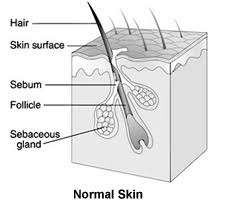
Boils are painful, pus-filled bumps that form under the skin when bacteria infect and inflame hair follicles. They usually start out start as reddish or purplish, tender bumps. The bumps quickly fill up with pus, growing larger and more painful until they rupture and drain. If that sounds bad, a carbuncle is worse. Carbuncles are a cluster of boils that form a connected area of infection under the skin.

A stye is an  inflamed oil gland on the edge of the eyelid, where the eyelash meets the lid. It appears as a red, swollen bump that looks like a pimple, and is often tender to the touch.

And here are the ones which trouble us during adolescence.

Acne is when hair follicles under the skin become clogged. Sebum—oil that helps keep skin from drying out—and dead skin cells plug the pores. Most often, the outbreaks occur on the face but can also appear on the back, chest, and shoulders. Acne is the generic name which includes pimples, zits, etc.  

To be specific, pimples are small pustules which develop when the oil glands become clogged and infected, leading to swollen, red lesions filled with pus.

Blackheads are also a type of acne, but different from pimples. They are open bumps on the skin that fill with excess oil and dead skin. They look as if dirt is in the bump, but it is irregular light reflection off the clogged follicle that causes the dark spots.

Whiteheads too are acne and occur when oil and dead skin close off hair follicles or oil glands. But they form closed bumps on the skin.  

Moving on from teen-woes, here are lumps and bumps we worry about as we grow older:

Tumours are solid masses of tissue that form when abnormal cells group together. Tumours can affect bones, skin, tissue, organs and glands. Many of them are not cancer but they still may need treatment. 

Polyps are tissue growths that most often look like small, flat bumps or tiny mushroom-like stalks. Most polyps are small and less than half an inch wide. A polyp can be flat, raised or on a stalk. Uterine and colon polyps are the most common, but it is also possible to develop polyps in the stomach, ear canal, nose, etc.

Another type of lump is a cyst which is a small pocket of tissue filled with air, fluid or other substances. Cyst maybe caused by genetics, inflammation, infection or other issues.

And the ones that are age-agnostic:

Warts are small, noncancerous growths which appear when the skin is infected with one of the many viruses of the human papillomavirus (HPV) family. The virus triggers extra cell growth, which makes the outer layer of skin thick and hard in that spot.

Moles are small dark brown spots and are caused by clusters of pigment-forming cells (melanocytes). Most people have 10 to 40 moles that appear during childhood and adolescence and may change in appearance or fade over time.

That was a yucky one! But yucky is part of life!

–Meena

Nothing to Sniff At

One of the numerous lingering impacts side effects of the not too-long abated COVID pandemic was the loss of the sense of smell for many people. For those who escaped this side effect it was difficult to imagine how people who could not smell anything may be feeling. For those who were affected, it must have been a really unnerving sensation.

The sense of smell, or olfaction, is the special sense through which smells are perceived. While impairments of the sense of sight or hearing are more apparent in the person with the disability and more evident to others, an olfactory dysfunction affects the person very personally, and less is less noticeable to others.

One of the side effects of losing one’s sense of smell is the losing also the sense of taste or gustation. These two senses are closely interconnected. In fact our sense of smell is responsible for about 80% of what we taste.

Both are chemical senses. The perception of a smell occurs when substances in the air pass through the nose and stimulate the olfactory (smell) nerve. The experience of taste, or gustation, occurs when the taste buds in the mouth respond to substances dissolved in saliva. Without our sense of smell, our sense of taste is limited to only five distinct sensations: sweet, salty, sour, bitter, and the newly discovered ‘umami’ or savoury sensation. But what we call ‘taste’ is actually ‘flavour’–a combination of smell, taste, spiciness, temperature and texture. Much of the flavour of food comes from smell. Thus both the senses–taste and smell–contribute to the experience of flavour. When we are unable to smell we lose much of our ability to experience flavour. Most of us have experienced that when we have a cold and our nose is blocked most foods taste bland. But not many of us have consciously registered that when we are hungry our sense of smell becomes stronger! Think of how all the aromas emanating from a kitchen or bakery start making our mouth water!!

So how exactly does humans’ sense of smell work? This is where the nose and the brain work together. Inside the nostrils are tiny cells, called olfactory neurons, that have long cable-like connections that send electrical messages to a spot at the front of the brain, known as the olfactory bulb. Each olfactory neuron connects with a different neuron in the olfactory bulb, which then sends this information to other areas of the brain. When odours or distinctive smells enter the nose, they travel to the top of the nasal cavity to the olfactory cleft where the nerves for smell are located. The combination of activated neurons generates all the unique smells that we as humans can detect.

The way the brain deals with smells is very different to how it deals with other senses, such as seeing and hearing. For example, we can identify the different instruments playing in a band, or the different shapes and colours in a painting. But it is very hard for us to tell the individual parts of a smell mixture

The brain does more than help us smell, it triggers memories associated with the smell. This is how sometimes a particular fragrance immediately conjures up memories of a person who one associates with that fragrance, or a food smell brings back memories of childhood kitchens and food lovingly cooked and served in the family. Some smells may also trigger sad or unpleasant memories that one thought had been pushed away in the farthest recesses. As Helen Keller said: Smell is a potent wizard that transports you across thousands of miles and all the years you have lived. 

The sense of smell is not just about enjoying the flavours of food or relishing memories evoked by fragrances and odours. This sense is important for our well being. Smell helps us to distinguish good from bad odours. Often we smell stored food to know whether it has “gone bad”. Food that smells over fermented or not as it should is a warning that it may be harmful if ingested. The smell of a “dead rat” (literally) or rotting matter alerts us to the state of hygiene in a particular location. The smell from a gas leak or “something burning” is an early warning system of potential danger.

While we take these smelling tests as a normal part of our daily life, the inability to use smell as an early detection aid can be dangerous for those who lack the sense of smell.

In fact this lack is a medical condition called ‘anosmia’. The term refers to the inability to perceive odour or a lack of functioning sense of smell. Anosmia can be caused by a wide range of factors. The most common reasons are due to upper respiratory or sinus/nasal infections or viral diseases. The condition may be temporary or permanent depending on its cause.

While anosmia is the complete loss of sense of smell, other types of smell dysfunction include: hyposmia, which is the partial loss of the sense of smell; parosmia, which is when the perception of smells becomes distorted, so pleasant smells start to seem unpleasant, or an odour appears to change intensity; and phantosmia, which is when a person believes that they can smell something, but it is not actually there.

Compared with other disabilities, anosmia is a condition that is relatively undiscussed. This leaves a lot of people who are affected by it feeling isolated and lost. This was exactly what Daniel Schein an American, who suffered from congenital anosmia felt. Growing up with anosmia, I never knew anyone else with the disorder and it was just something I accepted and lived with. But I soon learned that there were many people all over the world in the same situation and different groups doing important research. I started Anosmia Awareness as a way to bring together everyone interested in anosmia, encourage research and spread awareness.

Daniel Schein’s awareness campaign was formalized through the launch of an Anosmia Awareness Day in 2012. Now an annual event, the day is marked on 27 February every year. Daniel also runs the website anosmiaawareness.org which is a valuable resource for those who are keen to know more about the condition.

The day was not well-publicized initially. However the movement got a boost when a UK-based charity called Fifth Sense joined in supporting the cause. Today this group is dedicated to support and advice people with smell and taste-related disorders, and to making this day an international reminder of the gift that we often take for granted.  

–Mamata

Underground Treasures: Tubers

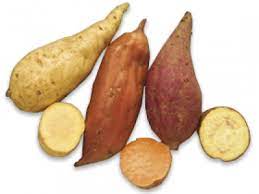
This is the season of relishing a variety of underground edible delights. These are the root and tuber vegetables that are consumed in numerous ways, in a variety of dishes. In Gujarat these are celebrated in the undhiyu, a mix of winter vegetables led by several kinds of tubers including yams, sweet potatoes and potatoes, traditionally slow-cooked in an earthen pot. The winter season is also a multi-coloured celebration of root vegetables like carrots, beets, radish, turnip, fresh turmeric and ginger that add crunch, colour and flavour to salads, and sweets (carrot hawa!).

The distinction between tubers and roots is more botanical than culinary. Both root vegetable and tubers are geophytes, a botanical classification for plants with their growing point beneath the soil. All tubers fall under the root vegetable umbrella, but not all root vegetables are tubers. Root vegetables are aptly named because the meat of the crop is the root of the plant, growing downwards and absorbing moisture and nutrients from the soil. Above ground are the leaves, below ground, are the roots which are eaten as vegtables. Tubers, however, form at the base of the root. Tubers store energy and support new stem growth. You can get several tubers from one above-ground plant, while root crops will have one root vegetable from each plant.

The general belief is that tubers are starch heavy and difficult to digest. Many people feel very full after eating tubers. In fact, the complex carbohydrates found in tubers balance the glucose levels in blood, and help remain full for a longer period, thereby prevent cravings and overeating.  While they do contain more carbohydrates than protein, tubers are a rich source of essential nutrients—vitamins (especially vitamin C), minerals like copper, manganese and potassium, and beneficial enzymes. They are also high in fibre that helps to keep the digestive and excretory system healthy. 

Indigenous people all over the world have traditionally consumed a variety of local tubers to supplement their diet as a balanced and healthy food source. In the Andean region of South America, tuber-forming or storage root crops have been continuously domesticated from wild ancestors and improved via selection and breeding during centuries by the local indigenous people. Some have been used as part of traditional medicine for their healing properties. Tubers thus provided food security as they could survive the vagaries of weather conditions, especially drought.

Tubers are slowly attracting attention again for all these reasons. Tubers are packed with nutrition, but majorly neglected in our diets. They are naturally resistant to pests and diseases, and are chemical-free unlike most fruits and vegetables. Unlike other food, tubers survive for three-four months after being pulled out of the soil.

Realising their multi-faceted potential for a hunger-free world, the Food and Agriculture Organization has categorised tubers like the sweet potato, along with pulses and millets, as Future Smart Food (FSF). 

However with the spread of monocultures and new varieties of cereal crops, as well as accessibility and popularity of other vegetables, over time the genetic as well as nutritional properties of tubers have been largely forgotten or neglected.

This is what motivated Shaji NM, a farmer from Kerala to take on a one-man crusade to save and celebrate tubers. Shaji grew up in a family of farmers that often resorted to subsisting on a diet of different tubers that they cultivated, or collected from the nearby forest, when they could not afford any other food grain. While Shaji himself became familiar, early on, with a variety of tubers, as he grew he saw that these were slowly being forgotten as the market became flooded with cereals and vegetables from far and wide. He also realized that while traditionally most farmers had cultivated some tubers in their fields, these were being increasingly replaced by the cultivation of cash crops like pepper, cardamom, nutmeg. Shaji felt that he needed to do something to protect and preserve tuber varieties before they disappeared altogether. And thus began a mission that has been continuing for almost two decades now. 

Shaji began travelling across Kerala to look for wild tubers. He went deep into the forests to meet the local tribal communities. It is here that he discovered a variety of wild yams and other tubers that were part of their traditional diet, grown in small patches near their homes, or collected from the forest. These were not grown nor available commercially. Shaji saw that many such varieties were on the verge of disappearing and he began to collect the seeds of all the varieties that he came across. He brought the seeds back and started growing these on his own one acre of land. But he also began to give the seeds back to the local communities, encouraging them to cultivate these and include these in their diet.

Today Shaji has accumulated a rich basket of tuber species. Greater yam, lesser yam, elephant foot yam, arrowroot, colocasia, sweet potato, tapioca, Chinese potato are just a few among the over 200 varieties of tubers that he grows on his small farm named Kedaram that means ‘cultivation’ in Malayalam. Shaji’s passion has extended to preserving other endangered plant varieties as well. He cultivated over 52 varieties of indigenous and traditional rice varieties, 100 varieties of vegetables and fruits, as well as medicinal plants. With a small fish farm, rearing of honey bees and a few cows and goats, Shaji has demonstrated the enormously rich potential of even a small landholding.

Shaji organizes a seed festival at his farm every year. He generously gives away, for free, the seeds of tubers and rice to others who want to cultivate these with the strict condition that the people return the same amount of seeds they take from him once they harvest the crop. This helps to ensure that the seeds are properly cultivated.

Shaji N.M., a truly grassroots biodiversity champion, strives to spread his mission every way he can from personal interactions, to technology like Facebook to connect and train farmers. The Tuber Man of India as he is popularly called has been recognized for his efforts through several state and national level awards.  He was awarded the India Biodiversity Award 2021 in the individual category of Conservation of Domesticated Species.

I will certainly relish my undhiyu with more respect this year!

–Mamata

.

STRIKING TIMES

On 15 December 2022 an estimated 100,000 nurses went on strike across hospitals in the UK, marking the first-ever nationwide walkout in the history of the nursing union in the country. This is probably the culmination of a year that has seen a great deal of labour unrest across Britain which has manifested in a series of strikes. From British Rail workers, to postal workers, bus drivers and baggage handlers at airports, and NHS nurses, several essential services have been disrupted and daily activities affected by these.

Labour unions have had a long history in Britain. It is interesting that one of the earliest examples of labour militancy, was in 1888, and was sparked off by young girls who worked in appalling conditions in a match factory. The Match Girls’ Strike as it came to be known was a key moment in British history and a milestone in the labour movement.

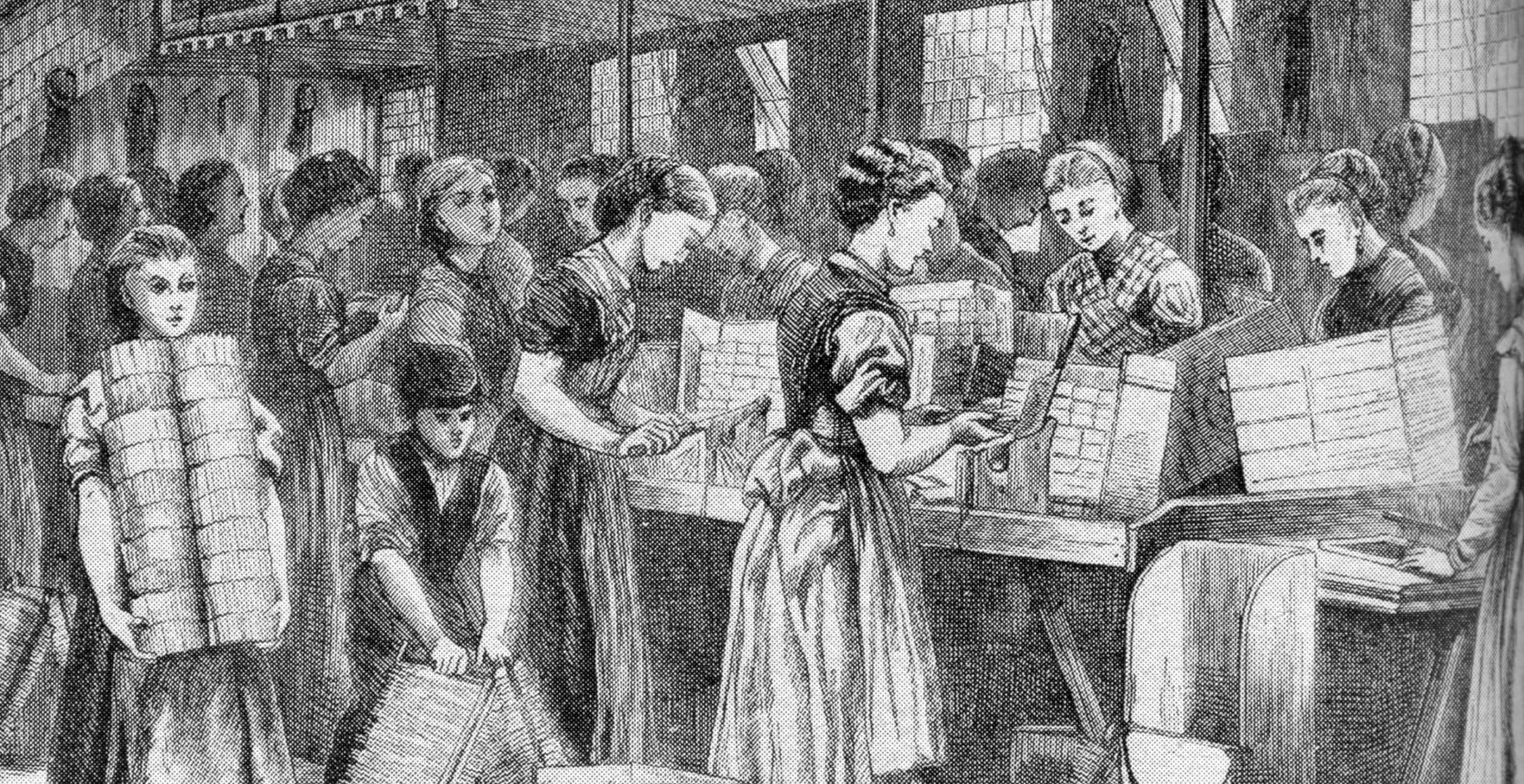
This historic development dates back to the late-nineteenth century in London’s East End, an area inhabited by the very poor, with unsanitary living conditions and rife with disease and malnourishment. This area also provided cheap labour for the nearby factories. Among these was the Byrant and May Match Company. The company employed young girls (starting as early as age 13) who worked, standing on their feet, for 14 hours a day, for very meagre wages from which they had to also feed, clothe and house themselves. Their earnings were further cut by fines and deductions for small mistakes such as leaving a match on the work bench. The girls who were forced to work as they came from large and poor families, had hardly anything left to take home. The girls also suffered abuse at the hands of the foremen. Over and above the economic exploitation, was the hazardous work environment.  

The production of match sticks involved dipping the sticks, made from poplar or pine wood, into a solution made up of many ingredients including phosphorus, antimony sulphide and potassium chlorate. Within this mixture, it was the white phosphorus that was extremely hazardous for bones and lungs. Inhaling it would cause toothaches, and in the long run, a condition called “phossy jaw” an extremely painful type of bone cancer leading to horrendous disfiguration of the face.

Matchgirls strike work!

The Company employed around 1400 such women and made huge profits, even as they managed to circumvent some of the basic labour rules of the time. It was fully aware of the impact of phossy jaw but if anyone complained, they simply instructed them to have the tooth extracted. While discontent simmered within the workers, there was little that the girls could do to change the situation; but the glowing embers were getting hotter; until a spark ignited the matches.

Henry Burrows a social activist and Theosophist, and a close friend of Annie Besant, had heard rumours about the work conditions in the match factory. He first made contact with some of the girls who worked in the factory, and Annie Besant met many of them and heard from them about their appalling work conditions. This prompted her to write an article about this titled White Slavery in London. The article was published on 23 June 1888 in a weekly magazine called The Link which was published by Annie Besant.  

The powerful matchstick industry had never been challenged like this before, it was outraged, and promptly denied everything. Bryant and May threatened to sue Annie Besant for libel and demanded that their employees sign a statement claiming that  the article was untrue. They refused. The company retaliated by sacking one of the workers who they accused of being ring leader. This was the final straw for the Match girls. And so it was that on 5th July 1888, 200 girls and women downed their tools walked out. They marched to the office of The Link and their representatives met Annie Besant. Mrs Besant did not agree with the strike action in principle but she agreed to help them. Her leadership helped to give the girls direction and organization. The ripples spread quickly, and soon about 1,400 workers had walked out in sympathy. 50 girls visited Parliament, to describe their grievances to MPs “in their own words”.

Besant and Burrows proved crucial in organising the campaign which led the women through the streets whilst setting out their demands for an increase in pay and better working conditions. Such a display of defiance against a powerful industrial lobby was met with great public sympathy, and donations for the cause started pouring in. The empathy demonstrated for the plight of working women was also a sign of changing times.

The factory management saw that the bad publicity could harm their interests and they had no choice but to offer improvements in wages and working conditions. This agreement represented a resounding success for the Match girls, who returned to work the next day. Although it would not be until 1908 that the House of Commons finally passed an act prohibiting the use of the deadly white phosphorous in matches.

An important outcome of the Match girls’ strike was the creation of a union for the women to join; this was extremely rare as female workers did not tend to be unionised even into the next century. The Union of Women Matchmakers, which lasted until 1903, was extremely significant, considering that even as late as 1914, less than 10 per cent of female workers were unionised. It also meant that the organisation of the workers did not just disappear after the strike, as had been the case previously.


The Match girls’ success gave the working class a new awareness of their power, and unions sprang up in industries where unskilled workers had previously remained unorganized. As The Link wrote on 4 August 1888 the strike “put new heart into all who are struggling for liberty and justice”. The next year saw the Great Dock Strike, where many of the dock workers were male members of the families of the Match girls. Ultimately, these two strikes led to the formation and growth of the labour movement and Labour Party itself. 

–Mamata

Guts and Gore

Last week we looked at the millions of microscopic life-forms which live within us and which help not just our digestive processes, but contribute overall to our health and well-being.

This week, here is a bizarre story of how we started to get insights into our digestive system (quite literally, as you will see).

The year was 1822, the place Mackinac Island, near the Canada-US border. A young fur-trader called Alexis St. Martin got shot in the stomach—how and why and by whom is not clear, but probably an accident.

He was treated by Dr. William Beaumont, a US Army surgeon who was stationed at a nearby army post. St Martin had a hole in his stomach where he was shot. The treatment seemed to work and he recovered, but the hole did not close. For the first two weeks or so, whatever he ate, came out through the. But after that, though the hole was still open, the food did not come out and his digestive system seemed to be working normally. And though the stomach-wound healed, there was still a hole there—a window to his innards. Since sstomach acids are very strong, they essentially disinfected the wound from the inside out, and so it was safe to not sew it up.

Dr. Beaumont saw this as a miraculous opportunity to study the digestive system—he could literally look into the stomach as it worked. He paid St Martin to work in his house doing domestic chores with the understanding that he would allow the doctor to carry out experiments. St Martin was not happy, but did not have much choice.

Dr. Beaumont carried out a variety of experiments. For instance, he often watched the digestion happening in St Martin’s stomach after he ate. Sometimes, he let him eat and then retrieved the contents of the stomach later through the hole to see how much digestion had taken place. He would put food in a mesh bag and then dip it into St Martin’s stomach and take it out after some time. He even licked the inside of St. Martin’s stomach and found that the acid taste manifested only when the stomach started to digest food.

Over the next several years, Beaumont observed and recorded everything that went into St. Martin’s stomach. He took samples of gastric secretions and sent them to chemists for analysis.

Gory though it sounds, and medical ethics of today would probably never allow these kind of experiments, it has to be said that Dr. Beaumont’s work laid the foundation for modern ways of studying and understanding physiology. His work helped us to understand how the basic process of digestion actually occurs.

Weirdly enough, even today, in the US and some other parts of the world, the study of the digestion in cows is undertaken by deliberately making a hole or cannula in a cow’s stomach. The hole is fitted with a cannula which acts as a porthole-like device that allows access to the stomach of the cow, to perform research and analysis of the digestive system. These are called cannulated or fistulated cows. Apart from research, this also helps sick cows by allowing vets to insert healthy microbes into the sick cow’s gut. But I wonder if there can’t be ways just to give the sick cow medicines orally. Making a permanent hole in a cow’s stomach doesn’t seem a very nice thing to do! In fact, any animal rights groups find the practice objectionable, and are campaigning against it.

Here is to the spirit of science, of exploration and discovery. But strongly rooted in ethics!

–Meena