
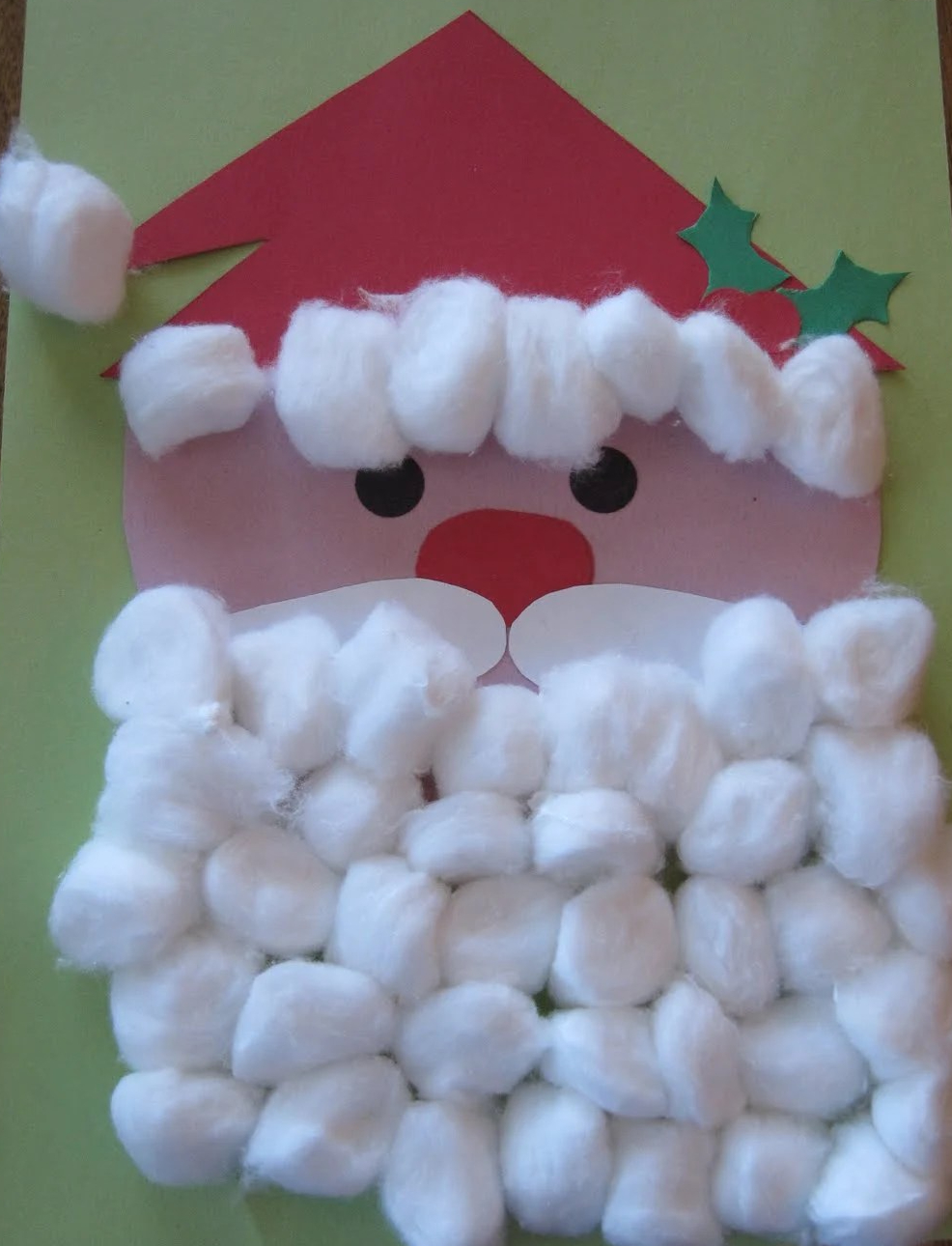
With a 5-year old to entertain, I am always looking for suitable activities. And Christmas brings not only joy but a host of Santa crafts too. Like Ganesh, Santa lends himself to being rendered in paper, board, foil, plastacine, with balloons, with cotton wool….you name it. The ability to cut out circle-ish shapes is the main criterion for being able to undertake Santa-crafts. My house is currently filled with good, bad and indifferent renditions of Santa!
As a corollary, I was curious to learn about Santa sculptures. I did not recall seeing any statues of this beloved character. And they seem to be surprisingly few in number—or at least, they don’t seem to be well documented.
But there is one very well-known sculpture—famous in some eyes, infamous in others!
This is the piece by the American artist Paul McCarthy. Always controversial, McCarthy works in several media—performance, sculpture, painting, installation and ‘painting in action’. He is an analyst and commenter on mass media, consumerism, contemporary society and the hypocrisy, double standards and repression of American society. His objective is to showcase everyday activities and the mess they create.
In 2001, the city of Rotterdam commissioned McCarthy to create a Santa to be placed at the prominent Schouwburgplein square near De Doelen, the city’s orchestra building. He was paid 180,000 euros, a very reasonable amount for a large sculpture by such a prominent artist.
McCarthy delivered the bronze sculpture—and controversy started. Santa was supposedly holding a pine tree in his hand. But many saw the object in his hand as having sexual overtones, and the statue gained the nickname of Butt Plug Gnome.
There were protests by the people of Rotterdam who refused to allow the sculpture to be installed in Schouwburgplein. City officials then tried to install it in Rotterdam’s main shopping street, but this plan also met with resistance. It was four years before McCarthy’s sculpture was set up and unveiled in the city’s Museum Park. It stayed at that spot for three years. However, thanks to general discontent about its highly-visible location, it was moved to a less prominent location within the Museum Park itself.
It was only on November 28, 2008 that the sculpture, which was intended by the artist to critique the consumer culture that surrounds Christmas, and is supposed to depict the king of instant satisfaction, symbol of consumer enjoyment, found a permanent home in the Eendrachtsplein Square in Rotterdam.
Another well-known statue of Santa which again has a complicated story is in Turkey. The original Santa was St. Nicholas who was born in 270 AD, in Patara, a small town in Antalya province in modern-day Turkey. He accepted the Christian faith and became the bishop of the nearby town of Demre. The story goes that he used to be so upset by poverty and unhappiness that he used all his wealth to combat it. He dropped bags gold coins down chimneys and gave nuts and fruit to good children, and often helped to look after the sick and elderly—one can see the linkages with activities associated with present-day Santa. Various generations of Santa statues stood in Demre for many years. But in 2008, the then-standing statue was removed during some construction work by city officials, and has not been replaced despite protests. Authorities say they will re-install the statue when they find an appropriate spot for it!
Nearer home, there are less controversial, though also less permanent Santas. India’s well-known sand artist Sudharshan Patnaik has made sand sculptures of the beloved figure for the holiday season over the last few years. Last year he created a giant 1.5 tonnes , 60-feet wide sand-and-tomato Santa Claus on Gopalpur Beach. Before this, during Covid in December 2020, he created a giant three-dimensional sand installation of two Santas holding a mask, carrying the message of wearing masks.
May this holiday season bring peace, health and happiness to all!
Meena
 Millennial Matriarchs