
Cooked rice soaked overnight in water, and the rice and water seasoned and enriched with various additions. This was the traditional breakfast in many rice-eating parts of India including all the Southern states, and in the East, including Odisha, West Bengal, Assam Jharkhand etc. Across the border, it is equally popular in Nepal and Myanmar and Bangladesh too. In fact, it was Kishwar Chowdhury, a contestant of Bangaldeshi origin who brought it to the world stage when she made a gourmet version on Masterchef Australia.
Two generations ago, even in cities, this was the standard morning fare. In Tamil Nadu, the rice was soaked overnight and the next day, mashed up, buttermilk was added, as also curry leaves, green chilies etc. My mother and her brothers had this almost every day before being sent off to school. It was healthy, nutritious, kept the stomach full for a long time. Also this ensured that rice was never wasted. And importantly, saved the mothers a load of work in the busy morning. The nutritional value and taste of the soaked rice item is often enhanced by adding drumstick leaves, ginger, cumin, curd, lemon, a tadka, etc. There is even a sweet variant made by adding sugar or jaggery.
And this was the standard in homes across these states. Not just students but famers, workmen and others started the day with this.
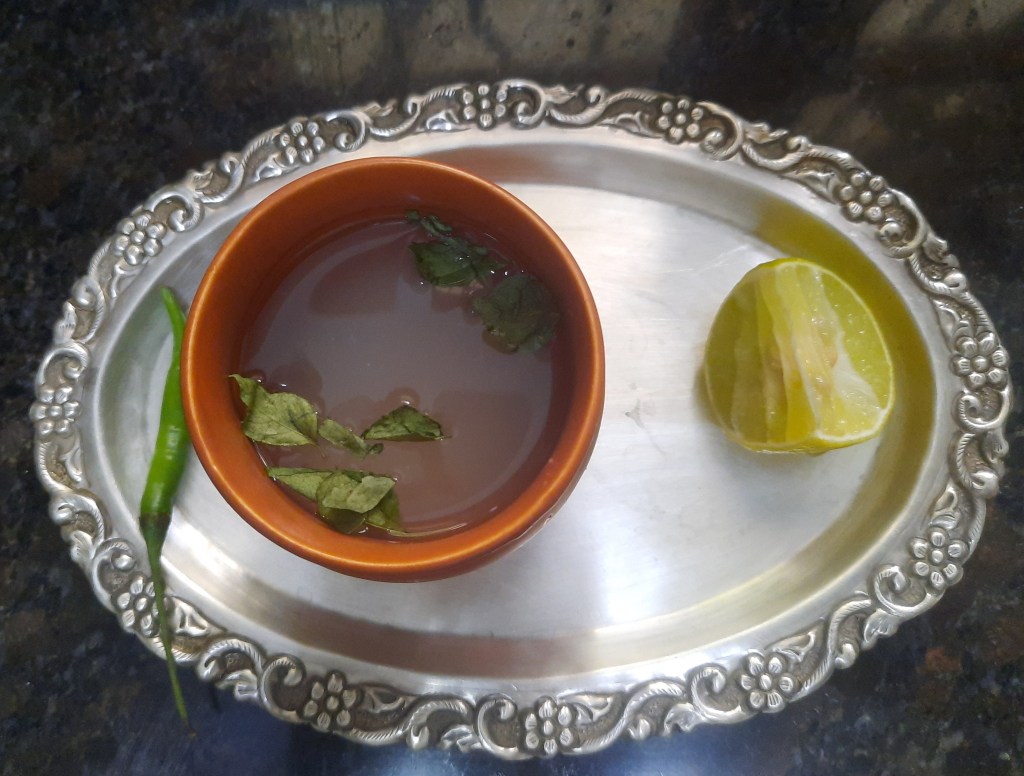
Soaking cooked rice overnight leads to mild fermentation and promotes the growth of healthy bacteria. It lowers the glycemic index and increases mineral content. A paper in a respected scientific journal avers: ‘Soaked rice is rich in B6, B12 vitamins and is a source of beneficial bacteria which helps in digestion and boosts immunity. The given samples of normal cooked rice and overnight soaked cooked rice are tested for carbohydrate, crude protein, fat/oil and fiber content. The rice which was overnight soaked cooked rice was found to have more nutrient content than unsoaked cooked rice. There is an increase in energy, protein, fat, carbohydrate, fiber content and minerals. Eating fermented rice for breakfast was an old custom among the farmers. It has been proved that overnight soaked cooked rice acts as a healthy breakfast and would play an important role in the health of today’s young generation.’*
The benefits of soaked rice are now being recognized and celebrated. Odisha has taken this to heights by declaring a Day for this: Pakhala Dibasa was declared on 20 March 2011 and is marked every year by Odias everywhere. (Pakhala is Odia for soaked rice). It is appropriate that Odisha should take the lead in doing this, for the dish has a hoary history in this state. There is very early documentation of pakahla including a recipe of prasads at Lord Jagannath Temple of Puri dating back to the 10th century. There is also a mention in the Odia poems of Arjuna Das in his work Kåḷpålåtā composed during 1520-1530 CE.
And yes, in keeping with the tradition, this is another dish contested between Odisha and West Bengal!
Time to remind ourselves that health does not come from a box, nor all knowledge from the internet. Nutrition is right there in the humblest ingredients in our kitchens, and our grandmothers know a lot too!
So in honour of Pakhala Dibasa just gone by last week, and to mark Utkal Diwas (today, April 1), let us resolve to have a soaked rice breakfast at least once a week. This is especially good in the summer, as it has cooling properties.
Here is to happy, healthy breakfasts!
–Meena
*Neha Sharma M, Gayathri R, & Vishnu Priya V. (2018). Assessment of nutritional value of overnight soaked cooked rice over unsoaked cooked rice. International Journal of Research in Pharmaceutical Sciences, 9(3), 515–518. Retrieved from https://ijrps.com/home/article/view/4150
 Millennial Matriarchs