
We are well into the Olympics—complete with controversies, exhilarating triumphs and heart-breaking failures. And we will see more super-human achievements in the weeks to come.
Overseeing all the fun, festivities and sports are the Olympic mascots of Paris 2024, the Phryges. The phryges are little red hats. This is somewhat unusual, because the mascots are often, but not always, characters—often indigenous animals or birds, or human forms representing the cultural heritage of the host country. Generically, mascots are ‘a person or thing that is supposed to bring good luck, especially one linked to a particular organization or event; a person, animal, or object adopted by a group as a symbolic figure especially to bring them good luck’
Why is a red hat the mascot for the Paris Olympics? Well, the phryge holds a lot of significance for the French, and is a deep part of their cultural heritage. The phryge is a soft hat, generally red, which was first worn by freed slaves in Phrygia, an ancient Greek kingdom (in present-day Turkey). The storming of the Bastille prison in July 1789 marked the beginning of the French Revolution. Revolutionaries who were involved in the storming wore phryges. And slowly the hats came to symbolize the Revolution itself, and since then have since been known as a symbol of liberty and the revolution. Even today, protesters don them as they march. Marianne, the personification of France, is often shown wearing a Phrygian cap.
The Paris Olympics have two Phrygres: one for the summer Olympics, and one for the Paralympics. The Paralympics mascot which ‘has a visible disability also sends a strong message: to promote inclusion.’
Both the Phryges are blue, white and red — the colors of the French flag. They sport a gold “Paris 2024” logo on their chests. Their eyes are made out of a “cockade of France” –a knot of ribbons that is the French national ornament. Each Phryge has its own personality. The Olympic Phryge is ‘the smart one” with a “methodical mind and alluring charm.’ The Paralympic Phryge is ‘a party animal, spontaneous and a bit hot-headed.’
Olympic mascots have been around since 1968. They symbolize the Olympic spirit; spread the values highlighted at each edition of the Games; promote the history and culture of the host city; and give the event a festive atmosphere. They bring a personality to the Games, capturing the styles, traditions and cultures of the host country. The mascots are especially meant to connect with youth.
The very first Olympic Mascot was‘Shuss’, a little man on skis in the skiing position to which his name alludes. He wears a two-coloured head, resting on a zig-zag flash-shaped foot with the Olympic rings featuring on his head. He symbolized the winter Olympics that took place in Grenoble, also in France. Waldi was the first Summer Olympics mascot. This dachshund, a very popular animal in Bavaria known for its endurance, tenacity and agility, was the symbol of the Olympics held in Munich in 1972.
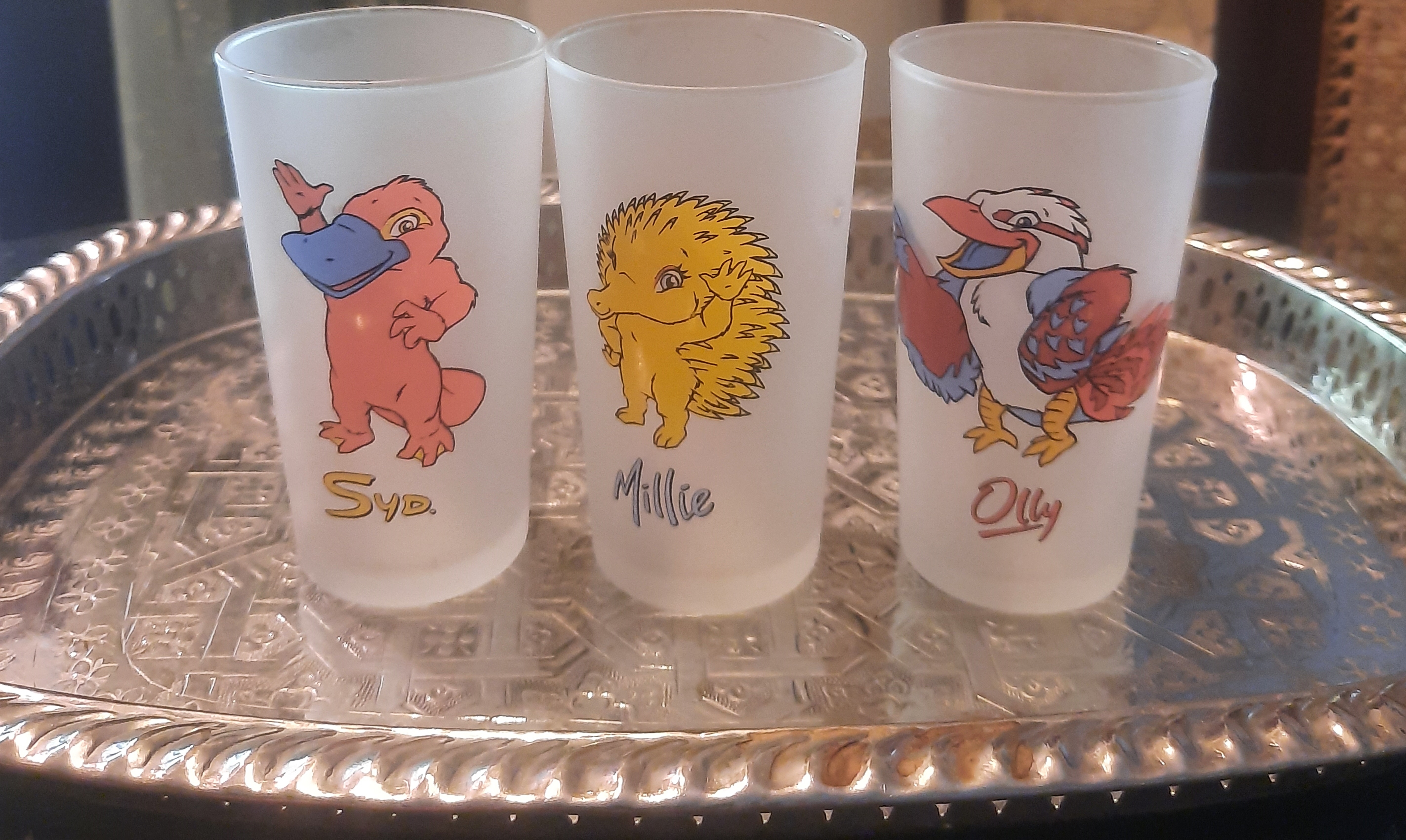
Since then, the Olympics have featured various animals, birds and objects. Unusual objects have included Schneemandl’ a snowman wearing a red Tyrolean hat (Innsbruck winter Olympics); Magique, a little imp in the shape of a star and a cube (Albertsville); Neve a snowball; Gliz an ice cube (Turin) etc. There are some mascots which are not an animal, nor a human figure, nor an object. One of the most unusual was Wenlock (London 2012) made from one of the last drops of steel used to build the Olympic Stadium in London. The light on his head was similar to those found on London’s famous black cabs. The shape of his forehead resembled the Olympic Stadium roof. His eye was the lens of a camera. He wore five bracelets in the colours of the Olympic rings.
India has not yet hosted the Olympics, but the 1982 Asian Games mascot Appu the Elephant, and the 2010 Commonwealth Games Shera the Tiger, were much beloved. The Phryges follow in this beloved tradition.
So here is to the spirit of the Phryges which aim to show that sport and its values can do great things, and that sports are about fraternity, solidarity and can help society grow.
–Meena
 Millennial Matriarchs