We the people of India have been waiting to be counted for over four years now. The decadal census of people, which is supposed to be the basis of policy-making has been delayed since 2021, breaking a tradition after seven fairly on-time exercises.
Well, our four-legged co-inhabitants are luckier. The 21st Livestock Census started last week, and will take places over almost five months, from October 2024 to February 2025. It will cost about Rs. 200 crore, and around 1 lakh field officials–mostly veterinarians or para-veterinarians–will be involved in the enumeration process. Though 95.8% of livestock population is in rural areas, the census will cover both rural and urban areas.
Livestock is defined as ‘domesticated animals raised in an agricultural environment to produce labour and commodities such as meat, eggs, milk, fur, leather and wool’. This particular census will collect data on15 species of livestock– Cattle, Buffalo, Mithun, Yak, Sheep, Goat, Pig, Camel, Horse, Ponies, Mule, Donkey, Dog, Rabbit and Elephant, capturing data on 219 indigenous breeds of 16 species. Apart from livestock,the headcount of poultry birds — Fowl, Duck, Turkey, Geese, Quail, Gini Fowl, Ostrich and Emu — will also be taken. The age, sex and use of each individual animal will be documented.
The census will involve officials going from door-to-door to collect detailed data on domesticated animals and birds across the nation—including not just households (about 30 crore), but also household enterprises, non-households (private sector, cooperative sector, etc.) and institutions. Information about the animals will be collected, as also information on instruments and machinery used for animal husbandry. This census will leverage mobile technology for data collection and transmission and hopefully, this will enhance the accuracy and efficiency of data collection.
The Livestock Census has a hoary history in India, with the first one being conducted in 1919-1920. It is conducted every five years with the 20th Livestock Census taking place between October 1, 2018 and September 20, 2019. It put the total Livestock population at 536.76 million, showing an increase of 4.8% over Livestock Census-2012. Total Bovine population (Cattle, Buffalo, Mithun, and Yak) was 302.79 million in 2019 which shows an increase of 1.0 per cent over the previous census.
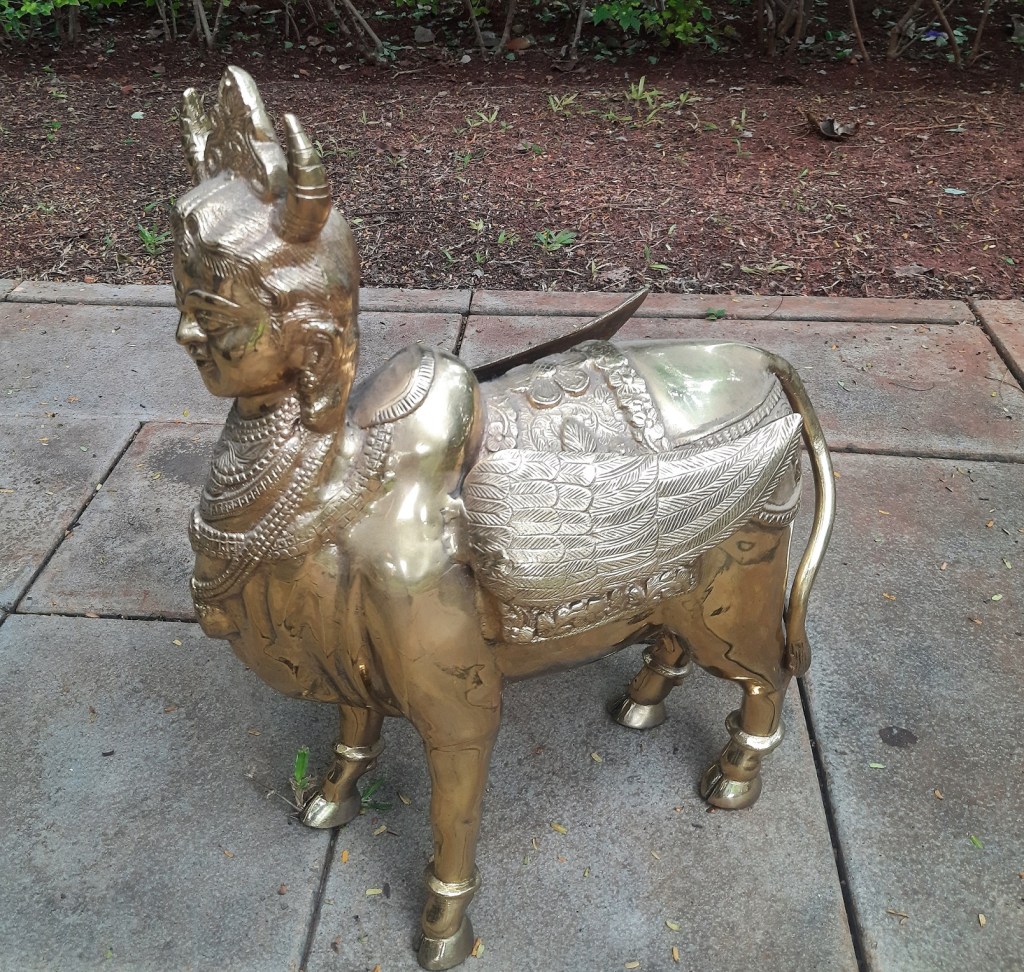
The livestock sector is critical in our country given that it provides livelihoods to over 2.1 crore people. It contributes about 6 per cent to the total GDP, and 25 per cent to the Agricultural GDP. The share of livestock in agricultural sector GDP growth has been increasing faster than the crop sector. This is fuelled by rising incomes, a rising population and increased urbanization, which are all propelling demand for livestock products, and hence the rising importance of this sector. As per the 20th Livestock census, the total livestock population shows an increase of 4.6 per cent over the Livestock census 2012. India has the largest population of cattle of any country in the world, with about 33 per cent of the total number.
Worldwide, livestock make up almost 10 per cent of vertebrate biomass—more than human beings, wild birds and wild animals put together! While today cattle make up the largest livestock group worldwide, it was sheep which were among the first animals to be domesticated—probably as early as 10,000 bce.
While there is enormous potential for livestock to contribute to livelihoods of the poor especially women, there are many challenges in India—from disease, to lack of access to veterinary care, vaccination, insurance, fodder and clean water, to diminishing grazing lands, to challenges in increasing productivity, to lack of organized markets which leads to the exploitation of the sellers, to tackling the contribution of this sector to climate change.
The Livestock census aims to provide data to frame policies and programmes which will hopefully improve the situation.
But as they count cows, maybe they need to count humans too. We too could do with better policies and programmes in many, many areas of life!
–Meena
 Millennial Matriarchs