
Did you know that Q is a word? No, not QUEUE, but just plain Q. It is the Taiwanese name for a range of textures best translated, imperfectly, as “bouncy.” It is the degree of chewiness of a given food and how it feels against the teeth and tongue.
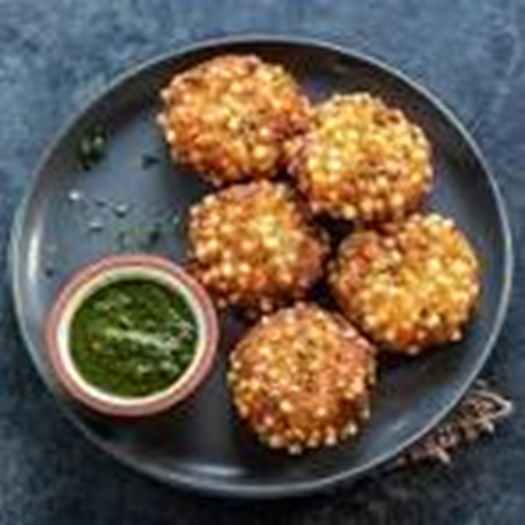
If you’ve ever bitten into something that resisted you just a little—neither soft nor hard, but springy, elastic, and alive—you’ve probably encountered Q without knowing its name. Think sabudana, tapioca pearls in bubble tea, or handmade noodles that snap faintly between your teeth. That sensation—the cheerful recoil, the gentle resistance—is Q.
What makes Q fascinating is that it describes not one texture, but a spectrum. There is nen-Q, soft and tender; cui-Q, crispy-bouncy; tan-Q, chewy-springy. Noodles are Q: resilient but not rubbery, lively but not tough. (In the case of pastas, I suppose ‘al dente’ is the equivalent,) Even sweets and desserts aspire to it—marshmallows, herbal jellies or sweet potato balls.
In Taiwanese food culture, to say something is Q is high praise. Q is considered one of the keys to good food in Taiwan, on par with taste, color, and consistency. It’s not about indulgence alone; it’s about skill. Achieving Q often requires precise technique: the right ratio of starch to water, the correct kneading time, the ideal temperature.
What’s intriguing is how Q resists quick translation. “Chewy” is too blunt. “Springy” is closer, but incomplete. “Bouncy” catches the spirit but misses the nuance. Q is pleasant resistance, playful elasticity, a sassy texture. It invites you back for another bite. It’s the opposite of mushy or limp.
Q became a recognised food term in Taiwan in the late 20th century — roughly the 1980s to early 1990s,when it moved from slang into mainstream food language. Interestingly, the letter Q itself is not traditional Chinese. It entered Taiwanese usage as a borrowed symbol from English, chosen because:
- the sound (“kyu”) suggested elasticity
- the shape felt visually “springy”
- and there was no single Chinese word that captured the idea precisely
At first, it was slang but now it’s formal enough to appear in Taiwanese dictionaries, culinary writing, product labels and restaurant menus
In Taiwan, the term has gone beyond the kitchen and found its way into everyday speech, where it can describe hair, skin, or even the bounce in someone’s step.
In a world increasingly obsessed with flavour profiles—smoky, umami, citrusy—we sometimes forget texture altogether. Yet Q reminds us that eating is as much about feel as it is about taste.
Maybe every culture has its own version of Q, a word for the textures it prizes most. Italians chase al dente, the Japanese revere mochi-mochi and kori-kori. But Taiwan’s Q feels particularly evocative—a single letter carrying a thousand sensations.
So the next time you sip a bubble tea and play absently with the pearls at the bottom, or tear into a dumpling that seems to smile back at your teeth, remember this small, clever word. Q is not just what you’re chewing. It’s what you’re feeling—a quiet, elastic joy.
And here is a tour of Indian Q foods that I can think of: sabudana, fresh idli, rasgulla, modak, noodles, dhokla, sevai, and appam.
Any others?
–Meena
 Millennial Matriarchs