
Have you ever shaken your head at someone’s actions and muttered, “How could they be so stupid?” Economist Carlo M. Cipolla, a professor at UC Berkeley, took that exasperation and turned it into a razor-sharp essay in 1976, later published as The Basic Laws of Human Stupidity. What began as tongue-in-cheek satire has, over the years, gained the weight of wisdom. His framework is quoted in boardrooms, military strategy papers, and even risk-management seminars. It is, at once, funny and sobering.
So, what are these Five Laws?
- Inevitability – Always and inevitably everyone underestimates the number of stupid individuals in circulation.
No matter how cynical you think you are, Cipolla assures us the world contains more stupidity than you can fathom. It’s a reminder not to be caught off guard when irrationality rears its head. - Ubiquity – The probability that a certain person is stupid is independent of any other characteristic of that person.
Education, wealth, power or even high degree of capability in one dimension offer no immunity. History is replete with examples of brilliant scientists, decorated generals, and wealthy tycoons making catastrophic blunders. Stupidity is democratic—it spares no class or group. - Damage Principle – A stupid person is a person who causes losses to another person or to a group of persons while himself deriving no gain and even possibly incurring losses.
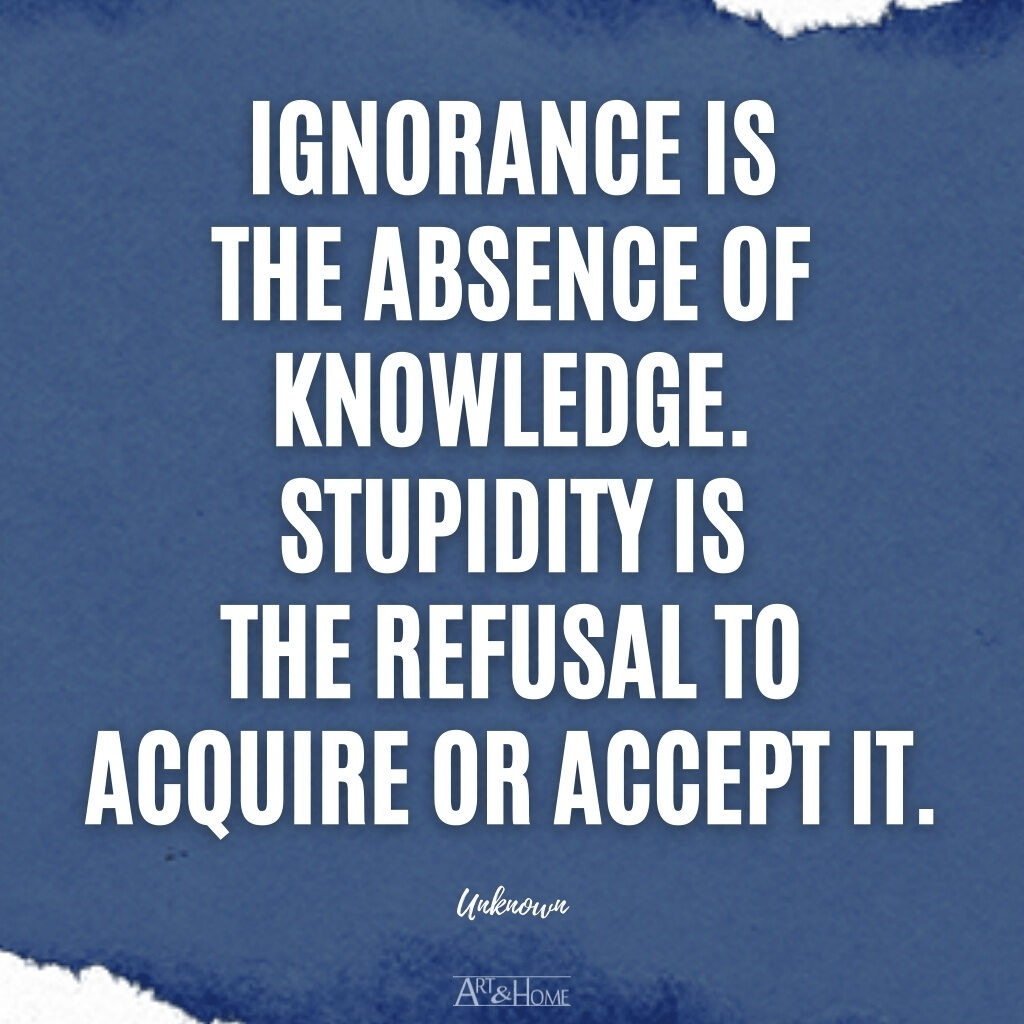
This is Cipolla’s key insight: stupidity is not mere ignorance, it is destructive irrationality. Unlike the clever or the criminal, who may at least benefit themselves, the stupid spread harm without return. - The Underestimation Trap – Non-stupid people always underestimate the damaging power of stupid individuals.
We often brush off foolishness as harmless. But Cipolla insists it is a potent force that can derail institutions, movements, or nations. Underestimating stupidity is, itself, stupid. - The Supreme Law – A stupid person is the most dangerous type of person.
Why? Because unlike the bandit (who robs you but at least gains something), the stupid person leaves everyone worse off, including themselves. They are unpredictable, immune to logic, and capable of pulling entire systems into collapse.
From Satire to Serious Lens
Cipolla originally wrote the essay as a whimsical interlude in his career as an economic historian. Yet, his classification gained traction because it resonated with lived experience. Management theorists mapped his “laws” onto organizational behavior. Military strategists saw in it an explanation for the chaos of battle. Behavioral economists quietly nodded, recognizing parallels with cognitive biases and irrational decision-making.
Interestingly, Cipolla illustrated his framework with a simple 2×2 graph, plotting human behavior along axes of personal benefit and social impact. The quadrants neatly categorized people as helpless (hurt themselves but help others), bandits (help themselves, hurt others), intelligent (help both), and stupid (hurt both). That little diagram has since found its way into PowerPoint slides across the world.
Echoes Through History
History, as Cipolla loved to remind, is propelled not only by heroes and villains but also by the stubborn weight of stupidity. The fall of empires, disastrous wars, or economic collapses often show a pattern: decisions made against all logic, driven by pride, short-sightedness, or blind conviction. From letting in the Trojan Horse to the Maginot Line, human folly has had a starring role.
Practical Uses Today
At first glance, Cipolla’s laws feel like cocktail-party philosophy. But they’ve been pressed into real-world use:
- Risk Management: Financial firms use “Cipolla’s Matrix” to flag policies or behaviors that could destroy value for no clear reason.
- Leadership Training: By distinguishing between stupidity and malice, leaders are taught to manage teams with sharper judgment.
- Public Policy: Some commentators even apply the laws when analyzing bureaucratic inertia, or social media misinformation.
A Mirror, Not a Weapon
It’s tempting to wield Cipolla’s laws as a judgmental hammer—branding others as “stupid.” But the real power of his essay lies in self-reflection. How often have we acted against our own interest, or underestimated the ripple effects of our actions? If stupidity is so pervasive, perhaps humility is the antidote.
Another thinker came out with the The Bonhoeffer Law of Stupidity describes stupidity not as a lack of intelligence but as a moral failing where individuals surrender their inner independence to power structures, groupthink, and simplistic slogans, becoming “mindless tools” incapable of critical thinking or moral judgment. It is a sociological problem, amplified by rising political power and fostering conditions where people become susceptible to propaganda and blind obedience. Bonhoeffer argued that stupidity is more dangerous than malice because it is immune to reason and force, making it a more insidious threat, especially within groups. which describes stupidity not as lack of intelligences, but as a moral failing where individuals surrender their inner independence to power structures, groupthink and simplistic slogans, becoming incapable of critical thinking or moral judgement. It is a sociological problem, amplified by rising political power and fostering conditions where people become susceptible to propaganda and blind obedience. Bonhoeffer argued that stupidity is more dangerous than malice because it is immune to reason and force, making it a more insidious threat, especially within groups.
On the occasion of Dusshera, let us pray to Goddess Saraswathi for to rid the world of stupidity!
–Meena
Happy Dusshera!
 Millennial Matriarchs