
Just as the January festivities that heralded the New Year have waned, the early days of February have their own set of celebrations. From Galantines Day and Valentines Day, to Basant Panchami, to the Chinese New Year, this is a week that celebrates new beginnings.
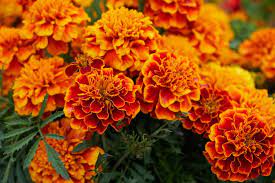
Meena has written about the history of the first two days. The third day, Basant Panchami falls on the fifth day of the Hindu month of Magha. This year this happens to be on 14 February. This auspicious day, marks the first day of spring in the Indian seasonal almanac. This is also the day to pay homage to Saraswati, the goddess of learning, music, arts and wisdom. Homes are decorated with marigold flowers and rice flour rangoli, special food is cooked and distributed to family and neighbours after the traditional puja to invoke year-long blessings of the Goddess for knowledge and progress. Yellow is the colour that marks this celebration of spring—from wearing yellow clothes to the myriads of marigold ornamentations.
Celebrations of another spring festival in another part of the world also commenced this week with joy and fervor. This is the Chinese New Year, which like Basant Panchami, is determined by the lunar calendar. These celebrations, which last for 16 days, commenced on 10 February this year. The Chinese Spring Festival was originally a ceremonial day to pray to gods for a good planting and harvest season. As in all agrarian societies, the entire year was dependent on a good harvest. People also prayed to their ancestors, for their blessings. Even today, Chinese New Year heralds a time of renewal, prosperity, and festivity, not just in China, but for Chinese communities across the world. Celebrations symbolize fresh beginnings and a renewal of familial ties, and it is customary for family members from far and wide to travel to meet up for reunions and gatherings.
The Chinese zodiac follows a twelve-year cycle with each year assigned to an animal. The twelve animals are arranged in this order: Rat, Ox, Tiger, Rabbit, Dragon, Snake, Horse, Goat, Monkey, Rooster, Dog, and Pig. 2024 is the Year of the Dragon according to this zodiac. The dragon holds significant cultural importance in Chinese folklore. The Chinese people deeply cherish the dragon which is believed to represent strength, wisdom and good fortune. The dragon, this year’s Chinese zodiac sign represents power, magic, and the pursuit of one’s desires. Each animal in the zodiac is thought to influence the personality traits and fate of those born that year. Individuals born in the Year of the Dragon are thought to be blessed with good luck.
As in all traditional societies, there are a number of customs that mark the special days. Unlike most festivals which are preceded by a special round of ‘spring cleaning’, in the run-up to Chinese New Year’s day, traditionally bathing was not allowed on this day, as also sweeping throwing of garbage, a few days prior to this day. This is to make sure that all the good luck is not swept or washed away! On the other hand there is a designated day before the New Year which is dedicated to cleaning so as to sweep the bad luck away and make room for the good. A delicate balance indeed! There are a few other taboos during the New Year period, once again to guard against any ‘seeping changes’. No cutting of hair or nails, no use of sharp objects, no breaking no swearing, cursing or saying unlucky words like ‘death’ or ‘sickness’.
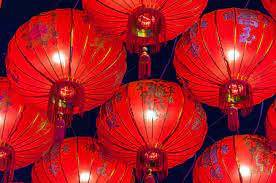
While Indian spring festival is marked by the exuberance and cheer of yellow, it is red that marks the heralding of a new year in China. Houses are decorated with red lanterns, strings of red chilli peppers (real or fake), and red decorations on walls and doors. Red clothes are also a part of the Spring Festival wardrobe. It is believed that the colour red will help to deter evil and demons. Children traditionally receive money in red packets or pockets are they are called. These symbolize the transfer of good fortune from elders to the youngsters. The practice has its origins in folklore.
As the legend goes an evil spirit named Sui would appear on New Year’s Eve and pat the heads of sleeping children three times. This would make the children sick. One couple was playing with their child at bedtime with some coins and left the coins on red paper near the child as it slept. That night when the sprit Sui came it was frightened away by the coins glinting on the red paper. Thus began the tradition of giving children coins in red covers on New Year’s Eve, to guard against evil spirits and for their good health and fortune through the year. The tradition continues to this day.
The other tradition which is closely linked to the celebrations is the bursting of crackers, just as Diwali celebrations are marked in India. This one too has a legend attached. Another mythical beast named Nian who preyed on people and livestock, used to visit villages on New Year’s Eve, forcing people to hide in fear in their houses or escape to the mountains. There are two versions of the story. In one, a young boy burst crackers and scared away the monster. In another, a beggar took refuge in an old woman’s house and promised to save her from the monster. He pasted red papers on the doors and windows and burst crackers at midnight, both of which frightened away the monster. Thus bursting of firecrackers at midnight on New Year’s Eve and again on New Year’s morning has continued to be a tradition associated with this festival.
Ironically, due to safety reasons and air pollution concerns, the Chinese government has banned firecrackers in many cities in China. However there has been a lot of public pressure to allow people to celebrate an ages-old tradition of welcoming the New Year with the sound and light of firecrackers.
On another note, the Chinese government is hoping that the declining fertility rate and falling population numbers which has reached worrisome levels will get a boost with a flood of new babies born in the Year of the Dragon. According to the traits associated with the Chinese zodiac children born in this year will be imbued with strength, intelligence, confidence, and success. Thus it is hoped that parents will hope to conceive and deliver dragon babies in this year!
Whatever the mode of celebration, spring marks new beginnings, hope and freshness. Celebrating red and yellow every day of the year.
–Mamata
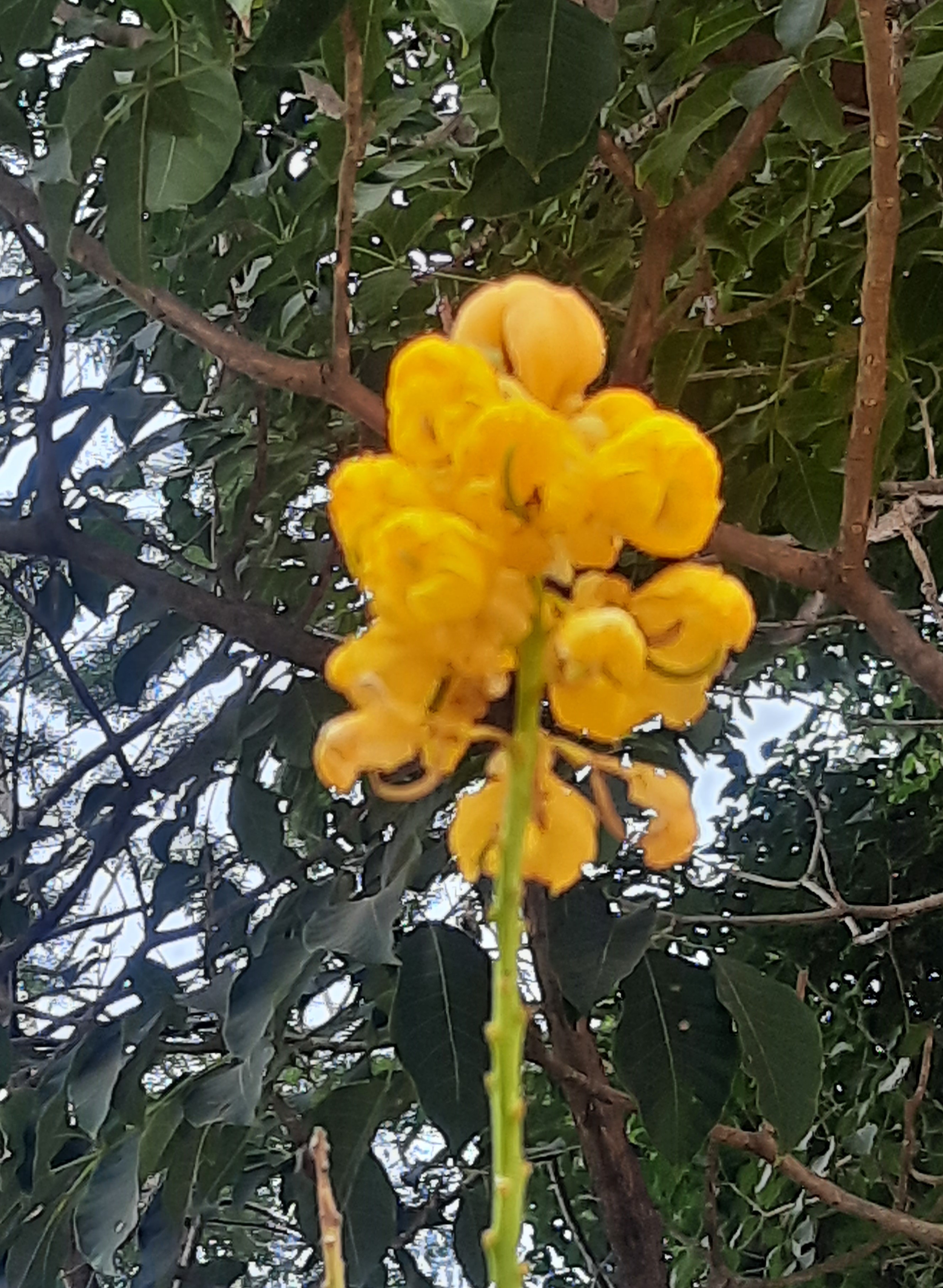
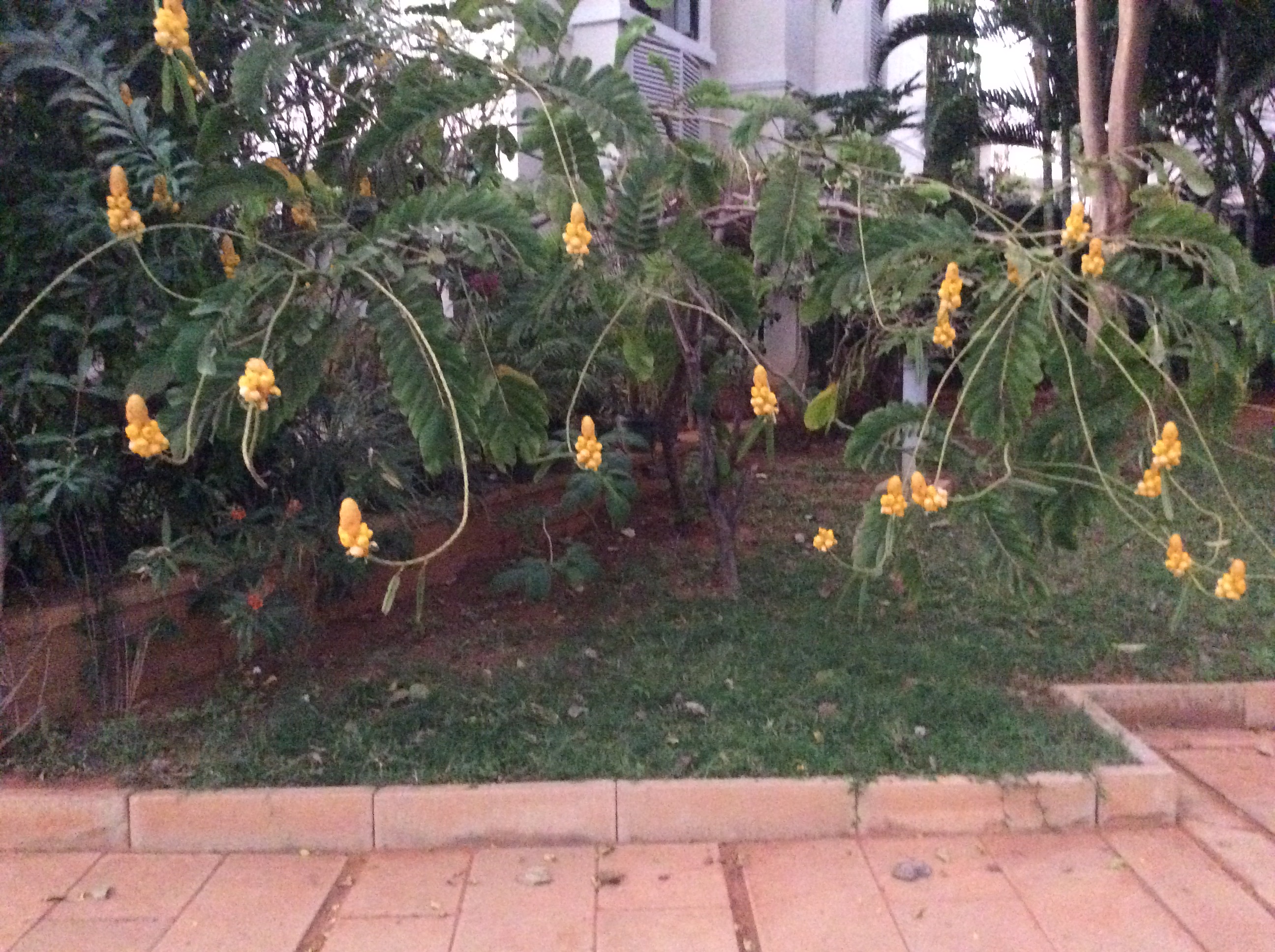 Basant Panchami went by last week. The mustard fields of Punjab must have been a riot of yellow, but my own little shrub was beautiful too!
 Millennial Matriarchs