Focus on Citizen Science

April is marked as Citizen Science Month—not in India, but in the US. But it can only be to the good to take best practices from anywhere at all, and adapt them for our use, right? And an acceleration of the citizen science movement is something that is definitely a crying need in our country!

What is citizen science? The term probably appeared first in 1989, in an issue of the MIT Technology Review 1989, but till today, there is apparently no consensus on a single definition–one paper cites 34! But a working definition we could go by is the one given by the National Geographic Society: ‘Citizen science is the practice of public participation and collaboration in scientific research to increase scientific knowledge.’ The benefits of such initiatives are manifold: large public participation in scientific pursuits; raising scientific awareness and knowledge; democratization of science; ability to pull in indigenous and community knowledge, etc. In fact, without wide-spread involvement of a large number of people, many projects would be very difficult to do—nationwide bird counts, butterfly counts, monitoring water quality across large areas, weather monitoring, space watch, etc. 

India has its share of action on this front. The Indian Biodiversity Portal launched in 2008 is a prime example. It ‘aims to aggregate data through public participation and provide open and free access to biodiversity information’ and invites the public to participate in gathering and documenting such knowledge. It currently has 1.54 million observations on 58.3 thousand species. It is an invaluable resource, which would have been difficult to put together without the participation from people across the country.

Another interesting initiative is by the CitSci (Citizen Science for Biodiversity) India–they organize an annual Citizen Science of Biodiversity Conference. Their site also shares useful information on on-going biodiversity and conservation related citizen science projects undertaken by a host of NGOs, like the Citizen Sparrow initiative, which is ‘a public participatory project to which all members of the public are invited to contribute. ‘

It is not just conservation. There are projects in various other scientific research areas as well. The Pune Knowledge Cluster develops research projects where citizens from all walks for life can participate to help analyse big data from various scientific streams including astronomy. Yet another organization in this area is the Centre for Citizen Science (a Pune based organization with the explicit objective of promoting citizen science) whose ‘Project Meghdoot’ aims to study the phenomenon for monsoon across the country.

River Quality Monitoring, CEE
River Quality Monitoring, CEE (Joy of Learning II)

Nor is this a recent phenomenon. I recall in the 1990s, when I was working at Centre for Environment Education (CEE), we had a project wherein school children, as part of the Ganga Pollution Awareness programme, were monitoring and reporting the water quality in the river in their stretch. Similarly, we had green-cover mapping and biodiversity census by college students in Karnataka, which was then correlated to remote sensing data.

The initiatives for spreading scientific knowledge, a necessary precursor of citizen science, have a hoary history in India, and several institutions have been committed to doing this for decades now. Two of the oldest are VASCSC and KSSP. Dr. Vikram Sarabhai, in the ‘60s, created an institution, today called the Vikram A. Sarabhai Community Science Centre (VASCSC), one of whose objectives is to encourage scientific thinking. The Kerala Sastra Sahitya Parishad (KSSP) is a People’s Science Movement of Kerala, India, founded in 1962 has over 1200 units spread all over Kerala.

In fact, the recognition of the importance of science for national development is enshrined in the Constitution as a Fundamental Duty of every citizen! This section explicitly states that ‘It shall be the duty of every citizen of India.. to develop the scientific temper, humanism and the spirit of inquiry and reform.’

From here to citizen science should not be too long a distance to traverse. But it questionable if we have even achieved the scientific temper, so earnestly endorsed by Pandit Nehru as ‘the scientific approach, the adventurous and yet critical temper of science, the search for truth and new knowledge, the refusal to accept anything without testing and trial, the capacity to change previous conclusions in the face of new evidence, the reliance on observed fact and not on pre-conceived theory, the hard discipline of the mind—all this is necessary, not merely for the application of science but for life itself and the solution of its many problems.’

Even with such strong foundations and a bunch of dedicated organizations, neither scientific temper nor citizen science is very widespread in India today. While there is much talk of the importance of STEM, it is yet a theoretical approach aimed at cracking exams, and not an effort to inculcate scientific thinking and the spirit of science as a part of how we live, think and take decisions.

Maybe we should pause to ponder on this now—because it is Citizen Science Month somewhere in the world!

–Meena

For anyone who wants to explore the subject more, ‘Citizen Science in India: Introduction, Challenges and Way Forward’, a paper by Suryesh Namdeo and Moumita Koley provides a contemporary overview of the subject.

Purnima Devi: Saviour of the Storks

Purnima was only five years old when she had to go and live with her grandmother. The little girl missed her parents and siblings, but her grandmother who had a small farm on the banks of the Brahmaputra river in Assam started taking her to the nearby paddy fields and water bodies, and showing her and telling her about the different birds that could be seen in large numbers. She also taught her traditional bird songs that described not only the beauty but the importance of birds in people’s lives and culture.

The seeds that were planted in those fields took deep roots. Purnima not only fell in love with birds, but would also go on to devote her professional life to studying and protecting birds. After her Master’s degree in Zoology, Purnima decided that she wanted to focus on a bird species that she had grown up seeing, but whose numbers seemed to be on the decline. This was the Greater adjutant storks—large majestic birds named for their stiff-legged, almost military gait. These carnivorous birds are “cleaners of the ecosystem” and play a significant role in the food chain in terms of nutrient cycling and ecosystem regulation,

Purnima started her doctoral research on Greater Adjutants in 2007. As she studied their nesting behaviour, Purnima realized that the birds needed tall trees where they could make their platform nests. But with rapid disappearance of natural forests and wetlands, these birds had to seek nesting trees wherever they could find them. The only remaining large trees were in the villages, close to the homes of villagers. But these birds were far from welcome there.

Hargila (which means ‘bone swallower’) as the storks are locally called are scavengers and bring bones and dead animals to their nests, these often drop to the ground. Along with the birds’ foul-smelling droppings, these birds are not the most pleasant of neighbours to have. Villagers even cut down huge old trees in their backyards to prevent these birds from nesting. The birds were also perceived as bad omens or disease carriers. With the declining natural tree cover, and the hostility of the villagers, the survival of Adjutant storks was in jeopardy.

In 2007, while she was still a researcher, Purnima was present when a large tree was cut down, bringing down the nest along with nine chicks. Her attempts to explain to the villagers about the ecological significance of such scavenger birds, were met with ridicule by the local people. One local resident even scoffed her saying that she should work in his house to clean up the storks’ stinking messes. Rather than being put off by this, Purnima chose to abandon her academic research and to focus instead on working with the local communities to change their perceptions towards this bird.

Purnima decided to start by reaching out to the women, who did not often have a voice, but who could potentially influence the entire family. Her first step was to gain access to the nests which were often in trees on family land. This was initially by getting close to the individual women who were the homemakers. Purnima then started to get the women together through common events such as cooking competitions. She began by appealing to their maternal instincts by stressing the importance of safe nesting sites for the birds, while also discussing their ecological importance. She told them that when our children are young they also make a mess at home, but we still love and protect them. More and more women started coming to these meetings, and joined in the efforts to protect nesting sites and rehabilitate chicks that had fallen from the nests. They organised ‘baby showers’ to celebrate newly-hatched chicks; they revived the traditional songs, poems, festivals and plays that featured these birds.

Purnima realized that for sustained community engagement they needed to take ownership. She helped to provide the women with weaving looms and yarn so that they could create and sell textiles with motifs of the hargila. This initiative provided livelihood options, supported women to become entrepreneurs, and boosted their sense of pride and ownership, as well as raising the profile of the stork. Today the “Hargila Army” consists of over 10,000 women. The Hargila army members call their leader Purnima hargila baideu, or stork sister. The power of community conservation is evident. This has also led to the involvement of the local government departments to recognize, and in some ways support the community efforts.

Since Purnima Devi Burman started her conservation programme, the number of nests in the three villages of Kamrup district in Assam, where she first started her efforts have risen from 28 to more than 250, making this the largest breeding colony of Greater adjutant storks in the world. In 2017, Barman began building tall bamboo nesting platforms for the endangered birds to hatch their eggs. Her efforts were rewarded a couple of years later when the first Greater adjutant stork chicks were hatched on these experimental platforms.

Safeguarding single nests is not enough, the storks’ habitats also need to be restored. The Hargila Army has helped communities to plant tens of thousands of saplings near stork nesting trees and wetland areas in the hope they will support future stork populations.

The Greater adjutant stork is the second-rarest stork species in the world. It is also listed as ‘Endangered’ as per the IUCN Red List which notes that there are only about 1200 of these storks remaining in the world. The dramatic decline in their population has been partly driven by the destruction of their natural habitats, especially wetlands, and the ruthless destruction of their nesting trees. Assam in India is home to the largest population (around 1000) of these birds. This is in no small measure due to the efforts of Purnima Devi Burman and her Hargila Army. 

Purnima Devi’s efforts have also received wider recognition. She has received several awards. She was the recipient of the 2022 UNEP Award for Champion of the Earth for Entrepreneurial Vision. The annual awards are the highest environmental honour that the UNEP confers on individuals and organisations whose actions have a “transformative impact” on the environment.

Purnima Devi was recognized for “pioneering conservation work that empowered thousands of women, creating entrepreneurs and improving livelihoods while bringing the Greater adjutant stork back from the brink of extinction. Her work has shown that conflict between humans and wildlife can be resolved to the benefit of all. By highlighting the damaging impact that the loss of wetlands has had on the species who feed and breed on them, she reminds us of the importance of protecting and restoring ecosystems.”

As we mark Earth Day on 22 April, this is a good time to celebrate such Champions of the Earth who have made it their life’s mission to Protect and Conserve.

–Mamata

Not quite the Big Top, But a Circus Nevertheless

Growing up, the circus was definitely a major event in our lives. Every two or three years, a circus would come to town, and we would be taken to see it. Mothers used this as major leverage as in: ‘study for your tests and get a good score, otherwise no circus’; ‘you keep staying out beyond 6.30, and no circus for you’, etc.

After a gap of about four and a half decades, last week I went to the circus again.

So much had changed. And so much was the same.

What had changed? Well to begin with, the circus was no longer in a tent. That itself was a shock, because down the centuries, at least starting 1825, when Joshuah Purdy first used a large tent for his circus, the circus has been synonymous with the ‘big top’, which symbolized the big round tent in which circuses were staged. The circus I went to was staged in a closed auditorium!

The setting itself obviously gave rise to changes in the acts and the format. There was no longer space for simultaneous acts which added to the melee and the excitement—remember the elephants in the inner ring, as acrobats rode unicycles in the next ring, and clowns ran around hitting each other in the outermost one?

And which really struck awe in us, like the trapeze or the intrepid motorcyclists in the dome of death were not possible in the confined space.

There were two welcome changes.  There were no animal acts. While the central government released a notification in 1998 barring bears, monkeys, tigers, panthers, and lions from being exhibited or trained as performing animals, there were some exceptions made. A more total ban started being imposed in 2013. We also used to see child acrobats in those days, which again was banned around the same time.

Another major difference was the quality of the costumes. Gone the tawdry and shabby clothes. Today the clothes were slick and tastefully designed.

But the core had not changed! The excitement of the children which is the spirit and soul of the circus was intact. They were totally absorbed in whatever went on in the stage, oohing and ahhing at the stunts and tricks. They were glamour-struck with the performers and vying with each other to reach out and touch them. They were laughing at and with the clowns. They were dancing in the aisles with the music. The bottom line is that children don’t change!
And the size of the audience was heartening too. The circus was running in town for 15 days, with three shows per day. The show we went to easily had an audience of about 500. The circus obviously is able to compete quite effectively with more modern means of entertainment.

It gave hope that the circus is alive and well. After all, the circus has pretty old roots in India. Giuseppe Chiarini brought the Royal Italian Circus to India and put up shows for the first time in Bombay in 1879. It is said that the Rajah of Kurduwadi along with his riding master Vishnupant Chatre had gone to see the circus. Chiarini in a conversation told the Rajah that no Indian would be able to put up a circus comparable to his even in a year’s time. Chatre, who did a lot tricks with horses, took up the challenge and succeeded, and the Great Indian Circus was born. Chatre did equestrian performances while his wife was a trapeze artist at the circus. Chatre toured around India with the circus. On these travels, he reached Thalassery (Tellicherry) in Kerala with the circus, where he met Keeleri Kunhikannan a martial arts and gymnastics teacher. Chatre knew that the trend elsewhere in the world was the increasing mix of gymnastic and acrobatic acts in the circus. So he asked Kunhikannan to train acrobats for his circus, which the master began to do in 1888. At the turn of the centry, Kunhikannan opened a full-scale circus school in Chirakkara, a village near Kollam, which gave rise to several great circus performers and entrepreneurs.

And so the show goes on! In fact, a new circus school opened in Pondicherry as recently as 2012. This is run by Kalou Achaia who has trained as a circus artist around the world. The school attracts a large number of students.

A good thought on World Circus Day marked on the third Saturday of every April, to celebrate circus creators, performers, and artists.

–Meena

PS: Thank you Rambo Circus, for giving the childern a taste of the circus!

There’s a Word For It!

I recently read a book by Jhumpa Lahiri. She is perhaps best known for her novel The Namesake which was also made into a film. This book, titled In Other Words, is very different in that it is not fiction but rather an autobiographical work that describes the author’s determination, and process, of not just learning a new language—Italian–but writing a book directly in this acquired language. The English version is a translation (not by her) of the original in Italian.

One of the key observations and learnings from this process is the realization that every language has so many nuances that are closely linked with the culture and history of its land, that on many occasions it is almost impossible to find a satisfactory equivalent, let alone a appropriate ‘translation’ of the word. She describes her experiences of actually conversing with local people, even after having academically ‘mastered’ Italian, and the nervous jitters it caused her. It would be interesting to know if the Italians have a specific word for this feeling. Well, the Japanese do! Yoko meshi is a Japanese word that describes just this feeling! 

As someone who does some basic translation I too often find that Indian languages have such a gamut of words that so aptly describe such nuances. In the English language these are often simply clubbed into a single word; a word that is unable to capture the spontaneous response or image that the word evokes in the original language.

This is true of all languages and cultures. It is great fun and invigorating to come across such words. Here is a sample from my collection!

Honnomushi is the Japanese word for ‘bookworm’ and its literal translation is found in English as well as other languages. But what about the bookworms who accumulate books with all good intentions of reading them some day? Well the Japanese have a word for that too–Tsundoku.

Tsundoku. The word literally means ‘reading pile’. It derives from a combination of tsunde-oku (to let things pile up) and dokusho (to read books). It generally refers to the tendency to buy books and let them pile up around the house unread. It can also refer to the stacks themselves. The word carries no pejorative sense in Japanese. Rather it connotes a cheerful whimsy: wobbly towers of unread books, each containing an unknown world. I am happy that now my stash of books “saved for a rainy day” has a respectable name!

Aspaldiko. Besides the joy and comfort of books, it is friends that make life worth living. While there are some that we meet regularly, there are some who one cannot meet as often. Meeting an old friend after a long time has a special excitement and delight. Well the Basque people have a word exactly for that feeling. Aspaldiko. It refers to the joy of catching up with someone you haven’t seen in a long time. A perfect word to the next time one reconnects with an old friend!

Tartle. There is the aspaldiko of meeting up with that special friend. But another way of meeting up is the organized ‘class reunion’. Meeting with literally ‘old’ faces, decades after one last saw each other, has its moments of embarrassment. The face is sort of familiar but the name that matches the face eludes, at the precise moment when you meet face-to-face. More red faces when you don’t know how to introduce the same to your spouse or children. Well the Scots have just the word for this—Tartle! This sums up the embarrassment and panic you feel when you forget someone’s name before introducing them. The word even comes handy to excuse your apparent rudeness. All you need to say is “Sorry for my tartle!”

Shemomedjamo. Reunions are also an occasion to eat, drink and be merry. As the feasting continues, you know when you’re really full, but your meal is just so delicious, you can’t stop eating it. The Georgians have a word for this mixture of gluttony and gastronomic distress. Shemomedjamo. This word means, “I accidentally ate the whole thing.”

Pelinti. In the process of getting to the stage of Shemomedjamo, you reach out for that slice of freshly arrived pizza. The melted cheese is irresistible. You bite into the piece and that tanatalizing cheese immediately sticks to your palate causing sheer agony. You frantically move the piece in your mouth hoping for some relief. While this may render you temporarily speechless, in Ghana they have a word for just this moment. Pelinti! You can scream Pelinti as you move the hot food around in your mouth in a desperate attempt to cool it before swallowing.

Abbiocco. You have feasted to the point of overeating, and perhaps had occasion to scream “pelinti”. The belly is happy and the senses replete. Conversation slowly ebbs, and it’s time for the next scene in the play. Most of us know that this calls for a siesta! Well the Italians also have a perfect word for this–abbiocco, literally meaning to collapse with exhaustion, but more effectively used to denote the slothful feeling of the need to lie down after heavy eating and drinking.

Lagom. While many cultures celebrate the joys of indulgences and their languages have appropriate words to define these excesses, the Swedes are more restrained, with a more functional approach to living. And reflecting the same approach is a single word Lagom. The word describes a general contentment with the “enoughness” of what’s presented to you in the moment. Lagom means not too much and not too little. It asks us to create balance in our lives by taking everything in moderation, avoiding both excess and deprivation.

Well it’s each to their own formula of a good life! Provided that one can have brief moments of Gigil. This giggly-sounding word comes from the Tagalog language of the Philippines. Gigil as defined is more than joy, and not quite pure excitement, but somewhere in the middle of joy, excitement, and a giddy heart-warming feeling. It is such moments that keep us alive.

Have a good life!

–Mamata

Communications Research: Pioneering Work of Dr. Binod Agrawal in SITE

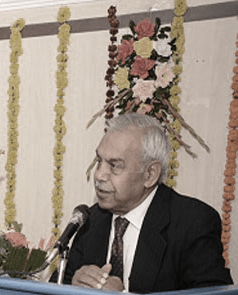
Last week, another of our gurus passed away. Dr. Binod C. Agrawal wore many hats in his life, and it is impossible in a short piece to do justice to his work . But we knew him as a kind and generous mentor, who never stinted in sharing his time, advice, wisdom and wit with the young rookie educators we were when we first met him.

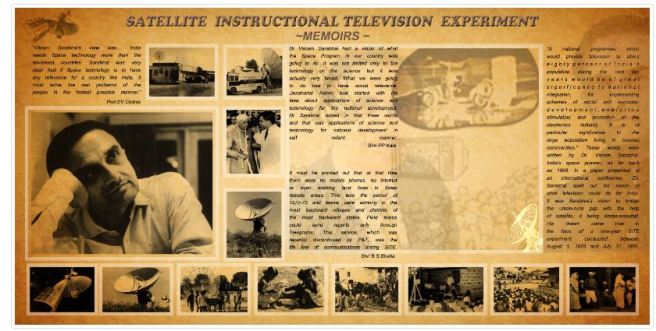
He was then at the Development Communications Education Unit of ISRO. In the communications sector, he was legendary. He had after all been part of the historic SITE (Satellite Instructional Television Experiment), termed by some as the greatest communication experiment in history. SITE was an experimental satellite communications project designed jointly by NASA and the Indian Space Research Organization (ISRO) which made available informational television programmes to rural India. It broadcast programmes to over 2500 villages across 6 states in India, in 1975-76. Dr. Vikram Sarabhai’s dream of India using technology to reach the most deprived was the basis of the experiment.

Everything about the project was unique—the vision, the audacity of the dream, the technological challenges, the operational challenges, and the challenge of making a difference to people’s life.

The last is where Dr. BA’s contribution came in. The contours of the programme were clear. It would broadcast (a) educational television (ETV) school children in the age group of 5-12 years and (b) instructional television (ITV) for adult audiences, primarily designed for neo-literates and illiterates. ETV programme was focussed to make education more interesting, creative, purposive and stimulating and also to create an awareness in the changing society. The ITV for adult viewers was to cover incidents of national importance, improved practices in agriculture, health, hygiene, family planning, nutrition, etc. and some recreation programmes.  

The purpose of the project was to provide information that was useful, relevant and actionable by the target audiences—the people in these most remote, deprived villages. But what did the people there need and want to know? This was the first question that Dr BA and others in the team had to grapple with. What were the information gaps? Without a proper understanding of that, the programme would not really be useful. Hitherto, such studies used to depend essentially on survey methods. Dr. BA, with his background in anthropology, for the first time deployed qualitative studies, to supplement and complement traditional methods. Through innovative research design and large field teams spending time in the target villages, SITE programming could answer the real questions and concerns that people had.

Dr. BA’s work did not stop there. At the instance of the Planning Commission, the impact of SITE was thoroughly evaluated—through a Bench-Mark Survey during July, 1975, a Concurrent Observation, and Repeat Survey in 1976. He was involved in these as well.

The evaluation validated the needs assessment done by the communications research team. 78% of the development programmes were rated as good and over 90% as relevant to the local situations. About three-fourth of the respondents felt that the development programmes were, on the whole, useful and conformed to the local conditions. Over one-fourth of the viewers could acquire detailed knowledge of the new practices shown on the television.

Dr. Agrawal’s contribution to communications research through his involvement with SITE and agriculture research before that, is summed up in a paper by his long-time associates Dr. Arbind Sinha and Dr. Sudhakar Rao: ‘..it is Binod C. Agrawal, trained in cultural anthropology, who devoted his time for conducting communication research using anthropological methods at the Indian Agriculture Research Institute, New Delhi during the early 1970s. A major boost to this field came with his engagement with the now iconic Satellite Instructional Television Experiment (SITE) of Indian Space Research Organization (ISRO) in the mid-1970s..that has brought anthropology in close relationship with development and communication, especially, in the rural context. It helped make communication an integral part of the discipline of anthropology.’

Dr. Binod Agrawal

Dr. BA was not one to sit in an office and design research protocols. How deeply he and his team were involved in the field during SITE can be gauged from a report by the Resident Representative of NASA in India, Dr. Howard Galloway: ‘Just checked with Dr. Binod Agrawal, Chief of the Research and Evaluation Cell (REC). He gave me the following information. All of his staff take evaluation very seriously. When their DRS has trouble, they get immediate help. Example: Recently Dr. Binod was in a village when the TV cut off. Within five minutes his staff had borrowed a motor bike and set off for the subcluster maintenance center (SCM). Returning shortly, he brought the needed part and put the set back into operation. Because it is so much effort for a service man to get to the village to replace a fuse as a circuit card, the REC staff has relieved his burden. They carry fuses and set right the TV sets at once. On his recent trip, Binod saw a villager from a nearby village come furiously pedalling to an REC village, His TV was out. The REC staffer, riding on the back of the bike, went to the sick set, replaced the fuse and restored peace in the village.

It was this commitment and passion shared by the SITE team which made the project an international landmark in space experiments. Talking to Dr. BA more than a decade after these experiences, we could still feel the excitement.

Dr. Agrawal was Founder Director of Mudra Institute of Communications Ahmedabad (MICA), which is one of the most respected communications institutions in the country. He was also Founder Vice Chancellor of Himgiri Zee University, and till recently Professor of Eminence and Director General TALEEM Research Foundation.

He taught so many of us so much.
May his soul rest in peace.

–Meena

To Shruti, his daughter who was a dear colleague.

And thanks to Dr. Arbind Sinha his colleague and another doyen in the world of development communications, for the chat which helped develop this article.

Say Sorry!

There is an old rhyme that begins with: For the want of a nail…and ends with (through the domino effect) …a kingdom was lost. In recent days, there has been a situation where: For the want of an apology….a Parliament was adjourned. This was caused by the obdurate demand for an apology by one side in confrontation, with the equally intransigent refusal to apologize by the other. 

Saying “sorry” is probably the simplest and oldest form of an apology. An apology is defined as a regretful acknowledgement of an offence or failure. In an age where increasingly the ‘self’ rules the stage, where a sense of entitlement dominates much of human engagement, and where aggression and intimidation are a part of day-to-day life, this kind of acknowledgement is sometimes perceived as a form of cowardice or a sign of a non-confrontational (passive) person. This avoidance or denial of acknowledgement of wrong may spark off immediate confrontations that may spiral out of control, or a festering of resentment that plants the seed of future ‘revenge’. This holds true for individuals, communities and even countries.

Karina Schumann, an Associate Professor of psychology at the University of Pittsburgh has been researching and writing about factors that help people successfully manage their conflicts and respond to challenging social interactions in pro-social ways. Her work focusses on apologies as a key factor in this area. It looks at different kinds of apologies from inter-personal one-on-one apologies, to institutional apologies, to public apologies, particularly by politicians.

In the case of interpersonal conflicts Dr Schumann’s research indicates that a common response that we have when we’ve done something wrong is, ‘this does not feel good to us, we want to push away blame from ourselves’. And we can do this in a variety of ways. We blame the other person, we blame the situation, we think about all the extenuating circumstances that affect our behaviour, or we minimize the consequences of our actions for that other person.

Often apologies take the approach that “Well if you are offended, I’m sorry.” This implies somewhere that while the offender is expressing remorse or sympathy for the fact that the recipient felt bad, he or she is not really taking responsibility or accountability for the offense. This is a way of justifying our actions while morally disengaging ourselves. This kind of apology, in some ways, tries to shift the blame onto the victim. The apologies on social media during the MeToo movement are examples of this kind of apology. One key factor for this attitude is the lack of empathy with the person one has offended.

A sincere apology does not make justifications for the behaviour the person is apologizing for, and does not blame the victim. The person offering the apology does not excuse their own behaviour. An acceptance of responsibility is core to an apology.

Public apologies happen on the public stage, often delivered in some sort of official way, like a government apologizing on an official stage for a historical injustice. Sometimes corporations might put out a statement of apology to their consumers or clients. Sometimes celebrities apologize, and politicians apologize for their own misdemeanours. These are sometimes issued through an official press conference or via Twitter or YouTube. These apologies are issued in a reactive way. Research indicates that people are generally sceptical about such apologies. It is assumed that they are being offered for strategic reasons as opposed to sincere reasons, or that the public figures were pressured into it, and they have ulterior motives. To come across as meaningful, the quality of public apologies must meet a higher bar than an interpersonal apology.

Whether personal or public, to be genuinely accepted an apology must communicate empathy and concern. It is not enough to say “I am sorry”. The messages that should come across are: “I care about you. I care about our relationship. I want to make this better”. They should send a signal: “We care about this. This matters. We are committed to doing better.”

An apology can be the first step in initiating the process of forgiveness.

A beautiful passage from one of my favourite authors Alexander McCall Smith tells us how:

Forgiveness is at the heart of the way we live our lives–or should be. So when we teach our children about the things they ought to know about the world—about how not to touch fire, about how to wash their hands, or put on their shoes—all these things, we should also remember to teach them about forgiveness. We must teach them that when another person wrongs us—hurts us perhaps—we should not strike back, but should be ready to forgive. We must teach them that if we do not forgive them, then we run the risk of being eaten up with hatred inside, and that hatred is like acid, that it will grow and gnaw away. That is why forgiveness must be taught at the beginning, when we are teaching them about these first things.

Today, more than ever before, the world is in desperate need of empathy and forgiveness. The seeds need to be sown early, and nurtured with compassion.

–Mamata

Hang it!

Did you know that if you pick up a clothes hanger anywhere in the world, there is a 12% chance that it was made in India? India is the third-largest exporter of hangers in the world, after China and Vietnam, sending out 11.1 thousand shipments a year, mainly to the US, Germany and Sweden.

There are of course several origin stories for the ubiquitous clothes hanger. The third US president Thomas Jefferson is supposed to have used some such device to keep his clothes in good order, but that story can’t be verified. Some versions take the invention back to 1869 and attribute it to one OA North, but some people believe it was invented by AJ Parkhouse in 1903. He arrived at work one morning to find all the coathooks taken. Irritated, he picked up a piece of wire lying there and bent it into the shape we all know today, and proceeded to hang up his coat.

Hangers are made from a variety of different materials–wire, wood, plastic, cardboard tubes, etc.  Now, in the quest for sustainability, the focus is shifting to use of recycled materials. Some hangers are padded with fabrics like satin and are used for delicate clothes. There are even luxury and custom-made hangers.

Fundamentally, a hanger is a device which mimics the shape of human shoulders, and is used to hang coats, shirts, dresses etc. so they don’t crush or wrinkle. A lower bar is used to hang pants or skirts. The other basic type of hanger has clamps to hold trousers or skirts.

Through the early 20th century, the popularity of the clothes-hanger grew—professionals like doctors and lawyers needed their clothes to look good, and hanging them up neatly was an easy way to always look dapper.

Hangers evolved to meet specific needs—there are foldable hangers for travel, scarf hangers, blanket hangers, tie hangers, etc.

Even more than domestic use is perhaps retail use, wherein the hanger has not only its functional use, but is also seen as an integral part of branding. The proper display of clothes depends a lot on the hanger used.

Mainetti is the world’s largest hanger manufacturer. The story of this giant began in Italy in the 1950s. A smart young man Romeo Mainetti worked for a racing car driver. The driver’s father was an industrialist involved in the textile industry, as the textile pioneer, the world-famous Marzotto corporation. The company had realized that there was an increasing demand for ready-made suits and started to make them. Each suit required a hanger. Originally, these were made of wood and were bulky and costly. Romeo’s brother Mario worked in a plastics factory, and together the two of them came out with the plastic hanger.

The quality of the product took the industry by storm and they soon had operations in the UK, France, Canada, and the Netherlands. Today the company has spread to 90 locations across 6 continents. India is a significant manufacturing hub.

Clothes hangers are used not just for hanging clothes, but have found innovative uses—they are popular welding rods, used for unclogging drains, for supporting plants, in children’s schools projects, etc. They are quite a favourite with car-thieves too! But hangers have a very dark side too– their use in illicit abortions.

Today, the major concern is from the angle of sustainability specially in terms of materials used. Hopefully we will find innovative ways to sustainably keep our clothes wrinkle-free.

–Meena

I am a Book: Read Me

Many of us (from an earlier “fairy tale” generation) grew up with stories of the Ugly Duckling, The Emperor’s New Clothes, The Princess and the Pea, Thumbelina and many more. These were originally written by the famous Danish writer Hans Christian Anderson. A prolific writer of plays, travelogues, novels, and poems, he is best remembered for his literary fairy tales which have been translated into more than 125 languages.

Hans Christian Anderson was born on 2 April 1805. Two hundred years later, with the new trends in children’s literature, the author and his genre of children’s literature may not be as well known, or widely read. However his lasting contribution to children’s literature is celebrated by marking his birthday as International Children’s Book Day, to inspire a love of reading and to call attention to children’s books.

Celebrated on April 2every year, this is a day that celebrates children literature in all of its forms and acknowledges the writers which create it. It is an event that is sponsored by the International Board on Books for Young People (IBBY), a non-profit agency that was created in 1952. The organization represents an international network of people from all over the world who are committed to bringing books and children together. In 1967, this body created International Children’s Book Day to promote the six key areas deemed important by them:

To promote international understanding through children’s books; to give children everywhere the opportunity to have access to books with high literary and artistic standards; to encourage the publication and distribution of quality children’s books, especially in developing countries; to provide support and training for those involved with children and children’s literature; to stimulate research and scholarly works in the field of children’s literature, and to protect and uphold the Rights of the Child according to the UN Convention on the Rights of the Child.

Each year a different National Section of IBBY has the opportunity to be the international sponsor of ICBD. It decides upon a theme and invites a prominent author from the host country to write a message to the children of the world and a well-known illustrator to design a poster that sends a message to all the children of the world.

This year IBBY Greece is the official sponsor of the International Day of Children’s Books. The chosen theme is ‘I am a book, read me’. The theme celebrates the power of children’s books in promoting values of equality, diversity and inclusion, as well as connecting people through tolerance and understanding. Greek author Vagelis Iliopoulos and illustrator Photini Stephanidi have collaborated to create a poem and poster that remind us of these messages.

I am a book, read me

 I am a book.

You are a book.

We are all books.

My soul is the story I tell.

Every book tells its own story.

We can look quite different –

some big, some small,

some colourful, some black and white,

some with a few pages, some with many.

We may say similar or completely different things,

but that’s our beauty.

It would be boring to be all the same.

Each of us is unique.

And each of us has the right to be respected,

to be read without prejudice,

to be given space in your library.

You may have opinions about me.

You may choose to question or comment on what you read.

You can put me back in the library

or hold me close and travel with me a long way.  

 But never let someone throw me away

or send me to another shelf.       

Never ask for my destruction, nor allow anyone else to do.

And if a book ever comes from another shelf,

because someone or something drove it away,

make room.

It fits next to you.

Try to feel as it feels.

Understand it. Protect it.

You may be in its place tomorrow.

 Because you are a book too.

We all are books.

Come on, say it loud so everyone can hear you.

“I am a book, read me.”   

When a child opens a book for the first time, magic happens. Children’s books are doorways to delight, information, engagement and entertainment. Books open numerous windows to the rich diversity and different perspectives in their own unique way. Stories allow them to see through different eyes, and create empathy. Books help them understand that no matter who we are, or what our experiences may be, we are not alone in the world. They expand the child’s universe beyond time and place. They inspire new ways to think and new ideas; they spark imagination. Books give children an opportunity to experience something in their imaginations before it happens to them in real life.

As author Rebecca Solnit beautifully puts it: In some books you meet one remarkable person; in others a whole group or even a culture. Some books are medicine, bitter but clarifying. Some books are puzzles, mazes, tangles, jungles. Some long books are journeys, and at the end you are not the same person you were at the beginning.

In a time when even very young children are exposed to, and subsequently get hooked on to the seductive allure of digital media, it is all the more urgent and critical to remind ourselves of the unmatched power of physical books and storytelling.  Walt Disney said, “There is more treasure in books than in all the pirate’s loot on Treasure Island”. This Sunday, whether we are a grandparent, parent, sibling, friend or neighbour, we can all start by sharing these treasures with a child.

–Mamata

Lumps and Bumps

Skin

I was just thinking about the amount of time we spend worrying about lumps and bumps on our skin and other surfaces, those seen and those unseen. Parents worry about rashes, boils, sties and other sundry outbreaks on their children’s skin. Teen years are spent worrying about acne, pimples, blackheads, whiteheads. Tumours, cysts and polyps occupy significant mindspace in old age. And through all our living years, moles and warts are a part of life.

What on earth are these things? Here is a quick overview.

Rashes are any area of irritated or swollen skin. They involve changes in colour, feeling or texture of the skin.  They are often itchy and painful and can appear red, purple, grey, or white.

Boils are painful, pus-filled bumps that form under the skin when bacteria infect and inflame hair follicles. They usually start out start as reddish or purplish, tender bumps. The bumps quickly fill up with pus, growing larger and more painful until they rupture and drain. If that sounds bad, a carbuncle is worse. Carbuncles are a cluster of boils that form a connected area of infection under the skin.

A stye is an  inflamed oil gland on the edge of the eyelid, where the eyelash meets the lid. It appears as a red, swollen bump that looks like a pimple, and is often tender to the touch.

And here are the ones which trouble us during adolescence.

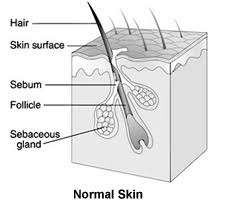
Acne is when hair follicles under the skin become clogged. Sebum—oil that helps keep skin from drying out—and dead skin cells plug the pores. Most often, the outbreaks occur on the face but can also appear on the back, chest, and shoulders. Acne is the generic name which includes pimples, zits, etc.  

To be specific, pimples are small pustules which develop when the oil glands become clogged and infected, leading to swollen, red lesions filled with pus.

Blackheads are also a type of acne, but different from pimples. They are open bumps on the skin that fill with excess oil and dead skin. They look as if dirt is in the bump, but it is irregular light reflection off the clogged follicle that causes the dark spots.

Whiteheads too are acne and occur when oil and dead skin close off hair follicles or oil glands. But they form closed bumps on the skin.  

Moving on from teen-woes, here are lumps and bumps we worry about as we grow older:

Tumours are solid masses of tissue that form when abnormal cells group together. Tumours can affect bones, skin, tissue, organs and glands. Many of them are not cancer but they still may need treatment. 

Polyps are tissue growths that most often look like small, flat bumps or tiny mushroom-like stalks. Most polyps are small and less than half an inch wide. A polyp can be flat, raised or on a stalk. Uterine and colon polyps are the most common, but it is also possible to develop polyps in the stomach, ear canal, nose, etc.

Another type of lump is a cyst which is a small pocket of tissue filled with air, fluid or other substances. Cyst maybe caused by genetics, inflammation, infection or other issues.

And the ones that are age-agnostic:

Warts are small, noncancerous growths which appear when the skin is infected with one of the many viruses of the human papillomavirus (HPV) family. The virus triggers extra cell growth, which makes the outer layer of skin thick and hard in that spot.

Moles are small dark brown spots and are caused by clusters of pigment-forming cells (melanocytes). Most people have 10 to 40 moles that appear during childhood and adolescence and may change in appearance or fade over time.

That was a yucky one! But yucky is part of life!

–Meena

Shinrin-yoku: Forest Bathing

International Day of Forests is marked on 21 March every year to highlight the importance and significance of forests and raise awareness about forest restoration. Much has been written about the ecosystem services that forests provide. They purify the water, clean the air, protect the soil, help sequester carbon to fight climate change, and provide food and medicines. Healthy forests are vital for all aspects of a healthy planet, from livelihoods and nutrition to biodiversity and the environment.

Every year the United Nations declares a theme for the International Day of Forests that addresses one of these many aspects of the important role of forests. The theme for 2023 is Forests and Health. This highlights the many connections between human health and forests—from providing food and other life-sustaining resources, including life-saving medicines. 

The contribution of forests on physical health have been well documented, but perhaps not as well-known are the therapeutic effects on mental health. This area has been the field of study of Dr Qing Li who has researched and documented what intuition and common sense have long believed: that being among trees is healthy; it can have positive effects on sleep, energy levels, immune function, and cardiovascular and metabolic health.

This research is well known in Japan and the idea has become popular under the name Shinrin-yoku or Forest bathing.  Forest Bathing is described as the art of plunging oneself in nature to revitalise and enliven the mind, body, energy and to trigger the therapeutic elements of nature.

Forest bathing or therapy originated in Japan in 1980s. Dr. Qing Li is considered to be the founder of this therapy. Dr Qing Li was born in a small village in China and grew up surrounded by nature. He came to Japan in 1988 to study advanced medicine where he was focusing on the effects of environmental chemicals, stress, and lifestyle on immune function and human health. During this period he spent a week camping on a thickly wooded island with his friends. This visit had a profound impact on him, not just personally, but also changing the direction of his professional life.

Experiencing the feeling of well-being amidst the trees, and since it is well-known that stress inhibits immune function, Dr Qing Li developed the hypothesis that immersion in the forest may have a beneficial effect on the immune system by reducing stress. He tested this hypothesis by conducting many experiments on patients with physical as well as mental health issues. He looked at the effects of walking in forests and of phytoncides (the scents that trees give off) on immune cells, stress hormones, blood pressure and heart rate. He compared the effects on mood and mental state (anxiety, depression, anger, fatigue, and confusion) of walking in forests versus walking on treeless city streets.

He focussed his research on what he calls ‘forest medicine’. As he describes this: Some people study medicine, some people study forests; I study forest medicine to find out all the ways in which walking in the forest can improve our well-being.

Forest medicine which encompasses the effects of forest environments on human health is recognized as a new interdisciplinary science, belonging to the categories of alternative medicine, environmental medicine, and preventive medicine.

The terms Shinrin-yoku (literally Forest (Shinrin) bathing (yoku) in English) were first defined in a paper he wrote in 2007.

In his research, Qing Li has found that forest bathing had a healing effect on the mind as well as the body. It reduced blood pressure, reduced stress, improved mood, increased ability to focus, even in children with ADHD, accelerated recovery from surgery or illness, increased energy level, improved sleep, boosted immune system functioning, with an increase in the count of the body’s Natural Killer (NK) cells.

As an outcome of Dr Qing Li’s research, the government of Japan established Shinrin-yoku as a formal practice. This was not only to encourage city-dwelling people to connect with nature. The idea was also part of a campaign to protect the forests: If people were encouraged to visit forests for their health, they would be more likely to want to protect and look after them. The Japanese government invested a lot of money in forest bathing with the goals of protecting the forests, promoting human health, and preventing lifestyle-related diseases.

So what exactly is Forest bathing? This is not exercise, or hiking, or jogging. It is simply being in nature, moving slowly, and connecting with it through all our senses: sight (colours), hearing (forest sounds), taste (fruits and herbs), smell (fragrances from different plants) and touch (feeling textures of leaves and barks). So Shinrin-yokuis the entire experience of immersion in the forest atmosphere, or taking in the forest through all our senses.

The idea behind Shinrin-yoku is very simple: it is the belief that if a person visits a natural area and explores it in a relaxed way, they can achieve physical and mental benefits that are healthy and restorative. It is a form of preventative health care that can be incorporated in nature settings anywhere. You don’t necessarily have to travel to a forest to experience the effects of Shinrin-yoku. Even half an hour in a small park can work its magic. As Dr Li reminds us:

The best way to deal with stress at work is to go for a forest bath. I go for shinrin-yoku every lunchtime. You don’t need a forest; any small green space will do. Leave your cup of coffee and your phone behind and just walk slowly. You don’t need to exercise, you just need to open your senses to nature. It will improve your mood, reduce tension and anxiety, and help you focus and concentrate for the rest of the day.

Today, world over, we have become an increasingly urban and indoor species, focussing solely on screens for a large part of our waking hours. All aspects of our life and lifestyles have led to an escalation of stress, anxiety and depression. Before we sink further into these morasses, let’s take a few minutes to heal ourselves in nature.   

Forests and Health: the theme of International Day of Forests this year is best captured in the words of the guru of Shinrin-yoku:

Forests reduce our stress, boost our immune system and help us to live longer, better and happier lives. Our health and the health of the forest go hand in hand. When trees die, we die. If our forests are unhealthy, then so are we. You can’t have a healthy population without healthy forests.

–Mamata