
With a Special Day for almost everyone and everything, how can we leave Grandparents behind! Yes, 13 September is marked as Grandparents Day. As with all Days it is the marketing hype that takes over. We are reminded that it is the time to show our love for our grandparents with cards and gifts. Having just recently come to know about this day, it got me thinking about grandparents.
I never really knew three out of my four grandparents. My mother’s father died much before I was born. My father’s father is a very hazy memory. My paternal grandmother is an image of a little old lady in white sitting in a large chair in the family home. The only one that I remember clearly is my mother’s mother—equally tiny, fastidious, and scolding; one whose sharp tongue we children were wary of. Not exactly grandparents like the ones we read about in storybooks–roly-poly grannies who cuddled, and baked cookies and cakes, and indulgent grandfathers who told awesome stories.
As years went by, we, the grandchildren grew up and, moving ahead, had our own children. Suddenly our own parents became grandparents. I wonder what memories our children have of their grandparents–Hazy, clear, happy, unhappy, or more complex. More years whizzed by, and now, our children have grown and married, and have children of their own. And believe it or not, we find ourselves being bestowed with the exalted title of Grandmother and Grandfather! How did that happen?
As one writer humorously put it: Except for the fact of our birth, grandparenthood is probably the only state of adult being that is thrust upon us without our permission or concurrence. We choose a husband, we decide on a child, we become a doctor, lawyer or Indian chief. Only on the grandparent level we are suddenly and arbitrarily informed of what has been done to us after there is no undoing it.
I must admit that I have not yet been officially conferred the title, although I am delighted to be an honorary Nani. But as my contemporaries take on this new role, I have been observing, and thinking about, changes in the role and function of grandparents. As a bystander I may have a different perspective on things, and I beg to be excused if I am way off the mark.
Most of my generation grew up to be career women. While we did not live in joint families, we did seek the comfort and succour of our parents or in-laws’ home when it was time for our babies to be born. Yes we did read our Benjamin Spock and had some notion of child rearing, but we more or less went with the wisdom and experience of our mother or mother-in-law, especially in matters of infant care. Today’s generation of young career parents have much more access to information, much wider exposure to a range of theories on child rearing, and definitely clearer ideas on the subject. At the same time our own generation is not quite the ‘waiting at home for the daughter’s confinement’ one. We are, ourselves, reaching almost the peak of our own careers, but gladly taking the time out for getting into our new roles, just as our daughters take time out from their rising careers to take on motherhood.
Interestingly this has created new challenges for all three generations—children, parents and grandparents. And along with How to be a Good Parent guidebooks, there were also numerous advisories on How to be (or not) a Good Grandparent! There are reminders to grandparents to NOT do just what their parents did, and hints on how to tiptoe gently around the protocols established by the parents!
The battle between the generations will go on as long as there are different generations. As will the special role that grandparents play in a family. The fact is that we all need each other. And children especially do need grandparents to care for them and comfort them, to provide role models and role alternatives for them, and to create a living link between the past and the present.
Margaret Mead, one of the most eminent cultural anthropologists of the twentieth century describes this important connection in a passage she wrote in 1966, and which rings just as true even today.
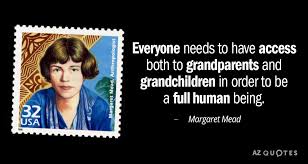
In a changing society, grandparents themselves change. Far from representing what is stubbornly old-fashioned, they are men and women who in the contemporary world have the greatest experience in incorporating new ways and ideas. Very often their daughter is mired down in a thousand details of baby care and housekeeping and their sons are struggling to establish themselves in the world but grandparents have the leisure to follow up what is most modern and new. And unlike their own parents who grew old early under physical stress, today’s grandparents generally have years of vigorous living ahead.
More often than we realise, grandparents who move away from the homes where they brought up their own children are not settling into ‘retirement’ but are instead into new activities. Some of them have—and more could have a very important role in their grandchildren’s lives. Because as adults they have lived through so much change—the first talkies and television, the first computers and satellites—they may well be the best people to teach children about change.
With a lifetime of experience of how far we have come and how fast, grandparents can give children a special sense of sureness about facing the unknown in the future. Having experienced so much that is new, they can keep a sense of wonder in their voices as they tell their grandchildren how something happened, what it was like the first time, and open their grandchildren’s eyes to the wonder of what is happening now and may happen soon. And as men and women who are making new beginnings, developing new interests they can demonstrate to children that growing up is only a stage in a lifetime of growth. As in the past they represent continuity. But now, in a changing society this continuity includes the future and the acceptance of the unknown. Margaret Mead: Some Personal Views June 1966
–Mamata
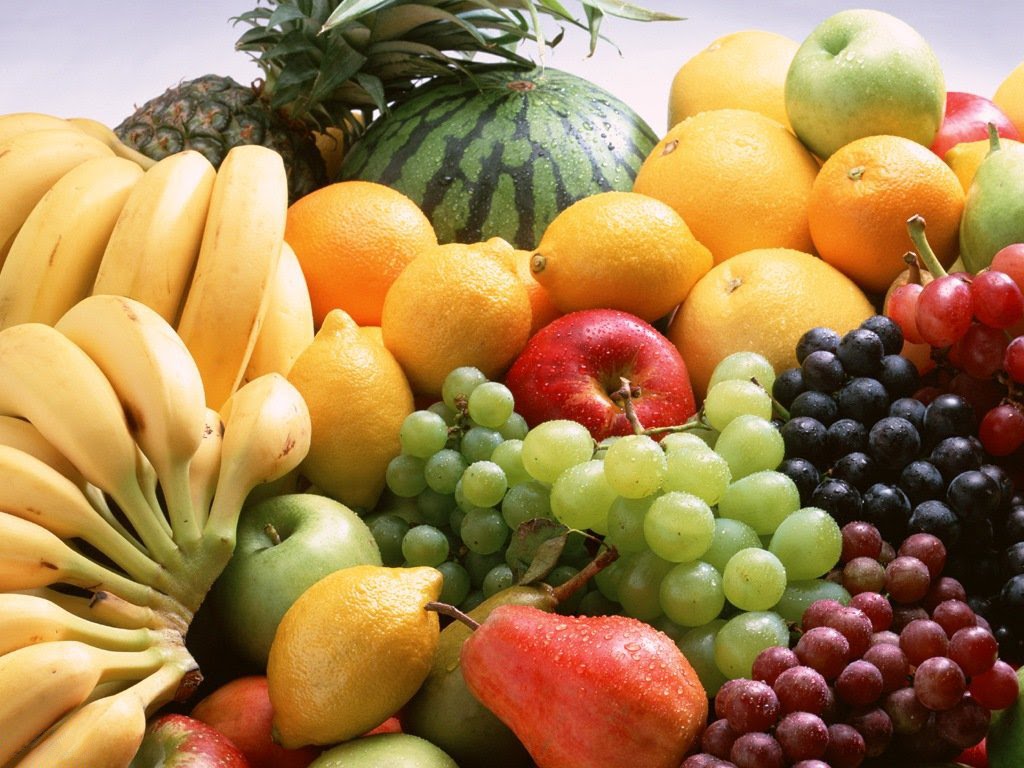 September is observed as Nutrition Month in India. And God knows we need to do all we can, considering how poorly we are faring. Just to reiterate some of our national statistics:
 next few days the hype will build up. There will be a marketing blitz reminding us that Friendship Day nears, and that the best way to be friends is by buying and gifting for each other, and that the proof of friendship is the number of cards and presents that one gets.
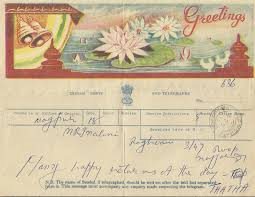 The last telegram in India was sent at 11.45 p.m. on the 14th of July, 2013. The telegram service in the country started in 1850 on an experimental basis, and was made available to the public in 1854. It connected us across the vast country, the harbinger of joys and sorrows. The arrival of a telegram definitely did give rise to butterflies in the stomach and a rise in blood pressure.
 Over 30 years ago.
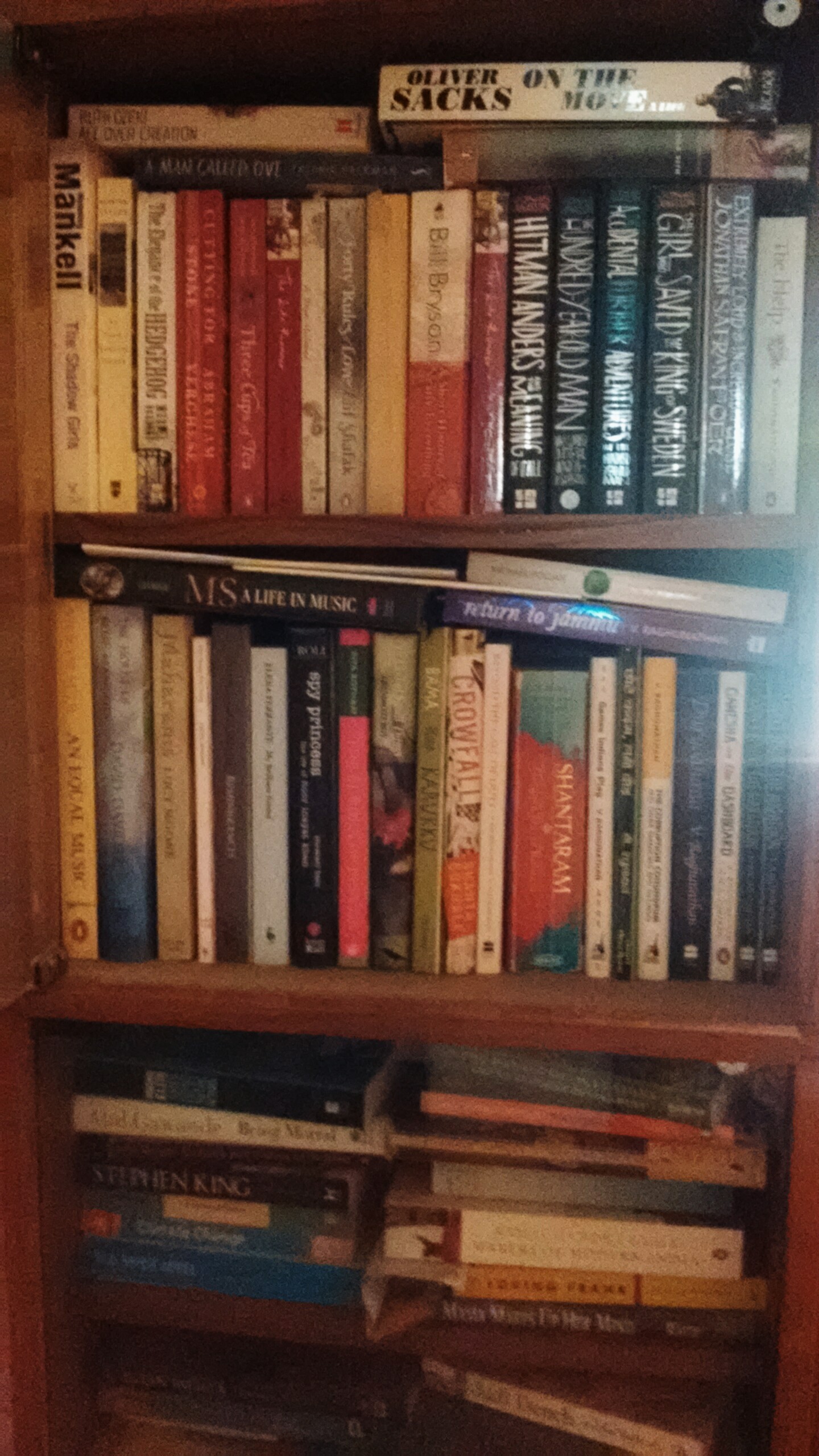 ies, just to pick up a book. One went to feast on the shelves lined with books, to run one’s eye across and up and down, pulling out a familiar name, or a new unfamiliar one; to peruse the blurbs on the cover to get a taste of what was within. One went in, sometimes with the certainty of coming out with a specific title, but equally the expectation of discovering new authors, or new works by familiar authors. It was the exploration that was the real fun, not so much the final selection.
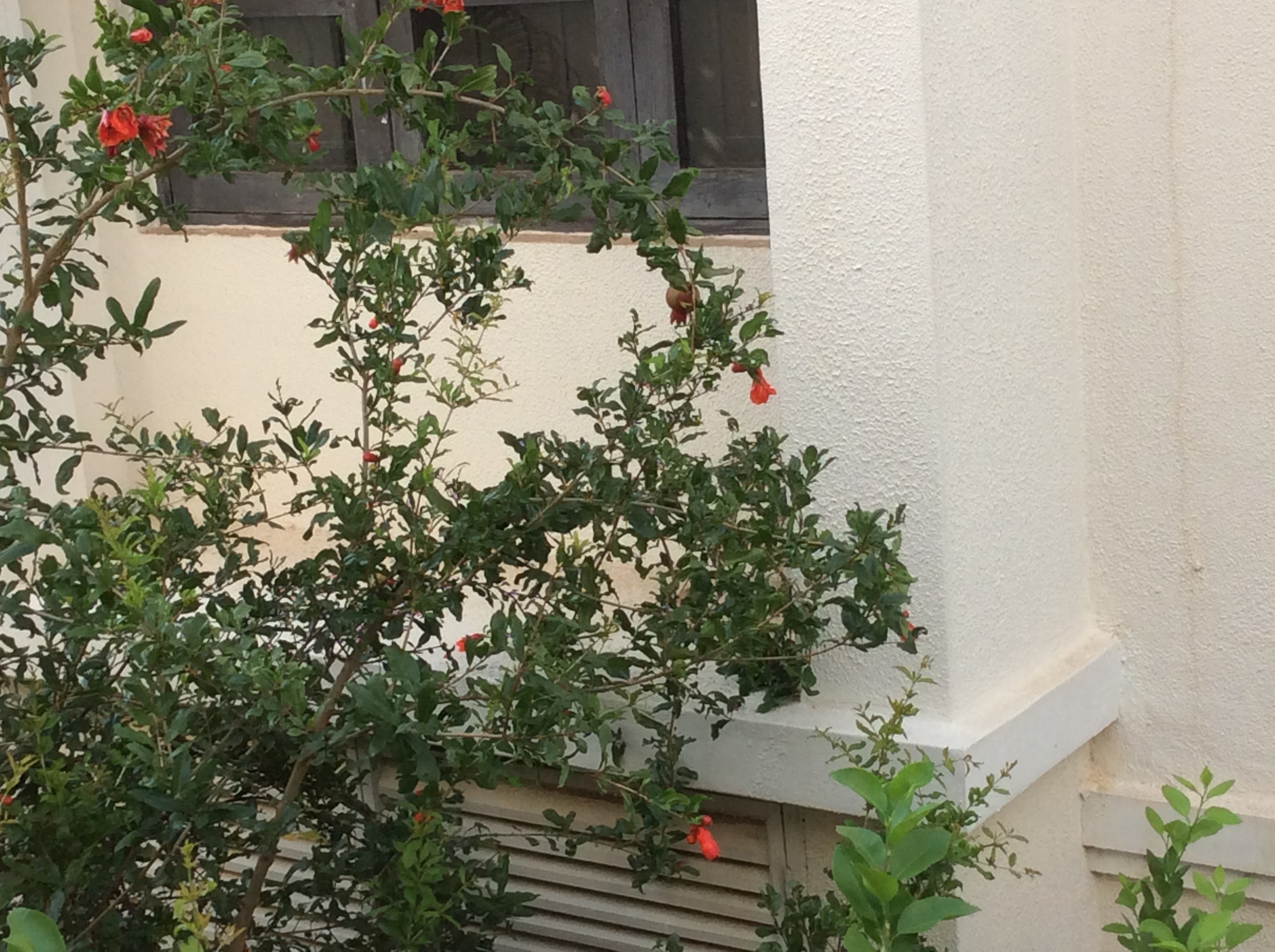 Lockdown has certainly make us more observant and has given us new ways of looking at things. There is a pomegranate tree whose top I can see from my window—and considering I spend eight or nine hours working in that room, it is very central to my vision! It is currently flowering, abuzz with bees, and fruits have started forming.
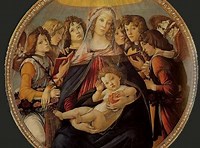 The pomegranate is a symbol of resurrection and life everlasting in Christian art, and the pomegranate is often found in devotional statues and paintings of the Virgin and Child, as in Bottecelli’s ‘Madonna of the Pomegranate’ shown here.
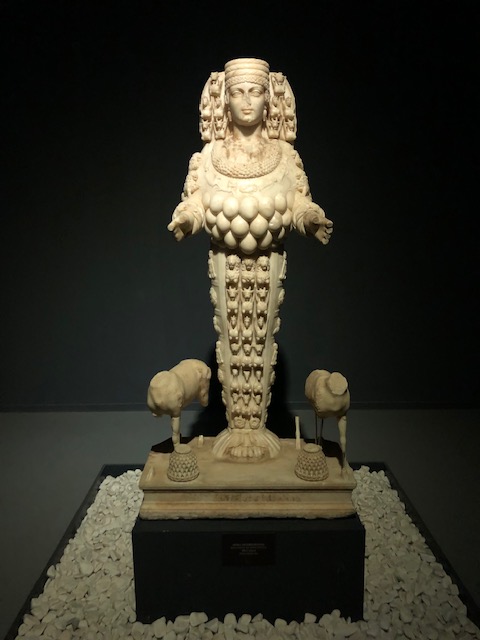 Why the sudden question? Well, because May 18th is International Museum Day—observed as such since since 1977. The idea is that on this day, museums engage with their stakeholders and highlight the importance of the role of museums as institutions and the role they play in society.
 Millennial Matriarchs