Sandow in our Lives

The end of the year is a time of going back in time and re-living memories.

And one of the enduring memories for those of us who grew up in the  1950s, 60s and 70s, is the word Sandow. It was a part of everyday lives—an integral part of the pencil box, a dirty grey rubber that erased pencil marks.

For us in India, “rubber” was the term for eraser, a usage inherited from British English and reinforced through colonial schooling. A child did not “borrow an eraser”; they asked for a rubber. And the most trusted rubber of all in our times was the Sandow.

These erasers were made of natural vulcanised rubber, not vinyl or plastic as most modern erasers are. They were firmer, slightly gritty, and erased by abrasion — scraping graphite off paper rather than gently lifting it. They left dark crumbs behind and wore down slowly. A new Sandow rubber meant clean pages. A worn one told the story of errors made and lessons learnt.

Where did Sandow rubbers come from?

The earliest Sandow erasers were almost certainly manufactured in Britain and exported to India during the late nineteenth and early twentieth centuries through British stationery suppliers. During the colonial period, Indian schools depended heavily on imported notebooks, inks, slates and erasers.

Stupid Toy Day (December 16) is a celebration of the wonderfully useless things from childhood—rubber chickens, yo-yos, slinkies, and strange plastic objects that made no sense but brought endless joy. From ridiculous toys to unsettling antique dolls that now star in creepy museum contests, this post reflects on how toys—whether silly or sinister—stay with us long after childhood ends. A nostalgic look at why useless never really meant unimportant.

After Independence, Indian factories began manufacturing erasers using similar formulations and — crucially — the same name. By the 1950s, most Sandow erasers sold in India were produced locally. However, the word “Sandow” was never firmly trademarked in India, allowing multiple manufacturers to use it freely. Over time, it became not a brand but a category. “Sandow rubber” simply meant “the regular school rubber.”

Sandows were not the only erasers available. There were white, scented rubbers, with a gel-like coloured top. But alas, most of us never possessed one, given they were about four or five times more expensive!

And a Strongman called Sandow

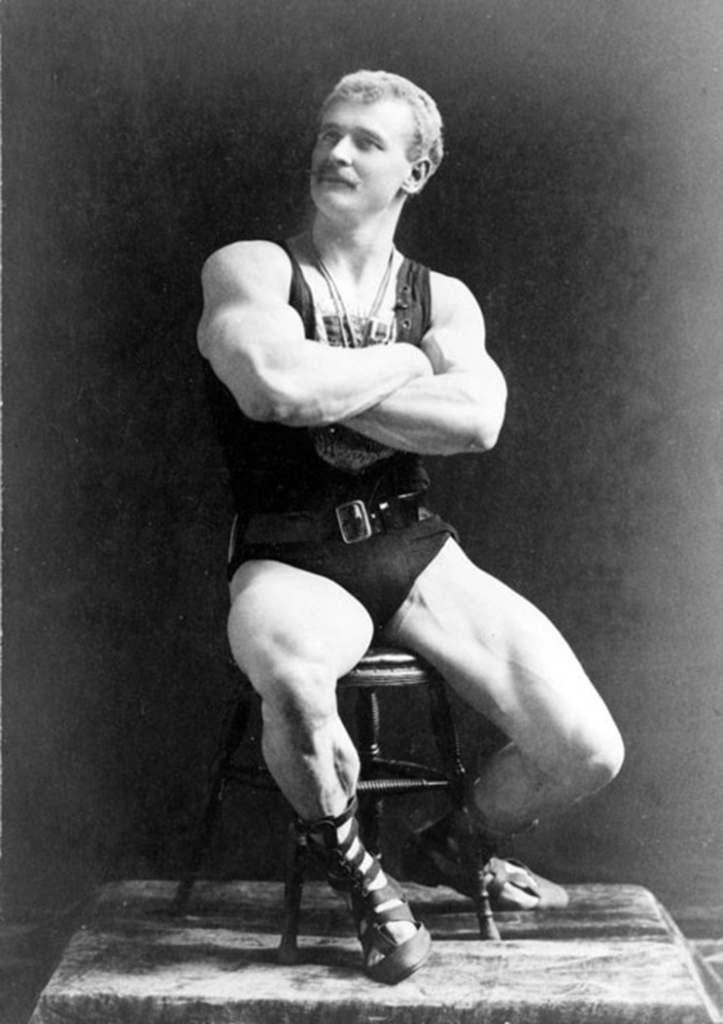
Another Sandow (though of older vintage) was part of our childhoods too. He lived on barbershop calendars and tattered posters: a muscular European strongman frozen in permanent flex.

Eugen Sandow (1867–1925) was a Prussian-born showman, athlete and entrepreneur who became the world’s first international bodybuilding celebrity. He toured Europe, Britain and America performing feats of strength before royal families and packed audiences.

Sandow was much ahead of his time, and would have done great in the current days, surely becoming a hero of Insta reels, posing as he did to deliberately display his muscularity. He was also a businessman. He published training manuals, endorsed health products, sold exercise equipment, and promoted physical culture as moral discipline. King George V even appointed him “Professor of Scientific and Physical Culture” in Britain — a title that further elevated his image as a respectable authority on fitness.

In India, encounters were through his images — black-and-white posters, calendar art, tins, and labels that travelled through imperial trade routes. But nevertheless, his name was well known, whether with urban kids or rural youth.

Were the rubber and the strongman officially connected?

There is no evidence that Sandow ever licensed his name to an eraser manufacturer. No contract, no advertisement, no endorsement exists in any reliable archive.

However, the naming may have had a connection. The two existed at around the same time, and the name ‘Sandow’ symbolised durability, strength and European modernity. Calling an eraser “Sandow” suggested that it would last, work hard and not fail easily. In an era with loose branding laws, borrowing famous names for product credibility was common.

Today…

Now, erasers come in neon colours and cartoon shapes. Eugen Sandow is remembered only by historians and fitness professionals. But for those who grew up in that older India, the word still carries a double image: fingers dusted with graphite, and a chest forever flexed on fading paper.

Sandow was never just an eraser.
And Sandow was never only a man.

Both were a part of our simple, innocent youth!

–Meena

Photocredit: Wikipedia for Mr. Sandow

ebay for the Vintage Tin advertising the eraser

Food for Thought

October 16 marks World Food Day—the day in 1945 that the Food and Agriculture Organization (FAO) was set up. FAO is a specialized agency of the United Nations that leads international efforts to defeat hunger. FAO’s goal is to achieve ‘food security for all and make sure that people have regular access to enough high-quality food to lead active, healthy lives.’ 194 countries and the European Union constitute its membership and FAO works in over 130 countries worldwide.

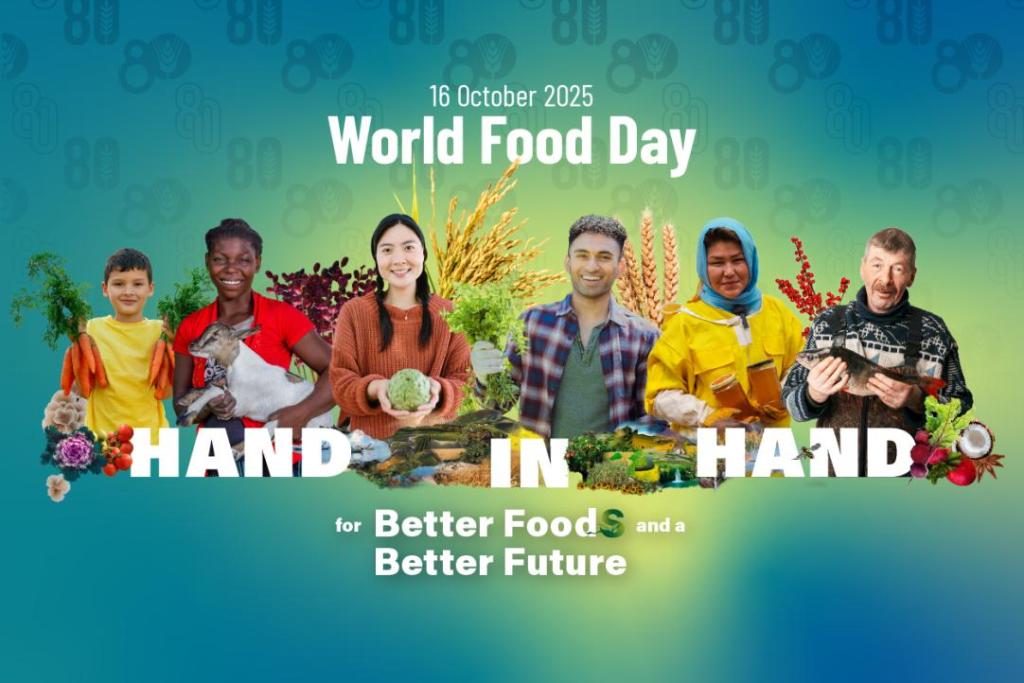
World Food Day aims to raise global awareness about food security and hunger, promoting actions to eradicate hunger and malnourishment. The day focuses on sustainable food systems, healthy diets, and equitable food distribution to ensure a better future for all.  The theme for World Food Day 2025 is “Hand in Hand for Better Foods and a Better Future”.

One would hope that with world attention on this critical issue, things would have gotten better in the decades since the establishment of FAO. Well, in fact measures of world hunger over time do show a general decline from that time. But the bad news is that progress has stagnated and reversed in recent years due to factors like conflict, climate change, and the pandemic.

Food Sufficiency

One area of concern in this turbulent world of conflicts and tariff wars is a country’s food self-sufficiency. The alarming fact is that as per a study reported in Science Alert, carried out by researchers from the University of Göttingen in Germany and the University of Edinburgh, only ONE country in the world can is self-sufficient in all seven key food groups (Fruits, Vegetables, Dairy, Fish, Meat, Plant-based protein, and Starchy staples).

And is Guyana! China and Vietnam were the runners-up, producing enough food to meet their populations’ needs in six out of the seven categories. Less than 15% of countries are self-sufficient in five or more food groups. Half a dozen countries– Afghanistan, the United Arab Emirates, Iraq, Macau, Qatar, and Yemen – are unable to meet self-sufficiency in any food group.

This is bad news in a world which cannot count on peace and fair trade across borders. Governments have to urgently re-think their agricultural policies.

India

India’s agriculture has come a long way from the days of ‘ship to spoon’ when we dependent on the largesse of developed countries. Today, we are net strong in staples (cereals including rice, wheat and coarse grains) and dairy.

But we have our vulnerabilities. The weakest points are pulses and oils.

We depend on pulse imports because production fluctuates.We produced around 24-25 million tonnes of pulses in 2024-25 and imported about 4.65 million tonnes. Domestic production fluctuates due to weather etc.

India meets only ~ 40-45% of its edible oil demand through domestic production. The rest is imported (for oils or oilseeds). In 2023-24, imports we imported approximately16 million tonnes of edible oils. Domestic production is increasing but yield gaps, land use, and competition with other crops are constraints.

The issue is not just the macro-numbers. The context of persistent malnutrition and food insecurity due to rising food prices, food wastage, farmer distress and the increasing impact of climate change on agricultural production must be kept in mind.

Respect Food and Farmers

While we hope our governments and institutions will sharply focus on this, as individuals, this World Food Day is an opportunity to think about where our food comes from; how we can eat healthy without imposing enormous costs on the earth; how we can bring food-waste down to zero. And renew our respect for the farmers who feed us, often without due return.

–Meena

DESIGN GURU ASHOKE CHATTERJEE: A TRIBUTE ON HIS 90TH BIRTDHAY        

Ashoke Chatterjee (AC) does not like to be called ‘design guru’. But it is really not possible to come up with a better title for this piece on him. For though not a designer, his influence on design and design education in India has been immense. After all, he was Executive Director of India’s first and leading design school, the National Institute of Design (NID) from 1975 to 1985; a Senior Faculty Advisor for Design Management and Communication from 1985-1995, and Distinguished Fellow at NID from 1995 till his retirement in 2001.

AC played a critical role in conceptualizing the meaning of design in the Indian context. In 1977, he brought together UNIDO and International Council of Societies of Industrial Design (ICSID) members, designers, design-educators and others from across the world to the NID campus at Ahmedabad for a 2-day symposium. The meeting ended with the historic Ahmedabad Declaration which embodies the value of humanism in design. The core of the statement affirms:

  • ‘Its firm conviction that design can be a powerful force for the improvement of the quality of life in the developing world;
  • Its firm belief that designers must have a clear understanding of the values of their own societies and of what constitutes a standard of life for their own people;
  • That design in the developing world must be committed to a search for local answers to local needs, utilising indigenous skills, materials and traditions while absorbing the extraordinary power that science and technology can make available to it;
  • That designers in every part of the world must work to evolve a new value system which dissolves the disastrous divisions between the worlds of waste and want, preserves the identity of peoples and attends the priority areas of need for the vast majority of mankind’.

AC has lived this spirit and has helped designers and design-students across the country imbibe this spirit. He made it a fundamental principle of design education that students needed to understand that design is not restricted to contributing to business profits but also includes contribution made to the livelihoods of artisans, farmers, and the marginalized; and that designers must grapple with social issues. He was one of the early votaries of sustainability and brought this understanding to the education of designers.

As AC is always the first to aver, he is not a designer. He went to Woodstock School, after which he took an Economics degree at St Stephens College, New Delhi. Following this, he did his MBA at Miami University in Ohio, USA. He was with the International Monetary Fund in Washington DC, where he worked as a communications specialist, the Indian Tourism Development Corporation etc., before finding his home in NID and Ahmedabad.  He has advised, and advises, several national and international agencies including INTACH, Water Supply and Sanitation Collaborative Council (Geneva), the Gujarat Ecology Commission, the Government of Rajasthan Department of Health.  He served for many years as honorary president of the Crafts Council of India.

We have had the good fortune to regularly interact with AC over the decades. He was a not-infrequent visitor to the Centre for Environment Education where we worked for many decades, and each occasion brought its laughter, learning and a warm sense of having a caring mentor. He has been on the Governing Council (GC) of CEE from the early years, and as a local GC member, was invited for brainstorming, meetings, events, certificate-distributions and what have you—and if he did not have any prior commitments, he would attend.  He generously served on the advisory committee of several large projects that CEE was involved in, and brought his wisdom to bear not only on the content and design, but also on stakeholder management. As programme leaders, we would often be called into the GC meetings to make presentations on our projects; the butterflies in our tummies would settle when we met his twinkling eye, and he nodded ever-so-slightly to us. And after the presentation, he would sometimes pass us a little chit saying that we had done a good job. That truly made our day!

Ashoke Chatterjee played a key role in the National Drinking Water Mission, which in the late 1980s was tasked with ‘providing safe drinking water to all villages, assisting local communities to maintain sources of drinking water in good condition, and for specific attention for water supply to scheduled caste and scheduled tribe communities.’ AC prepared a road map on the communications aspect of this initiative, without which the gains could neither have been attained nor sustained. He worked closely with CEE in developing communication and education on fluorosis, a disease endemic to large parts of Gujarat.

With all his commitments, AC writes too. Dances of the Golden Hall on the art of Shanta Rao, and Rising, on empowerment efforts among deprived communities in rural Gujarat, are among his well-known books. His latest work (with Harji Malik), in English and Hindi, is titled Learning Together at Jawaja and chronicles the 50-year journey of the Jawaja project.

There is never a meeting with AC when we don’t come away feeling enriched—both as professionals and as human beings.

THE RURAL UNIVERSITY, JAWAJA

One of the criticisms against academic institutions is that they are far removed from every day realities and seldom contribute in solving real-life challenges. The Jawaja project undertaken by IIM Ahmedabad in partnership with the National Institute of Design (NID), Ahmedabad is an early exception. Ashoke Chatterjee was a key part of this.

It was in 1975 that Ravi Matthai, IIM-A’s legendary first fulltime director, set out on a journey to see how corporate management principles could be used to solve the major problem facing India–poverty. Ravi Matthai had stepped down as Director in 1972, and could now devote time to such a project.

The decision was taken to work in Jawaja, a drought-prone district of Rajasthan, consisting of about 200 villages and a population of 80,000. There seemed very little scope for development there, given the arid landscape and lack of water and other physical resources. But Prof Ravi Matthai had a different perspective, because he saw people as the biggest resource.

As the project team understood the area better, they found that the area had a 300-year tradition of leather-craft. The communities there were also skilled at weaving. And so the project decided to build on these skills to develop sustainable livelihoods for the communities there. Prof Matthai roped in NID to join hands with IIM-A, to work on livelihoods and empowerment of the communities in Jawaja. Thus along with Ashoke Chatterjee, his counterpart in NID, he started the journey which involved many faculty from both institutes.

The idea was to connect traditional artisans with contemporary disciplines of management and design, and knowledge institutions which had this knowhow. There were some important basic principles underpinning the effort. The first and foremost was that the relationship was one of mutual respect and learning—after all, even as the communities learnt new skills, the faculty of the institutions were learning how their knowledge could be put to use in solving social problems. Another important aspect was to see how much of the value chain could be controlled by the artisans and communities themselves, so that their incomes could be enhanced. The idea was to innovate and design new products which would have new markets, so that the traditional value chains could be broken and the craftspeople could play a greater role in more areas. The focus was also on working in groups, to give greater resilience and strength to the efforts.

The process was, by design, a gradual one, moving from basic products which did not need very high quality craftsmanship, such as leather school bags and woven floor mats, to higher value ones like office supplies, trendier bags, and high-end furnishings.

The challenges were, of course, many. Apart from the need to design new products which would use the old skills, technologies and equipment, another major concern was quality control.

To quote Ashoke Chatterjee on the subject: The Jawaja project was one experiment which integrated many aspects of craft: heritage, culture, social structure, design vocabulary and NID’s design inheritance. But it was not a craft project; it was development defined as self-reliance for those who have been the most dependent in our society. Ravi Matthai explained self-reliance thus: Can people do something for themselves tomorrow that others are doing for them today and they should be released of that dependence? Ultimately, Jawaja taught us that the whole is about people and you have to attend to people first and last or else nothing you do will be sustained.

The depth of AC’s understanding of craft traditions in India, and his humanity are reflected when he says: Jawaja provided a benchmark in crafts: first focus on and understand the community before we intervene in crafts. Who are the people? What are their earnings? What are their aspirations? What is in it for them? Before we start giving people lectures about their ancient traditions, ask what’s in it for them to stay in the tradition? In the case of Jawaja, many of the heritage problems for leather workers were things they wanted to run away from. Their caste elders told them they must not be identified as leather workers; they must have some other identity. When they stopped flaying animals they were left stranded without an identity. We often look at tradition and heredity as some exquisite artefact, but for them it was centuries-old discrimination.

The Jawaja project was an educational experiment-in-action based on the idea that development activities must be a vehicle for learning. The enduring success of the bold experiment is seen even today at several levels.

The first was the creation of self-reliant institution of crafts people–the Artisans’ Alliance of Jawaja and its associations. These started to manage all links of the value chain in Jawaja, from raw material procurement, finances, bank dealings, design and technology know how, and marketing processes. These are active even today, and continue to innovate, produce and market products which are highly valued.

The second is the impact of the project on the larger development scene. It was the learning from running this grassroots education and empowerment project that the idea of setting up a specialized institution for education in rural management came up, and the Institute of Rural Management (IRMA), Anand, was born. This was given shape by Prof Ravi Matthai and two other professors who had been with IIM-A—Dr Kamla Chowdhry and Dr.Michael Halse.

The Jawaja experiment’s widespread legacy is that it influenced development sector thinking on how to approach community-based livelihood interventions in a spirit of mutual respect and learning.

–Meena

From: Inspirations: Individuals and Institutions That Defined India’s Sustainability Journey. Mamata Panday, Meena Raghunathan.Bookwell Publications. 2025.

See also: The Jawaja Project https://millennialmatriarch464992105.wordpress.com/wp-admin/post.php?post=3624&action=edit

Pic: NID site

The Stroop Effect and Other Sneaky Brain Games

Having been associated for long with Vikram A. Sarabhai Community Science Centre (VASCSC), the pioneering science centre in the country, I always source STEM education materials and kits from them.

A few weeks ago, we received one such package I had ordered. The wonderful thing about VASCSC material is that they don’t let an inch of space go to waste. So the large envelope in which the kit came was also printed with any number of science games and puzzles.

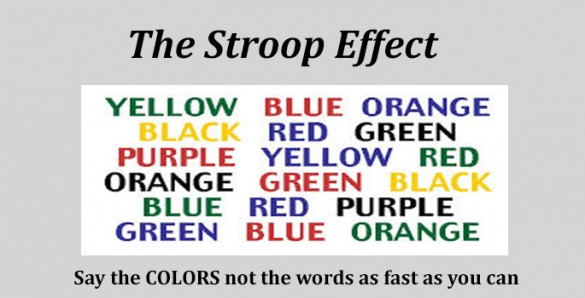
The one that my 6 year old grand daughter and I really had fun with was the Stroop Effect.

It was all giggles as she held out the sheet with a bunch of words and asked me to look at them.  The word “RED” was written in bright blue ink. She asked me to say the colour, not the word..

“Red!” I said instinctively.

“No!” she giggled. “It’s blue ! You have to say the colour of the ink!”

Oh.

And just like that, we stumbled headfirst into the Stroop Effect—a clever little quirk of our brains first identified by psychologist John Ridley Stroop in 1935. Stroop, an American psychologist conducted a series of studies as part of his PhD research. He was fascinated by how automatic processes—like reading—can interfere with other tasks, such as identifying colours. In his now-famous experiment, he showed that when colour words (like “red” or “green”) were printed in mismatched ink colours, people took longer to name the ink colour. This delay, or interference, revealed something profound about how our brains handle conflicting information.

So what is the Stroop Effect?

The classic version of the Stroop test asks you to name the colour of the ink in which a different colour name is written. Like the word “Green” printed in red ink. Sounds simple, right? But our brains are wired to read words so automatically that it slows us down, or even trips us up, when the word and the ink colour don’t match.

This interference between what we read and what we see is a fascinating peek into how our minds juggle competing bits of information.

Why does it matter?

What seems like a party trick actually has deeper implications. Psychologists use the Stroop test to study attention, processing speed, and cognitive control. In clinical settings, it helps assess brain injuries, dementia, and even ADHD. The longer it takes for a person to respond correctly, the more it can reveal about how their brain is functioning.

But even beyond labs and clinics, understanding the Stroop Effect has very real applications.

Take driving, for instance. Ever noticed how highway signs use simple fonts and colours? Imagine if a stop sign said “Go” in red letters—confusing, right? Designers rely on principles like those revealed by the Stroop Effect to make sure our brains process the right cue first.

It’s not just colours and words

Once you start noticing, these mental speed bumps are everywhere. Consider this: we all know that when we try rubbing our stomach with one hand and patting our head with the other, we run into hilarious situations. It is tricky, because your brain is trying to coordinate two conflicting patterns of movement. That’s a bit like motor interference, another cousin in the Stroop family.

Or think of the McGurk Effect, where what you see affects what you hear. If a video shows someone saying “ga,” but the sound is “ba,” your brain may hear “da.” Vision wins over sound, just like reading wins over colour in the Stroop test.

And then there is change blindness—when something in a visual scene changes, and we don’t notice because our attention is elsewhere. Magicians depend a lot on this trick, as also UX designers, who try to guide user attention in websites and apps using visual cues.

A lesson in humility

For me, discovering the Stroop Effect was a gentle reminder that our brains, for all their wonder, are not infallible. They’re predictably imperfect, prone to biases and blind spots. Well, that makes life more exciting!

–Meena

Image: Venderbilt University site

Be Safe!

Last week on April 28th, we marked World Day for Safety and Health at Work. This day has been observed since 2003, when the International Labour Organization (ILO) declared it an occasion to stress the prevention of accidents and diseases at work. It is an opportunity to raise awareness of how to make work safe and healthy, and of the need to raise the political profile of occupational safety and health.

India especially needs all the focus it can give on this. We have seen horrific accidents in tunnels, mines and building sites. Last year saw 240 significant workplace accidents being reported in manufacturing, chemical, pharma, mining and energy sector operations. And these are only the reported accidents—it would be safe to say that many  go unreported. These accidents resulted in over 400 lives being lost and about 850 serious injuries.

We in India deal in large numbers and hence these may not look very serious. The gravity of the situation hits a bit harder when we see from ILO statistics that per 1,00,000 workers, India sees about 117 fatalities, compared to  China’s figure of 7, Brazil’s 7.4, Malaysia’s  14.6, Canada’s  5, etc.

In our everyday lives, we see indifference to safety all around us.  Metro rail construction, overbridge construction, electrical and mobile tower repairs—we never see proper safety measures , or the use of harnesses or personal protective equipment. When an electrician or TV dish installer comes home, their daredevil feats raise the blood pressure.

What to talk of others, we ourselves are not 100% perfect when it comes to donning helmets on two wheelers or seat belts in cars. (I must plead guilty here myself). There seems to be a feeling that ‘it can never happen to me.’ In fact, I recall a colleague conducting surveys about safety measures with those handling hospital waste. The general response was ‘Oh, we have been doing this for years without gloves and masks. Nothing has happened to us. Nothing will. All this just interferes with our work and slows us down. So we don’t really want to wear these things.’

We cannot afford this level of indifference. At one level, is tough laws are needed.  Of workplace safety laws, we have aplenty. We have the Factories Act, 1948, Mines Act, 1952, Dock Workers (Safety, Health and Welfare) Act, 1986, and the Building and Other Construction Workers (Regulation of Employment and Conditions of Service) Act, 1996.

However, the new Occupational Safety, Health and Working Conditions Code, 2019 brought in a few years ago is controversial in that some feel it dilutes safety provisions. “The new occupational safety and health law has severely weakened the inspectorate system, prioritizing ease of doing business over labour rights and worker safety. Inspectors can no longer conduct unannounced inspections, take immediate legal action against violators, or verify compliance effectively due to self-certification and private audits,” to quote Sanjay Vadhavkar, executive committee member of IndustriAll.

While India is good at making laws, their implementation is definitely not as strict as needed. Factory inspectors and traffic cops are equally easy to get by with a little gratification. Never mind that we are talking lives here.

The answer probably lies in education. Children educated about the hazards of fireworks are transforming how Diwali is celebrated. Maybe an equally serious focus on risk, hazard and safety can make a difference. If we catch them young and teach them young, maybe our factories, mines and roads will be safer.

–Meena

Musa Sapientum: The Fruit of Wise Men

On 10 April 1633, the window display of the shop in London attracted huge crowds. It displayed a hitherto unknown, and unnamed item. The displayer Thomas Johnson, a herbalist, botanist and merchant described it thus: The fruit which I received was not ripe, but greene. This stalke with the fruit thereon I hanged up in my shop, were it became ripe about the beginning of May, and lasted until June. Each of them (the fruit) was the bignesse of a large beane some five inches long and an inch and a half in breadth. The stalk is short and like one’s little finger. They hang with their heads down, but if you turn them up, they look like a boat. The husk is easily removed. The pulp is white, soft and tender and ate somewhat like a musk melon.

What was this fruit that he so described? Hard to believe, but this was the banana! How, and from where a bunch of this mysterious fruit reached the shop remains a mystery in itself, but it is believed that most people in England had not seen a banana even by the end of the 19th century when regular imports started from the Canary Islands.

And yet, it is believed that bananas were among the oldest cultivated fruit. They probably originated in the jungles of Malaysia, Indonesia or the Philippines and some parts of India where they grew in the wild. Modern edible varieties of the banana have evolved from the two species–Musa acuminata and Musa balbisiana and their natural hybrids, originally found in the rain forests of S.E. Asia.

During the seventh century AD their cultivation spread to Egypt and Africa. The fruit may have got its name from the Africans, as the word is derived from ‘banan’ the Arab word for ‘finger’.  A cluster of bananas is called a ‘hand’.

Bananas were first introduced to the Western world when Alexander the Great discovered them during his conquest of India in 327 B.C. The fruit spread through Africa and was eventually carried to the New World by explorers and missionaries. Bananas started to be traded internationally by the end of the fourteenth century.

However it was not until the late mid-1800s that bananas became widespread on the North American continent. The first enterprise to import bananas into the US was the Boston Fruit Company.

Carl Linnaeus, the 18th century Swedish botanist whose work led to the creation of modern-day biological nomenclature for classifying organisms was the first person to successfully grow a fully flowered banana tree in the Netherlands.

The development of railroads and technological advances in refrigerated maritime transport subsequently enable bananas to become the most traded fruit in the world.

Today bananas are grown in more than 150 countries, and it is widely believed there are more than 1,000 types of bananas produced and consumed in the world. The most common and commercialized type is the Cavendish banana which makes up around 47 of global banana production. This is a high-yielding variety which is also less damage-prone and more resilient in case of natural disasters.

Although we generally describe it as a banana ‘tree’, technically this is not a tree. Bananas, botanically, are considered to be big herbs, because they do not have a woody stem or trunk which is one of the characteristics of a tree. Instead they have a succulent stalk or pseudostem which begins as a small shoot from an underground rhizome and grows upwards as a single stalk with a tight spiral of leaves wrapped around it. Banana leaves are extensions of the sheaths.

To add to the confusion, the banana ‘fruit’ as we call it, is botanically a berry! While we associate berries with small, squishy fruit that is picked off plants, the botanical definition refers to any fruit that develops from a flower containing a single ovary, has a soft skin and a fleshy middle, and contains several seeds. Bananas tick off all these boxes and are thus technically berries!

The botanical kin of bananas include tomatoes, grapes, kiwis, avocados, peppers, eggplants and guavas. Botanically all berries!

Bananas have long been high on the list of ‘super foods’, endorsed from all schools of health from Ayurveda to the newest ‘wellness’ trends. Its versatility was noted even by Linnaeus who envisaged its numerous medicinal values. The banana is literally ‘wholesome’ from A to Z! It is the panacea for all ills from acidity and anaemia, through cramps, depression, mood elevation, PMS, stress relief, and more, all the way to bringing in some zing to tired bodies and minds! Even the banana peel with its blend of acids, oils and enzymes has multiple uses from healing wounds to polishing shoes!

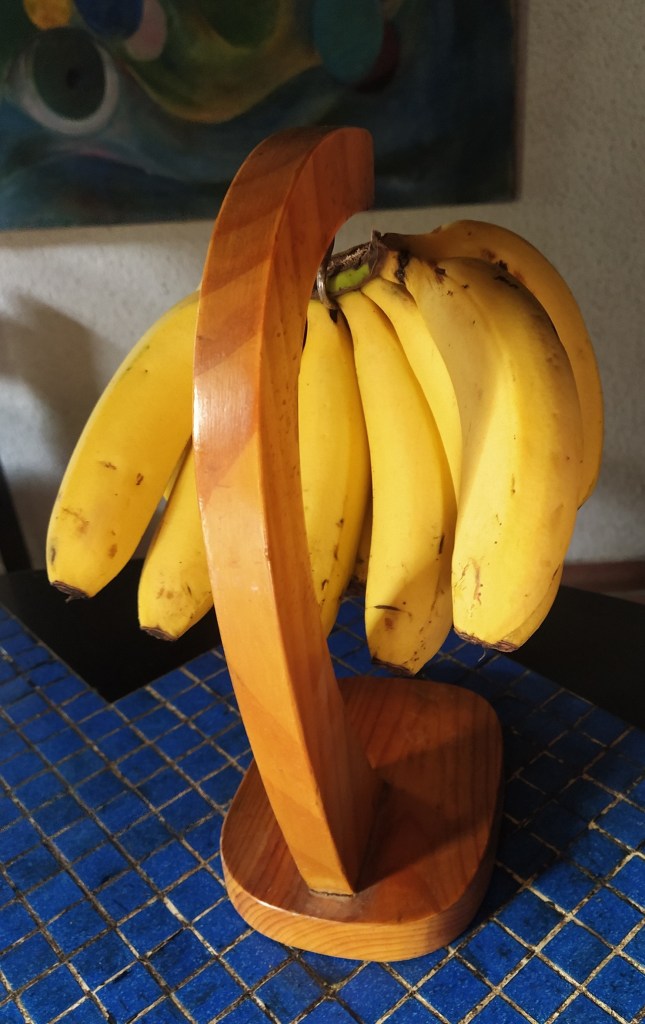
And the banana is a wonderful example of Nature’s perfect packaging. The artful positioning of the individual bananas to form a beautiful cluster or ’hand’ arrangement which can be hung; the tamper-proof skin that protects the soft and perishable flesh within; the nifty top opening that allows for an easy peeling back; and after all that, a covering that does not add to the litter but silently biodegrades to merge back into the soil. No wonder its botanical name is Musa sapientum: the fruit of wise men.

In India the mango always lays claim to being the king of fruits; the solid trustworthy banana is taken much for granted, as it does not make a dashing seasonal appearance and compete for awards of the most varieties and the best of them all. And yet this is the comfort food that is usually on hand, and one that almost every person can afford. It certainly was my father’s favourite, and now is the favourite of his great grandson who endorses Daddy’s maxim of Sabse Achchha Kela (banana is  bestest!)

Why this sudden paean to the banana? Well, I discovered that in America, the third Wednesday of April is celebrated as National Banana Day every year (reason for this undiscovered). I decided to join the celebrations this year!

Bananas were first brought to the United States in 1876, for the Philadelphia Centennial Exhibition. The exotic fruits were wrapped in foil and sold for 10¢ apiece (roughly $1.70 in today’s dollars).

While the mango always lays claim to being the king of fruits, the solid trustworthy banana is taken much for granted, as it does not make a dashing seasonal appearance and compete for awards of the most varieties and the best of them all!

The Banana was my father’s favourite fruit. He always used to say “sabse achha kela!” “Banana is the best”. So true…The scientific name for banana is musa sapientum, which means “fruit of the wise men.”

–Mamata

The Perfect Breakfast

Cooked rice soaked overnight in water, and the rice and water seasoned and enriched with various additions. This was the traditional breakfast in many rice-eating parts of India including all the Southern states, and in the East, including Odisha, West Bengal, Assam Jharkhand etc. Across the border, it is equally popular in Nepal and Myanmar and Bangladesh too. In fact, it was Kishwar Chowdhury, a contestant of Bangaldeshi origin who brought it to the world stage when she made a gourmet version on Masterchef Australia.

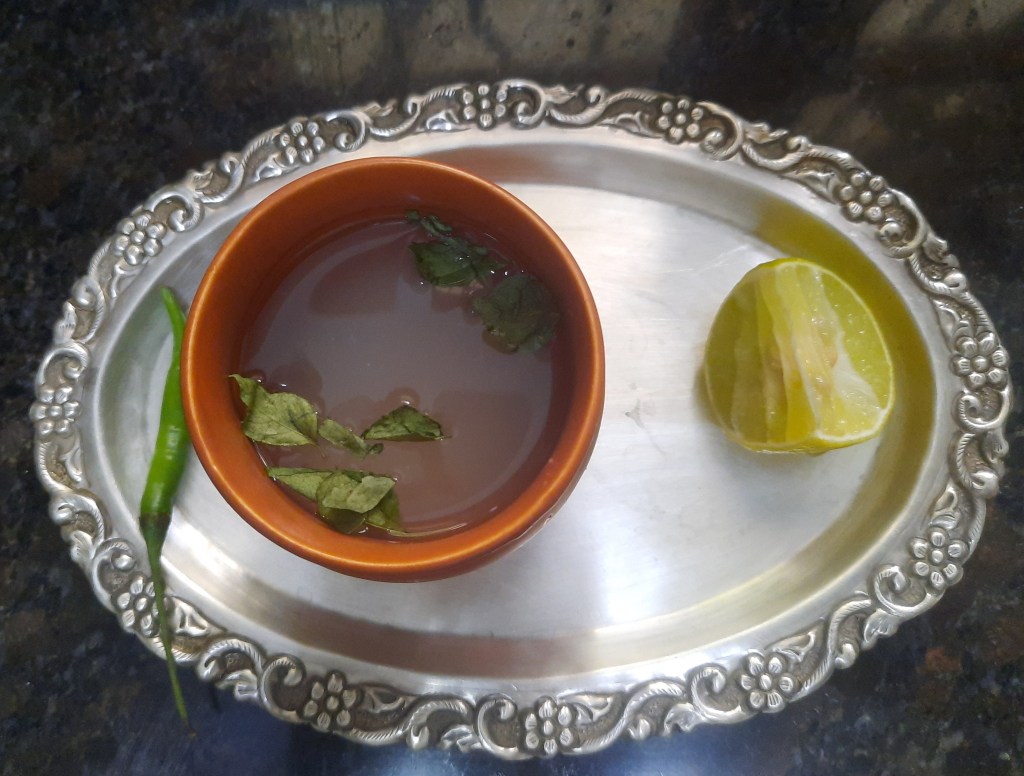
Two generations ago, even in cities, this was the standard morning fare. In Tamil Nadu, the rice was soaked overnight and the next day, mashed up, buttermilk was added, as also curry leaves, green chilies etc. My mother and her brothers had this almost every day before being sent off to school. It was healthy, nutritious, kept the stomach full for a long time. Also this ensured that rice was never wasted. And importantly, saved the mothers a load of work in the busy morning.  The nutritional value and taste of the soaked rice item is often enhanced by adding drumstick leaves, ginger, cumin, curd, lemon, a tadka, etc. There is even a sweet variant made by adding sugar or jaggery.

And this was the standard in homes across these states. Not just students but famers, workmen and others started the day with this.

Soaking cooked rice overnight leads to mild fermentation and promotes the growth of healthy bacteria. It lowers the glycemic index and increases mineral content. A paper in a respected scientific journal avers: ‘Soaked rice is rich in B6, B12 vitamins and is a source of beneficial bacteria which helps in digestion and boosts immunity. The given samples of normal cooked rice and overnight soaked cooked rice are tested for carbohydrate, crude protein, fat/oil and fiber content. The rice which was overnight soaked cooked rice was found to have more nutrient content than unsoaked cooked rice. There is an increase in energy, protein, fat, carbohydrate, fiber content and minerals. Eating fermented rice for breakfast was an old custom among the farmers. It has been proved that overnight soaked cooked rice acts as a healthy breakfast and would play an important role in the health of today’s young generation.’*

The benefits of soaked rice are now being recognized and celebrated. Odisha has taken this to heights by declaring a Day for this: Pakhala Dibasa was declared on 20 March 2011 and is marked every year by Odias everywhere. (Pakhala is Odia for soaked rice). It is appropriate that Odisha should take the lead in doing this, for the dish has a hoary history in this state. There is very early documentation of pakahla including a recipe of prasads at Lord Jagannath Temple of Puri dating back to the 10th century. There is also a mention in the Odia poems of Arjuna Das in his work Kåḷpålåtā composed during 1520-1530 CE.

And yes, in keeping with the tradition, this is another dish contested between Odisha and West Bengal!

Time to remind ourselves that health does not come from a box, nor all knowledge from the internet. Nutrition is right there in the humblest ingredients in our kitchens, and our grandmothers know a lot too!

So in honour of Pakhala Dibasa just gone by last week, and to mark Utkal Diwas (today, April 1), let us resolve to have a soaked rice breakfast at least once a week. This is especially good in the summer, as it has cooling properties.

Here is to happy, healthy breakfasts!

–Meena

*Neha Sharma M, Gayathri R, & Vishnu Priya V. (2018). Assessment of nutritional value of overnight soaked cooked rice over unsoaked cooked rice. International Journal of Research in Pharmaceutical Sciences9(3), 515–518. Retrieved from https://ijrps.com/home/article/view/4150

Angostura Bitters to settle the Stomach

Queasy stomachs have plagued humanity since ancient times. Many have been the remedies, each with its own followers and detractors. For instanc, in India, ginger, omam (ajwain), jeera, curd are all popular.

Somewhere in ancient times, probably in Egypt, wine infused with herbs became a popular remedy for uneasy stomachs.  The popularity of such infusions, called bitters, was high till even a hundred years ago.

Bitters are ‘liquid aromatic alcohol-based infusions of bittering botanicals and flavoring agents’. They are extracts of seeds, herbs, roots, bark, leaves, flowers, and fruit liquid from various plants.  While they started out as medicines, soon another use was found for bitters.

Today, we have two types of bitters: Digestive bitters and Cocktail bitters. Digestive bitters aid in the digestion of food and are usually sipped straight, on the rocks, after a meal and are popular in Europe. Cocktail bitters are made from a tincture of water and alcohol, containing spices and plant-based components.  They are too strong to be had neat, and are added to cocktails to elevate the taste and add a dash of sophistication.

Of all the bitters, Angostura Bitters are probably the best known, and are a staple for every bartender and cocktail-mixer, and are used in classic cocktails like the Old Fashioned and Manhattan. More than that, they are in every kitchen cupboard in Trinidad and Tobago where they are made, as a home remedy for stomach problems. They are also an important ingredient in many local dishes.

Angostura is a tree native to South America, but strangely, the famous bitters are not made from the bark of this tree. Rather, they get their name from the town of Angostura in Venezuela, where they were invented. (The name of the town was changed subsequently, and it is now known as Ciduad Bolivar).

They were first concocted in 1824 as a medicine for the army of Simon Bolivar by a German army surgeon called Johann Siegert in the town of Angostura. He called it ‘Amargo Aromatico’. Dr. Siegert started exporting this to Europe, USA and the Caribbean. Apart from its use as a medicine, this product caught the fancy of bartenders at a time when cocktails were just becoming popular. Demand boomed.

The Siegert family migrated to Trinidad in the mid-19th century and started manufacturing the tincture in Port of Spain, the capital. And the company flourished.

Angostura Bitters were something one had vaguely read about. It definitely did not loom large in our lives. Till we visited family in Trinidad. Then we realized how big a thing it was!

A tour of the Bitters factory was of course on the essential itinerary. It was an overwhelming experience, especially to the nose! The pervasive smell of alcohol and herbs and tinctures almost made one dizzy.

All the processes of making the Bitters were on display. But the critical part is a secret—the mix and proportions of the herbs which go into making the product! It is apparently one of the world’s longest-held culinary mysteries, and no one has been able to replicate it exactly! Apparently only five people are privy to the secret.

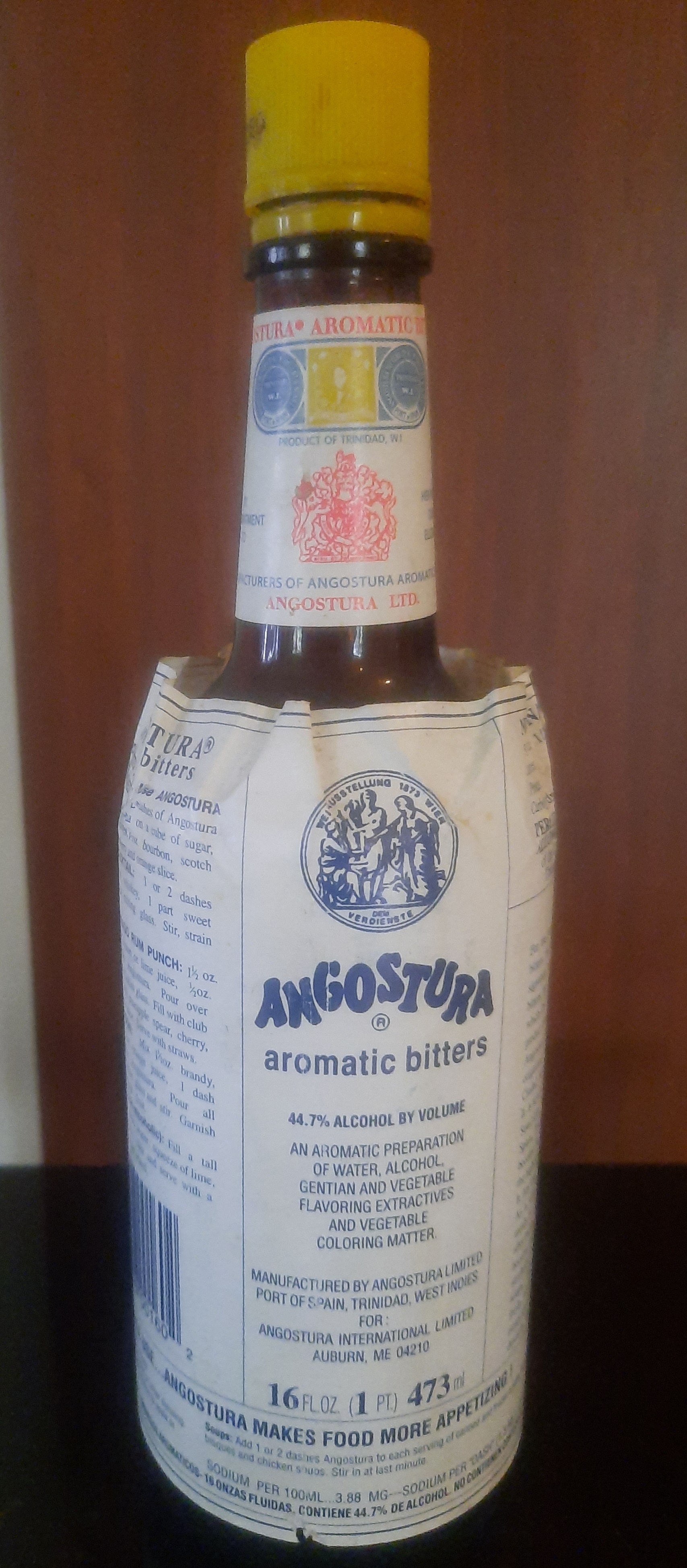
Another part of the myth and legend of Angostura Bitters is the over-sized labels on the bottles. Apparently, in the late 1800s, Siegert’s sons decided to re-brand the product.   As a part of a competition, one brother designed the new bottle, while another designed the new label. But they did not discuss their designs with each till it was too late. So the labels that had been printed were too big for the bottles they made!  Though the Siegerts lost the competition, one savvy judge advised them to keep the design as it was. He said that this would help the packaging stand out among the competition. And that is exactly what has happened! The oversize labels area distinctive feature even today.

I remembered my bottle of Angostura Bitters from our trip to Port of Spain trip when I recently had a stomach upset. Whether thanks to this or some of the other home remedies I tried, I was better soon!

–Meena


Pulses Rule!

They are at the heart of every meal; they come in many colours, shapes and sizes; they can be used in a large range of permutations and combinations. They are the pulses that are an integral part of all cuisines in India. In a country with such immense diversity in culinary traditions, food habits, and meals, pulses are the one common as well as essential element. Our daily meal is incomplete with a dish made from a pulse, and many of our favourite snacks would not be what they are without pulses. Yet there is much that we have never stopped to really think about.

Technically pulses are the edible seeds obtained from the cultivation of leguminous plants for both food and feed. India has an immense diversity of pulses at the genetic and species level, as well as their uses at the culinary level. What makes pulses the original ‘wonder food’?

These seeds are a rich source of nutrients, mainly proteins, that are crucial for a healthy and balanced diet. It is estimated that 100 grams of dry lentils contain about 25 grams of protein. Thus pulses can become a backbone of a vegan diet.

They are naturally low in fat and contain no cholesterol, reducing the risk of cardiovascular diseases. They are also low in sodium chloride or salt which is a contributor to hypertension. They are high in potassium which plays an important role for digestive and muscular functions.

Pulses are a good source of iron and a great answer to address iron deficiency. The iron in pulses is best absorbed in the body by combining them with foods containing vitamin C. They are an excellent source of folate, a B-vitamin essential for nervous system function. They have a low glycaemic index, which makes them suitable for people with diabetes. They are naturally gluten-free, making them an ideal option for those who are gluten intolerant.

They can be stored for a long time and can be used even when fresh seasonal fruits and vegetables are not available. Their long shelf-life prevents food loss and wastage.

Pulses are incredibly versatile and can be used in an endless variety of cuisines and dishes in numerous forms. 

That is so far as human health goes, and most people are, at some level, aware of these attributes of pulses (a lot of which is passed down through generations by family recipes and ‘granny’s words of wisdom’). But there is not as much awareness about the fact that pulses are as important for environmental health as they are for human health.

Pulses play a vital role in soil health by providing essential nutrients, maintaining soil biodiversity, and enhancing soil structure. They improve soil health by hosting helpful bacteria, called rhizobia, in their roots. These bacteria convert nitrogen from the air into fertilizers in the soil. Additionally, other bacteria and fungi help release phosphorus in the soil, providing essential nutrients for plants and promoting soil diversity. The fertilizers produced by pulses benefit not only the pulses, but also other crops grown alongside them, reducing the need for chemical fertilizers. This makes pulses ideal for sustainable farming practices like intercropping or crop rotation. Additionally, pulses and their by-products are utilized as animal feed.

The benefits are not limited to soil alone. Pulses also perform other ecosystem services. Many pulse species are drought tolerant and resilient to adverse climate, such as drought and heat. Their cultivation optimizes fertilizer use, thus reducing greenhouse gas emissions.

Pulse crops have a lower carbon footprint than most foods because they require a small amount of fertilizer to grow. They also have a low water footprint as they are adapted to semi-arid conditions and can tolerate drought stress.

Despite their immense value for human and environmental health, pulses are not generally ‘stars’; they are often undervalued and under-recognized. In an effort to highlight the importance, as well as potential, of pulses as a global food the United Nations declared 2016 to be the International Year of Pulses. As the then UN Secretary General Mr Ban-ki-Moon said: “The International Year can help overcome this lack of knowledge. Much work needs to be done to end hunger and provide food security and nutrition for all. One concrete, promising opportunity lies with pulses. Let us join forces to raise awareness of the benefits of pulses”.

As the world was embarking on efforts to achieve the newly-adopted Sustainable Development Goals it was hoped that this International Year would help raise awareness of the benefits of pulses globally. The year-long celebration was implemented by the Food and Agriculture Organization (FAO), a specialized agency of the United Nations. The year was a success, and recognizing the potential of pulses in further achieving the Sustainable Development Goals, since 2019 the United Nations General Assembly has designated 10 February as World Pulses Day to be celebrated every year.  

This celebration is a recognition of the decisive role that pulses can play in achieving the comprehensive, far-reaching and people-centred set of universal and transformative goals and targets of the United Nations’ 2030 Agenda for Sustainable Development.

The World Pulses Day celebrations are an opportunity to raise public awareness about pulses and the fundamental role they play in the transformation to more efficient, inclusive, resilient and sustainable agrifood systems for better production, better nutrition, a better environment, and a better life, leaving no one behind.

This is a good day to look more closely at our own meal! What is the original colour of the pulse on your plate? Green, yellow, red, brown, orange, black, white…

In what form are you eating your pulses? As a Dal (sweet Gujarati or Punjabi tadka?) Rajma-chaval or chana puri? As a part of your idli-sambar? As the partner to rice in khichadi? As the coating on your pakodas? As the sweet moong dal halva or payasam? Each platter will have a different version of pulses!

Whatever the form and whatever the taste, pulses rule our plates and palates!

–Mamata

Guillain–Barré: Real to Reality and Back

Watchers of ‘House MD’, the popular American medical serial would, unlike the general public, be very familiar with the term ‘Guillain–Barré syndrome’. GBS is a rare neurological autoimmune disorder in which a person’s immune system mistakenly attacks part of their own peripheral nervous system—the network of nerves which carry signals from the brain and spinal cord to the rest of the body. This can result in muscle weakness, loss of sensation in the legs and/or arms, and problems swallowing or breathing. Symptoms typically last a few weeks, with most individuals recovering without long-term, severe neurological complications.

The cause of GBS is not fully understood, but most cases follow after a viral or bacterial infection. Infection with the bacteria Campylobacter jejuni, which causes gastroenteritis (including symptoms of nausea, vomiting and diarrhoea), is one of the most common risk factors for GBS. People could also develop GBS after having the flu or other viral infections including cytomegalovirus, Epstein-Barr virus, and the Zika virus.

GBS is rare, affecting about 1 in 78,000 people across the world each year. But in the last few weeks, over 150 cases have been detected in India, especially in and around Pune and Maharashtra. Of concern is that a case has been detected as far away as Assam. A few deaths have also resulted.

Authorities are fully alert and taking action—both to ensure detection and treatment, but also importantly, prevention. Pune Municipal Corporation is promoting public health interventions – food and hand hygiene, and safe water — for disease management.

But getting back to ‘House MD’, so influential was the serial, that there is actually an academic paper titled ‘The usefulness of TV medical dramas for teaching clinical pharmacology: A content analysis of House M.D’, in a respected medical journal ‘Educacion Medica’!

Of course such serials often have patients misdiagnosing themselves with all kinds of exotic diseases, and generally being a pain in the neck for doctors, and a waste of resources. But in the case of one patient, Alexandria Ostrem, it was a tale stranger than fiction. Way back in 2008, when Alexandria was a teenager and an avid watcher of House. she suddenly developed trouble walking. Remembering the symptoms of GBS from all her TV-viewing, she rushed to the emergency room and insisted that the doctors test her for the syndrome. However, the results came back negative.

Her symptoms continued to worsen, and she was tested several times for GBS. But nothing positive showed up. There came a stage when she was paralyzed nearly everywhere except for some use of her arms. At this point, doctors told her they agreed with her self-diagnosis, and started treating her for GBS. She responded and got well!

In the serial House MD, the doctor and his team are super-specialists in rare diseases, and when diagnosing, they tend to think in terms of unusual and exotic diseases. Such diagnosticians are called ‘zebra hunters’, a term for someone who foolishly chooses to seek out the rarest of diseases. In the normal course of things, doctors are trained to do the opposite– summed up by the adage, “If you hear hoof-beats, think horses, not zebras.”

We are fortunate that the doctors in our health system listened to the hoof-beats carefully, and identified the zebras! Thank you all healthcare givers for all that you do for us.

Leonhard, S.E., Mandarakas, M.R., Gondim, F.A.A. et al. Diagnosis and management of Guillain–Barré syndrome in ten steps. Nat Rev Neurol 15, 671–683 (2019). https://doi.org/10.1038/s41582-019-0250-9

And here is praying that all those who have contracted GBS may recover quickly.

–Meena

The author is a laymen. All information is quoted from sources perceived to be authentic, and should not be a basis for action.

http://www.my.clevelandclinic.org/health/diseases/

http://www.who.int/news-room/fact-sheets/detail/guillain-barr%C3%A9-syndrome