Reach for the Sky: Recalling Interactions with Dr. Kasturirangan

Last week, India and the world of science lost a doyen: Dr. Kasturirangan who in the decade till 2003, led the Indian Space programme as Chairman of the Indian Space Research Organisation, as Chairman of the Space Commission and as Secretary to the Government of India in the Department of Space. During this period, India saw the launch of PSLV, our indigenously developed launch vehicle; the testing of Geosynchronous Satellite Launch Vehicle (GSLV); and IRS satellites among others.

Before that, as the Director of ISRO Satellite Centre, he headed the development of the Indian National Satellite (INSAT-2) and the Indian Remote Sensing Satellites (IRS-1A & 1B) as well as scientific satellites. He was Project Director of BHASKARA-I & II. He was also the Project Director for India’s first two experimental earth observation satellites, and subsequently was responsible for overall direction of the first operational Indian Remote Sensing Satellite, IRS-1A.

It was in his time as ISRO chief that Chandrayaan-1 was conceived.

I am proud to say that I had the chance of a few personal interactions. However, not in the context of high-science and technology!

As everyone in the country knows, Dr. Rangan was deeply involved in education, and obviously had a passion for science education (what we today call STEM). It was in this context that I had the chance to interact with him. He was the Chairman of the Board of Governors of the Vikram A. Sarabhai Community Science Centre (VASCSC), where I serve as a member. VASCSC was the result of Dr. Vikram Sarabhai’s vision of enabling the country’s top scientists to contribute to science education. The institution was started in 1966 as a facility where people concerned about the quality of science education could come together to try new ideas and methods of science teaching.

The institution has deep programmatic and emotional links with the various institutions associated with Dr. Sarabhai, the father of India’s space programme.  Dr. Kasturirangan was an obvious choice to chair it!

When very busy people take on yet another committee or chairmanship, it is often really only ornamental. With the best of intentions, they lack the time or mind-space to get deeply involved.

Not so with Dr. Rangan. He ensured to attend VASCSC Board meetings, sometimes in person, otherwise by Zoom. He was there on the dot even for Zoom meetings. He was completely clued in and asked sharp questions about the Action Taken Report. He had a prodigious memory and made quick decisions. He was always supportive of the programmes and publically appreciative of the management and staff for their innovative initiatives and their commitment. He never allowed himself to be distracted with anything else during the course of the meetings, and ensured everyone had their say. It was a humbling experience as well as a learning for all of us.

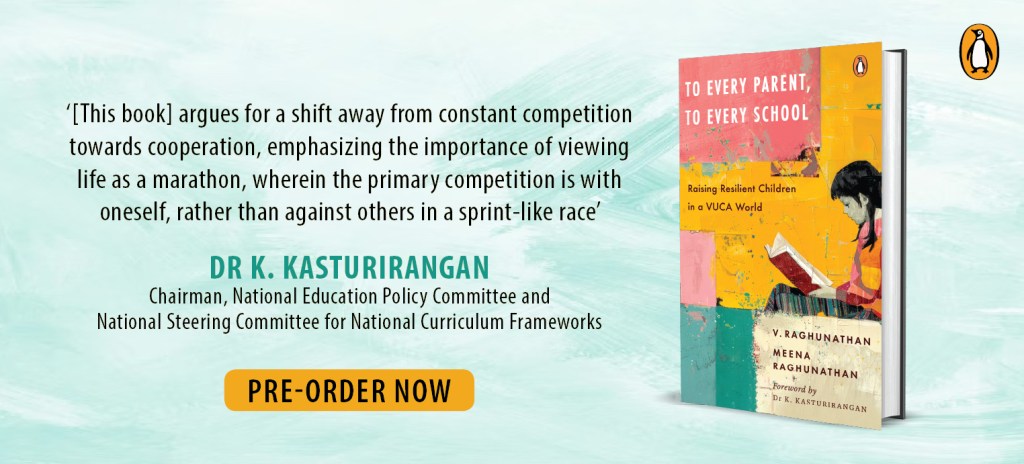
Raghu and I count it as a privilege that he consented to write the Foreword for our book: TO EVERY PARENT, TO EVERY SCHOOL: RAISING RESILIENT CHILDREN IN A VUCA WORLD (Penguin India). Even after he agreed, we were apprehensive: would he find the time to do it within the publisher’s deadline, given the enormous calls on his time? But we need not have worried. The write-up was with us a few days before the date we had indicated! And what a gracious Foreword it was!
These were people cut from a different cloth. They dedicated their lives to their mission. They wore their myriad achievements lightly. They were courteous to one and all. They listened. Nothing was too small for their attention. And they cared.

Grateful for the opportunity to interact with such inspirations.

–Meena
Celebrating Mother Earth: Pachamama

This week the world celebrated Earth Day on 22 April. What started in the United States in 1970 as a one-day demonstration of concern about the threats to the natural environment, grew into a sustained global movement to conserve and protect our Planet Earth which is increasingly threatened in every way. Earth Day continues, to this day, as the largest secular day of celebrating Mother Earth across the world.

The reverence and celebration of Earth as the all-sustaining and nurturing Mother goes back millennia. All indigenous cultures believe that Earth sustains and nurtures all living things, of which humans are but one part. This belief is manifested in the traditions and practices of communities in different parts of the world. One of these is the deification of the Earth as a Goddess, especially in indigenous cultures of the Meso-Americas. This Goddess is Pachamama.

In the culture of the Andean people Pachamama represents the Earth and all its life forms. The word Pachamama comes from the Quechua, an ancient language of the Andean people. Pacha means ‘world’ and mama means ‘mother’, translating to ‘Mother Earth’. It represents the Goddess that exists in all elements of nature. It is the spirit of the land, the essential force that sustains life. Communities celebrate Pachamama through ceremonial rituals and offerings before embarking on any important activity: as a prayer for good crops; to overcome adversities, or requesting protection for livestock, people, and all living things. They also offer thanksgiving for each season’s harvest. The ceremonies demonstrate the integral role that Pachamama plays in agriculture and their daily sustenance. For the Andean people, who have a tradition of herbal medicine, Pachamama is also integral to health and well-being. They believe that honouring Pachamama supports both physical and spiritual health.

Pachamama is a vital life force encompassing four cosmological Quechua principles of Water, Earth, Sun, and Moon, which she embodies as the ultimate Earth Mother deity. The word thus is also taken to mean Mother Cosmos.

For the Andean people Pachamama’s presence is woven into the daily fabric of their lives. As a powerful force that sustains and nourishes, they are careful that their actions should not provoke her wrath. They believe that earthquakes are a manifestation of her displeasure. The rituals and traditions such as challa a ritual where a small portion of chica a fermented corn drink is poured on the ground as an offering to the Goddess, and offerings of cocoa leaves are a symbol of the respect and reverence of the people for Mama Pacha or La Pachamama as she is also called. Another ritual includes burying food, throwing sweets and burning incense to give thanks for the harvest. This is an expression of Ayni, the principle of reciprocity, a giving back to the earth, fostering a balanced relationship between Nature and humans. Shrines dedicated to the goddess are also constructed from natural materials such as tree trunks or rocks.

As in all cultures, culinary traditions also play a part in expressing gratitude for the sustenance that the earth provides. The preparation and sharing of Pachamanca, as part of community feasts is rich in symbolism. The word comes from the Quechua words for ‘earth’ and ‘pot’, and refers to the feast of potatoes, meats, vegetables, and sweet potatoes and corn that have been steamed in a stone-heated, herb-infused underground oven. The oven is made in a pit in the earth, lined with a sequence of layers of stones which have different heat holding capacities. The stones symbolize Inti, the Sun God, and the source of warmth. The ingredients are wrapped in banana leaves and also layered according to their cooking time, from meat and potatoes at the bottom to fruits such as plantains and pineapples at the top. Following a smattering of herbs and beans, the earthen oven is covered with soil and the buried ingredients cook slowly as they are imbued with aromatic heat and smoke. The ritual of burying the food signifies a return to the womb of Mother Earth. Pachamanca is a tribute to Pachamama, with all the offerings fed to the Earth before they are ceremonially dug out and shared to be eaten by the community. Even today this traditional feast symbolizes the community’s history and tradition of thanksgiving and reverence for the all sustaining Pachamama.

The concept of Pachamama symbolizes the interconnectedness of all living things who are sustained and nurtured by a healthy and vibrant Earth. This concept has resonated with ecological movements across the world. And yet, day-after-day, this Earth is being damaged, disturbed and pushed to the brink in every sphere.

It is in such dire moments that we need to look for some rays of hope. The concept of Pachamama is a reminder that we need to look beyond our own needs, wants and luxuries to remember and respect the source of all that meets these human demands. 

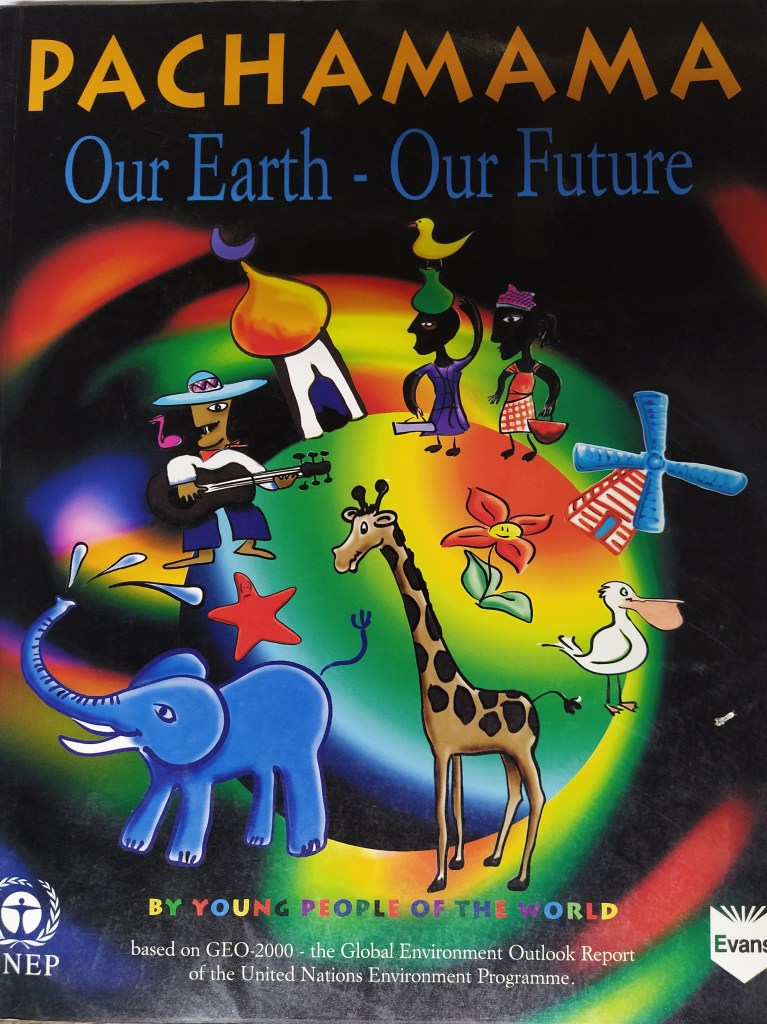
Several years ago I was part of an international project that invited contributions from young people around the world to read the UN Global Environment Outlook Report and send in their reactions and responses to the state of the environment, as well as suggest possible ways of tackling these issues. Case studies and examples of positive actions were also collected. The enormously rich inputs (text as well as visual) were sorted and edited also by a panel of young editors. The outcome was a heart-warming book. The unanimous choice for the title: Pachamama: Our Earth Our Future.

This stemmed from one of the young editors: I have visited South America and I have a personal relationship with Pachamama. I know her—she exists. She breathes in the forests, she rages in the earthquakes and volcanoes, she flows through the rivers and crashes on the shore with the sea. I feel her arms around me, nurturing me and all she asks of me in return is to love her, care for her, nurture her.

–Mamata

Money, money, money….

Well, it’s what makes the world go around for sure! But some people love money for reasons other than what it can buy.

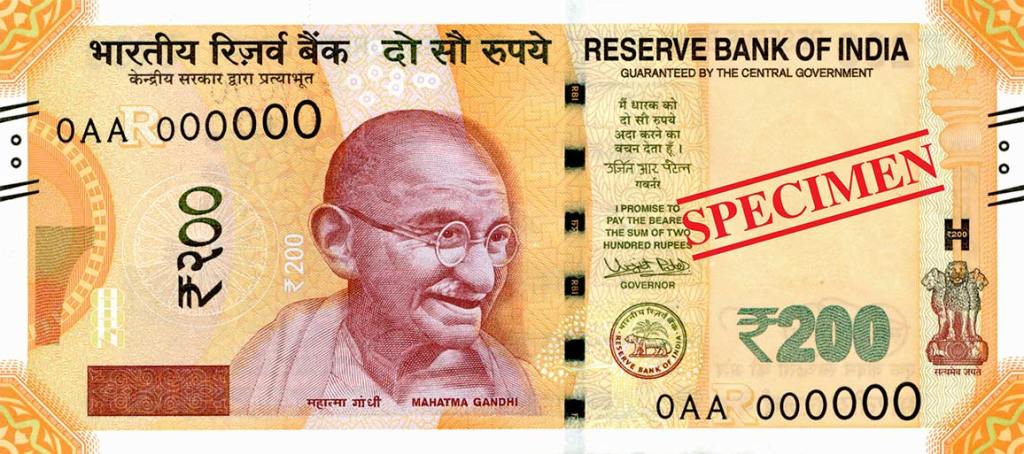
Bangalore has one such lover of money—Rezwan Rajak, the world’s biggest collector of Indian paper money. And fortunately, he has chosen to share this passion. No, not by giving away the notes, but by setting up a museum!

Rezwan is the co-founder and Managing Director of the Prestige Group (there is a good chance you resident of a Prestige property if you live in Bangalore!). His passion for collecting Indian paper money started when he was 13 or 14. He came across some old currency notes from British India, which no longer were legal tender (think de-mo!) and were stamped ‘Refused payment’. The story behind these intriguing notes goes back to partition. Apparently, when partition happened, the new country of Pakistan did not have currency notes of its own. So for the initial period, they used the notes from undivided India, with their own stamp on them. . So the notes said ‘Reserve Bank of India’ but had an additional over-printing of ‘Government of Pakistan’.  While these were accepted in Pakistan, they were not in India. Some smart people in India of course tried to scratch off the Pakistan stamp and use them here. But the banks had a record of the notes printed for Pakistan and refused payment, in fact stamping these notes with ‘Payment refused.’

From this, to the world’s largest collection! The Museum of Indian Paper Money has over 700 specimens of Indian paper currency collected by Rezwan Razak over the decades. And the fascinating stories that go with them! For instance, there are specimens of notes of Hyderabad state which were printed in England and were being transported by sea. The ship sank with the notes and a million pound worth of gold. After 12 years, bounty hunters after the gold salvaged the ship’s cargo inlcuding the currency, and the notes were still intact in their vault.

All the currency notes printed after Independence, as well as notes from the princely states of India are displayed. There are beautifully designed Portuguese-India notes which were used in their territories, which Razak values very highly for their aesthetic appeal. There are also French-India notes.

Also on view are tokens which 36 princely states were permitted to print when metal for minting coins ran out during World War II. They look like stamps or the platform tickets which those of an older generation will be familiar with.

Another fascinating set of items on display are the prisoner of war money-coupons. During WWII, prisoners of war of various nationalities were housed in India. They could do voluntary work during this time, for which they were paid. But the payment could not be in real money as then they could use this to bribe the jailers. So coupons which looked like currency notes, but were stamped ‘Prisoner of War’ were given to them as payment. These were used to buy luxuries in jail like post-cards, chocolates, etc.

And so on and on….

India also has  the Reserve Bank of India (RBI) Monetary Museum in Mumbai. This displays about 1,500 items including coins dating back to the 6th century BC, and covering the Indus Vally period, the Gupta period, the Kushana empire, coming right up to notes and coins of modern times.  

But Razak’s museum, housed in Prestige Falcon Tower, Bangalore, the corporate headquarters of the Group, is different because it is a result of what the collector himself refers to as: ‘… a hobby which became a passion which has in turn become an obsession.’!

Sadly however, physical money may soon completely disappear with almost all transactions moving to electronic payments.  These museums become even more precious in this context!

–Meena

Musa Sapientum: The Fruit of Wise Men

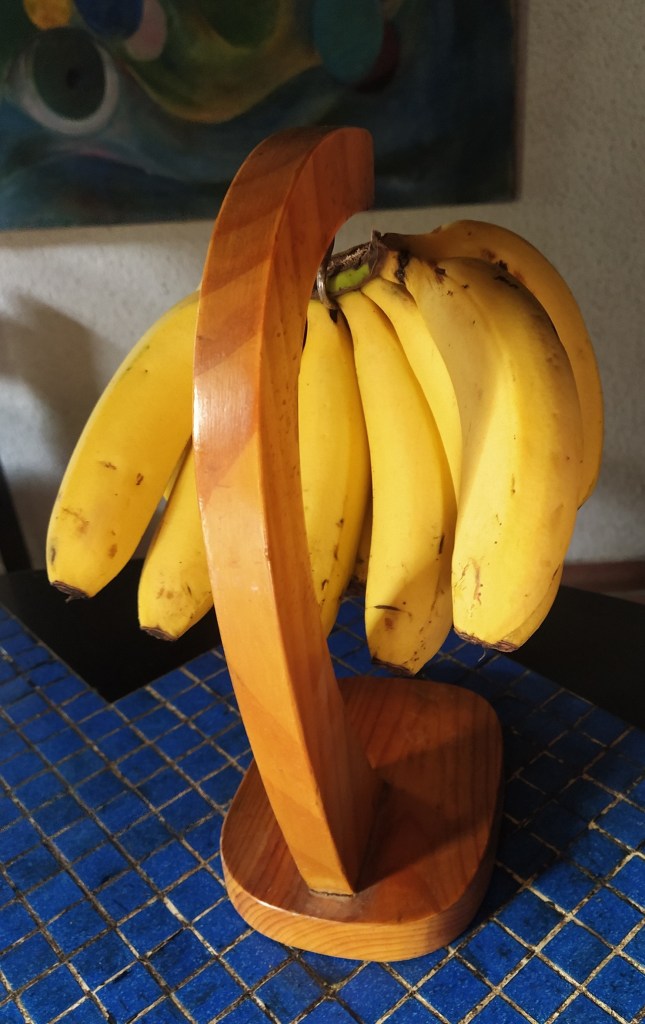
On 10 April 1633, the window display of the shop in London attracted huge crowds. It displayed a hitherto unknown, and unnamed item. The displayer Thomas Johnson, a herbalist, botanist and merchant described it thus: The fruit which I received was not ripe, but greene. This stalke with the fruit thereon I hanged up in my shop, were it became ripe about the beginning of May, and lasted until June. Each of them (the fruit) was the bignesse of a large beane some five inches long and an inch and a half in breadth. The stalk is short and like one’s little finger. They hang with their heads down, but if you turn them up, they look like a boat. The husk is easily removed. The pulp is white, soft and tender and ate somewhat like a musk melon.

What was this fruit that he so described? Hard to believe, but this was the banana! How, and from where a bunch of this mysterious fruit reached the shop remains a mystery in itself, but it is believed that most people in England had not seen a banana even by the end of the 19th century when regular imports started from the Canary Islands.

And yet, it is believed that bananas were among the oldest cultivated fruit. They probably originated in the jungles of Malaysia, Indonesia or the Philippines and some parts of India where they grew in the wild. Modern edible varieties of the banana have evolved from the two species–Musa acuminata and Musa balbisiana and their natural hybrids, originally found in the rain forests of S.E. Asia.

During the seventh century AD their cultivation spread to Egypt and Africa. The fruit may have got its name from the Africans, as the word is derived from ‘banan’ the Arab word for ‘finger’.  A cluster of bananas is called a ‘hand’.

Bananas were first introduced to the Western world when Alexander the Great discovered them during his conquest of India in 327 B.C. The fruit spread through Africa and was eventually carried to the New World by explorers and missionaries. Bananas started to be traded internationally by the end of the fourteenth century.

However it was not until the late mid-1800s that bananas became widespread on the North American continent. The first enterprise to import bananas into the US was the Boston Fruit Company.

Carl Linnaeus, the 18th century Swedish botanist whose work led to the creation of modern-day biological nomenclature for classifying organisms was the first person to successfully grow a fully flowered banana tree in the Netherlands.

The development of railroads and technological advances in refrigerated maritime transport subsequently enable bananas to become the most traded fruit in the world.

Today bananas are grown in more than 150 countries, and it is widely believed there are more than 1,000 types of bananas produced and consumed in the world. The most common and commercialized type is the Cavendish banana which makes up around 47 of global banana production. This is a high-yielding variety which is also less damage-prone and more resilient in case of natural disasters.

Although we generally describe it as a banana ‘tree’, technically this is not a tree. Bananas, botanically, are considered to be big herbs, because they do not have a woody stem or trunk which is one of the characteristics of a tree. Instead they have a succulent stalk or pseudostem which begins as a small shoot from an underground rhizome and grows upwards as a single stalk with a tight spiral of leaves wrapped around it. Banana leaves are extensions of the sheaths.

To add to the confusion, the banana ‘fruit’ as we call it, is botanically a berry! While we associate berries with small, squishy fruit that is picked off plants, the botanical definition refers to any fruit that develops from a flower containing a single ovary, has a soft skin and a fleshy middle, and contains several seeds. Bananas tick off all these boxes and are thus technically berries!

The botanical kin of bananas include tomatoes, grapes, kiwis, avocados, peppers, eggplants and guavas. Botanically all berries!

Bananas have long been high on the list of ‘super foods’, endorsed from all schools of health from Ayurveda to the newest ‘wellness’ trends. Its versatility was noted even by Linnaeus who envisaged its numerous medicinal values. The banana is literally ‘wholesome’ from A to Z! It is the panacea for all ills from acidity and anaemia, through cramps, depression, mood elevation, PMS, stress relief, and more, all the way to bringing in some zing to tired bodies and minds! Even the banana peel with its blend of acids, oils and enzymes has multiple uses from healing wounds to polishing shoes!

And the banana is a wonderful example of Nature’s perfect packaging. The artful positioning of the individual bananas to form a beautiful cluster or ’hand’ arrangement which can be hung; the tamper-proof skin that protects the soft and perishable flesh within; the nifty top opening that allows for an easy peeling back; and after all that, a covering that does not add to the litter but silently biodegrades to merge back into the soil. No wonder its botanical name is Musa sapientum: the fruit of wise men.

In India the mango always lays claim to being the king of fruits; the solid trustworthy banana is taken much for granted, as it does not make a dashing seasonal appearance and compete for awards of the most varieties and the best of them all. And yet this is the comfort food that is usually on hand, and one that almost every person can afford. It certainly was my father’s favourite, and now is the favourite of his great grandson who endorses Daddy’s maxim of Sabse Achchha Kela (banana is  bestest!)

Why this sudden paean to the banana? Well, I discovered that in America, the third Wednesday of April is celebrated as National Banana Day every year (reason for this undiscovered). I decided to join the celebrations this year!

Bananas were first brought to the United States in 1876, for the Philadelphia Centennial Exhibition. The exotic fruits were wrapped in foil and sold for 10¢ apiece (roughly $1.70 in today’s dollars).

While the mango always lays claim to being the king of fruits, the solid trustworthy banana is taken much for granted, as it does not make a dashing seasonal appearance and compete for awards of the most varieties and the best of them all!

The Banana was my father’s favourite fruit. He always used to say “sabse achha kela!” “Banana is the best”. So true…The scientific name for banana is musa sapientum, which means “fruit of the wise men.”

–Mamata

A Maharaja and his Art come to Town

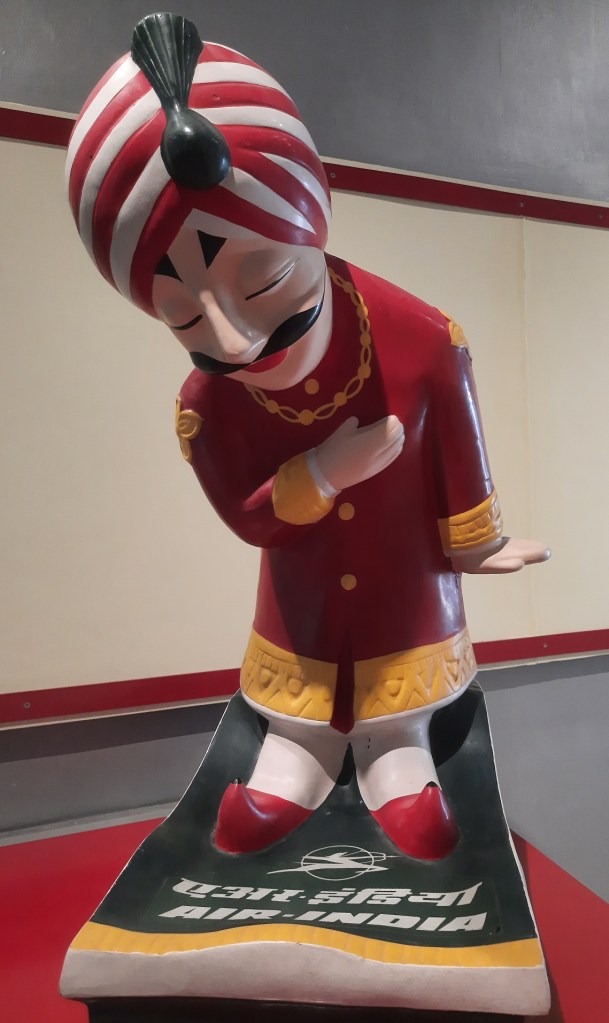
Like many of my fellow citizens, I am not a great fan of rajas, maharajas and their ilk. Nevertheless I love one Maharaja. The Air India Maharaja of course!

And the Maharaja has come to my neck of the woods (Bangalore), bringing with him a part of his famed art collection. Yes, the National Gallery of Modern Art (NGMA) here is hosting close to 200 pieces from the Air India art collection for six months.

Air India’s was one of the largest corporate art collections in India, estimated to have been worth over Rs. 350 crores about eight years ago. The collection has been built over almost seven decades and comprises close to 4000 works. It spans across modern and contemporary paintings, folk art and miniatures, as well as sculptures, textiles, photographs and antique clocks.

The collection started in the 1940s, propelled by JRD Tata, who wanted all of Air India’s booking offices across the world to represent India. Bobby Kooka and Jal Cawasji were mainly responsible for selecting and buying the art pieces. They would not only buy paintings from established artists, they would also visit student exhibitions and pick up paintings. Many of these would be used to make calendars, post cards etc. There was another interesting way of acquiring paintings—the transportation service contract. In exchange for the works of artists, Air India would give them international air tickets! Many an artist, including MF Hussain found this offer irresistible!

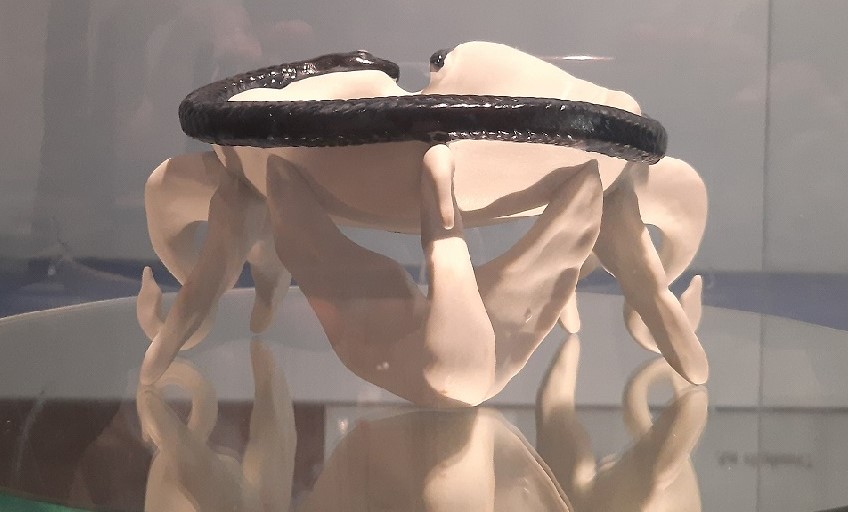
There were specially commissioned art works too. For instance, in the days when smoking in the air was quite normal, the airline commissioned Salvador Dali to design a special ashtray to be given to first class passengers. This was in 1967. 500 limited edition pieces were made of an ashtray comprising a shell-shaped centre with a serpent twined around its perimeter, supported by two surrealist elephant-heads and a swan.  Dali asked for a baby elephant as payment, and got it too!

When the Tatas controlled Air India, the art works were carefully documented, displayed, stored and issued out from the Mumbai office to various domestic and international offices. After the merger with Indian Airlines in 2007 however, things went awry. The collection was moved to Delhi and there was no real ownership. There were scandals with one of Jatin Das’ works allegedly disappearing. Moreover, the works were not properly stored or cared for.

When Air India was re-privatized a few years ago, it was decided that the collection would go to the NGMA, where it could be taken care of professionally. A further decision was taken that the collection would not just stay in one location, but would travel across the country and to other countries as well.

It is as part of this that the collection has now come to Bangalore, where it is being displayed at the NGMA building which itself is a sight. Called the Manickyavelu Mansion, it belonged to Manickyavelu Mudaliar, a mining baron, who himself bought it from the Wadiyars of Mysore.  Mudaliar who came from a poor family made it big thanks to his forays into manganese and chrome mining. But the fortune did not last long and the mansion was taken over by the City Improvement Trust Board.  In 2000, it was leased out to the Ministry of Culture. So today the imposing mansion with grand rooms and a scale quite fitting to a national museum, set in serene green grounds with century old trees, is the Southern Headquarters of the NGMA.

So if you are in Bangalore, ensure you drop into the gallery to see the Air India exhibition. You will see works by Anjolie Ela Menon, B. Prabha, Arpana Caur, MF Hussain, Jatin Das and Raza, among others.

And one room is devoted to the Braille versions of these works. The paintings and the information about them are done in Braille and hopefully will be enjoyed by many.

A special exhibition indeed!

–Meena

Celebrating Sapodilla: GI Tag for Amalsad Chikoo

Not long ago I wrote about the Kuchchhi Kharek or Date that was given a GI tag. Just last week another fruit from Gujarat has been given this tag, making it the third fruit from the state (after the Gir kesar mango and Kuchchhi kharek) to be tagged thus. This is the Amalsad chikoo or sapodilla.

We generally think of the chikoo as being a very ‘desi’ fruit with its grainy texture, caramelly flavor and colour, and sticky latex at the stem of the fruit. However, the origin of the fruit can be traced back to the Yukatan peninsula in Mexico. Its history goes back to ancient Mesoamerica where it was cultivated by the Mayans and Aztecs who used its sweet and nutritious pulp was a part of their indigenous diet. European explorers to this region discovered this fruit, and the zapote or chicle spread with them as they continued their explorations across Central America and the Caribbean, and then further afield, reaching Asia, Africa and the Pacific. The well-travelled chikoo adapted to different climates and cultures, thriving in tropical and sub-tropical regions, to become a ‘local’ favourite across different continents. Manilkara zapota (its botanical name) acquired local names like chicozapote, naseberry, nispero, soapapple, sapota, sapodilla, and chikoo.

As with most fruits, chikoo has its share of health and nutrition benefits. Several parts of India provide ideal soil and climatic conditions for cultivating chikoo. In fact India is the world’s largest producer of the chikoo which is also widely exported. There are also several varieties of chikoos grown here. But not every variety of chikoo has the distinction of gaining a GI Tag.

What is this tag and how is it obtained. A Geographical Indication (GI) sign is used on products that have a specific geographical origin and possess qualities or a reputation that are due to that origin.

Geographical Indications are typically used for agricultural products, foodstuffs, wine and spirit drinks, handicrafts, and industrial products. In the case of fruits and vegetables the product needs to conform to certain parameters such as size, colour, number of seeds, flavour and aroma.

What is important is that the qualities, characteristics or reputation of the product should be essentially due to the place of origin. Since the qualities depend on the geographical place of production, there is a clear link between the product and its original place of production.

The use of place names to identify the place of origin of products goes back centuries. However the legal connotations of such names were introduced in the form of Geographical Index by the World Trade Organization in 1994. In India, the GI tag system came into force in 2003. Darjeeling tea was the first product in India to get a GI tag. But since then the awarding of GI tags has been active, and as of July 2024, there were 605 products with GI status, spread across agricultural, natural, manufactured goods, and handicrafts.

One of the main objectives of the GI tag is to protect and preserve traditional goods and crafts, and the communities that make them. It functions as a seal of authenticity to highlight that a product claiming to be from a certain region is in fact from that region, is produced by people living in that region, and that it meets certain quality standards set up to ensure this. The GI status also offers legal protections since only registered or authorised producers are allowed to use the tag. The GI registration allows registered parties to launch a lawsuit for infringement against unauthorised parties using the tag.

The GI tag values the traditional skills of artisans, unique ingredients, and region-specific delicacies, and agricultural produce. The attraction of a GI tag is that it is believed that it will give the producers a better status and the ability to get better price for their products.

In India, the process of obtaining a GI tag is rigorous, and often takes time. It begins by submitting a physical application by an association of persons producing the goods to the Geographical Indications Registry in Chennai, which is under the purview of Department of Promotion of Industry and Internal Trade, Ministry of Commerce and Industry.

 The information in the application needs to prove the historical and regional antecedents of the product. In the case of agricultural produce, details required include the exact area, the cultivar, how it’s grown, how long it had been linked to the region, and agricultural factors that make the ingredient unique. The approval process can take anywhere between one and three years to get the tag, sometimes even longer. For example, it took eight years for the Erode turmeric and Basmati rice to get their GI status. The GI tag is only valid for 10 years, which means that producers have to renew their application to keep the status.

The Amalsad chikoo is not the first chikoo to get the GI tag. It was preceded by another chikoo variety called the Dahanu Gholvad Bordi Chikoo in 2017.This variety cultivated on the Maharashtra-Gujarat border was recognized for its unique sweet taste, soft creamy texture and high nutrition value attributed to the high calcium content in the soil of the area. This region has been a hub of chikoo cultivation for over a hundred years; also it is possible to harvest the fruit here round the year.

Now the Amalsad chikoo joins the club. It was awarded the Geographical Indication (GI) tag in recognition of its “unique characteristics and deep rooted connection to the region”. The chikoo gets its name from a village in Gujarat’s Navsari district. However the region recognised by the GI covers 51 villages in Gandevi taluka, 6 in Jalalpore and 30 in Navsari which together produce about 30% of Gujarat’s chikoo yield. The region has ten chikoo cooperative societies which contribute substantially to the export of this fruit.

The application for GI certification was made jointly by the Gujarat Council on Science and Technology (GUJCOST) and Navsari Agricultural University (NAU). GUJCOST carried out research on proof of origin of the fruit cultivation in Amalsad while NAU worked on the special characteristics of this chikoo variety. This variety is recognised for its exceptional sweetness, fine texture, and long shelf life compared to several other varieties of India. The region’s unique soil composition, coupled with traditional farming practices passed down through generations have contributed to its quality and reputation. The GI certification acknowledges “the distinct quality, taste, and cultivation methods that make Amalsad chikoo a symbol of excellence in Indian horticulture.”

The GI tag is not only enhances the reputation of this chikoo but is a recognition of the traditional agricultural practices of the local horticulture community; this also boosts their business while giving them a level of legal protection. For the rest of us, it is one more incentive to enjoy a chikoo shake, ice cream, or simply chilled slices of this delicious fruit this summer.

–Mamata

Woolly, Woolly

The recent weeks have seen a number of news items starting with ‘Woolly…’. That is not very normal—the phrase ‘woolly-thinking’ is too archaic to be used as a pejorative across the lines in Parliaments.

But this bandying about of the word is neither from debates nor about shearing of sheep and records set therein.

The references all come from the world of science.

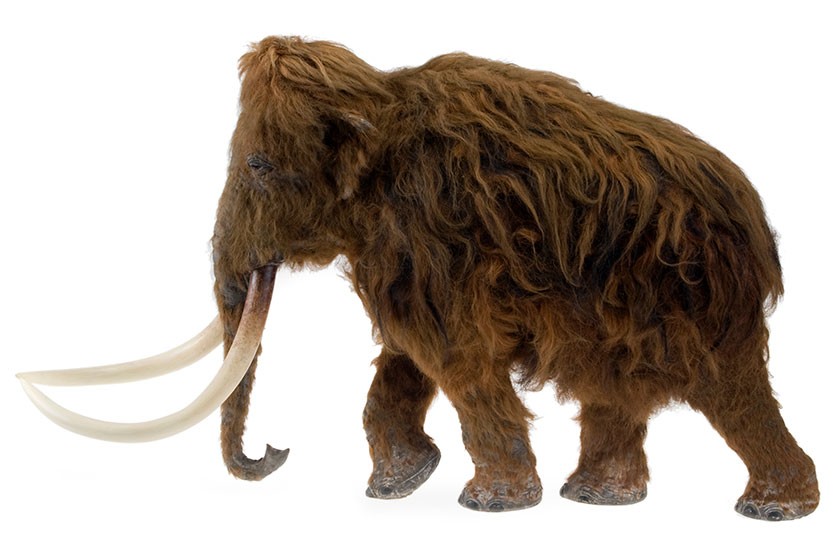
The first set of references stem from experiments of mixing mutations from the extinct mammoth and extant mice to create a woolly mouse! No, creating mice, woolly or otherwise, is not the purpose of the group of scientists which is working on this. The ultimate objective is to actually re-create the woolly mammoth itself. This is only a small intermediate step.

Now who would want to do such a thing, and why? Well, a company appropriately called Colossal Laboratories and Biosciences is behind this. Colossal refers to itself as a ‘de-extinction’ company. In a throwback to Jurassic Park, this company has retrieved the DNA of the 8-ton giant woolly mammoths which walked the earth over 4000 years ago from permafrost. They have mixed this with the genes of mice through complex gene-editing processes and have, after over three years of trials and experiments, created litters of normal sized mice which however have the ‘long, wavy, woolly hair of the mammoth’. They also have fat metabolism that mimics that of the giants. Colossal sees these mice as the first step in the route to actually re-create mammoths. They plan to work up to editing Asian elephant genes to express the traits of the woolly mammoth, and introduce the stem cells into an elephant embryo. The embryo would then be implanted into the womb of a female elephant, and lo and behold, a mammoth would be born to her!

For those who thought only a few years ago that this was the height of woolly thinking, well, maybe with the birth of the woolly mice, they are re-thinking!

Apart from the mind-boggling technical prowess required however, there are many debates about the ethical and environmental dimensions of ‘de-extinction’. (A TED Talk by Stewart Brand titled ‘The Dawn of De-extinction: Are you Ready?’ offers interesting insights).

The second set of woolly references is nothing so controversial. It is the recent discovery of a flowering plant whose flowers, rather meanly, have been called Woolly Devils. The plant or the flowers don’t seem to do any harm to anyone, but have been so dubbed because the flowers are hairy-looking, have florets which resemble devils’ horns, and the plant has been discovered in the desert in Chihuahua  (an ecoregion that covers areas of northern Mexico and the southwestern U.S., including west Texas, parts of New Mexico, and southern Arizona) along some paths in in an area known as the Devil’s Den. The plant belongs to variety known as “belly plants”—because scientists find it comfortable to study them while lying on their bellies! 

How unfair it is to name this newly-discovered plant (Ovicula biradiata) as Woolly Devils is borne out by the fact that scientists think they may produce chemicals of medicinal value.

Only time will tell where the quest for the woolly mammoth leads, and what benefits the woolly devil brings us.

In the meantime, we can pray for an end to woolly thinking.

–Meena

Freedom of Imagination Makes a Book

A few years ago an exhibition at a Research Centre at the University of Chicago was titled But is it a Book? The exhibition broke down the classic elements of ‘bookness’ like format, shape and binding.

The walk-through exhibition had a number of objects that through history were considered as ‘books’, ranging from a clay tablet made in the 3rd century BCE to a modern audiobook. But are either of these books? It was up to the visitor to decide. The exhibition posed a series of questions: “Does a book need to have pages? Does a book need text?” It was up to the visitors to decide. And each decision led the decider down a different path.

If some adults find the journey of exploring and discovering what makes a book, and furthermore, what makes a good book interesting, this exploration is even more adventurous when we enter the realm of children’s books. It is generally accepted that good children’s books are a blend of engaging storytelling, relatable characters, age-appropriate language, vibrant illustrations, cultural diversity, emotional depth, interactive elements, and timelessness. Each of these elements is deep and has numerous facets. And there is no magic formula; even if all these elements are present, it does not guarantee that the outcome is a ‘great’ children’s book.

Perhaps one element that is not explicitly listed, and which may be the key, is the ability of the author to think like a child; to recall how the world seemed as a child—the sense of mystery and discovery, the sense of wonder and anticipation, the sense of being insignificant and powerless in a world of adults…And to translate these complexities into a story that feels true to its young readers, wherein the spark of their imagination is ignited, to explore their imagination, and develop their creativity.

These are the guiding tenets of the International Board on Books for Young People (IBBY), an organization which represents an international network of people from all over the world who are committed to bringing books and children together. The mission of the IBBY includes the promotion of international understanding through children’s books, giving children everywhere the opportunity to have access to books with high literary and artistic standards, and encouraging the publication and distribution of quality children’s books, especially in developing countries.

The IBBY also promotes the celebration of International Children’s Book Day. This is celebrated every year on 2 April, to mark the birthday of Hans Christian Andersen, whose fairy tales have been an integral part of the childhood of many generations.

International Children’s Book Day (ICBD) emphasizes the significance of high-quality literature for children and the creativity it fosters. It highlights the love of reading that unites children worldwide. In high-quality children’s books, the reader’s imagination is kindled and developed. These books help children to explore their imagination, to develop their creativity and to see the world in a new way.

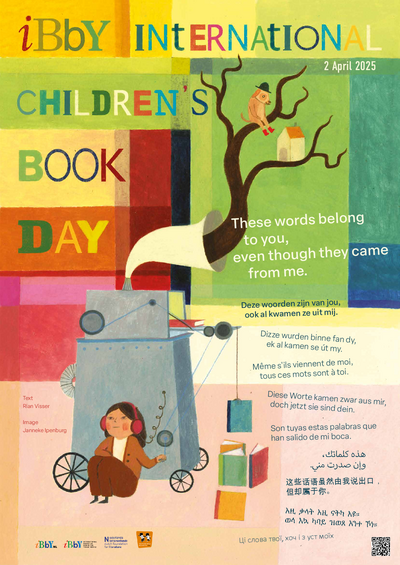
Each year a different National Section of IBBY has the opportunity to be the international sponsor of ICBD. It decides upon a theme and invites a prominent author from the host country to write a message to the children of the world and a well-known illustrator to design a poster. The host country for this year’s ICBD is the Netherlands. The theme for 2025 is The Freedom of Imagination. This derives from the belief that good books invite readers to interpret the words for themselves, making the story their own.

The poster for the theme is designed by two Dutch creators of children’s books, and the message of the theme is highlighted with the last sentence of the poem The Language of Pictures: Make pictures for my poem, and please feel free: these words belong to you even though they came from me.

Reading about this brought back memories of a wonderful project that I was involved in, many years ago, and which was sparked by the same message.

As environmental educators at the Centre for Environment Education, my team and I had diverse opportunities to develop creative teaching-learning resources for teachers and children. Perhaps the most exciting of these was a project to develop children’s books on four different themes: Pollution, Forests, Waste, and Conservation of Natural Resources. The form, format and presentation was left for us to decide. This presented an exciting blank canvas, as well as the challenge to be creative while still retaining the educational objectives for each theme. The outcome was the decision to develop books in four very different formats: a magazine format for Pollution; a collection of folk tales from the region for Forests; a quirky mystery story for Waste. But when it came to Natural Resources we were stumped! What was a manageable way of covering the wide range and scope of the theme?

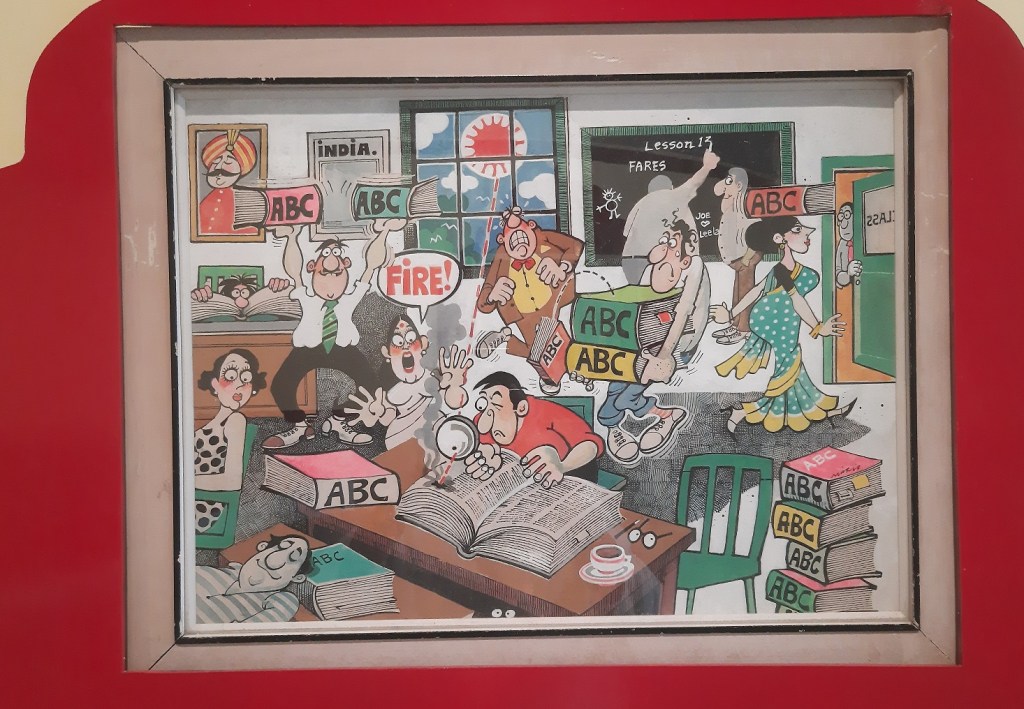
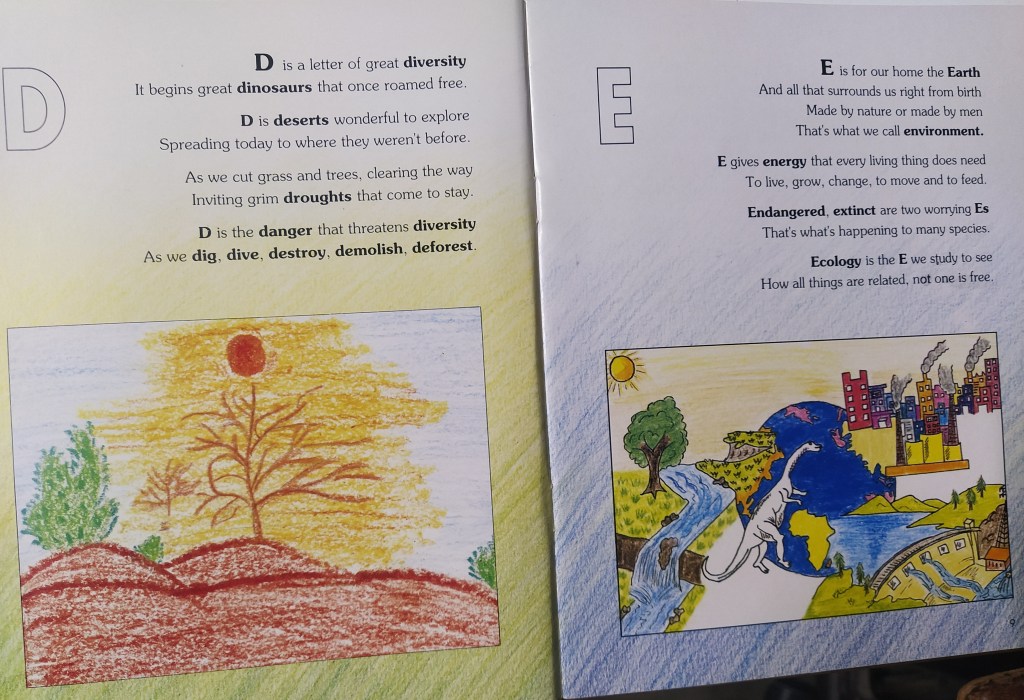
Much brainstorming later this took the form of verses through which we could take “poetic liberties” by bringing together different natural resources. To make it more fun, we decided to do this alphabetically. Hence the title ABC…Naturally. And so the R page could have a verse with the words: rivers, rainbows, reptiles, roots, rainforests, resources, recycle, reuse and reduce.    

With such a motley assortment of words in place, there arose the next challenge. How would an artist illustrate these verses? As adults we are so conditioned to ‘labels’ and fixing of labels in ‘appropriate places’; this would need a huge leap of imagination. But Eureka! Children could make these leaps effortlessly. And so, we walked into a school and handed it over to more creative minds! We simply gave different children the verses, and gave them the Freedom of Imagination to interpret the words through their pictures, as they saw fit. The result was an incredibly rich and many-layered tapestry where disparate elements seamlessly fell into place. ABC…Naturally became a shared work, with every child feeling a sense of ownership and pride at being a ‘creator’. It was a true reflection of the freedom of imagination! It was also a validation of the belief that good books invite readers to interpret the words for themselves, making the story their own.

As someone who was deeply engaged in every part of this process, I am excited that the IBBY is celebrating International Children’s Book Day this year by providing a similar opportunity to

children across the world. IBBY Netherlands has launched an International Illustration Competition to encourage children worldwide to use and express their imagination and creativity by creating works of art inspired by the theme The Freedom of Imagination and the associated motto: “Make pictures for my poem, and please feel free: these words belong to you, even though they came from me.”

Details are available on https://www.ibby.org/fileadmin/user_upload/icbd/icbd_2025/ICBD_2025_international_illustration_competition_-_regulations.pdf

https://www.ibby.org/awards-activities/activities/international-childrens-book-day/icbd-2025-sponsored-by-the-netherlands#:~:text=The%20theme%20of%20the%202025,’

–Mamata

The Perfect Breakfast

Cooked rice soaked overnight in water, and the rice and water seasoned and enriched with various additions. This was the traditional breakfast in many rice-eating parts of India including all the Southern states, and in the East, including Odisha, West Bengal, Assam Jharkhand etc. Across the border, it is equally popular in Nepal and Myanmar and Bangladesh too. In fact, it was Kishwar Chowdhury, a contestant of Bangaldeshi origin who brought it to the world stage when she made a gourmet version on Masterchef Australia.

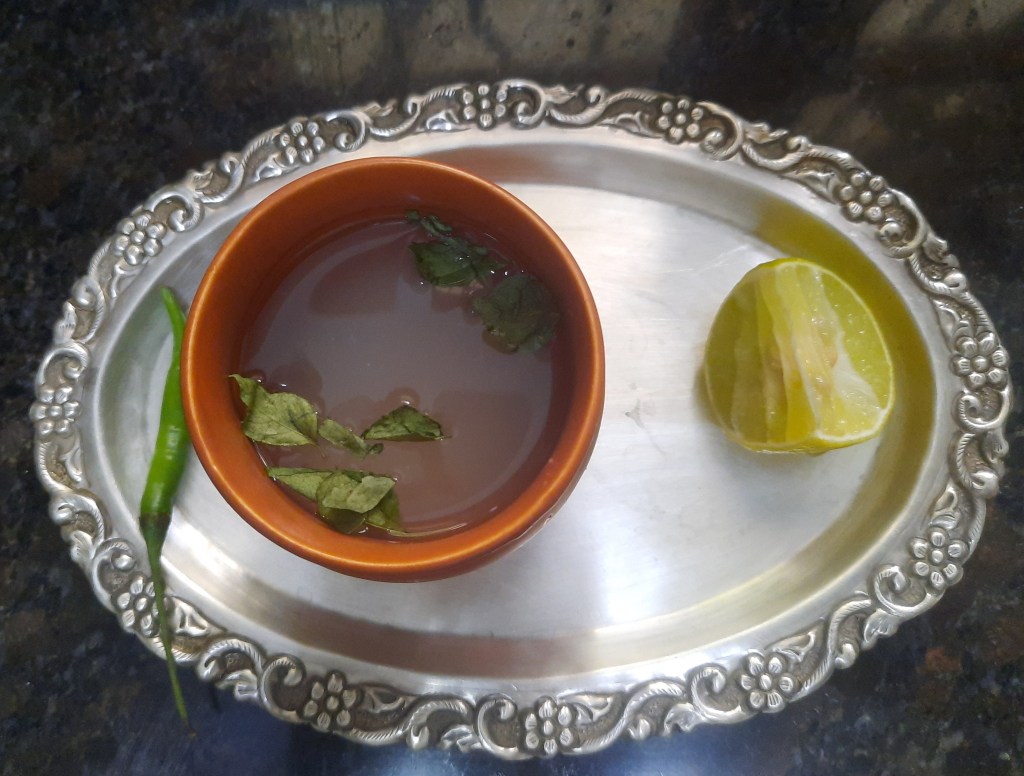
Two generations ago, even in cities, this was the standard morning fare. In Tamil Nadu, the rice was soaked overnight and the next day, mashed up, buttermilk was added, as also curry leaves, green chilies etc. My mother and her brothers had this almost every day before being sent off to school. It was healthy, nutritious, kept the stomach full for a long time. Also this ensured that rice was never wasted. And importantly, saved the mothers a load of work in the busy morning.  The nutritional value and taste of the soaked rice item is often enhanced by adding drumstick leaves, ginger, cumin, curd, lemon, a tadka, etc. There is even a sweet variant made by adding sugar or jaggery.

And this was the standard in homes across these states. Not just students but famers, workmen and others started the day with this.

Soaking cooked rice overnight leads to mild fermentation and promotes the growth of healthy bacteria. It lowers the glycemic index and increases mineral content. A paper in a respected scientific journal avers: ‘Soaked rice is rich in B6, B12 vitamins and is a source of beneficial bacteria which helps in digestion and boosts immunity. The given samples of normal cooked rice and overnight soaked cooked rice are tested for carbohydrate, crude protein, fat/oil and fiber content. The rice which was overnight soaked cooked rice was found to have more nutrient content than unsoaked cooked rice. There is an increase in energy, protein, fat, carbohydrate, fiber content and minerals. Eating fermented rice for breakfast was an old custom among the farmers. It has been proved that overnight soaked cooked rice acts as a healthy breakfast and would play an important role in the health of today’s young generation.’*

The benefits of soaked rice are now being recognized and celebrated. Odisha has taken this to heights by declaring a Day for this: Pakhala Dibasa was declared on 20 March 2011 and is marked every year by Odias everywhere. (Pakhala is Odia for soaked rice). It is appropriate that Odisha should take the lead in doing this, for the dish has a hoary history in this state. There is very early documentation of pakahla including a recipe of prasads at Lord Jagannath Temple of Puri dating back to the 10th century. There is also a mention in the Odia poems of Arjuna Das in his work Kåḷpålåtā composed during 1520-1530 CE.

And yes, in keeping with the tradition, this is another dish contested between Odisha and West Bengal!

Time to remind ourselves that health does not come from a box, nor all knowledge from the internet. Nutrition is right there in the humblest ingredients in our kitchens, and our grandmothers know a lot too!

So in honour of Pakhala Dibasa just gone by last week, and to mark Utkal Diwas (today, April 1), let us resolve to have a soaked rice breakfast at least once a week. This is especially good in the summer, as it has cooling properties.

Here is to happy, healthy breakfasts!

–Meena

*Neha Sharma M, Gayathri R, & Vishnu Priya V. (2018). Assessment of nutritional value of overnight soaked cooked rice over unsoaked cooked rice. International Journal of Research in Pharmaceutical Sciences9(3), 515–518. Retrieved from https://ijrps.com/home/article/view/4150