The Little Red Caps: Olympic Phryges

We are well into the Olympics—complete with controversies, exhilarating triumphs and heart-breaking failures. And we will see more super-human achievements in the weeks to come.

Overseeing all the fun, festivities and sports are the Olympic mascots of Paris 2024, the Phryges. The phryges are little red hats. This is somewhat unusual, because the mascots are often, but not always, characters—often indigenous animals or birds, or human forms representing the cultural heritage of the host country.  Generically, mascots are ‘a person or thing that is supposed to bring good luck, especially one linked to a particular organization or event; a person, animal, or object adopted by a group as a symbolic figure especially to bring them good luck’

Why is a red hat the mascot for the Paris Olympics? Well, the phryge holds a lot of significance for the French, and is a deep part of their cultural heritage. The phryge is a soft hat, generally red, which was first worn by freed slaves in Phrygia, an ancient Greek kingdom (in present-day Turkey). The storming of the Bastille prison in July 1789 marked the beginning of the French Revolution. Revolutionaries who were involved in the storming wore phryges. And slowly the hats came to symbolize the Revolution itself, and since then have since been known as a symbol of liberty and the revolution. Even today, protesters don them as they march. Marianne, the personification of France, is often shown wearing a Phrygian cap.
The Paris Olympics have two Phrygres: one for the summer Olympics, and one for the Paralympics. The Paralympics mascot  which ‘has a visible disability also sends a strong message: to promote inclusion.’

Both the Phryges are blue, white and red — the colors of the French flag.  They sport a gold “Paris 2024” logo on their chests. Their eyes are made out of a “cockade of France” –a knot of ribbons that is the French national ornament.  Each Phryge has its own personality. The Olympic Phryge is ‘the smart one” with a “methodical mind and alluring charm.’ The Paralympic Phryge is ‘a party animal, spontaneous and a bit hot-headed.’ 
Olympic mascots have been around  since 1968. They symbolize the Olympic spirit; spread the values highlighted at each edition of the Games; promote the history and culture of the host city; and give the event a festive atmosphere. They bring a personality to the Games, capturing the styles, traditions and cultures of the host country. The mascots are especially meant to connect with youth.

The very first Olympic Mascot was‘Shuss’, a little man on skis in the skiing position to which his name alludes.  He wears a two-coloured head, resting on a zig-zag flash-shaped foot with the Olympic rings featuring on his head. He symbolized the winter Olympics that took place in Grenoble, also in France. Waldi was the first Summer Olympics mascot. This dachshund, a very popular animal in Bavaria known for its endurance, tenacity and agility, was the symbol of the Olympics held in Munich in 1972.
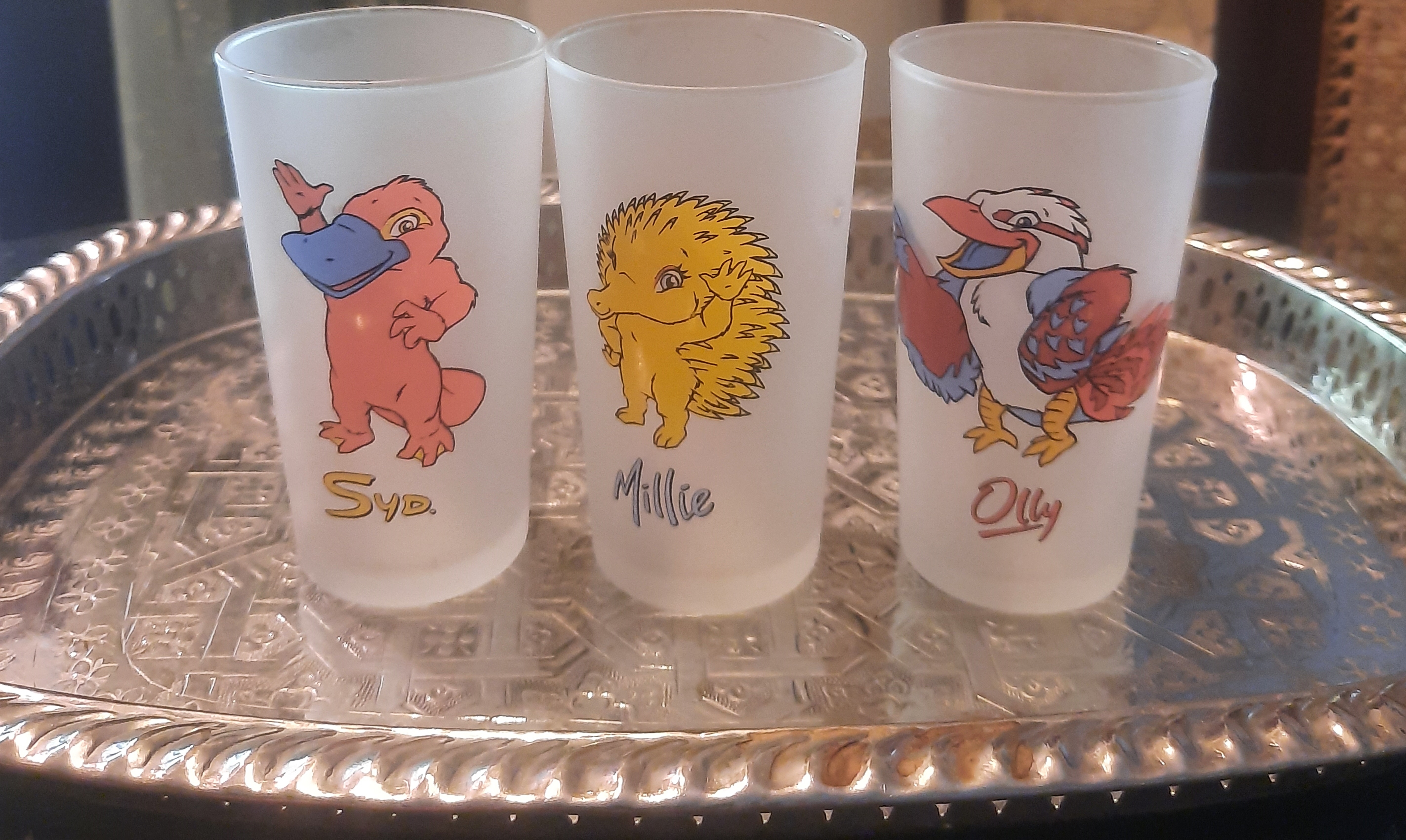
Sydney Olympics Sovernirs
Sovenirs from Sydney Olympics Year!

Since then, the Olympics have featured various animals, birds and objects. Unusual objects have included Schneemandl’  a snowman wearing a red Tyrolean hat (Innsbruck winter Olympics); Magique, a little imp in the shape of a star and a cube (Albertsville); Neve a snowball; Gliz an ice cube (Turin) etc. There are some mascots which are not an animal, nor a human figure, nor an object. One of the most unusual was Wenlock (London 2012) made from one of the last drops of steel used to build the Olympic Stadium in London. The light on his head was similar to those found on London’s famous black cabs. The shape of his forehead resembled the Olympic Stadium roof. His eye was the lens of a camera. He wore five bracelets in the colours of the Olympic rings.

India has not yet hosted the Olympics, but the 1982 Asian Games mascot Appu the Elephant, and the 2010 Commonwealth Games Shera the Tiger, were much beloved. The Phryges follow in this beloved tradition.

So here is to the spirit of the Phryges which aim to show that sport and its values can do great things, and that sports are about fraternity, solidarity and can help society grow.

–Meena
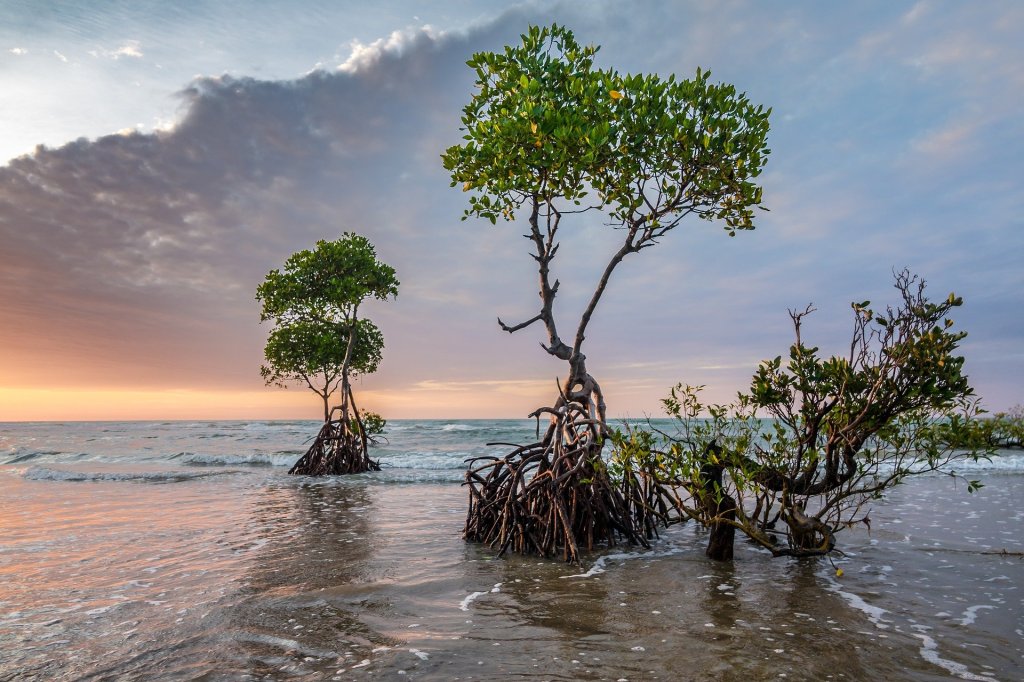


Mangroves: Straddling Land and Sea

Vaulting strut roots crisscross one another, spikes of air breathing roots project from the mud, water casts a silvery shimmer on the underside of leaves…endless changing patterns. David Attenborough

Among the sandy and rocky shores of estuaries and muddy sea coasts, in places where any other tree would perish as a seedling, beneath daily tides and a salty diet, lives a special type of tree. These are the mangroves. There are many species of mangroves, but all are united by a common property: their tolerance to salt.

What makes these trees salt-resistant? Some mangroves take in sea water, extract the salt with special glands and secrete it from their leaves. Others have roots that filter out most of the salt even as it enters the tree. The remaining salt is stored in the oldest leaves of the tree—those that are about to fall. Thus the salt does little harm.

Mangrove trees have to adapt not only to living in salt water, but also to growing in continually shifting sandy soil which gives little scope for the trees to get a firm hold. Mangroves anchor themselves to the soil by sending out long roots from trunk and branches. These act as stilts to support the tree and prevent it from toppling over. The muddy water where they live contains very little oxygen, but the mangroves have an ingenious solution to this problem too. The trees send out a second air-breathing root system—not downwards, but poking up above the mud, like the snorkel of a diver!

The offspring of the mangroves are as remarkable as their parents. The seeds of most mangroves germinate on the tree, producing a pointed stem about a foot long, with roots and leaves just formed. If the juvenile plant drops into the water at low tide, the stem plummets into the mud below, and is ready to take root immediately. If the young plant is washed out to sea, it may eventually hit land—a sand bar or coral reef, and start to grow there. Someday, given the right conditions, this mangrove and its own offspring could start a mangrove swamp of their own.

In addition to the props that come down and the roots that poke up, the tangled roots at the base of the mangrove trap the silt and debris from the sea, as well as the trees’ own fallen leaves. Over time, this accumulation helps to create more land area around the mangrove trees. And a new habitat is created.

Mangrove swamps perform a very important role for the land and the ocean that they straddle. They provide vital breeding grounds and habitats for a wide variety of fish and crustaceans. The nutrient-rich soil provides food and shelter to innumerable organisms, including monkeys, deer and birds, and a source of nectar for honeybees. The fallen leaves provide shelter to tiny shelled creatures. Floating mangrove leaves provide a base for larval growth and micro fauna. The rotting leaves provide food for insects, reptiles and shellfish. These smaller creatures form food for the larger creatures that live or pass through the swamps. Many fish-eating birds come here for the abundant food and shelter. Mangroves support complex communities, where thousands of other species interact. It is a world teeming with biodiversity.

Mangroves also ensure food security for human beings. By sustaining fisheries and through the numerous forest produce they provide, mangroves also sustain local communities with food and livelihoods.

Mangroves nurture the seas and protect the land. Mangroves act as a form of natural coastal defence: reducing erosion, attenuating waves (including tsunamis) and reducing the height of storm surges. They protect coral reefs, sea grass beds and shipping lanes against siltation. They help control floods by catching and spreading high velocity flood waters and trap it amongst their roots. Thus they protect coastlines from erosion and extreme weather events, and contribute to water quality by filtering out nutrients and sediments. Mangrove soils are highly effective carbon sinks. They are among the most carbon-rich tropical ecosystems globally, and can contain more carbon per square metre than tropical rainforests. They also fight climate change – with global mangrove forests sequestering as much as 22.8 million tons of carbon each year.

Healthy mangrove ecosystems are vital for the wellbeing, food security, and protection of coastal communities worldwide. Mangroves are among the world’s most dynamic ecosystems, but increasing encroachment by development and industry means they are also among the most at risk.

All over the world mangroves are being degraded at an alarming rate. They are being destroyed at rates 3-5 times greater than average rates of forest loss. Multiple pressures are destroying these unique ecosystems which perform vital functions for both the terrestrial and marine habitats that they nurture and protect.

Mangroves are exploited, directly or indirectly, for food, timber, medicines, honey, charcoal, and fisheries. There is tremendous pressure on the areas where they grow due to increasing population and its demands. One of the main threats to mangroves is from habitat destruction for coastal development and aquaculture. Mangroves have been converted into salt pans, aquaculture ponds or paddy fields.  Rising sea levels are a longer-term challenge.

Pollution and over-exploitation are also reducing the ecosystem services provided by mangroves. Changes in local water conditions caused by upstream dams, irrigation and pollution have led to the loss of many mangroves. Mangroves are often used for dumping waste, including plastics that do not degrade, harming both these ecosystems and the species living there. The accumulation of marine debris can alter the physical and chemical composition of sediments.

Mangrove swamps are called ‘mangals’ in India. About 50 species of mangrove trees are found in our mangals.  The maximum number of mangrove species have been reported from the Orissa coast. The best mangrove formations in India occur in the Sundarbans in the Bay of Bengal, and in the Andaman and Nicobar islands. The Sundarbans is believed to be the largest single block of tidal mangrove forests in the world where all the species of Indian mangroves are represented. Sundarbans has been designated a UNESCO World Heritage Site. However these unique ecosystems are under as much threat as those across the world.

The earth and humanity simply cannot afford to lose these vital ecosystems.

In recognition of this the General Conference of the UN Educational, Scientific and Cultural Organization (UNESCO) has declared the International Day for the Conservation of the Mangrove Ecosystem to be celebrated on 26 July every year. The day aims to raise awareness of the importance of mangrove ecosystems as “a unique, special and vulnerable ecosystem” and to promote solutions for their sustainable management, conservation and uses. There are several international as well as national initiatives that are working towards these solutions. This day is a reminder of the pivotal role of mangroves in preserving ecosystems.

–Mamata

Here Come the Clean-Green Olympics!

This Friday, 26 July, will see the start of the 33rd Summer Olympics. Over the next few weeks, till 11th August, Paris—the main host city, and 16 other cities around France as well as Tahiti, a French overseas island, will see 800 sporting events. With this, Paris becomes only the second city in the world (apart from London) to host the Olympics for the third time. But it is a good long time since the last time it held the Games—a century to be exact!

 The arrangements for the games are aimed at setting new benchmarks for quality, convenience, security and aesthetics. The 4-hour opening event will set the tone. The Paris 2024 opening ceremony will be unique in that it will not take place in a stadium. Instead, nearly a hundred boats will be deployed, which will carry thousands of competitors and other guests on a 6 km scenic route on the River Seine. The boats will be organized by country. Along the way, they will sail by the newly-repaired Notre-Dame Church, several bridges and other Paris landmarks, and will arrive at the Eiffel Tower. The banks of the river will be alive with music, dances and performances woven together into a 12-part show. The speeches and other formalities will all be a part of the overall presentation-experience, as the Games are declared open by French President Emmanuel Macron.  The show will end around 9.30 pm when the sun sets.

Paris Olympics

About 10,500 athletes will participate in the ceremony, which will be attended by about 100 heads of state. There will be over 3 lakh spectators on the banks. 80 giant screens will be put up along the way.

Other unique aspects of the 2024 Olympics:

  • This will be the first Olympics in history to achieve numerical gender parity, with an equal number of female and male athletes– 5250 men and 5250 women.
  • Break-dancing: For the first time break-dancing will be introduced as a competitive event. There will be two events, one for men and the other for women.
  • For the first time in history, the public will be part of Olympic experience! They will be allowed to run the same course of the Olympic marathon on the same day as the Olympians.
  • The marathon swimming event and the swimming leg of the triathlon will be held in the River Seine, as they were in 1900. From 1923 until recently, swimming had been banned in the Seine due to water-quality issues, but the authorities have put in their utmost to clean up the river, and have assured that it is safe.

Most significantly, the organizers have vowed to make these the ‘greenest Olympics’, with efforts to make to make it carbon-neutral, and to cut the carbon footprint of the Olympics in half compared to previous editions. They will try to offset more emissions than the Games create. Some of the steps the organizers are taking include:

  • The Olympics will run on 100% green energy generated from new sources of wind and solar energy, like windmills on the Normandy coast as well as solar panels on the roofs of venues in Paris.
  • The Games will mainly use only existing venues and temporary structures, thereby avoiding the carbon footprint of building new ones. Only two new venues will be built–for aquatics and basketball.
  • There will be no air conditioning in the athletes’ rooms. Instead, buildings in the athletes’ village have been designed with a cooling system drawing water from underground. Moreover, facades have been designed so they get little direct sun.
  • The Village will use 94 per cent recycled materials and a special construction process that emits half as much carbon.
  • After the games are over, the Athletes’ Village will allocate the houses for permanent residences.
  • Athletes’ mattresses will be made from recycled fishing nets, and the base of the beds will be made from reinforced cardboard.
  • Local farms will provide 80 per cent of the 13 million meals served during the Games, thereby lowering emissions.
  • Most Olympic venues will be accessible by public transport, and 1000 km of new cycling lanes have been created. 3000 pay-and-use bikes will be deployed.
  • About 2 lakh new trees have been planted.

Sounds like these Olympics are going to set new benchmarks! Appropriately so, for the motto “Citius, Altius, Fortius – Communiter” or “Faster, Higher, Stronger – Together” is not just about the sports events themselves, but every aspect of the Games!

Here is to the spirit of the Games!

–Meena

A MURDER OF CROWS

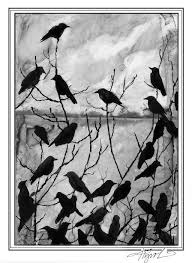
A few days ago our champa tree was the venue for an impromptu gathering of crows. They descended literally out of the blue and within flapping seconds, settled onto the branches and commenced a raucous chorus. What a “cawcaphony” I said to myself and peeped out to investigate the cause of the assembly. It turned out that there was a dead crow not far from the tree, and the incident was being marked with a suitable mourning from its clan. Quite spontaneously, I remembered that the collective noun for a group of crows is called a ‘murder’ of crows. Well here I was witness to a murder of crows in action!

Why this descriptor? The term is believed to have originated in England in the 15th century, and was linked to old folk tales and superstitions. In the Middle Ages, collective nouns were often given to animals based not only on their behaviour but also on superstitions or prevalent attitudes towards them.

One among these was the belief that crows will come together to decide the fate of another crow (a court of crows?). Another belief was that the appearance of crows was an omen of death. Yet another, based on the fact that crows are scavengers and were thought to circle over areas where animals and people were expected to die. A more scientific reason for his may be that crows are opportunistic feeders and will eat everything–carrion, small animals, insects, or crops, and thus find their way to wherever these may be available.

In fact, crows, though often considered to be pests, and generally irritating, are a highly intelligent and social species. They have the ability to create and use tools, they have been known to solve multi-step puzzles. They are extremely social birds that flock together and also have an ability to learn from each other.

Crows
Pic: Northern Woodlands Magazine

Another interesting aspect of crow communities is that they have been shown to recognize their dead and hold “funerals” for dead individuals, something that has only been observed in a few other species including elephants, dolphins and some primates. This could be an unsettling scene for observers, (probably what I witnessed) but scientists believe this is a way by which they communicate to their fellow crows about potential threats to be avoided.

Besides ‘funerals’ why do crows flock together? For many reasons. Crow are smart and adaptable, and gathering in large groups is often both a solution to a problem and a social benefit. Communal foraging strengthens social bonds and hierarchies within the crow community as well as efficiency. Communal roosting provides safety from predators and establishes social bonds, social learning and information.

The ‘cawcaphony’ also has its reasons. Loud and distinctive cawing is used to convey messages about food locations, to call others for support in defending their territory, or to alert the flock of approaching predators. There are specific caws for different types of danger. As well as caws, crows have softer calls which are used within family groups.

Yes crows are a part of our lives, generally around, but not really headline grabbers. Until recently, when crows have been in the news. And this time the news is about a literal “murder of crows”. The target of this planned execution is the Indian house crow Corvus splendens, whose population is being systematically eliminated in Kenya.

The story of the crow in Kenya goes back to the 1880s when it is believed that the first few pairs of Corvus splendens arrived on the island of Zanzibar by ship. One story goes that a breeding pair was presented to the Sultan of Zanzibar as a gift from an Indian dignitary. Another account believes that the scavenging crows were brought to the island in a bid to clean up the garbage. The introduced species soon gained a foothold not only on the island, but also spread to nearby mainland countries like Tanzania and Kenya. Showcasing all their traits of intelligence, adaptability and resourcefulness, the crow population grew rapidly and began to not just scavenge but also raid crops and poultry farms, as well as food sources in urban areas. By 1917, House crows were officially declared as ‘pests’ by the local authorities.  

The House crow reached Kenya in 1947, and since then its numbers have exploded. The growing human population, both local and tourists (tourism is the mainstay of Kenyan economy) has led to growing waste sites with mounds of garbage. The municipal authorities have not been able to efficiently manage the waste. This has led to a huge proliferation of crows who not only feed on the garbage but have also learned to mob eating places and swoop up food from diners’ plates.

Besides the pestering of humans, conservationists are concerned that the overwhelming numbers of crows are driving out many smaller indigenous species of birds, impacting biodiversity. With decline in indigenous bird species, pests and insects begin to proliferate, impacting local flora as well as crop plants. This is one more case of how invasive species can impact local ecosystems.

The Kenyan government undertook a programme to control the invasive bird species twenty years ago. While this helped reduce the crow population for some time, the resilient species bounced back with an exponential rise in numbers. In the past there this menace has been addressed with the baiting of food with Starlicide, a slow-acting poison to tackle the crow menace. This time the Kenyan government is planning to use all methods, including this, to eliminate a million crows by the end of the year. A sad, but perhaps unavoidable, murder of crows.  

And just last week was the news that the US Fish and Wildlife Service proposed to kill half a million Barred owls across the states of California, Washington and Oregon over the next ten years. This is because the population of Barred owls is crowding out its less aggressive relative the Northern spotted owl which is an endangered species. This news has sparked of several debates. While this is not a case of an invasive species, it is a case of one species becoming dominant, to the detriment of other species. There is also the moral issue of killing one species to protect another. Perhaps it will take a ‘parliament of owls’ to resolve the case!

See also:

The Camel in the Tent: Invasive Animal Species

A Parliament of Owls

–Mamata

From the Botany Textbook to my Backyard

Our biology teacher tried her hardest to fill our brains with all kinds of information about plants, flowers, and creatures big and small. I am not sure how much of it stuck. But Rafflesia arnoldi  was one of the plants that we studied about that all of the students were fascinated with, and I can still recall many details about it.

For after all, a parasitic plant is fascinating isn’t it? Especially when its blooms are the single largest individual flower in the world, and which emit an aroma similar to rotten meat? It is a parasitic plant that grows on vines of the genus Tetrastigma. It has no green photosynthetic tissues, leaves, stems or roots. It essentiallylives inside the Tetrastigma vines as a mass of strands which absorb water and nutrients from the host. It grows out of the host plant’s bark as brown, cabbage-like buds which bloom over several days. The flowers have five lobes, are reddish-brown with white spots, and grow up to 1 m across and may weigh up to 11 kg. The smell of rotten meat they emit attracts insects such as flies and beetles, and this helps in the pollination cycle.

We all dreamt of the day that we would travel to the wilds of Indonesia to see this plant.

Another parasitic plant, which we didn’t realize was parasitic, was the mistletoe. The books we read were generally by British authors, and the tradition of hanging up mistletoe during Christmas and kissing under it drew many a schoolgirl snigger. Readers of Asterix comics would recall Druid Getafix forever up on top of a tree cutting some plants with a golden sickle. This would be the mistletoe which was believed to have medicinal and magical powers. There are many species of mistletoe, which are parasites on a variety of hosts. Some species even parasitize other mistletoes, which in turn are parasitic on a host! Unlike Rafflesia, mistletoes are hemiparasites—they have chlorophyll and can make some of their own food. 

Thanks to all these references, another ambition was to see miseltoe.

I have definitely not seen Rafflesia.

But I have had recent encounters of a mistletoe type in my own backyard.

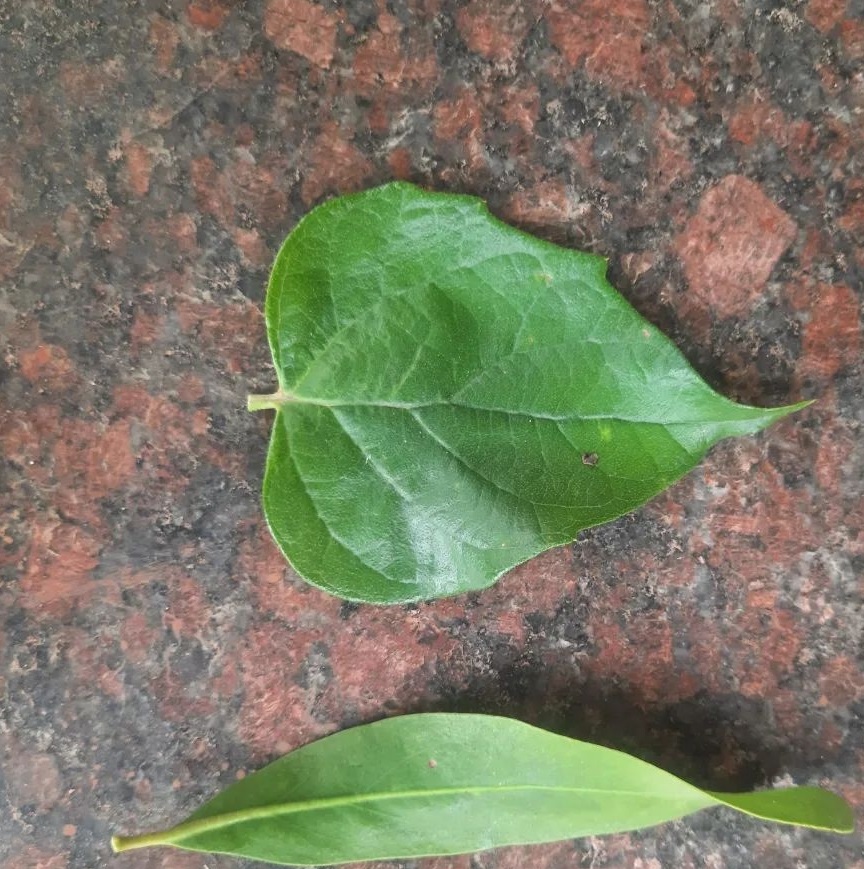
The parijaat or coral-jasmine tree is the pride of my garden. Come July, the lawn is carpeted with the delicate, fragrant white blossoms with orange stalks. A few months ago, I saw another type of leaf among the parijaat leaves. I took it for a climber, though I could not see where it had originated from. I didn’t pay too much attention. Then I saw a different kind of flower on the tree, and was kind of happy, because these were rather pretty too, and I thought I had two beautiful flowers for the price of one.

But as l looked more closely, I became more and more perplexed. The climber was simply not rooted anywhere! I clumsily clambered up a stool to check out where the branches with the different leaves were originating from. And to my dismay I found that there were knots at various places on the parijaat branches, and each of them sprouted thin branches with these different leaves.

LeLeaves of Night-flowering Jasmine and Loranthus
Leaves of Night-flowering Jasmine and Loranthus

Consultations with experts has finally resulted in the conclusion that my poor parijaat is infested with the parasitic Loranthus. It belongs to Loranthaceae, the showy mistletoe family. So the ambition to see mistletoe has come true, though I am not happy about it!

Some species of Loranthus are parasites on cultivated trees, for example, on mango s, chiku and poplar trees. Though the books don’t say so, they obviously infect parijaat, and are also seen on my neighbour’s anar.

Loranthus grows on the branches and stems of other trees and obtains water and nutrients from the vascular tissues of the host plant.  Birds like sunbirds and flowerpeckers spread the seeds after eating the berries, either by excreting them or wiping off the seeds from their bills, to the branches of neighbouring plants. Seeds germinate and sink parasitic haustorium (an attachment mechanism) into the branches of their host. Secondary haustoria are formed from the same parasitic plant wherever there is a contact with the host.

A parasite takes up the host tree’s water and mineral content and harms the host while the parasite gets benefitted.  While most of these parasites don’t draw enough to kill the tree unless there is a serious drought or other drastic conditions, the host does weaken.

I have had all the branches with Loranthus knobs pruned. Apparently, the huastoria spread quite deep, so fairly drastic surgery had to be performed on some branches.

I think my paarijaat is looking happier!

–Meena

Bicycle Marathon: Le Tour de France

The countdown has begun for the Paris Olympics which are scheduled to begin on 26 July. Even as athletes from around the world are in the final stages of their preparation in pursuit of the prized medals, another historic sports event closely associated with France is already underway. This is the famous Tour de France, a grueling marathon race that pushes riders and their bicycles to superhuman limits. The 111th edition of this event made its start or Grand Depart from Florence in Italy on 29 June this year. The riders made their way to France where they added extra sparks to the already high Olympic fervor.

What is today considered to be the greatest annual bicycle race in the world,  watched by millions around the world, the Tour the France has curious origins. The idea for the race came from George Lefevre a journalist with a sports magazine called L’Auto whose readership was falling. He convinced his editor that the publicity generated by such a race, including the prize money of 20,000 Francs, would attract attention and boost sales. Henri Desgrange, the director-editor of L’Auto and a former champion cyclist himself, loved the idea and gave the go ahead.

The first race was held in 1903. It had 60 riders and the circular route, to be covered in six stages, was 2428 km long. Riders rode as individuals, who were not allowed to receive any help along the way. They rode over unpaved roads on single speed bikes, without helmets, even at night. They had to carry out their own repairs if required; some rode with spare tires and tubes wrapped around their torso. Lefevre covered the tour, following by rail, bus and bike, and sent daily reports to the newspaper. By the time the race ended L’Auto’s circulation had soared.  The first winner of the Tour the France was Maurice Garin, a part-time chimney sweep, who reached the finishing point three hours before the other racers, a record unbroken even today.

The race became an annual feature, and its rules evolved. In its early years the riders were predominantly French but within just ten years the race went international, attracting cyclists from many countries, eager to meet the gruelling challenges that the race offered. Over the years several mountain stages through the Alps and the Pyrenees were included. The annual race has retained its uninterrupted popularity over a century. The only times that the race did not take place was during the World Wars (1915-18 and 1940-46). In 2020 it was postponed due to the pandemic, but took place from August 29 to September 20.

Today the Tour de France route covers over 3,500 km, over a period of three weeks mainly in July. The mountainous terrain and the summer heat demands the greatest stamina and endurance levels.

The race consists of day-long sections known as stages. Each individual participant has his finish time aggregated daily to determine the overall winner at the end of the day. Individual race times are aggregated to determine the overall winner at the end of the race. The rider with the lowest overall time wins the race.

The rider who has the lowest cumulative time to complete a stage gets to wear the Tour de France maillot jaune (yellow jersey) the next day. The yellow jersey which was introduced in 1919, is the most sought-after symbol which indicates the special status of the wearer as the previous day’s leader. It is clearly visible as the riders whiz past, and the mailliot jaune is cheered on by the crowds that line the route.   

There are also other colour jerseys to indicate other achievements. The green jersey was created in 1953 to recognise the rider who wins the race’s points competition. The white jersey with red polka dots, created in 1975, is awarded to the rider who amasses the most points from the numerous categorized climbs throughout the race. The white jersey awarded since 1975, is given to the rider (below 26 years) with the best overall standing to complete the race.

From a largely national attraction when was first launched in France, today the Tour de France has become the world’s largest annual multi-day sporting event, drawing millions of fans from across the globe, and watched by billions across the globe. Fans travel from across the globe to catch a glimpse of the world’s best cyclists. Besides lining the streets to cheer the riders as they speed through cities, towns and villages, there are also enthusiasts that camp along the high mountain routes. These become a community in themselves, as they enjoy the local scenery and explore the surroundings as they wait for the pelaton (the main body of cyclists) to arrive. 

A lot has changed since the first Tour de France in 1903 which started with a 20,000 Franc prize. This year the overall leader will receive 500,000 Euros. The 2024 Tour de France will cover 3,492 kilometres in 21 stages, starting in Florence (Italy) and ending for the first time in Nice. There are expected to be 22 professional teams taking part this year, each with eight cyclists. They will be riding state-of-the-art bicycles carbon fibre bikes that weigh about seven kg, and they will have a choice of styles for different stages: flat, mountain and time trial. Each team will have access to spare bikes, clothing, food and drink in support cars, and as well as by a personal backroom staff masseurs, dietician and chefs (riders need to eat up to 7,000 calories a day – three times what average humans burn in a day).

With Paris on the eve of the opening of the Olympic Games on 26 July, there will be no room for the Tour de France’s traditional final stage finish on the Champs-Elysées in Paris. Instead the race will finish in Nice – the first time it has ever finished outside the French capital. However the race will certainly get the adrenalin flowing, which will merge with the bigger spectacle of the Olympics.

–Mamata

Maze-Amaze

Last week, I was in a shopping area near my house, and got myself lost. Having no sense of direction, any set of streets can turn into a maze for me, and I can get lost hopelessly anywhere!

That is when I started thinking about real mazes. What would I ever do if I got into one? Probably panic and die!

But apparently that wouldn’t happen in a labyrinth. Because though most of us don’t really stop to think about the difference, they are very different! Labyrinths have a single continuous path which leads to the centre, and as long as you keep going forward, you will get to the centre eventually. So given enough time, it is close to impossible for anyone, even me, to get lost in a labyrinth.Mazes on the other hand, have multiple paths which branch off and will not necessarily lead to the centre or to the exit.

Mazes probably evolved from labyrinths, and over time took on elaborate forms including multiple branching paths, dead ends, etc.

The first recorded labyrinth is a 5th century BC one from Egypt. Labyrinths are found in many cultures, and generally seem to have an underlying spiritual meaning.  Some represent spiritual journeys which guide visitors towards a single path, which may be full of twists and turns, but there is no doubt of reaching the goal as long as one is walking on the right path. In some cases, entering the labyrinth signified death and exiting it signified re-birth. They were also fertility symbols. Labyrinths were also thought to represent protection or fortification. Often in temples, forts etc., one can find carvings or paintings of labyrinths on the floor or walls, to represent one of these symbolisms.

Some temples are like labyrinths themselves, and their orientation, form and geometry have symbolic as well as spatial importance. The process of moving through the pathways is supposed to unwind the Kundalini or stored energy, releasing, magnifying, and ultimately harnessing its flow. 

Chakravyuha labyrinth

Many military formations adopted in ancient Indian warfare were labyrinths. The famous Chakravyūha (wheel formation, also called Padmavyūha—lotus formation) of the Mahabharata was one such. It was a very special formation and knowledge of how to penetrate it was limited to only Abhimanyu, Arjuna, Krishna and Padyumna on the Pandavas’ side. The Kauravas strategically diverted the senior warriors to different parts of the battlefield, and then went into the Chakravyuha formation, and succeeded in decimating the Pandava warriors. 16-year old Abhimanyu was there and bravely plunged into the wheel, killing many seasoned Kaurava warriors. Alas, he did not know how to get out of the formation, and at the sixth level, was slaughtered by a horde of Kauravas.   

The Bara Imambara of Lucknow houses a famous Indian maze. Said to be the world’s largest structure that is unsupported by beams, the Imambara is considered a marvel of engineering. The fourth Nawab, Asaf-Ud-Dowhala, commissioned this building during the drought of 1784 to help people in the city earn a livelihood. He invited bids and it was won by Hafiz Kifayatullah, an architect from Shahjahanabad who was already well-known by then. Work on the building started in the 1784 and finished fourteen years later.

The Bhul Bhulaiya or Maze located on the upper floor of the Bara Imambara was Kifayatullah’s masterpiece. It is said that there are 1024 ways of getting inside the maze but only two ways of coming out! Once you enter the maze, you might end up going round and round and up and down staircases without being able to come back. It is even difficult to figure out which level you are at—you could think you have climbed down to the lower floor, but may still be on an upper one!

Interestingly, about 10 years ago, archaeologists uncovered a 2,000-year-old labyrinth that is the second-largest ever found in the country. This is in Gedimedu in Tamilnadu, along an ancient trade route on the east coast of India. It measures 56 feet by 56 feet, with passages ranging from 2.6 feet to 3.6 feet. It follows a pattern similar to Greek mazes found on clay tablets from 1200 BC. Archeologists are still studying the maze.

I am not sure I want to ever go into a maze or labyrinth. I don’t want to be loster than I am!

–Meena

.

Sweet Celebration

Time was, when cakes and pastries were not as ubiquitous as they are today. Indian sweets (most often made at home) marked every occasion. A rare treat was the gift of a bar of chocolate, for a birthday, a good exam result, or a sweet sixteen romance. The purple wrapping gave the bar a special identity as a Cadbury chocolate. So much so that Cadbury became the synonym for any chocolate!

Today the market offers a wide choice of chocolates from ‘imported’ to ‘artisanal’ custom-made ones. Chocolate hampers have replaced the traditional mithai boxes as gifts for all occasions. While Charlie and the Chocolate Factory was once the daydream of every child, today children are spoilt for choice. And as a tribute to this, the world celebrates Chocolate Day on 7 July every year.

This is a good occasion to go back in history to follow the story of this universal favourite. The history goes back at least 2,500 years or more. While the cocoa bean plant may have been growing in the wild for centuries, it is believed to have been first domesticated by the Olmec Indians somewhere near southern Mexico. But in a large part of its early history, these beans were used to make a beverage. This was a bitter drink, a far cry from the ‘hot chocolate’ we know today. Moving further south, the cacao tree became part of the Mayan culture where it was known as cacahuaquchtl, and the bitter drink made from the beans was called xocoatl. This could have been the root of the word ‘chocolate’. The tree continued to migrate on to South America, through trade between the Mayans and the Aztecs for whom xocoatl continued to be the drink. Both the Mayans and Aztecs believed the cacao bean had magical, or even divine, properties, suitable for use in the most sacred rituals of birth, marriage and death. The Latin word for the cocoa tree Theobroma cacao means ‘food of the gods’.

It was the Spanish adventurers who carried the seeds back to Spain from South America. By then cocoa seeds had become an integral part of trade and commerce, even being used as currency. The seeds also transferred the tradition of the drink to this part of the world. By the late 1500s the drink became a favourite in the Spanish court. Other Europeans trading with South America brought back the beans to Italy and France. The bitterness of the drink was offset by adding cane sugar, and spices such as vanilla and cinnamon to suit the European palate. The trend moved to England where the first coffee house selling the drink opened in 1657.

By the 17th century chocolate, believed to have nutritious, medicinal and even aphrodisiac properties was a fashionable drink throughout Europe. But it was expensive because of its elaborate production process. In 1828, a Dutch chemist discovered a way to remove about half the natural fat (Cacao butter) from the liquid cacao, and pulverizing what remained and treating it with alkaline salts to cut the bitter taste. The process became known as ‘Dutch processing’ and the powder produced was called ‘Dutch cocoa’. This was what led to the creation of the early form of solid chocolate.

Meanwhile, in England a young Quaker named John Cadbury opened a grocery shop in Birmingham. John believed that alcohol was the main cause of poverty, and his shop offered alternatives such as tea, coffee and other provisions. Among other things he sold cocoa and drinking chocolate, which he prepared himself using a pestle and mortar. By 1842 John was selling 11 kinds of cocoa and 16 kinds of drinking chocolate. Soon John’s brother Benjamin joined the company to form Cadbury Brothers of Birmingham. The Cadbury brothers opened an office in London and received a Royal Warrant as manufacturers of chocolate and cocoa to Queen Victoria in 1854. The business was taken over by John’s sons George and Richard who continued to expand the product line. Cadbury’s Cocoa Essence, which was advertised as ‘absolutely pure and therefore best’, was an all-natural product made with pure cocoa butter and no starchy ingredients. Cocoa Essence was the beginning of chocolate as we know it today.

In 1847 Joseph Fry of JS Fry and Sons in England discovered that by adding extra cacao butter to liquid chocolate, he could make a mouldable chocolate paste. This led to the first modern chocolate bar. Cacao the drink took on a new form that would go on to become its better known avatar—chocolate that one could bite and chew. 

Now the Cadbury brothers had a new form of chocolate to offer, and they became so successful that they stopped selling other items.  A master confectioner Frederic Kinchelman was appointed to share his recipe and production secrets with Cadbury workers. This resulted in Cadbury producing chocolate in a variety of forms and combinations. By 1868, Cadbury’s boxes of chocolate candies became very popular in England. In 1879 the brothers moved their manufacturing operations to a larger facility four miles south of Birmingham at Bournville. The factory and area became known as the ‘factory in a garden’ which provided a safe and healthy environment for their employees to live and work. Cadbury manufactured its first milk chocolate in 1897. By the turn of the century, the Bournville factory employed 2,600 people and Cadbury was incorporated as a limited company. Cadbury’s most iconic chocolate Cadbury Dairy Milk chocolate was launched in 1905.

During World War I, more than 2,000 of Cadbury’s male employees joined the Armed Forces. Cadbury supported the war effort, sending warm clothing, books and chocolate to the soldiers. When the workers returned, they were able to return to work, take educational courses, and injured or ill employees were also looked after. During this period overseas trade increased, and Cadbury opened its first overseas factory near Hobart, Tasmania. In 1919 Cadbury merged with JS Fry & Sons, once a market leader in chocolate.

In 1920 the purple and gold Cadbury wrapper was introduced as a tribute to Queen Victoria. For many years Cadbury claimed exclusive rights to use that shade of purple. The original Cadbury logo depicted a stylized cacao tree interwoven with the Cadbury name. This was replaced, in 1921, with the cursive script logo which was inspired by the signature of William Cadbury, the founder’s grandson. With some simplification, it was adopted as the worldwide logo in the 1970s and continues to be its identity.

In the 1930s, Cadburys became the leading chocolate manufacturer in the United Kingdom. Cadbury also supported the war effort during World War II by converting parts of its factory into workrooms to manufacture equipment like milling machines for rifle factories. During the two wars chocolate was a scarce luxury but Cadbury supported workers and soldiers with chocolate in care packages to keep the morale high. 

In 1969 Cadbury merged with Schweppes, a well-known British brand that manufactured carbonated mineral water and soft drinks, to form Cadbury Schweppes. Cadbury Schweppes went on to become the largest confectionery company in the world, employing more than 70,000 employees. Today it is believed to be the second-largest confectionery brand in the world.  

Cadbury was first launched in India in 1948. It had a rocky start as it tried to find a foothold in a culture where traditional mithais were firmly ensconced. It was only in the mid-1990s that a series of attention-catching advertisements helped in creating a brand which was promoted as the symbol of celebration for all occasions and all ages. Cadbury Dairy Milk chocolate became the benchmark for other chocolates in India.

Once there was simply Cadbury. Now there are exclusive chocolatiers. Whatever one’s pick, chocolate is always celebrated!

–Mamata  

Slugs and Snails

Snails: UGGGGG!

Slugs: UGGGGGGGGGGG!

Yes, that indeed is the normal reaction.  Both of these creatures are gastropods, a type of mollusk. They are both soft-bodied creatures which are covered with mucus—and it is this which usually makes people go ‘UGGGG’. But they need the mucous to stop them from drying out.

Gardeners hate them too, because some species of slugs and snails (S&S) feed on live plant material. These species are particularly fond of eating soft fleshy leaves and seedlings. Some slugs which stay underground tunnel holes in potatoes and other tubers. Snails and slugs are sporadic pests in those places where damp conditions prevail.

And yes, there are worrisome trends too. Some species of exotic snails and slugs can destroy native biodiversity and multiply madly. They have no natural predators when they travel out of their native lands, and so thrive.

In India, 1500 species of land snails have been reported, but the number of species of slugs is limited. Of these, nine species of snails and 12 species of slugs are pests, including the Giant African Snail, which is a serious problem with regards to fruits, vegetables and ornamental plants specially in the east, northeast and south; the common snail, Helix spp. ;  the  common garden snail; and the black slug.  

These gastropod-pests are a worldwide problem. For instance, the Giant African Snail is native to East Africa. But it has spread to many, many parts of the world, either by stowing away on ships, or being deliberately brought to other countries for experiments, as pets etc. And wherever it has travelled, it is creating problems– over 500 plant species may be targeted by the giant African snail, including most vegetables, legumes, ornamental plants, banana, citrus, etc.


But wait! Before we condemn them outright, we must understand that slugs and snails are generally beneficent to the environment and have a key role to play in the ecosystems, as they are recyclers, feeding on dead leaves, dung and sometimes even on dead animals. They play a useful role in composting.  And as important, they are an important food source for birds, beetles and reptiles.

Snails and slugs

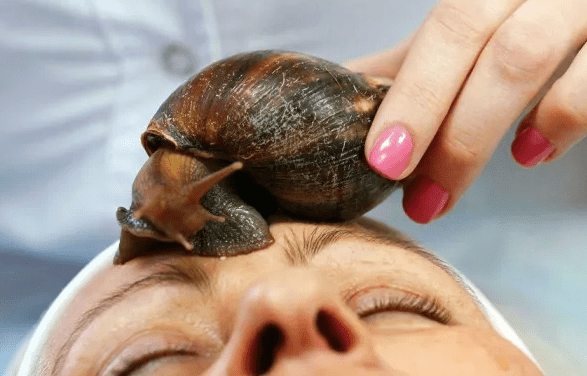
And in recent years, the fashion world has taken to these gastropods in a big way. Snail mucin and slug slime have become popular in the world of beauty. Gastropod slime has been shown to have many beneficial properties–antibacterial, anti-inflammatory and antioxidant, anti-tumoral, anti-aging, tissue regeneration, wound healing etc. Snail mucin contains antioxidants that may help reduce signs of aging like wrinkles, uneven skin tone and sagging. Studies indicate that snail mucin helps with skin regeneration and protects against damaging free radicals.

And let us also recognize that the seriously devastating snails and slugs are often introduced exotic species. There is never anything fundamentally ‘wrong’ about any species. They fit and have a role in the ecosystem where they have evolved. But a species can be in the ‘wrong place’, and then they can cause devastation.

So yes, it is up to us humans to ensure S&S stay where they belong, and don’t travel.

But there is no doubt people, especially gardeners don’t like them. And this is why a wildlife NGO in the UK, The Herts and Middlesex Wildlife Trust and Royal Horticultural Society (RHS) want to challenge negative perceptions. The  organisers want to create a positive image for snails and slugs by showing people how they contribute to ecosystems. Campaign organisers hope that by learning to “appreciate and co-exist” with snails and slugs, gardeners can adopt a more environmentally friendly approach. The trust, with the RHS, has produced a guide with tips to “live harmoniously alongside slugs and snails”.

And here is some S&S Trivia

Slugging is a slang term for a skin care technique that involves applying an occlusive moisturizer to one’s face, typically before sleep, primarily as a way to prevent moisture loss.

Slugging-it-out is to fight, argue, or compete with someone until one person wins.

Sluggish isbeing lazy and slow.

Sluggish in the computer world is when you use human-readable terms in a URL instead of a database number or some other form. It supposedly originated when programmers became too “lazy” to look up a proper code or ID for a website, and began naming them using words. Those “lazy URLs” became slugs.

And FYI: Snails move at a pace of 0.029 miles per hour, or 153 ft per hour. If we convert that to human speed, that’s the equivalent of walking almost 3.2 km per hour. Not too bad! So in this too, it seems snails are getting unnecessary flak!

S&S are nice fellows. Let’s not blame our problems on them!

-Meena

See also:

https://wordpress.com/post/millennialmatriarchs.com/3209

https://wordpress.com/post/millennialmatriarchs.com/2617

PIC: https://www.medicaldaily.com/snail-slime-touted-latest-miracle-beauty-product-243080