
We who sleep well, generally take sleep for granted. But it is when we cannot sleep that we begin to appreciate how important it is. As adults, at some point of time, we all probably have experienced short-term insomnia which can last for days or weeks and is generally caused by or a distressing event. But some of us suffer from long-term insomnia, also called chronic insomnia.
The necessity of sleep, and what the lack of it can do to us, cannot be underestimated. Doing research on this subject is difficult—after all, we cannot deprive people of sleep to check what happens to them. But the general observation is that after 24 hours without sleep, cognitive effects similar to having a blood alcohol concentration of 0.10% (which is higher than the legal limit for driving) can be seen. Anxiety and agitation set in. Performance on tasks declines, making people more prone to errors. There may be changes to visual perception. After 48 hours without sleep, people may begin to have blurry or double vision, which may progress into distortions of reality and hallucinations. After 72 hours without sleep, a person may begin to slur their speech or walk unsteadily. Hallucinations become increasingly frequent and complex. As people near 120 hours without sleep, they may experience a rapid and severe decline in mental health. This may include symptoms of psychosis, where a person becomes detached from reality and has complex delusions and displays violent behaviour. (https://www.sleepfoundation.org/)
So it is not at all out of place to have a World Sleep Day. This is celebrated on the Friday before the Spring Vernal Equinox, and falls on March 15th this year. It is organized by the World Sleep Day Committee of the World Sleep Day Society, to emphasize the importance of sleep and address common sleep-related issues that many people suffer from.
Human beings generally need between seven and nine hours of sleep, but sleep requirements vary widely across species, as do sleep habits. The general trend is that herbivores who are the prey species not only sleep less in terms of absolute time, but they sleep for shorter periods at a time. Not surprising, considering predators may attack them anytime. And in general, larger animals need less sleep than smaller ones. This is because larger animals have to spend longer time in searching for and eating food.
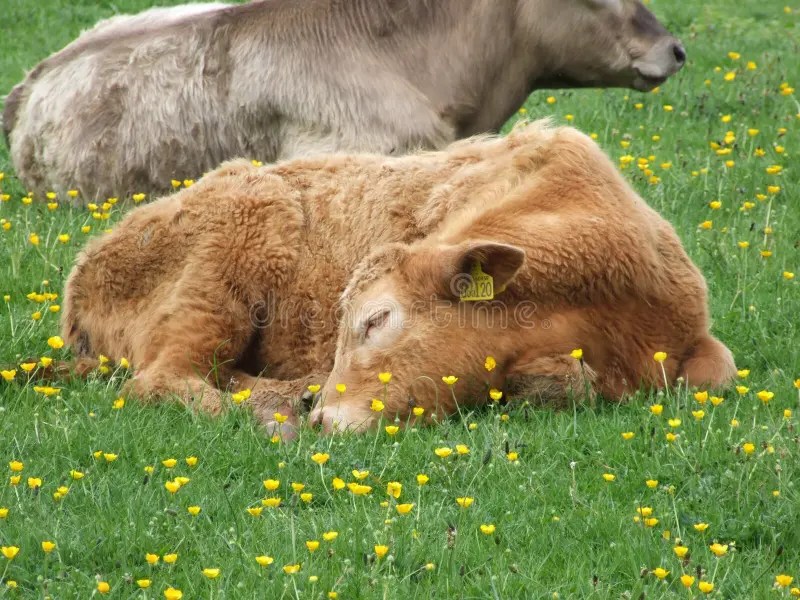
And to lighten the mood, here are some interesting animal-sleep facts: Impalas specially male impalas hardly sleep, having to be vigilant about predator attacks at all times. Walruses can go for 84 hours without sleep. When they do sleep, they can sleep anywhere on land, on the bottom of the ocean, even floating. Elephants sleep only 3-4 hours per night. They sleep standing, leaning on a tree or termite mound, or lying on their side. If they lie on their side their sleep is less than 30 minutes, as otherwise their internal organs may get crushed.
An intriguing question is, do migrating birds sleep and if so how? Many birds are on the wing for weeks or months, and they fly day and night, day after day. Then what about sleep? Well, studies on frigate birds have found that they sleep even as they fly! Their power-naps can be as short as 10 seconds! They also have a technique whereby only half their brain sleeps while the other half remains functional. But not all migratory birds do this—many actually take pit stops to eat and sleep.
Well, these species are lucky to be functional with so little sleep, but humans aren’t. So on this Sleep Day, resolved not to take sleep lightly. Get the minimum quota. And if you can’t, talk to a sleep specialist.
Happy zzzzzz…
–Meena

 Millennial Matriarchs